
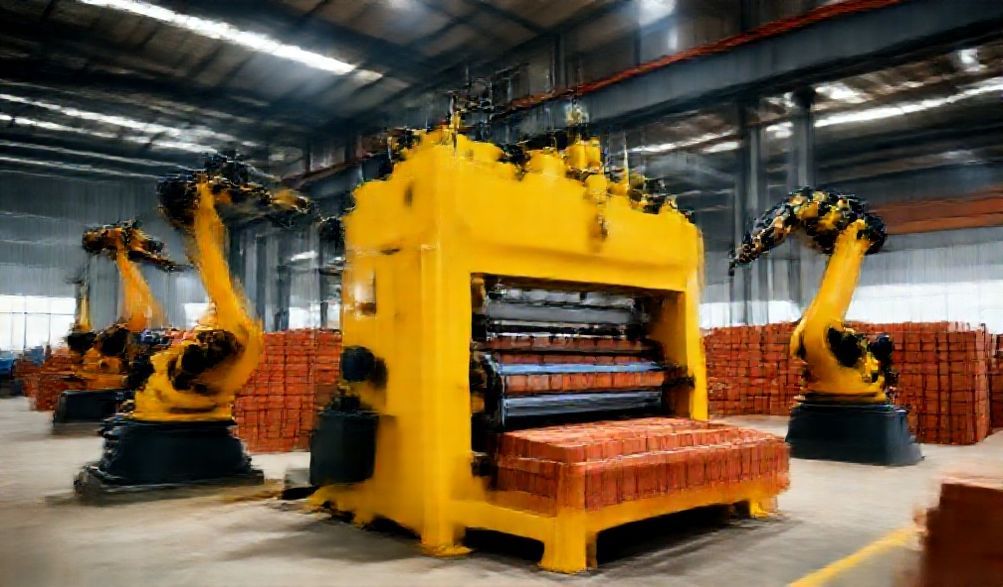
Gid Definitif pou Jwenn Yon Faktori Machin pou Fè Brik ki Serye nan Lachin
Entwodiksyon
Endistri konstriksyon mondyal la fonksyone sou brik ak blòk. Soti nan pwojè lojman abòdab rive nan desen achitekti wo kalite, demann pou materyèl konstriksyon fyab ak ekonomik la konstan. Pou satisfè demann sa a, antreprenè ak konpayi konstriksyon atravè lemond ap vire nan yon sous prensipal pou ekipman nwayo yo: Lachin.
Kite peyi Lachin vin tounen sant endistri mondyal pou machin ki fè brik san diskisyon. Men, navige nan gwo mache sa a ka fè ou pè. Ki jan ou ka fè diferans ant bon manifaktirè yo ak lòt yo? Gid sa a ap sèvi kòm wout klè ak ekspè pou ou.
Baze sou analiz endistri, eksperyans odit faktori, ak yon konpreyansyon pwofon sou tandans mache, resous sa a fèt pou bati ouEkspètiz, Otorite, ak Dignite de Konfyans (E-O-D-K)Nan pwosesis apwovizyone a, nou pral ale pi lwen pase senp konparezon pri pou nou konsantre sou valè, fyab, ak patenarya alontèm.
Objektif ou se jwenn yon bonFaktori machin pou fè brik nan peyi Lachinkonprann diferans ki enpòtan nan kalite, navige nan lojistik konplèks, oswa asire yon retou maksimòm sou envestisman ou, gid sa a kouvri li.
Men sa n pral eksplore:
* Dominasyon Lachin nan:Poukisa li se sant mondyal pou machin sa a.
* Kalite Machin:Yon deskripsyon teknoloji ki disponib yo.
* Verifikasyon Faktori:Kijan pou fè yon odit epi fè konfyans nan founisè ou.
* Kritè Seleksyon:Faktè kle ki ale pi lwen pase pri inisyal la.
* Lojistik ak Sipò:Navige acha, anbake, ak sèvis apre lavant esansyèl yo.
Annou kòmanse vwayaj ou pou yon acha entelijan ak byen enfòme.
Poukisa Lachin se Sant Mondyal pou Machin Fabrikasyon Brik
Monte Lachin kòm etaj faktori mondyal la pa aksidan, espesyalman nan ekipman endistriyèl lou tankou machin pou fè brik. Dominasyon sa a bati sou plizyè deseni devlopman chèn ekipman, gwo envestisman nan enfrastrikti, ak yon pousad san rete pou efikasite endistriyèl. Pou yon achtè, sa tradui nan yon chwa san parèy ak yon avantaj konpetitif, a kondisyon ou konnen kote pou chache.
Avantaj Echelle ak Pri
Ekòsistèm manifakti Lachin nan gen yon echèl tèlman gwo ke li kreye ekonomi siyifikatif ki benefisye achtè final la.
* Chèn Ekipman Konsantre:Eleman kle yo—soti nan asye wo kalite ak silenn idwolik rive nan sistèm kontwòl PLC—yo apwovizyone lokalman ak an gwo kantite, sa ki redwi depans materyèl yo.
* Gwoup Endistriyèl Ki Gen Eksperyans:Rejyon antye espesyalize nan machin konstriksyon, ki ankouraje konpetisyon, inovasyon, ak efikasite nan mitan yo.faktori machin brik.
* Pri Konpetitif:Ekosistèm entegre sa a pèmèt faktori Chinwa yo ofri machin avanse nan pri ki souvan 30-50% pi ba pase konpayi Ewopeyen oswa Ameriken yo, san yo pa nesesèman sakrifye fonksyonalite debaz yo.
Avansman Teknolojik ak Inovasyon
Pèsepsyon demode nan fabrikasyon Chinwa kòm jis "kopi bon mache" se demode. Faktori ki dirije yo se nan premye liy nan inovasyon pratik.
* Entegrasyon OtomatikPlant modèn yo pwodui machin ak liy pwodiksyon konplètman otomatize, pilè palèt robotik, ak sistèm dosaj enfòmatize.
* Kontwòl ak Presizyon:Adopsyon anpil nan Kontwolè Lojik Pwogramab (PLC) ak entèfas itilizatè ekran manyen (HMI) pèmèt kontwòl presi sou presyon, frekans vibrasyon, ak sik trete, asire yon bon jan kalite brik ki konstan.
* Desen Enerjetik Efikas:Modèl ki pi nouvo yo konsantre sou redwi konsomasyon enèji atravè sistèm idwolik optimize ak jesyon entelijan sik, sa ki bese depans operasyonèl ou yo.
Seri Pwodwi Divès pou Chak Bezwen
Soti nan yon ti antreprenè nan yon peyi an devlopman rive nan yon gwo konpayi konstriksyon, gen yon machin ki fèt nan Lachin pou travay la. Seri sa a se rezilta dirèk pou satisfè yon mache mondyal ak bezwen, bidjè kapital, ak kondisyon travay ki byen diferan. Divèsite sa a mennen n san pwoblèm nan nwayo desizyon w lan: konprann kalite machin ki disponib yo.
Kalite Machin pou Fè Brik nan Faktori Chinwa
Faktori Chinwa yo pwodui yon pakèt machin. Chwazi bon kalite a se premye desizyon teknik ou ki pi enpòtan. Men yon deskripsyon teknoloji prensipal yo, ki vize mo kle espesifik achtè yo chèche pou yo.
Machin Fè Brik Pres Idwolik
Machin sa yo itilize gwo presyon idwolik pou konprese materyo anvan li fin pran fòm (beton, sann volkanik, tè) nan yon mòd, ki pwodui brik ki trè dans ak dirab.
* Prensip: Static compression via hydraulic cylinders.
* Best Use Cases: Ideal for producing high-strength paving stones, kerbstones, interlocking bricks, and solid blocks where superior density and a fine finish are required.
* Pwodiksyon tipik: Ranges from mid-volume (e.g., 5,000 bricks per 8-hour shift) to high-volume industrial output.
Concrete Block Making Machines
This is the most common and versatile category for producing hollow blocks, solid blocks, and fly ash bricks. They primarily use vibration and compaction.
* Stationary Models: High-output machines that produce blocks at a fixed location, with products moved via conveyor or forklift. Suited for large-scale plants.
* Mobile Models (Egg-Layers): Smaller, movable machines that produce and deposit blocks directly on the ground. Perfect for small businesses and on-site production with lower capital investment.
* Aplikasyon yo: From standard hollow blocks for construction to specialized interlocking bricks for landscaping.
Clay Brick Making Machines (Extruders)
For traditional clay brick production, Chinese factories offer robust extruder systems.
* Pwosesis: Clay is mixed, extruded through a die to form a continuous column (the “clay column”), and then cut into individual bricks by automatic cutters.
* Components: The system typically includes a clay crusher, mixer, extruder, cutter, and sometimes automatic stackers.
* Sòti: Can be configured for very high-volume production suitable for dedicated brickfields.
Automatic vs. Semi-Automatic vs. Manual Models
This comparison is crucial for aligning the machine with your budget, labor availability, and production goals.
* Otomatik Konplè: High capital cost, minimal labor (1-2 operators), very high and consistent output. Requires stable power supply. Best for established businesses focusing on volume.
* Semi-Otomatik: Moderate capital cost. Operators manually feed pallets or remove finished products, while the core molding process is automated. Offers a good balance of output and affordability.
* Manual/Small: Lowest capital cost. Labor-intensive, lower output. Ideal for micro-enterprises, community projects, or testing a market. Often uses lever or small motor-driven mechanisms.
How to Verify a Trustworthy China Brick Machine Factory
This is the heart of a successful purchase. Due diligence separates a profitable partnership from a costly mistake. This section builds the Trustworthiness and Authoritativeness of your sourcing process.
Essential Factory Credentials and Certifications
Always request and verify these documents. A professional factory will provide them readily.
* Business License (营业执照): Confirms the legal entity and registered scope of business.
* ISO 9001 Certification: Indicates the factory has a documented Quality Management System (QMS) for consistent production and customer service processes.
* CE Certification (for export to many regions): Signifies the machine meets EU health, safety, and environmental protection standards. Note: Understand the difference between a self-issued CE and one from a notified body.
* Patents: Ownership of product patents can be a sign of R&D investment and innovation.
The Critical Role of Factory Audits (Virtual & Physical)
Never skip the audit. If a physical visit isn’t feasible, a virtual audit is non-negotiable.
* Physical Audit Checklist:
* Observe active production lines—look for organization and safety.
* Inspect the quality control area for testing equipment (e.g., compression testers).
* Check raw material (steel plate, components) storage for quality.
* Ask to see the R&D or engineering department.
* Virtual Audit via Video Call:
* Schedule a live walkthrough. A refusal is a major red flag.
* Ask them to show specific areas: assembly floor, painting booth, finished goods warehouse, and their QC process in action.
* Speak directly to a senior engineer or production manager, not just a sales agent.
Analyzing Customer Reviews and Case Studies
Go beyond the testimonials on the factory’s website.
* Seek Third-Party Platforms: Look for client feedback on B2B platforms like Made-in-China.com or Alibaba.com, but read critically.
* Discern Genuine Reviews: Genuine reviews often include specific details (machine model, project location, minor issues resolved). Vague, overly glowing reviews may be fabricated.
* Demand References: Ask the sales representative for 2-3 client references in a region similar to yours (e.g., similar climate, raw materials). Contact them directly to ask about machine performance and after-sales support.
Key Selection Criteria Beyond the Price Tag
The cheapest machine is often the most expensive in the long run. Use these insider criteria to evaluate true value.
Production Capacity and Brick Specifications
Match the machine to your business plan, not the other way around.
* Output Reality-Check: A factory may state “5,000 blocks per hour.” Clarify if this is under ideal, continuous conditions. Ask for a realistic, sustainable “blocks per 8-hour shift” figure.
* Pèsonalizasyon Mwazi: Your brick design defines your product. Confirm the factory can design and manufacture custom molds for your required brick size, shape, and interlocking pattern. Ask about mold steel quality and lead time.
Machine Durability and Core Components
The quality of key components dictates lifespan and uptime.
* Critical Parts to Inquire About:
* Sistèm Idwolik: Pumps, valves, and cylinders. Brands like Rexroth, Yuken, or reliable Chinese brands are positive indicators.
* Kad Estriktirèl: Should be made from thick, reinforced steel plate, not lightweight sections.
* Mwayo: Hardened steel (e.g., Cr12MoV) is essential for longevity.
* Electrical Controls: Siemens, Schneider, or Omron components suggest a higher standard.
* Ask for a detailed component brand list in the quotation.
Energy Efficiency and Operational Costs
Calculate the Total Cost of Ownership (TCO).
* Power Rating: Compare the total kW power consumption of shortlisted models. A slightly higher-priced machine with a more efficient system can save thousands in electricity.
* Pye yo mete Understand the cost and sourcing process for common wear parts like mold liners, seal kits, and vibration motor bearings.
* Lifecycle Analysis: A robust machine running for 10+ years with standard maintenance offers far better value than a cheaper machine needing major overhauls after 3 years.
Navigating Purchase, Shipping, and After-Sales Service
Transparently addressing these logistical and support aspects builds final-stage trust and ensures a smooth project conclusion.
Understanding Incoterms and Logistics
Clarity here prevents unexpected costs and responsibilities.
* FOB (Free On Board): You pay for the machine loaded on the ship at the Chinese port. You control and pay for the main sea freight, insurance, and destination port costs. Offers more control and often lower total cost.
* CIF (Pri, Asirans, ak Fret): The supplier arranges and pays for sea freight and insurance to your nearest port. It’s simpler but usually more expensive, and you relinquish control over carrier choice.
* Timeline: From order confirmation to delivery at your port, typically allow 30-60 days, accounting for production, inland transport, customs clearance, and sailing.
Payment Terms and Protecting Your Investment
Standard terms exist, but structure them to mitigate risk.
* Common Terms: Telegraphic Transfer (T/T) is most common. A typical structure is 30% deposit, 70% before shipment.
* Secure Payment Advice: For your first order or with a new supplier, negotiate a portion (e.g., 10-20%) to be paid after receiving proof of shipment (copy of Bill of Lading). This provides significant leverage.
* Letter of Credit (L/C): More secure but involves bank fees. Suitable for very large orders.
The Non-Negotiable: After-Sales Support
This is where reputable factories truly distinguish themselves. Robust after-sales support is a critical component of E-E-A-T.
* Garanti: Standard is 12 months for the machine, excluding wear parts. Clarify what is covered and the process for claiming.
* Dokimantasyon Teknik: Expect detailed English manuals, electrical diagrams, and hydraulic schematics.
* Installation Guidance: Comprehensive installation manuals and video guides should be provided. Many factories offer remote video support during commissioning.
* Disponiblite Pyès Depo: Confirm that common spare parts are kept in stock and can be shipped via air express within days, not weeks.
* Sipò Teknik: The factory should provide 24/7 responsive support via WhatsApp, WeChat, or email for troubleshooting.
Kesyon yo poze souvan (FAQ)
Q1: What is the average lead time for a brick making machine from China?
A: For a standard model from stock, expect 15-30 days. For a customized machine (different color, specific components, custom molds), lead time typically ranges from 30 to 60 days, depending on factory workload and customization complexity.
Q2: Can Chinese factories customize machines for my local materials?
A: Yes, most reputable factories have engineering teams that can adapt machine parameters (vibration force, pressure, moisture content) for your specific raw materials (e.g., local soil, fly ash, aggregate size). It is critical to provide them with detailed material samples and lab test reports for optimal results.
Q3: How do I handle machine installation and operator training?
A: Detailed manuals and video guides are standard. Many factories offer the optional service of sending an engineer for on-site installation and training, at an additional cost covering their flight, visa, and daily allowance. For DIY installation, having a local mechanic or electrician familiar with industrial equipment is highly recommended.
Q4: What is the minimum order quantity (MOQ) for a China brick machine factory?
A: For the machinery itself, the MOQ is usually 1 unit. However, if you are ordering custom molds or a large batch of spare parts, there may be an MOQ (e.g., 1 set for molds, 10 pieces for a specific seal). Always confirm this in writing.
Q5: How can I verify the quality before the machine ships?
A: Insist on a pre-shipment inspection and video test. You or a hired third-party inspection agent can visit the factory to witness a full production cycle under load. As a minimum, require a high-quality video showing the machine’s complete operation, cycle time, and the finished brick samples.
Konklizyon
Sourcing a brick making machine from China is a significant investment that, when done correctly, can yield tremendous returns for your business or project. The journey involves understanding China’s manufacturing landscape, selecting the appropriate technology, and, most importantly, conducting rigorous due diligence on your chosen Faktori machin pou fè brik nan peyi Lachin.
We’ve moved from the macro advantages of scale and innovation to the micro-details of component quality and payment terms. The thread connecting each step is the need for Expertise, Authoritativeness, and Trustworthiness—in both your approach and the supplier you select.
Your final decision should prioritize a factory that demonstrates a balanced combination of proven quality, transparent communication, and robust, long-term after-sales support. The absolute lowest price often comes with the highest hidden risk.
Call to Action: Begin your sourcing process with the checklist from this guide in hand. Approach potential suppliers with detailed, technical questions. Request audits, verify credentials, and speak to past clients. By doing so, you transform from a hopeful buyer into an informed partner, ready to secure a machine that will build your success for years to come.
<