
Ingamba y'ingenzi yo Gushaka Urufunguzo rw'Ubwubatsi bw'Amatafari mu Bushinwa
Intangamarara
Urubyiruko rw’ubwubatsi ku isi rukoresha amatafari n’amabuye y’ubwubatsi. Kuva mu mirimo yo kubaka amazu y’abakene kugeza mu myubakire y’icyubahiro, ibyo gusaba ibikoresho by’ubwubatsi byizigamye kandi bitagura birakomeje. Kugira ngo bihutane kuzuza icyo gusaba, abacuruzi n’amasosiyete y’ubwubatsi ku isi hose barahindukira ku moko abanza mu gutanga ibikoresho by’ingenzi: ubu Buhinde.
Ubuyeho mu isoko mpuzamahanga, Ubushinwa bwagaragaje ko ari ho hahagaze neza inganda zikora imashini z’ububiko bwa amatafri. Ariko gushakisha mu isoko rinini nk’iri birashobora kuba bigoye. Ni gute wakuraho abakora imashini b’amatafri bafite izina n’abandi? Iyi nyigisho izakuyobora mu nzira imweru kandi ikwerekeza neza.
Ishingiro ry’iyi ngirabuzima ryashyizweho hakurikijwe ubushakashatsi bw’inganda, uburambe mu kugenzura amashyirahamwe, n’ubumenyi bw’imikorere y’isoko, kugira ngo igufashe gushyirahoUbumenyi, Uburenganzira, n’Ukwiringira (E-E-A-T)Mu nzira yo gushaka abatanga serivisi. Tuzarenga gusa kugereranya amafaranga tuzibandaho ku gaciro, kwizerwa, no gukorana mu gihe kirekire.
Niba intego yawe ari gushakaUbutumwa bwo mu Bushinwa bubaka amatafarimenya ibyiciro by’ikirenga by’icyiza, ujye mu nzira zikomeye z’ubucuruzi, cyangwa wizere ko uzahora uhabwa ingaruka nziza z’amafaranga wakoresheje, icyi gice kigufasha muri ibyo byose.
Ibyo tuzasuzumira:
* Ubushobozi bwa Chine:Ni kuki ari yo nkomoko y’isi y’ibikoresho by’ubukorikori.
* Ubwoko bw'amashini:Gusobanura ibyiciro bya tekinoroji ziboneka.
* Gukemura Ubushobozi bwa Usine:Uburyo bwo gusesengura no kwizera umusanzu wawe.
* Ibikurikizwa byo Gutoranya:Ibintu by'ingenzi bitarenze igiciro cyo gutangira.
* Ibikorwa by'ubucuruzi n'inkunga:Gukurikirana ibyaguzwe, kohereza, no serivisi nyuma yo kugura iby'ingenzi.
Reka dutangire urugendo rwawe rwo kugura ubuhenge, utaramenya.
Kuki Ubushinja ari yo Butangazamashini ry’isi mu gukora Imashini z’ubumba?
Ukwiyongerera ubushobozi bwa Chine nk’urwego rw’ubucuruzi ku isi ntibyabayeho mu buryo butunguranye, cyane cyane mu bikoresho by’inganda bikomeye nka mashini z’ubumba. Iyi ngingo y’icyicaro yashyizweho ku myaka irenga igihumbi y’iterambere ry’urwego rw’ubucuruzi, investissement ikomeye mu bice by’inganda, hamwe n’umuhate wo gukora neza mu nganda. Ku bucuruzi, ibi bisobanura amahirwe atagereranywa yo guhitamo no kugira amahirwe yo guhiganwa, iyo ubonye aho ushaka gushakisha.
Ubunini n'Inyungu mu Gucunga Ibiciro
Ubunini bw'ikirenga bw'ubwubatsi bw'ubucuruzi mu Bushinja bukora ingaruka zikomeye ku bijyanye no kugabanya ibiciro, zikamarira abaguzi banyuma.
* Imiyoboro Ishyirwa HamweIbice by’ingenzi—kuva ku byuma by’ikizamini cya hano n’ibikoresho bya hydrolike kugeza ku sisitemu zo gukoresha PLC—bivanwa mu gihugu no mu bubiko bwinshi, bigabanya ibiciro by’ibikoresho.
* Ibigega by'Ubukungu Bishaje:Intara zose zishora imbaraga mu gukora imashini z’ubwubatsi, zishishikariza guhiganwa, gushyiraho ibishya, no gukoresha neza imbaraga.Ubutumwa bwa mabuye y'ubwatsi.
* Igiciro Gihangana:Iyi sisitemu yumvikanywe ikorana ishobora guha inganda z'Abashinwa ubushobozi bwo gutanga ibikoresho bya moderne ku giciro gisanzwe gito cya 30-50% kuruta izindi z'Abanyamerika cyangwa Abanyaburayi, nta n'ubwo bigomba kugabanya imikorere y'ingenzi.
Iterambere ry'ikoranabuhanga n'ubushishozi
Icyo cyerekana ubwoko bwa nyuma bwa gukora ibikorwa remezo mu Bushinwa nk' "ibiguzwa cyane bigakurikira" ni ibyashize. Amashami yo kugenza akomeye ari mu mbere mu bijyanye no guhimba ibintu bikora neza.
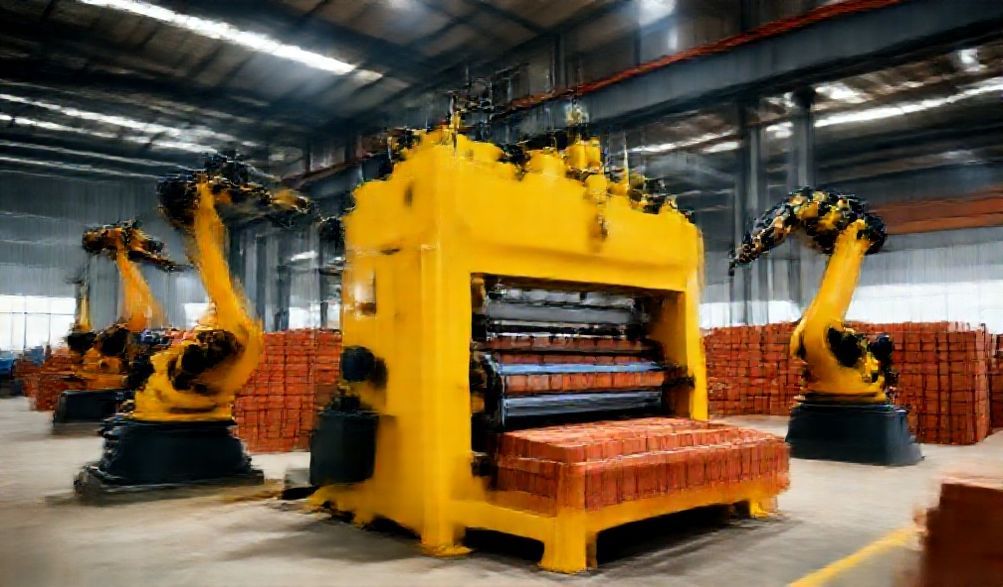
* Guhuza ibikorwa bya roboti:Ibiribwa byo mu gihe cyacu bihanga imashini zikoresha imiyoboro ikora mu buryo bwikora, abashinzwe gusakara ibikoresho n’ibikoresho bya robo, n’imitunganyirize y’ibikoresho ikoresha mudasobwa.
* Kugenga no Gukora neza:Gukoreshwa cyane bya Programmable Logic Controllers (PLCs) hamwe n’ibikoresho bya HMI bishyushye ku masoko byemerera gukoresha neza ingufu, umuvuduko w’inyigisho, n’imikurire y’ibikorwa byo gukora amatafi, bigatuma ubwiza bw’amatafi buhora busa.
* Ubwubatsi Bufite Ubushobozi Bwo Gukoresha Ingufu nezaImodoka nshya zishyiraho ingamba zo kugabanya ingufu zikoreshwa kubinyabiziga bikoresha amazi, ndetse n’ubuyobozi buboneye mu gucunga imikorere yazo, bigatuma ibiciro by’imikorere bigabanuka.
Ibyuma By'Ubwoko Bwose ku Bw'Ubikenewe
Kuva ku rwego ruto rw’ubucuruzi mu bihanga bigeze mu nzira y’amajyambere kugeza ku nzego nkuru z’ubwubatsi, hari imashini zubatswe mu Bushinwa zikwiriye gukora ibyo bishinzwe. Iyi mitunganyirizo ni impinduka ituruka mu gutegura imashini zikwiriye isoko ry’isi rifite ibisabwa bitandukanye, amafaranga y’ingengo y’imari, n’imikorere y’abakozi. Iyo mitandukanyirizo ituma dusobanukirwa neza ibyo bikenewe mu gufata ibyemezo: gusobanukirwa ubwoko bw’imashini ziboneka.
Ubwoko bw'Imashini z'ububiko bwa Brike ziturutse mu Biganga bya Chine
Ibigo bya Ubushinwa bikora imashini zitandukanye. Guhitamo ubwoko bwiza ni umwanzuro wa mbere kandi ukomeye cyane. Dore uburyo imashini zisanzwe zikorwa, zishingiye ku mazina abaguzi bashakisha.
Imashini yo Gukora Amatafari ya Hydraulic Press
Iyi mashini zikoresha ingufu nyinshi za hydrolike kugirango zishyire hamwe ibikoresho by'ibanze (beto, ivu ry'umuriro, ubutaka) mu ikirago, zikora amatafari y'umwimerere cyane kandi akomeye.
* Umutwaro:Gukandagaza bidahindagurika binyuze mu mafashanyo y’amazi.
* Ibyiza Byo Gukoresha:Ibyiza kugirango bikore amabuye y’inzitizi y’imihanda, amabuye y’imipaka, amatafari ahurijwe hamwe, n’amabuye y’ubatsi asobetse aho bakeneye ubukana buhebuje n’imikorere myiza.
* Ibyasanzwe BivuyeBivuye hagati y’umubare w’ibyatsi byo hagati (urugero: ibyatsi 5.000 mu bihe 8 by’akazi) kugeza ku mibare ihambaye y’ibikorwa by’inganda.
Imashini Zokora Ibitego bya Sima
Iyi ni itsinda rikomeye kandi rifite ubushobozi bwo gukora amabuye y’urugomero, amabuye y’imikoreshereze, n’amatafari y’ivu ry’umuriro. Akoresha cyane ubukonje n’ubukonje bwo gukora.
* Imiterere Ihamye:Imashini zikora ibikoresho byinshi zikora amabuye y’ubatswe aho zihariye, kandi ibikoresho byazo bigendeshwa mu muhanda woherezamo cyangwa mu maforkilifu. Zikunze gukoreshwa mu bigo binini by’ubwubatsi.
* Modere za Mudasobwa (Zitanga Amagi):Imashini zitonoye, zihindagurika zikora kandi zishyira amabuye mo muri rusange neza hasi. Zirakwiye kubikorwa bya gato no gukora aho ubutaka buri, bifite amafaranga make yo gutangira.
* Porogaramu:Kuva mu mabuye y’urugomero rusanzwe yo kubaka kugeza mu mabuye y’urugomero y’ubwoko bwihariye yo guhuza kugirango uhindure imiterere y’ubutaka.
Imashini yo Kubaka Amatafari y'ibumba (Extruders)
Mu gukora amatafari y'ibumba gakondo, inganda z'Abashinwa zitanga sisitemu zikomeye zo gutobora.
* UburyoIbumba rikangurirwa, rikanyagurirwa mu mwobo kugira ngo rishyiremo urushinge rw’ibumba (rwitwa “urushinge rw’ibumba”), hanyuma rukatandukanwa mu mabuye y’ibumba atandukanye n’abacanyagura b’ikoranabuhanga.
* IbiceSisitemu ikunze gushyiramo umucanga w'ibumba, umuvange, umukandagiro, umukeri, hamwe n'ibindi birambuye mu gihe runaka.
* Ibisohoka:Ishobora gucungwa kugirango ikore ibikoresho byinshi cyane bihagije kugirango bikore amabuye y’ubumba ari menshi mu nzu y’ububiko.
Automatic vs. Semi-Automatic vs. Manual Models
This comparison is crucial for aligning the machine with your budget, labor availability, and production goals.
* Byakoreshejwe mu buryo bwikora: High capital cost, minimal labor (1-2 operators), very high and consistent output. Requires stable power supply. Best for established businesses focusing on volume.
* Ibikoresho bigendeshwa n’umuntu: Moderate capital cost. Operators manually feed pallets or remove finished products, while the core molding process is automated. Offers a good balance of output and affordability.
* Manual/Small: Lowest capital cost. Labor-intensive, lower output. Ideal for micro-enterprises, community projects, or testing a market. Often uses lever or small motor-driven mechanisms.
How to Verify a Trustworthy China Brick Machine Factory
This is the heart of a successful purchase. Due diligence separates a profitable partnership from a costly mistake. This section builds the Trustworthiness and Authoritativeness of your sourcing process.
Essential Factory Credentials and Certifications
Always request and verify these documents. A professional factory will provide them readily.
* Business License (营业执照): Confirms the legal entity and registered scope of business.
* ISO 9001 Certification: Indicates the factory has a documented Quality Management System (QMS) for consistent production and customer service processes.
* CE Certification (for export to many regions): Signifies the machine meets EU health, safety, and environmental protection standards. Note: Understand the difference between a self-issued CE and one from a notified body.
* Patents: Ownership of product patents can be a sign of R&D investment and innovation.
The Critical Role of Factory Audits (Virtual & Physical)
Never skip the audit. If a physical visit isn’t feasible, a virtual audit is non-negotiable.
* Physical Audit Checklist:
* Observe active production lines—look for organization and safety.
* Inspect the quality control area for testing equipment (e.g., compression testers).
* Check raw material (steel plate, components) storage for quality.
* Ask to see the R&D or engineering department.
* Virtual Audit via Video Call:
* Schedule a live walkthrough. A refusal is a major red flag.
* Ask them to show specific areas: assembly floor, painting booth, finished goods warehouse, and their QC process in action.
* Speak directly to a senior engineer or production manager, not just a sales agent.
Analyzing Customer Reviews and Case Studies
Go beyond the testimonials on the factory’s website.
* Seek Third-Party Platforms: Look for client feedback on B2B platforms like Made-in-China.com or Alibaba.com, but read critically.
* Discern Genuine Reviews: Genuine reviews often include specific details (machine model, project location, minor issues resolved). Vague, overly glowing reviews may be fabricated.
* Demand References: Ask the sales representative for 2-3 client references in a region similar to yours (e.g., similar climate, raw materials). Contact them directly to ask about machine performance and after-sales support.
Key Selection Criteria Beyond the Price Tag
The cheapest machine is often the most expensive in the long run. Use these insider criteria to evaluate true value.
Production Capacity and Brick Specifications
Match the machine to your business plan, not the other way around.
* Output Reality-Check: A factory may state “5,000 blocks per hour.” Clarify if this is under ideal, continuous conditions. Ask for a realistic, sustainable “blocks per 8-hour shift” figure.
* Mold Customization: Your brick design defines your product. Confirm the factory can design and manufacture custom molds for your required brick size, shape, and interlocking pattern. Ask about mold steel quality and lead time.
Machine Durability and Core Components
The quality of key components dictates lifespan and uptime.
* Critical Parts to Inquire About:
* Sisitemu ya Hydraulique: Pumps, valves, and cylinders. Brands like Rexroth, Yuken, or reliable Chinese brands are positive indicators.
* Inyubako y'Umubano Should be made from thick, reinforced steel plate, not lightweight sections.
* Ibirimba: Hardened steel (e.g., Cr12MoV) is essential for longevity.
* Electrical Controls: Siemens, Schneider, or Omron components suggest a higher standard.
* Ask for a detailed component brand list in the quotation.
Energy Efficiency and Operational Costs
Calculate the Total Cost of Ownership (TCO).
* Power Rating: Compare the total kW power consumption of shortlisted models. A slightly higher-priced machine with a more efficient system can save thousands in electricity.
* Wear Parts: Understand the cost and sourcing process for common wear parts like mold liners, seal kits, and vibration motor bearings.
* Lifecycle Analysis: A robust machine running for 10+ years with standard maintenance offers far better value than a cheaper machine needing major overhauls after 3 years.
Navigating Purchase, Shipping, and After-Sales Service
Transparently addressing these logistical and support aspects builds final-stage trust and ensures a smooth project conclusion.
Understanding Incoterms and Logistics
Clarity here prevents unexpected costs and responsibilities.
* FOB (Free On Board): You pay for the machine loaded on the ship at the Chinese port. You control and pay for the main sea freight, insurance, and destination port costs. Offers more control and often lower total cost.
* CIF (Cost, Insurance, and Freight): The supplier arranges and pays for sea freight and insurance to your nearest port. It’s simpler but usually more expensive, and you relinquish control over carrier choice.
* Timeline: From order confirmation to delivery at your port, typically allow 30-60 days, accounting for production, inland transport, customs clearance, and sailing.
Payment Terms and Protecting Your Investment
Standard terms exist, but structure them to mitigate risk.
* Common Terms: Telegraphic Transfer (T/T) is most common. A typical structure is 30% deposit, 70% before shipment.
* Secure Payment Advice: For your first order or with a new supplier, negotiate a portion (e.g., 10-20%) to be paid after receiving proof of shipment (copy of Bill of Lading). This provides significant leverage.
* Letter of Credit (L/C): More secure but involves bank fees. Suitable for very large orders.
The Non-Negotiable: After-Sales Support
This is where reputable factories truly distinguish themselves. Robust after-sales support is a critical component of E-E-A-T.
* Warranty: Standard is 12 months for the machine, excluding wear parts. Clarify what is covered and the process for claiming.
* Technical Documentation: Expect detailed English manuals, electrical diagrams, and hydraulic schematics.
* Installation Guidance: Comprehensive installation manuals and video guides should be provided. Many factories offer remote video support during commissioning.
* Kuboneka kwa Bice byo Gusimbura Confirm that common spare parts are kept in stock and can be shipped via air express within days, not weeks.
* Ubufasha bwa tekiniki The factory should provide 24/7 responsive support via WhatsApp, WeChat, or email for troubleshooting.
Bibazo Byinshi Byibazwa (FAQ)
Q1: What is the average lead time for a brick making machine from China?
A: For a standard model from stock, expect 15-30 days. For a customized machine (different color, specific components, custom molds), lead time typically ranges from 30 to 60 days, depending on factory workload and customization complexity.
Q2: Can Chinese factories customize machines for my local materials?
A: Yes, most reputable factories have engineering teams that can adapt machine parameters (vibration force, pressure, moisture content) for your specific raw materials (e.g., local soil, fly ash, aggregate size). It is critical to provide them with detailed material samples and lab test reports for optimal results.
Q3: How do I handle machine installation and operator training?
A: Detailed manuals and video guides are standard. Many factories offer the optional service of sending an engineer for on-site installation and training, at an additional cost covering their flight, visa, and daily allowance. For DIY installation, having a local mechanic or electrician familiar with industrial equipment is highly recommended.
Q4: What is the minimum order quantity (MOQ) for a China brick machine factory?
A: For the machinery itself, the MOQ is usually 1 unit. However, if you are ordering custom molds or a large batch of spare parts, there may be an MOQ (e.g., 1 set for molds, 10 pieces for a specific seal). Always confirm this in writing.
Q5: How can I verify the quality before the machine ships?
A: Insist on a pre-shipment inspection and video test. You or a hired third-party inspection agent can visit the factory to witness a full production cycle under load. As a minimum, require a high-quality video showing the machine’s complete operation, cycle time, and the finished brick samples.
Ibyo byose
Sourcing a brick making machine from China is a significant investment that, when done correctly, can yield tremendous returns for your business or project. The journey involves understanding China’s manufacturing landscape, selecting the appropriate technology, and, most importantly, conducting rigorous due diligence on your chosen Ubutumwa bwo mu Bushinwa bubaka amatafari.
We’ve moved from the macro advantages of scale and innovation to the micro-details of component quality and payment terms. The thread connecting each step is the need for Expertise, Authoritativeness, and Trustworthiness—in both your approach and the supplier you select.
Your final decision should prioritize a factory that demonstrates a balanced combination of proven quality, transparent communication, and robust, long-term after-sales support. The absolute lowest price often comes with the highest hidden risk.
Call to Action: Begin your sourcing process with the checklist from this guide in hand. Approach potential suppliers with detailed, technical questions. Request audits, verify credentials, and speak to past clients. By doing so, you transform from a hopeful buyer into an informed partner, ready to secure a machine that will build your success for years to come.
<