
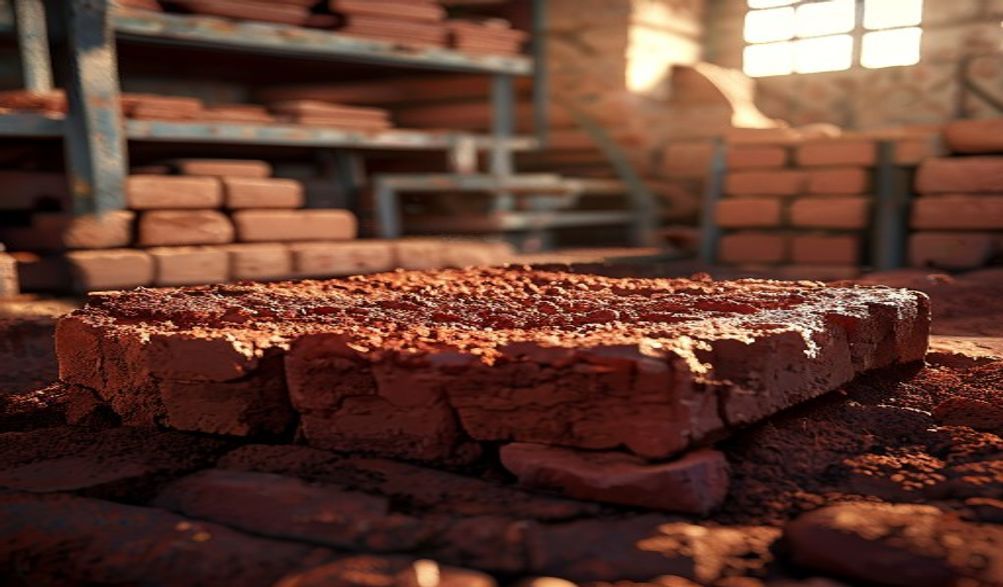
토양 벽돌 제조기 선택 방법: 건축업자와 기업가를 위한 구매자 가이드
소개
글로벌 건설 환경이 변화하고 있습니다. 지속가능성, 경제성, 내구성에 대한 강조가 커지면서 건설업자와 기업가들은 인류의 가장 오래된 건축 자재 중 하나인 흙을 재발견하고 있습니다. 현대식 압축 흙벽돌은 낮은 탄소 배출량, 뛰어난 열용량, 상당한 비용 절감이라는 매력적인 해결책을 제공합니다. 그러나 원료인 흙과 견고하고 믿을 수 있는 벽돌을 연결하는 다리는 바로 그것을 만드는 기계입니다.
잘못된 장비 선택은 프로젝트를 차질로 이끌며, 자본 낭비, 일관성 없는 벽돌 품질, 그리고 좌절스러운 지연을 초래할 수 있습니다. 소규모 자급 농장에서 상업 개발에 이르기까지 다양한 프로젝트에 대한 지속 가능한 건설 장비 분야의 10년 이상의 경험과 자문을 통해 저는 실패와 성공 사례를 직접 목격해왔습니다. 이 가이드는 그러한 실전 전문 지식을 명확하고 단계별 프레임워크로 정리합니다.
우리의 목표는 시장을 자신 있게 헤쳐나갈 수 있는 지식을 여러분께 드리는 것입니다. 우리는 판매 브로셔를 넘어 실제 성공을 결정하는 핵심 기술적, 실용적 요소들로 나아갈 것입니다. 이 가이드를 마칠 때쯤이면, 여러분은 정확한 체크리스트를 갖게 될 것입니다.토양 벽돌 제작 기계 선택 방법당신의 토양, 프로젝트, 그리고 야망에 완벽하게 부합하는 것입니다.
흙 벽돌 제작 이해하기: 종류와 공정
기계를 비교하기 전에, 그들이 무엇을 하는지와 사용 가능한 다양한 기술을 이해하는 것이 중요합니다.
토양 벽돌 제조 기계란 무엇인가요?
토양 벽돌 제조 기계의 핵심은 축축한 토양과 소량의 안정제(시멘트나 석회 등)를 혼합한 재료를 압축하여 밀도 높고 견고한 블록을 만드는 장치입니다. 이 공정은 소성 과정을 거치지 않아 에너지 효율적입니다. 기계의 주요 기능은 균일한 고압을 가해 토양 입자를 재배열하고 공극을 줄이며, 특히 안정제가 있을 경우 강력한 기계적 결합을 형성하는 데 있습니다.
기계의 주요 유형: 수동 vs. 반자동 vs. 완전 자동
여기서의 선택은 운영 규모, 인력 필요성, 예산을 근본적으로 결정합니다.
-
수동 기계:
- 그들은 어떻게 작동하나요:완전히 인력으로 작동되며, 일반적으로 레버나 유압 잭을 사용합니다.
- 장점:최소한의 선결제 비용, 전기 불필요, 간편한 유지보수, 높은 휴대성.
- 단점:매우 낮은 생산량(하루 50-200개 벽돌), 육체적으로 힘든 작업, 작업자의 피로도에 따라 품질이 달라질 수 있음.
- 최적 대상:DIY 프로젝트, 소규모 자급자족 생활, 풍부한 자원봉사 인력이 있는 지역사회 주도 이니셔티브, 그리고 프로토타입 테스트.
-
반자동 기계:
- 그들은 어떻게 작동하나요:이러한 전기 또는 디젤 동력 기계는 압축 사이클을 자동화하지만(종종 유압 시스템을 통해), 혼합물을 공급하고 완성된 벽돌을 제거하기 위해 작업자가 필요합니다.
- 장점:비용과 생산량의 좋은 균형(하루 300-800개 벽돌 생산), 균일한 압력으로 인한 일관된 벽돌 품질, 신체적 부담이 적음.
- 단점:수동 방식보다 초기 투자 비용이 높고, 전원 공급이 필요하며, 기본적인 운용 교육이 필요합니다.
- 최적 대상:지속 가능한 생산 모델을 찾는 중소기업, 주택 프로젝트, 사회적 기업.
-
완전 자동 기계:
- 그들은 어떻게 작동하나요:이것은 자동 공급, 압축 및 벽돌 배출 기능을 갖춘 완전한 생산 라인으로, 종종 컨베이어 시스템을 포함합니다.
- 장점:고용량 생산(일일 1,000개 이상의 벽돌), 극대화된 일관성, 벽돌당 최소 직접 노동력.
- 단점:상당한 자본 투자, 안정적인 3상 전력 공급 필요, 복잡한 설치 및 유지 관리, 더 많은 공간 필요.
- 최적 대상:대규모 건설 프로젝트에 공급하는 대규모 상업용 벽돌 생산 공장
토양 안정화의 역할
모든 흙이 벽돌 제작에 즉시 사용 가능한 것은 아닙니다. "안정화"가 원료 흙을 내구성 있고 날씨에 강한 건축 자재로 변환하는 핵심입니다.
- 왜 안정화해야 할까요?안정제(일반적으로 시멘트 5-10% 또는 석회 5-15%)는 토양 입자와 화학적으로 결합합니다. 이로 인해 압축 강도가 극적으로 증가하고, 비에 의한 침식이 줄어들며, 수축 균열이 최소화됩니다.
- 기계 선택에 미치는 영향필요한 안정화 수준은 토양 구성에 따라 다릅니다. 점토 함량이 높은 토양은 밀도를 달성하기 위해 더 많은 안정화와 더 높은 압력을 낼 수 있는 장비가 필요합니다. 장비는 약간 더 마모성이 있는 안정화 혼합물을 처리할 수 있을 만큼 견고해야 합니다.
구매 전 고려해야 할 핵심 요소들
이것은 솔직한 평가가 값비싼 실수를 방지하는 토대가 되는 단계입니다.
프로젝트 요구사항 평가하기
-
벽돌 생산량 및 생산 목표
- 일별 또는 주별 벽돌 필요량을 건설 일정에 맞춰 계산하세요. 현실적으로 계획하세요.
- 중요한 경기기계의 정격 용량(벽돌/시간)은 효율 손실을 고려한 여유를 두고 이 수요를 충족해야 합니다. 과대 용량의 기계는 돈을 낭비하고, 과소 용량의 기계는 프로젝트를 지연시킵니다.
-
벽돌 사양:
- 해당 지역의 표준 벽돌 크기(예: 230mm x 110mm x 75mm)를 확인하거나, 모르타르 없이 시공할 수 있는 인터로킹 형태가 필요한지 결정하세요.
- 기계의 몰드 옵션이 이를 결정합니다. 또한, 필요한압축 강도(예를 들어, 단층 건물과 3층 건물의 경우) 기계의 압력 용량에 의해 직접 결정됩니다.
토양 구성 분석하기
이것이 가장 중요하면서도 가장 자주 간과되는 단계입니다.
- Soil Testing is Non-Negotiable. A simple, inexpensive test will reveal the percentages of clay, silt, and sand.
- Ideal Mix: A “sandy-clay loam” often provides a good balance. Too much clay leads to excessive shrinkage; too much sand reduces cohesion.
- Informing Your Purchase: Your soil report tells you:
- The type and percentage of stabilizer needed.
- The minimum pressure required from your machine to properly compact your specific soil mix.
Evaluating Your Operational Context
- 전원 공급 가능성 Do you have reliable grid electricity? If not, factor in the cost of a generator capable of running a semi- or fully-automatic machine.
- Labor Skill & Availability: Who will operate and maintain it? Manual machines need muscle; automated ones need someone comfortable with basic mechanics and controls.
- Space and Setup: You need space for:
- The machine itself.
- Raw material storage (soil, stabilizer).
- A covered area for curing bricks (a critical 28-day process for cement-stabilized blocks).
Technical Specifications and Features Deep Dive
Now, let’s decode the technical details that separate a quality machine from a problematic one.
Pressure Capacity (The Key to Strength)
Pressure, measured in PSI (pounds per square inch) or MPa (Megapascals), is the engine of brick quality.
- 직접적인 상관관계: Higher pressure = denser brick = higher compressive strength and better water resistance.
- General Guidelines:
- Non-Load Bearing (e.g., infill walls): 500 – 1,000 PSI (3.5 – 7 MPa) may suffice.
- 내력벽 Look for machines capable of 1,500 PSI (10 MPa) and above. For multi-story buildings, 2,000+ PSI (14+ MPa) is often recommended.
- 전문가 팁: Ensure the stated pressure is the applied pressure during compaction, not just the hydraulic system pressure.
Machine Build Quality and Durability
This determines your machine’s lifespan and uptime.
- 프레임 구성 Look for thick, reinforced steel sections, not light-gauge metal. Welds should be clean and robust.
- 유압 시스템: The heart of the machine. Quality seals, valves, and a reliable pump are essential. Ask about the brand of key components.
- 부식 방지 Powder coating or paint should be thick and even, especially if operating in a humid or coastal environment.
Mold Versatility and Customization
The mold defines your product. Standard rectangular molds are common, but consider:
- Interlocking Molds: Allow for faster, mortar-less construction with improved wall strength.
- Custom Sizes: Can you order different molds later from the supplier? This adds long-term business flexibility.
- 재료: Molds should be made from hardened steel to withstand abrasion.
After-Sales Support: A Non-Negotiable Factor
A machine is a long-term investment. Support is your safety net.
- 보증: A minimum 1-year warranty on parts and workmanship is standard. Longer is better.
- 예비 부품 가용성: Are common wear parts (seals, mold liners) readily available? What is the lead time?
- 기술 지원 Does the supplier offer installation guidance, troubleshooting, and operator training (even if remote)?
Financial Planning and ROI Analysis
Look beyond the sticker price to the true cost and potential earnings.
Understanding the Total Cost of Ownership
| Cost Category | Details & Considerations |
| :— | :— |
| Machine Purchase | Base price of the machine. |
| Shipping & Import | Can be substantial for international orders. Clarify Incoterms (e.g., FOB, CIF). |
| Installation | May require a technician’s visit or local tradesperson. |
| Raw Materials | Cost of soil (often free), stabilizer (cement/lime), and water. |
| 노동 | Wages for operators. |
| Energy | Electricity or fuel for generators. |
| Maintenance | Annual budget for lubricants, spare parts, etc. |
Calculating Potential Return on Investment (ROI)
A simplified framework for entrepreneurs:
- Cost Per Brick: Add up all monthly operational costs (materials, labor, energy, maintenance amortization). Divide by your monthly production volume.
- Example: ($800 monthly cost) / (10,000 bricks) = $0.08 per brick.
- Market Price Per Brick: Research the local price for comparable fired clay or concrete bricks.
- Example: $0.25 per brick.
- Gross Profit Per Brick: Market Price – Your Cost.
- Example: $0.25 – $0.08 = $0.17 profit per brick.
- 회수 기간: Divide the total initial investment (machine + shipping + setup) by your monthly gross profit.
- Example: $10,000 investment / ($0.17 x 10,000 bricks/month = $1,700) = ~5.9 months.
Budgeting for Quality and Longevity
Never buy on price alone. A cheaper, lightly-built machine will have higher downtime, more frequent breakdowns, and a shorter life, making it more expensive in the long run. Invest in robust engineering.
The Supplier Selection Checklist
Your relationship with the supplier is as important as the machine itself.
Researching and Vetting Manufacturers
- 회사 연혁 How long have they been manufacturing these specific machines?
- Client Portfolio & Testimonials: Ask for case studies or contact details of past buyers, especially in a similar climate.
- 자격증: Do they have ISO or other quality management certifications? It indicates process discipline.
The Importance of Requesting a Demo or Sample
- The Gold Standard: If possible, send your stabilized soil mix to the manufacturer for a test run. Evaluate the resulting brick’s strength, finish, and dimensional consistency.
- Questions for a Demo:
- “Can you walk me through the daily maintenance routine?”
- “What are the most common wear parts and their cost?”
- “How do you handle technical support requests?”
Reviewing Contracts and Warranties
Read the fine print. The warranty should clearly state:
* Coverage period for different components.
* What is excluded (e.g., damage from improper operation, wear parts).
* Who pays for shipping defective parts.
* Response time for support queries.
자주 묻는 질문 (FAQ)
Q1: What is the best soil mix for making compressed earth bricks?
A: While a well-graded “sandy-clay loam” (approx. 70% sand/gravel, 30% clay/silt) is often cited as a good starting point, there is no universal “best” mix. The only reliable method is a professional soil test. This test will provide a precise recipe for stabilization and confirm if your local soil is suitable.
Q2: Can I make bricks without adding cement or other stabilizers?
A: For traditional Adobe bricks (sun-dried), yes. However, for modern 압축 안정화 흙 블록 designed for structural, durable construction, a stabilizer is essential. Cement or lime provides the chemical strength and weather resistance needed for load-bearing walls, especially in areas with rainfall. Machines for CSEBs are built to handle the higher pressures required.
Q3: How much does a good soil brick making machine cost?
A: Prices vary dramatically based on type and capacity:
* 수동 프레스 $1,000 – $4,000 USD.
* 반자동 기계: $5,000 – $20,000 USD.
* 완전 자동화 라인: $25,000 – $100,000+ USD.
Remember to budget for shipping, installation, and initial spare parts.
Q4: What is the typical maintenance required?
A: Daily and weekly routines are key:
* Daily: Clean the mold and machine frame of residual soil. Check hydraulic fluid levels and for any leaks.
* Weekly: Lubricate all moving parts (pivots, bearings) as per the manual. Inspect the mold for wear.
* Periodically: Change hydraulic fluid and filters as recommended. Check and tighten bolts on the frame.
Q5: Where can I get my soil tested?
A: Several accessible options exist:
* Local agricultural extension offices or co-ops.
* University departments of Civil Engineering, Geology, or Agriculture.
* Private construction materials testing laboratories.
* Some reputable machine suppliers offer testing services or can recommend labs.
결론
Choosing the right soil brick making machine is a systematic process, not a gamble. It begins with a clear understanding of your project’s scale and a non-negotiable soil test. From there, prioritize core technical specifications—especially pressure capacity and build quality—over flashy features. Develop a holistic financial plan that accounts for the total cost of ownership and a realistic ROI. Finally, partner with a reputable supplier whose after-sales support provides a foundation for your long-term success.
View this purchase not merely as buying a tool, but as investing in the foundational technology for your sustainable building venture. The right machine becomes a reliable partner for years, turning local earth into lasting value.
Ready to move forward? If you have a soil report or specific project parameters, feel free to reach out for a more tailored discussion. Share your goals or questions in the comments below—let’s build a conversation as solid as the bricks we aim to create. Mastering the process of selecting the perfect soil brick machine is your first step toward building a sustainable future.
<