
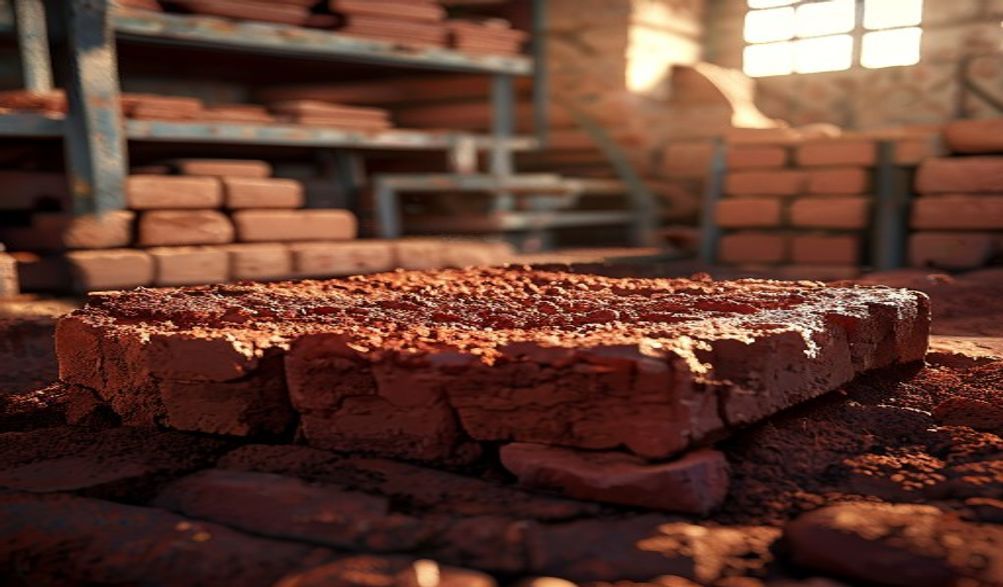
Как выбрать машину для производства грунтовых кирпичей: руководство для строителей и предпринимателей
Введение
Глобальная строительная отрасль претерпевает изменения. В условиях растущего внимания к экологичности, доступности и долговечности строители и предприниматели вновь открывают для себя один из древнейших строительных материалов человечества — землю. Современные спрессованные земляные кирпичи предлагают убедительное решение: низкую воплощённую энергию, превосходную теплоёмкость и существенную экономию средств. Однако мостом между сырым грунтом и прочным, надёжным кирпичом является машина, которая его производит.
Неправильный выбор оборудования может сорвать ваш проект, что приведет к потере капитала, нестабильному качеству кирпича и досадным задержкам. Имея более чем десятилетний опыт работы с экологичной строительной техникой и консультирования проектов — от небольших частных хозяйств до коммерческих застроек, — я видел как неудачи, так и успехи. Это руководство концентрирует полученный практический опыт в четкую пошаговую систему.
Наша цель — вооружить вас знаниями, которые позволят уверенно ориентироваться на рынке. Мы выйдем за рамки рекламных буклетов и перейдем к ключевым техническим и практическим аспектам, определяющим реальный успех. К концу этого руководства у вас будет точный чек-лист длякак выбрать машину для производства грунтовых кирпичейкоторый идеально соответствует вашей почве, вашему проекту и вашим амбициям.
Понимание производства грунтовых кирпичей: типы и процессы
Прежде чем сравнивать машины, важно понять, что они делают и какие технологии доступны.
Что такое машина для производства грунтовых кирпичей?
В своей основе машина для производства грунтовых кирпичей — это устройство, которое сжимает смесь влажного грунта с небольшим процентом стабилизатора (например, цемента или извести) в плотный, твердый блок. Процесс не требует обжига, что делает его энергоэффективным. Основная функция машины заключается в создании огромного, равномерного давления, которое перераспределяет частицы грунта, уменьшает пустоты и создает прочную механическую связь, особенно при наличии стабилизатора.
Основные типы машин: ручные, полуавтоматические и полностью автоматические
Ваш выбор здесь в корне определяет масштаб вашей деятельности, потребности в рабочей силе и бюджет.
-
Ручные станки:
- Как они работают:Работает полностью за счет человеческой силы, обычно с использованием рычага или гидравлического домкрата.
- Плюсы:Самая низкая первоначальная стоимость, не требует электричества, простое обслуживание, высокая портативность.
- Минусы:Очень низкая производительность (50–200 кирпичей в день), физически тяжёлый труд, качество может ухудшаться из-за усталости работника.
- Лучше всего подходит для:Самодельные проекты, мелкомасштабное приусадебное хозяйство, общественные инициативы с привлечением волонтёров и тестирование прототипов.
-
Полуавтоматические станки:
- Как они работают:Эти машины, работающие на электричестве или дизельном топливе, автоматизируют цикл прессования (часто с помощью гидравлической системы), но требуют участия оператора для загрузки смеси и извлечения готового кирпича.
- Плюсы:Хороший баланс между стоимостью и производительностью (300-800 кирпичей в день), стабильное качество кирпичей благодаря равномерному давлению, менее физически затратно.
- Минусы:Более высокие первоначальные вложения по сравнению с ручным способом, требует источника питания, необходимо базовое обучение работе.
- Лучше всего подходит для:Малые и средние предприятия, жилищные проекты и социальные предприятия, ищущие устойчивую модель производства.
-
Полностью автоматические машины:
- Как они работают:Это полные производственные линии с автоматической подачей, прессованием и выгрузкой кирпича, часто оснащенные конвейерными системами.
- Плюсы:Высокопроизводительный выпуск (1000+ кирпичей в день), максимальная однородность продукции, минимальные затраты ручного труда на кирпич.
- Минусы:Значительные капиталовложения, требует надежного трехфазного питания, сложная настройка и обслуживание, необходимо больше места.
- Лучше всего подходит для:Крупные коммерческие дворы по производству кирпича, поставляющие продукцию для масштабных строительных проектов.
Роль стабилизации грунта
Не всякая почва сразу готова для производства кирпичей. "Стабилизация" — это ключ к превращению сырой земли в прочный, устойчивый к погодным условиям строительный блок.
- Зачем стабилизировать?Стабилизаторы (обычно 5-10% цемента или 5-15% извести) химически связываются с частицами грунта. Это значительно увеличивает прочность на сжатие, снижает эрозию от дождя и минимизирует усадочные трещины.
- Влияние на выбор машины:Требуемый уровень стабилизации зависит от состава вашего грунта. Глинистая почва требует большей стабилизации и машины, способной создавать более высокое давление для достижения плотности. Машина должна быть достаточно прочной, чтобы справляться со слегка более абразивной стабилизированной смесью.
Основные факторы, которые стоит учесть перед покупкой
Это основной этап, на котором честная оценка помогает избежать дорогостоящих ошибок.
Оценка ваших проектных требований
-
Объем производства кирпича и производственные цели:
- Рассчитайте ежедневную или еженедельную потребность в кирпиче в зависимости от сроков строительства. Будьте реалистичны.
- Важнейший матчНоминальная производительность машины (кирпичей/час) должна соответствовать этой потребности с учетом потерь в эффективности. Покупка машины избыточной мощности ведет к неоправданным расходам, а слишком маломощной — задерживает проект.
-
Технические характеристики кирпича:
- Определите стандартный размер кирпича в вашем регионе (например, 230 мм × 110 мм × 75 мм) или, если нужны блоки с замковым соединением для кладки без раствора.
- Возможности формовочной машины определяют это. Кроме того, необходимое количествопрочность на сжатие(例如,对于单层与三层建筑而言)直接取决于机器的压力能力。
Анализ состава вашей почвы
Это самый важный и чаще всего упускаемый из виду шаг.
- Soil Testing is Non-Negotiable. A simple, inexpensive test will reveal the percentages of clay, silt, and sand.
- Ideal Mix: A “sandy-clay loam” often provides a good balance. Too much clay leads to excessive shrinkage; too much sand reduces cohesion.
- Informing Your Purchase: Your soil report tells you:
- The type and percentage of stabilizer needed.
- The minimum pressure required from your machine to properly compact your specific soil mix.
Evaluating Your Operational Context
- Наличие источника питания: Do you have reliable grid electricity? If not, factor in the cost of a generator capable of running a semi- or fully-automatic machine.
- Labor Skill & Availability: Who will operate and maintain it? Manual machines need muscle; automated ones need someone comfortable with basic mechanics and controls.
- Space and Setup: You need space for:
- The machine itself.
- Raw material storage (soil, stabilizer).
- A covered area for curing bricks (a critical 28-day process for cement-stabilized blocks).
Technical Specifications and Features Deep Dive
Now, let’s decode the technical details that separate a quality machine from a problematic one.
Pressure Capacity (The Key to Strength)
Pressure, measured in PSI (pounds per square inch) or MPa (Megapascals), is the engine of brick quality.
- The Direct Correlation: Higher pressure = denser brick = higher compressive strength and better water resistance.
- General Guidelines:
- Non-Load Bearing (e.g., infill walls): 500 – 1,000 PSI (3.5 – 7 MPa) may suffice.
- Несущие стены: Look for machines capable of 1,500 PSI (10 MPa) and above. For multi-story buildings, 2,000+ PSI (14+ MPa) is often recommended.
- Профессиональный совет: Ensure the stated pressure is the applied pressure during compaction, not just the hydraulic system pressure.
Machine Build Quality and Durability
This determines your machine’s lifespan and uptime.
- Каркасное строительство: Look for thick, reinforced steel sections, not light-gauge metal. Welds should be clean and robust.
- Гидравлическая система: The heart of the machine. Quality seals, valves, and a reliable pump are essential. Ask about the brand of key components.
- Защита от коррозии: Powder coating or paint should be thick and even, especially if operating in a humid or coastal environment.
Mold Versatility and Customization
The mold defines your product. Standard rectangular molds are common, but consider:
- Interlocking Molds: Allow for faster, mortar-less construction with improved wall strength.
- Custom Sizes: Can you order different molds later from the supplier? This adds long-term business flexibility.
- Материал: Molds should be made from hardened steel to withstand abrasion.
After-Sales Support: A Non-Negotiable Factor
A machine is a long-term investment. Support is your safety net.
- Гарантия: A minimum 1-year warranty on parts and workmanship is standard. Longer is better.
- Наличие запасных частей: Are common wear parts (seals, mold liners) readily available? What is the lead time?
- Техническая поддержка Does the supplier offer installation guidance, troubleshooting, and operator training (even if remote)?
Financial Planning and ROI Analysis
Look beyond the sticker price to the true cost and potential earnings.
Understanding the Total Cost of Ownership
| Cost Category | Details & Considerations |
| :— | :— |
| Machine Purchase | Base price of the machine. |
| Shipping & Import | Can be substantial for international orders. Clarify Incoterms (e.g., FOB, CIF). |
| Installation | May require a technician’s visit or local tradesperson. |
| Raw Materials | Cost of soil (often free), stabilizer (cement/lime), and water. |
| Labor | Wages for operators. |
| Energy | Electricity or fuel for generators. |
| Maintenance | Annual budget for lubricants, spare parts, etc. |
Calculating Potential Return on Investment (ROI)
A simplified framework for entrepreneurs:
- Cost Per Brick: Add up all monthly operational costs (materials, labor, energy, maintenance amortization). Divide by your monthly production volume.
- Example: ($800 monthly cost) / (10,000 bricks) = $0.08 per brick.
- Market Price Per Brick: Research the local price for comparable fired clay or concrete bricks.
- Example: $0.25 per brick.
- Gross Profit Per Brick: Market Price – Your Cost.
- Example: $0.25 – $0.08 = $0.17 profit per brick.
- Payback Period: Divide the total initial investment (machine + shipping + setup) by your monthly gross profit.
- Example: $10,000 investment / ($0.17 x 10,000 bricks/month = $1,700) = ~5.9 months.
Budgeting for Quality and Longevity
Never buy on price alone. A cheaper, lightly-built machine will have higher downtime, more frequent breakdowns, and a shorter life, making it more expensive in the long run. Invest in robust engineering.
The Supplier Selection Checklist
Your relationship with the supplier is as important as the machine itself.
Researching and Vetting Manufacturers
- Company History: How long have they been manufacturing these specific machines?
- Client Portfolio & Testimonials: Ask for case studies or contact details of past buyers, especially in a similar climate.
- Сертификаты: Do they have ISO or other quality management certifications? It indicates process discipline.
The Importance of Requesting a Demo or Sample
- The Gold Standard: If possible, send your stabilized soil mix to the manufacturer for a test run. Evaluate the resulting brick’s strength, finish, and dimensional consistency.
- Questions for a Demo:
- “Can you walk me through the daily maintenance routine?”
- “What are the most common wear parts and their cost?”
- “How do you handle technical support requests?”
Reviewing Contracts and Warranties
Read the fine print. The warranty should clearly state:
* Coverage period for different components.
* What is excluded (e.g., damage from improper operation, wear parts).
* Who pays for shipping defective parts.
* Response time for support queries.
Frequently Asked Questions (FAQ)
Q1: What is the best soil mix for making compressed earth bricks?
А: While a well-graded “sandy-clay loam” (approx. 70% sand/gravel, 30% clay/silt) is often cited as a good starting point, there is no universal “best” mix. The only reliable method is a professional soil test. This test will provide a precise recipe for stabilization and confirm if your local soil is suitable.
Q2: Can I make bricks without adding cement or other stabilizers?
А: For traditional Adobe bricks (sun-dried), yes. However, for modern Сжатые стабилизированные земляные блоки (ССЗБ) designed for structural, durable construction, a stabilizer is essential. Cement or lime provides the chemical strength and weather resistance needed for load-bearing walls, especially in areas with rainfall. Machines for CSEBs are built to handle the higher pressures required.
Q3: How much does a good soil brick making machine cost?
А: Prices vary dramatically based on type and capacity:
* Ручные прессы: $1,000 – $4,000 USD.
* Полуавтоматические станки: $5,000 – $20,000 USD.
* Полностью автоматизированные линии: $25,000 – $100,000+ USD.
Remember to budget for shipping, installation, and initial spare parts.
Q4: What is the typical maintenance required?
А: Daily and weekly routines are key:
* Ежедневно: Clean the mold and machine frame of residual soil. Check hydraulic fluid levels and for any leaks.
* Weekly: Lubricate all moving parts (pivots, bearings) as per the manual. Inspect the mold for wear.
* Periodically: Change hydraulic fluid and filters as recommended. Check and tighten bolts on the frame.
Q5: Where can I get my soil tested?
А: Several accessible options exist:
* Local agricultural extension offices or co-ops.
* University departments of Civil Engineering, Geology, or Agriculture.
* Private construction materials testing laboratories.
* Some reputable machine suppliers offer testing services or can recommend labs.
Заключение
Choosing the right soil brick making machine is a systematic process, not a gamble. It begins with a clear understanding of your project’s scale and a non-negotiable soil test. From there, prioritize core technical specifications—especially pressure capacity and build quality—over flashy features. Develop a holistic financial plan that accounts for the total cost of ownership and a realistic ROI. Finally, partner with a reputable supplier whose after-sales support provides a foundation for your long-term success.
View this purchase not merely as buying a tool, but as investing in the foundational technology for your sustainable building venture. The right machine becomes a reliable partner for years, turning local earth into lasting value.
Ready to move forward? If you have a soil report or specific project parameters, feel free to reach out for a more tailored discussion. Share your goals or questions in the comments below—let’s build a conversation as solid as the bricks we aim to create. Mastering the process of selecting the perfect soil brick machine is your first step toward building a sustainable future.
<