
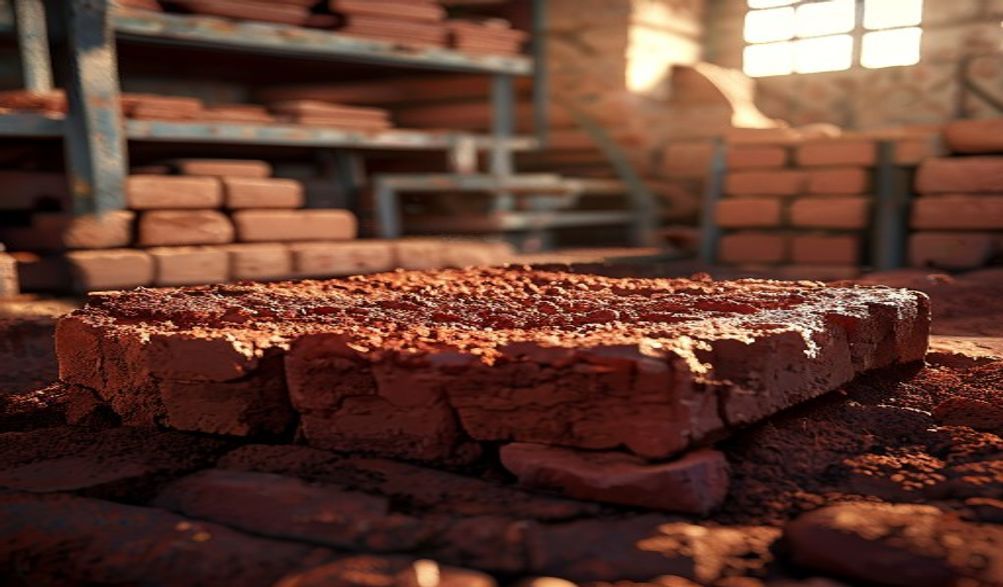
Uburyo Bwo Gutoranya Imashini yo Kubumba Amatafari y’Ubutaka: Umuyoboro ku Baguze ku Bwubatsi n’Abacuruzi
Intangamarara
Imiterere y’ubwubatsi ku isi iri guhinduka. Kubera ko hari ugushimangira kwiyongera ku bijyanye no kubungabunga ibidukikije, kuboneza ubukungu no gukomera, abubatsi n’abacuruzi barongera gusubira gusuzuma ikintu kimwe mu byakozwe mu moko y’ubwubatsi ya kera cyane mu mateka y’abantu: ubutaka. Amatafari y’ubu y’ubutaka yakozwe mu buryo bwa moderne afite ubushobozi bwo gufatanya – afite ingufu zikoreshwa nkeya, ubushobozi bwiza bwo kurinda ubushyuhe, kandi agabanya ibiciro byinshi. Nyamara, urwego hagati y’ubutaka butagikoreshwa n’amatafari akomeye kandi wizewe ni mashini ayakora.
Guhitamo ibikoresho bidakwiye birashobora kuvurumisha umushinga wawe, bigatuma amafaranga yanyazwa, ubwiza bw’amatafari budakomeza, no gutinda bigira ishavu. Hamaze imyaka irenga icumi mfite ubuhanga mu bikoresho by’ubwubatsi birambye kandi nkaba nshingikiriza abashakira inama ku bishinga bitangira mu ngo z’abaturage nto kugeza ku byo mu rwego rw’ubucuruzi. Nabanje kureba ibibazo n’amakosa n’amahirwe. Iyi rwego ishirahamwe ihamije ubuhanga bwo mu kazi mu gushyira mu bikorwa, mu buryo bwerekeye amanyamabanga, bukurikirana uburyo burambuye.
Intego yacu ni ugutanga ubumenyi bwo kumenya neza isoko, kugirango ushobore kuyitwara mu bwigunge. Tuzasimbuka ku mabwiriza y’ibicuruzwa, tugane ku ngamba nyamukuru n’ibintu bikoreshwa mu buzima bwa buri munsi, bigena imbere mu kugera ku ntsinzi. Igihe uzaba warangije uyu mwongozo, uzaba ufite urutonde rw’ibintu rusange rw’ibyo usabwa kugenzura.Uburyo bwo guhitamo mashini yo kubumba amatafari y’ubutakaibihuje neza n'ubutaka bwawe, umushinga wawe, n'ibyifuzo byawe.
Gusobanukirwa Ubwubatsi bwa Bumba bwo mu Butaka: Ubwoko n’Uburyo
Mbere yo kugereranya imashini, ni ngombwa kumenya ibyo zikora hamwe n’ubumenyi bw’ikoranabuhanga butandukanye buboneka.
Ni iki Gikoresho cyo Kubaka Amatafari y'Ubutaka?
Mu ngingo yacyo, umashini wo gukora amatafari y'ubutaka ni igikoresho gishyira mu gipimo umuvange w'ubutaka bwumye gato n'igipimo gito cy'ikimenyetso (nka sima cyangwa chaux) kugirango bikore agasanduku k'ubutaka kagufi, gasongoye. Ubu buryo ntibukoresha ubushyuhe, bigatuma butanga ingufu. Umumaro mbanzirizangendo w'umashini ni ugushyira mu gipimo ingufu nyinshi, zihoraho, bigatuma ibice by'ubutaka bihinduka, bigabanya ibyago, kandi bikagira isano ikomeye ya mekaniki, cyane cyane igihe haboneka ikimenyetso.
Ubwoko bw'ibikoresho: By'amaboko vs. Igikoresho gikora gato vs. Igikoresho gikora cyuzuye
Icyatoranyije hano ni cyo cyigenga ubunini bwa serivisi yawe, ibyifuzo by’abakozi, n’umutungo.
-
Imashini z'ibikorwa by'amaboko:
- Uko bikora:Ikoreshwa n’imbaraga z’umuntu gusa, akenshi ikoresheje umukandara cyangwa jakiyi y’amazi.
- Inziza:Gahunda yo gutangira nke cyane, nta bureme bukenewe, kubungabunga byoroshye, kandi ikwirakwira cyane.
- Ibibi:Ibikorwa bike cyane (50-200 amatafari ku munsi), bisaba imbaraga nyinshi, ubwiza bushobza gutandukana bitewe n’ukunanirwa kw’abakora.
- Byiza kuri:Gahunda z'ibikorwa by'abakora ubwabo, guhinga mu buhinzi buto, gahunda z'umuryango zikoresheje umusanzu w'abashyigikiye, no kugenzura ibigize ibishushanyo.
-
Imitungo Imigendeshwa n'ikiremwamuntu:
- Uko bikora:Iyi mashi zikoresha amashanyarazi cyangwa dizeri zikora umurongo wo gushishagura (kenshi binyuze mu sisitemu ya hydrolike) ariko zikeneye umukozi wo gutanga umubumbe no gukuramo amatafari yarangiye.
- Inziza:Ibyiza by’amafaranga n’umusaruro (300-800 amatafari ku munsi), ubwiza buhuje bw’amatafari bitewe n’umuvuduko umwe, kandi bishoboka gukorwa n’abantu bafite ubushobozi buke.
- Ibibi:Gutangira amafaranga menshi kuruta uburyo bwa maboko, bisaba imbaraga z'amashanyarazi, bisaba amahugurwa yo gukoresha.
- Byiza kuri:Ubucuruzi buto na bwo hagati, porogize z’amazu, n’ibigo by’ubucuruzi binyuze mu muryango byifuza uburyo bwo gukora buzahoraho.
-
Imashini Zikora Byikoresho Zishobora Kwikorera Ubwabyo.
- Uko bikora:Aya ni imirongo ikora yuzuye hamwe no gutanga ibiribwa mu buryo bwikora, gukanya, no gusohora amatafari, akenshi hamwe n'imitunganyirize y'abanyamabuga.
- Inziza:Ibikoresho byinshi (1,000+ amatafari ku munsi), uburinganire bukomeye, akazi gato gahari kuri buri tafari.
- Ibibi:Gutanga amafaranga menshi, bisaba ingufu zikomeye z'amashanyarazi atatu, gushyiraho no kubungabunga bigoye, bisaba aho bihari byinshi.
- Byiza kuri:Amashuri makuru y’ubucuruzi bw’amatafari aboneka mu bikorwa by’ubwubatsi byo mu rwego ruhambaye.
Uruhare rwo Gukomeza Ubutaka
Ntabwo ubutaka bwose buba bwashoboye gukoreshwa mu gikorwa cyo gukora amatafari ahita bitegura. "Kugira imbaraga" ni cyo cyumweru cyo guhindura ubutaka bw'isangi mu kintu gikomeye kandi cyihanganira imihindagurikire y'ikirere.
- Kuki Gukomeza Gahoraho?Imikorere ishimangira (ubusanzwe 5-10% ya sima cyangwa 5-15% ya lime) ihurira n’ibice by’ubutaka. Ibi byongera cyane ubushobozi bwo gukiranuka, bigabanya isuri ituruka ku mvura, kandi bigabanya imirire ituruka ku gabanuka.
- Ingaruka ku Gutoranya ImashiniUrwego rukenewe rwo gukomeza ubusugire buterwa n’ubwoko bw’ubutaka bwawe. Ubutaka bufite ibumba nyinshi bukena ubusugire bwinshi ndetse n’imashini ishobora gukora umuvuduko munini kugira ngo ibone uburemere. Imashini igomba kuba ikomeye bihagije kugira ngo ihangane n’imvange isuguye igira urushya runini.
Ibyo Ukwiriya Gushingiraho Mbere Yo Kugura
Iyi ni intambwe y’ibanze aho isuzuma nyakuri irinda amakosa y’agaciro.
Kugenzura Ibyo Umushinga Wawe Ukenera
-
Ibyavuye mu Birika & Ibyerekanwe by'Umusaruro
- Bara ibikoresho bya amatafari bya buri munsi cyangwa buri cyumweru bitewe n'igihe cyawe cyo kubaka. Biba by'ukuri.
- Umutwe w'Intambara:Igikoresho cya mashini gikoreshwa mu gukora amatafari (amatafari/amasaha) kigomba guhura n’ibyo bisabwa, kandi kigomba kugira ubushobozi bwo kongera umusaruro nubwo haba n’ibibazo by’ubushobozi butagukora neza. Kugura mashini ikora amatafari menshi kuruta ibyo ushaka bishobora gutuma urimbura amafaranga; naho kugura iyo itagukora amenshi bishobora gutuma umushinga wawe wakwirakwira.
-
Ibisobanuro by'ibikoresho by'amatofari:
- Shaka ubunini bw'amatafari mu gihugu cyawe (urugero: 230mm x 110mm x 75mm) cyangwa niba ukenera amashusho y'ibyuma by'ubumwe kugirango ubake utakoreshe sima.
- Ibyifuzo bya machine ni byo bishyiraho ibi. Ndetse n’ibikeneweubushobozi bwo guhaniranya umuhenda(urugero, ku nzu ifite ubuso umwe n’izifite ubuso butatu) bigena neza ku bushobozi bw’inyandiko y’umashini.
Analyzing Your Soil Composition
This is the most critical, and most often overlooked, step.
- Soil Testing is Non-Negotiable. A simple, inexpensive test will reveal the percentages of clay, silt, and sand.
- Ideal Mix: A “sandy-clay loam” often provides a good balance. Too much clay leads to excessive shrinkage; too much sand reduces cohesion.
- Informing Your Purchase: Your soil report tells you:
- The type and percentage of stabilizer needed.
- The minimum pressure required from your machine to properly compact your specific soil mix.
Evaluating Your Operational Context
- Power Source Availability: Do you have reliable grid electricity? If not, factor in the cost of a generator capable of running a semi- or fully-automatic machine.
- Labor Skill & Availability: Who will operate and maintain it? Manual machines need muscle; automated ones need someone comfortable with basic mechanics and controls.
- Space and Setup: You need space for:
- The machine itself.
- Raw material storage (soil, stabilizer).
- A covered area for curing bricks (a critical 28-day process for cement-stabilized blocks).
Technical Specifications and Features Deep Dive
Now, let’s decode the technical details that separate a quality machine from a problematic one.
Pressure Capacity (The Key to Strength)
Pressure, measured in PSI (pounds per square inch) or MPa (Megapascals), is the engine of brick quality.
- The Direct Correlation: Higher pressure = denser brick = higher compressive strength and better water resistance.
- General Guidelines:
- Non-Load Bearing (e.g., infill walls): 500 – 1,000 PSI (3.5 – 7 MPa) may suffice.
- Gufata Imirimo ya Kuri Imirongo. Look for machines capable of 1,500 PSI (10 MPa) and above. For multi-story buildings, 2,000+ PSI (14+ MPa) is often recommended.
- Inshingano Iboneye: Ensure the stated pressure is the applied pressure during compaction, not just the hydraulic system pressure.
Machine Build Quality and Durability
This determines your machine’s lifespan and uptime.
- Ubwubatsi bw'ibiti Look for thick, reinforced steel sections, not light-gauge metal. Welds should be clean and robust.
- Sisitemu ya Hydraulique: The heart of the machine. Quality seals, valves, and a reliable pump are essential. Ask about the brand of key components.
- Kurinda Ibikoresho Bikoreshwa: Powder coating or paint should be thick and even, especially if operating in a humid or coastal environment.
Mold Versatility and Customization
The mold defines your product. Standard rectangular molds are common, but consider:
- Interlocking Molds: Allow for faster, mortar-less construction with improved wall strength.
- Custom Sizes: Can you order different molds later from the supplier? This adds long-term business flexibility.
- Ibikoresho: Molds should be made from hardened steel to withstand abrasion.
After-Sales Support: A Non-Negotiable Factor
A machine is a long-term investment. Support is your safety net.
- Warranty: A minimum 1-year warranty on parts and workmanship is standard. Longer is better.
- Kuboneka kwa Bice byo Gusimbura Are common wear parts (seals, mold liners) readily available? What is the lead time?
- Ubufasha bwa tekiniki Does the supplier offer installation guidance, troubleshooting, and operator training (even if remote)?
Financial Planning and ROI Analysis
Look beyond the sticker price to the true cost and potential earnings.
Understanding the Total Cost of Ownership
| Cost Category | Details & Considerations |
| :— | :— |
| Machine Purchase | Base price of the machine. |
| Shipping & Import | Can be substantial for international orders. Clarify Incoterms (e.g., FOB, CIF). |
| Installation | May require a technician’s visit or local tradesperson. |
| Raw Materials | Cost of soil (often free), stabilizer (cement/lime), and water. |
| Labor | Wages for operators. |
| Energy | Electricity or fuel for generators. |
| Maintenance | Annual budget for lubricants, spare parts, etc. |
Calculating Potential Return on Investment (ROI)
A simplified framework for entrepreneurs:
- Cost Per Brick: Add up all monthly operational costs (materials, labor, energy, maintenance amortization). Divide by your monthly production volume.
- Example: ($800 monthly cost) / (10,000 bricks) = $0.08 per brick.
- Market Price Per Brick: Research the local price for comparable fired clay or concrete bricks.
- Example: $0.25 per brick.
- Gross Profit Per Brick: Market Price – Your Cost.
- Example: $0.25 – $0.08 = $0.17 profit per brick.
- Payback Period: Divide the total initial investment (machine + shipping + setup) by your monthly gross profit.
- Example: $10,000 investment / ($0.17 x 10,000 bricks/month = $1,700) = ~5.9 months.
Budgeting for Quality and Longevity
Never buy on price alone. A cheaper, lightly-built machine will have higher downtime, more frequent breakdowns, and a shorter life, making it more expensive in the long run. Invest in robust engineering.
The Supplier Selection Checklist
Your relationship with the supplier is as important as the machine itself.
Researching and Vetting Manufacturers
- Company History: How long have they been manufacturing these specific machines?
- Client Portfolio & Testimonials: Ask for case studies or contact details of past buyers, especially in a similar climate.
- Ibyemezo: Do they have ISO or other quality management certifications? It indicates process discipline.
The Importance of Requesting a Demo or Sample
- The Gold Standard: If possible, send your stabilized soil mix to the manufacturer for a test run. Evaluate the resulting brick’s strength, finish, and dimensional consistency.
- Questions for a Demo:
- “Can you walk me through the daily maintenance routine?”
- “What are the most common wear parts and their cost?”
- “How do you handle technical support requests?”
Reviewing Contracts and Warranties
Read the fine print. The warranty should clearly state:
* Coverage period for different components.
* What is excluded (e.g., damage from improper operation, wear parts).
* Who pays for shipping defective parts.
* Response time for support queries.
Bibazo Byinshi Byibazwa (FAQ)
Q1: What is the best soil mix for making compressed earth bricks?
A: While a well-graded “sandy-clay loam” (approx. 70% sand/gravel, 30% clay/silt) is often cited as a good starting point, there is no universal “best” mix. The only reliable method is a professional soil test. This test will provide a precise recipe for stabilization and confirm if your local soil is suitable.
Q2: Can I make bricks without adding cement or other stabilizers?
A: For traditional Adobe bricks (sun-dried), yes. However, for modern Amabuye y'ubutaka yakuwe mu butaka y'umushinga w'ubutaka (CSEBs) designed for structural, durable construction, a stabilizer is essential. Cement or lime provides the chemical strength and weather resistance needed for load-bearing walls, especially in areas with rainfall. Machines for CSEBs are built to handle the higher pressures required.
Q3: How much does a good soil brick making machine cost?
A: Prices vary dramatically based on type and capacity:
* Imashini z’ibikoresho by’amaboko: $1,000 – $4,000 USD.
* Imitungo Imigendeshwa n'ikiremwamuntu: $5,000 – $20,000 USD.
* Imirongo yikora byimazeyo: $25,000 – $100,000+ USD.
Remember to budget for shipping, installation, and initial spare parts.
Q4: What is the typical maintenance required?
A: Daily and weekly routines are key:
* Buri munsi: Clean the mold and machine frame of residual soil. Check hydraulic fluid levels and for any leaks.
* Buri cyumweru: Lubricate all moving parts (pivots, bearings) as per the manual. Inspect the mold for wear.
* Periodically: Change hydraulic fluid and filters as recommended. Check and tighten bolts on the frame.
Q5: Where can I get my soil tested?
A: Several accessible options exist:
* Local agricultural extension offices or co-ops.
* University departments of Civil Engineering, Geology, or Agriculture.
* Private construction materials testing laboratories.
* Some reputable machine suppliers offer testing services or can recommend labs.
Ibyo byose
Choosing the right soil brick making machine is a systematic process, not a gamble. It begins with a clear understanding of your project’s scale and a non-negotiable soil test. From there, prioritize core technical specifications—especially pressure capacity and build quality—over flashy features. Develop a holistic financial plan that accounts for the total cost of ownership and a realistic ROI. Finally, partner with a reputable supplier whose after-sales support provides a foundation for your long-term success.
View this purchase not merely as buying a tool, but as investing in the foundational technology for your sustainable building venture. The right machine becomes a reliable partner for years, turning local earth into lasting value.
Ready to move forward? If you have a soil report or specific project parameters, feel free to reach out for a more tailored discussion. Share your goals or questions in the comments below—let’s build a conversation as solid as the bricks we aim to create. Mastering the process of selecting the perfect soil brick machine is your first step toward building a sustainable future.
<