
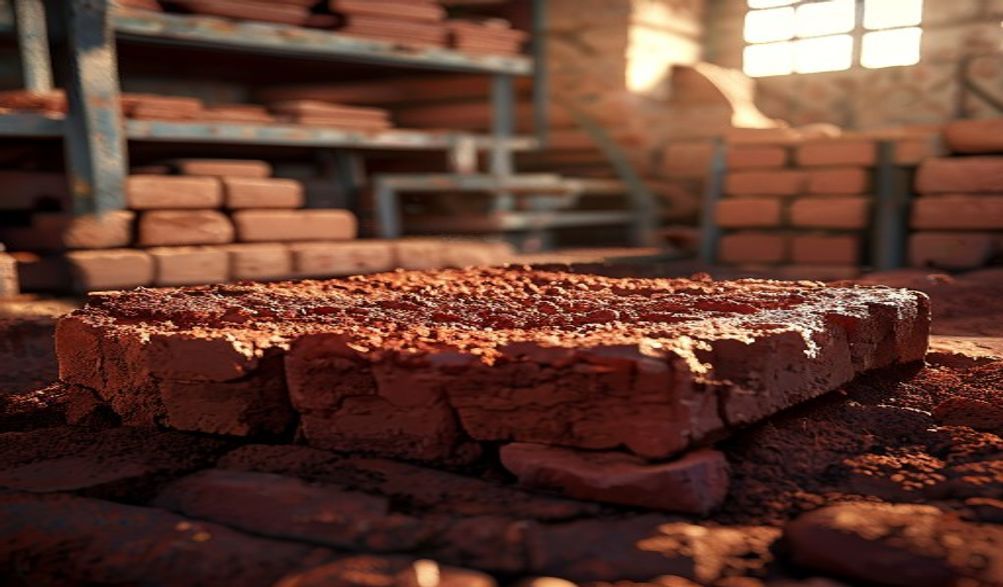
Як вибрати машину для виробництва ґрунтової цегли: Посібник покупця для будівельників та підприємців
Вступ
Глобальний ландшафт будівництва змінюється. Зі зростаючим акцентом на сталість, доступність та довговічність, будівельники та підприємці знову відкривають для себе один із найдавніших будівельних матеріалів людства — землю. Сучасні пресовані земляні цеглини пропонують переконливе рішення: низьку енергоємність, чудову теплоємність та значну економію коштів. Однак міст між сирою землею та міцною, надійною цеглиною — це машина, яка її виробляє.
Неправильний вибір обладнання може зірвати ваш проект, призводячи до марно витрачених коштів, неякісної цегли та розчаровуючих затримок. Маючи понад десятирічний досвід у сфері екологічно стійкої будівельної техніки та консультування проектів — від невеликих господарств до комерційних об’єктів — я бачив як провали, так і успіхи. Цей посібник концентрує цей практичний досвід у чітку покрокову систему.
Наша мета — надати вам знання, щоб ви впевнено орієнтувалися на ринку. Ми вийдемо за межі рекламних буклетів і розглянемо ключові технічні та практичні фактори, які визначають успіх у реальних умовах. До кінця цього посібника у вас буде чіткий контрольний список дляяк вибрати машину для виробництва ґрунтової цеглияка ідеально відповідає вашому ґрунту, вашому проекту та вашим амбіціям.
Розуміння виробництва ґрунтової цегли: Типи та процеси
Перш ніж порівнювати машини, важливо зрозуміти, що вони роблять і які різні технології доступні.
Що таке машина для виготовлення ґрунтової цегли?
В основі своїй, машина для виробництва ґрунтових цеглин — це пристрій, який стискає суміш вологої землі з невеликим відсотком стабілізатора (наприклад, цементу чи вапна) у щільний, твердий блок. Процес не використовує випалювання, що робить його енергоефективним. Основна функція машини полягає у застосуванні величезного, рівномірного тиску, який перерозподіляє частинки ґрунту, зменшує порожнечі та створює міцний механічний зв'язок, особливо за наявності стабілізатора.
Основні типи машин: ручні, напівавтоматичні та повністю автоматичні
Ваш вибір тут кардинально впливає на масштаб операції, потреби в робочій силі та бюджет.
-
Ручні верстати:
- Як вони працюють:Працює повністю за рахунок людської сили, зазвичай з використанням важеля або гідравлічного домкрата.
- Переваги:Найнижча початкова вартість, не потрібна електроенергія, просте обслуговування, висока портативність.
- Недоліки:Дуже низька продуктивність (50-200 цеглин на день), фізично виснажлива робота, якість може змінюватися через втому оператора.
- Найкраще для:Своїми руками проекти, дрібне присадибне господарство, громадські ініціативи з достатньою кількістю волонтерської праці та тестування прототипів.
-
Напівавтоматичні верстати:
- Як вони працюють:Ці електричні або дизельні машини автоматизують цикл пресування (часто через гідравлічну систему), але потребують оператора для завантаження суміші та вилучення готової цегли.
- Переваги:Хороший баланс між вартістю та продуктивністю (300-800 цеглин на день), стабільна якість цегли завдяки рівномірному тиску, менш фізично навантажлива.
- Недоліки:Вища початкова інвестиція порівняно з ручним методом, потребує джерела живлення, необхідно базове навчання з експлуатації.
- Найкраще для:Малі та середні підприємства, житлові проекти та соціальні підприємства, які шукають стійку модель виробництва.
-
Повністю автоматичні машини:
- Як вони працюють:Це повні виробничі лінії з автоматизованим завантаженням, пресуванням та виштовхуванням цегли, часто обладнані конвеєрними системами.
- Переваги:Високий обсяг виробництва (понад 1000 цеглин на день), максимальна стабільність, мінімальні витрати ручної праці на одну цеглину.
- Недоліки:Значні капітальні інвестиції, потребує надійного трифазного живлення, складна налаштування та обслуговування, потребує більше простору.
- Найкраще для:Великомасштабні комерційні цегельні виробничі майданчики, що постачають продукцію для великих будівельних проектів.
Роль стабілізації ґрунту
Не всякий ґрунт одразу готовий до виробництва цегли. «Стабілізація» — ключ до перетворення сирої землі на міцний, стійкий до погодних умов будівельний блок.
- Чому стабілізувати?Стабілізатори (зазвичай 5–10% цементу або 5–15% вапна) хімічно зв’язуються з частинками ґрунту. Це значно підвищує міцність на стиск, зменшує ерозію від дощу та мінімізує усадкові тріщини.
- Вплив на вибір машини:Необхідний рівень стабілізації залежить від складу ґрунту. Ґрунт із високим вмістом глини потребує більшої стабілізації та машини, здатної створювати вищий тиск для досягнення щільності. Машина має бути достатньо міцною, щоб витримувати дещо більш абразивну стабілізовану суміш.
Основні фактори, які слід врахувати перед покупкою
Це основний крок, де чесна оцінка запобігає дорогим помилкам.
Оцінка вимог вашого проекту
-
Виробництво цегли та виробничі цілі:
- Calculate your daily or weekly brick requirement based on your construction timeline. Be realistic.
- Crucial Match: A machine’s rated capacity (bricks/hour) must meet this need with room for efficiency loss. Buying an oversized machine wastes money; an undersized one delays your project.
-
Специфікації цегли:
- Determine the standard brick size in your region (e.g., 230mm x 110mm x 75mm) or if you need interlocking shapes for mortar-less construction.
- The machine’s mold options dictate this. Also, the required міцність на стиск (e.g., for a single-story vs. a three-story building) is directly determined by the machine’s pressure capacity.
Аналіз складу вашого ґрунту
This is the most critical, and most often overlooked, step.
- Soil Testing is Non-Negotiable. A simple, inexpensive test will reveal the percentages of clay, silt, and sand.
- Ideal Mix: A “sandy-clay loam” often provides a good balance. Too much clay leads to excessive shrinkage; too much sand reduces cohesion.
- Informing Your Purchase: Your soil report tells you:
- The type and percentage of stabilizer needed.
- The minimum pressure required from your machine to properly compact your specific soil mix.
Evaluating Your Operational Context
- Power Source Availability: Do you have reliable grid electricity? If not, factor in the cost of a generator capable of running a semi- or fully-automatic machine.
- Labor Skill & Availability: Who will operate and maintain it? Manual machines need muscle; automated ones need someone comfortable with basic mechanics and controls.
- Space and Setup: You need space for:
- The machine itself.
- Raw material storage (soil, stabilizer).
- A covered area for curing bricks (a critical 28-day process for cement-stabilized blocks).
Technical Specifications and Features Deep Dive
Now, let’s decode the technical details that separate a quality machine from a problematic one.
Pressure Capacity (The Key to Strength)
Pressure, measured in PSI (pounds per square inch) or MPa (Megapascals), is the engine of brick quality.
- The Direct Correlation: Higher pressure = denser brick = higher compressive strength and better water resistance.
- General Guidelines:
- Non-Load Bearing (e.g., infill walls): 500 – 1,000 PSI (3.5 – 7 MPa) may suffice.
- Несучі стіни: Look for machines capable of 1,500 PSI (10 MPa) and above. For multi-story buildings, 2,000+ PSI (14+ MPa) is often recommended.
- Професійна порада: Ensure the stated pressure is the applied pressure during compaction, not just the hydraulic system pressure.
Machine Build Quality and Durability
This determines your machine’s lifespan and uptime.
- Конструкція рами: Look for thick, reinforced steel sections, not light-gauge metal. Welds should be clean and robust.
- Гідравлічна система: The heart of the machine. Quality seals, valves, and a reliable pump are essential. Ask about the brand of key components.
- Захист від корозії: Powder coating or paint should be thick and even, especially if operating in a humid or coastal environment.
Mold Versatility and Customization
The mold defines your product. Standard rectangular molds are common, but consider:
- Interlocking Molds: Allow for faster, mortar-less construction with improved wall strength.
- Custom Sizes: Can you order different molds later from the supplier? This adds long-term business flexibility.
- Матеріал: Molds should be made from hardened steel to withstand abrasion.
After-Sales Support: A Non-Negotiable Factor
A machine is a long-term investment. Support is your safety net.
- Warranty: A minimum 1-year warranty on parts and workmanship is standard. Longer is better.
- Наявність запчастин: Are common wear parts (seals, mold liners) readily available? What is the lead time?
- Технічна підтримка: Does the supplier offer installation guidance, troubleshooting, and operator training (even if remote)?
Financial Planning and ROI Analysis
Look beyond the sticker price to the true cost and potential earnings.
Understanding the Total Cost of Ownership
| Cost Category | Details & Considerations |
| :— | :— |
| Machine Purchase | Base price of the machine. |
| Shipping & Import | Can be substantial for international orders. Clarify Incoterms (e.g., FOB, CIF). |
| Installation | May require a technician’s visit or local tradesperson. |
| Raw Materials | Cost of soil (often free), stabilizer (cement/lime), and water. |
| Labor | Wages for operators. |
| Energy | Electricity or fuel for generators. |
| Maintenance | Annual budget for lubricants, spare parts, etc. |
Calculating Potential Return on Investment (ROI)
A simplified framework for entrepreneurs:
- Cost Per Brick: Add up all monthly operational costs (materials, labor, energy, maintenance amortization). Divide by your monthly production volume.
- Example: ($800 monthly cost) / (10,000 bricks) = $0.08 per brick.
- Market Price Per Brick: Research the local price for comparable fired clay or concrete bricks.
- Example: $0.25 per brick.
- Gross Profit Per Brick: Market Price – Your Cost.
- Example: $0.25 – $0.08 = $0.17 profit per brick.
- Payback Period: Divide the total initial investment (machine + shipping + setup) by your monthly gross profit.
- Example: $10,000 investment / ($0.17 x 10,000 bricks/month = $1,700) = ~5.9 months.
Budgeting for Quality and Longevity
Never buy on price alone. A cheaper, lightly-built machine will have higher downtime, more frequent breakdowns, and a shorter life, making it more expensive in the long run. Invest in robust engineering.
The Supplier Selection Checklist
Your relationship with the supplier is as important as the machine itself.
Researching and Vetting Manufacturers
- Company History: How long have they been manufacturing these specific machines?
- Client Portfolio & Testimonials: Ask for case studies or contact details of past buyers, especially in a similar climate.
- Сертифікати: Do they have ISO or other quality management certifications? It indicates process discipline.
The Importance of Requesting a Demo or Sample
- The Gold Standard: If possible, send your stabilized soil mix to the manufacturer for a test run. Evaluate the resulting brick’s strength, finish, and dimensional consistency.
- Questions for a Demo:
- “Can you walk me through the daily maintenance routine?”
- “What are the most common wear parts and their cost?”
- “How do you handle technical support requests?”
Reviewing Contracts and Warranties
Read the fine print. The warranty should clearly state:
* Coverage period for different components.
* What is excluded (e.g., damage from improper operation, wear parts).
* Who pays for shipping defective parts.
* Response time for support queries.
Часті питання (FAQ)
Q1: What is the best soil mix for making compressed earth bricks?
А: While a well-graded “sandy-clay loam” (approx. 70% sand/gravel, 30% clay/silt) is often cited as a good starting point, there is no universal “best” mix. The only reliable method is a professional soil test. This test will provide a precise recipe for stabilization and confirm if your local soil is suitable.
Q2: Can I make bricks without adding cement or other stabilizers?
А: For traditional Adobe bricks (sun-dried), yes. However, for modern Стиснуті стабілізовані ґрунтові блоки (ССҐБ) designed for structural, durable construction, a stabilizer is essential. Cement or lime provides the chemical strength and weather resistance needed for load-bearing walls, especially in areas with rainfall. Machines for CSEBs are built to handle the higher pressures required.
Q3: How much does a good soil brick making machine cost?
А: Prices vary dramatically based on type and capacity:
* Ручні преси: $1,000 – $4,000 USD.
* Напівавтоматичні верстати: $5,000 – $20,000 USD.
* Повністю автоматичні лінії: $25,000 – $100,000+ USD.
Remember to budget for shipping, installation, and initial spare parts.
Q4: What is the typical maintenance required?
А: Daily and weekly routines are key:
* Daily: Clean the mold and machine frame of residual soil. Check hydraulic fluid levels and for any leaks.
* Weekly: Lubricate all moving parts (pivots, bearings) as per the manual. Inspect the mold for wear.
* Periodically: Change hydraulic fluid and filters as recommended. Check and tighten bolts on the frame.
Q5: Where can I get my soil tested?
А: Several accessible options exist:
* Local agricultural extension offices or co-ops.
* University departments of Civil Engineering, Geology, or Agriculture.
* Private construction materials testing laboratories.
* Some reputable machine suppliers offer testing services or can recommend labs.
Висновок
Choosing the right soil brick making machine is a systematic process, not a gamble. It begins with a clear understanding of your project’s scale and a non-negotiable soil test. From there, prioritize core technical specifications—especially pressure capacity and build quality—over flashy features. Develop a holistic financial plan that accounts for the total cost of ownership and a realistic ROI. Finally, partner with a reputable supplier whose after-sales support provides a foundation for your long-term success.
View this purchase not merely as buying a tool, but as investing in the foundational technology for your sustainable building venture. The right machine becomes a reliable partner for years, turning local earth into lasting value.
Ready to move forward? If you have a soil report or specific project parameters, feel free to reach out for a more tailored discussion. Share your goals or questions in the comments below—let’s build a conversation as solid as the bricks we aim to create. Mastering the process of selecting the perfect soil brick machine is your first step toward building a sustainable future.
<