
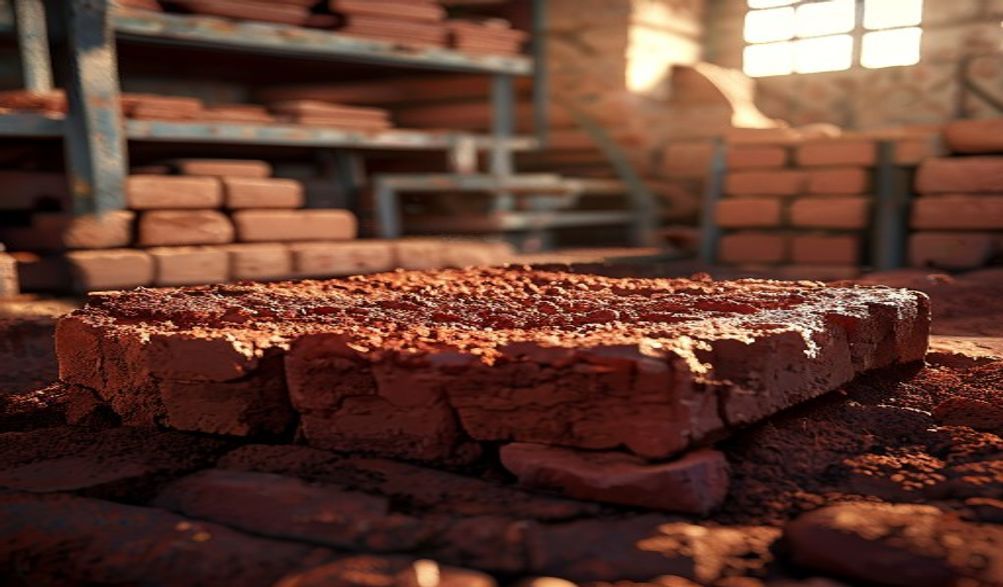
Quomodo Eligere Machinam Laterum Terrae Faciendorum: Ductor Emptoribus Aedificatoribus et Negotiatoribus
Introductio
Orbis aedificiorum habitus mutatur. Cum sustentabilitas, parsimonia, firmitasque magis magisque valent, aedificatores et inceptores materiam aedificandi antiquissimam hominum denuo inveniunt: terram. Lateres moderni e terra compressa rationem validam praebent—impensam energiae infimam, vim thermicam praestantem, sumptusque notabiliter minores. Sed pons inter solum rudem et laterem robustum ac fidelem machina est quae eum efficit.
Electio instrumentorum inepta consilium vestrum subvertere potest, quod ad perditum capitale, laterum qualitatem inconstantem, morasque molestas ducit. Cum plus decennii experientia in machinis aedificiorum sustentandis et consilio in consiliis a parvis sedibus ad commercii progressiones, et offensiones et prosperitates vidi. Hoc ductorium illam practicam peritiam in clarum, gradatim ordinatum compendium redigit.
Propositum nostrum est te scientia instruere ut mercatum cum fiducia percurras. A libellis venditionum ad nucleum factorum technicorum et utilium progrediemur, quae verum in mundo successum definiunt. Hoc duce expleto, tibi erit index rerum faciendarum exactus ad—Quomodo machinam latericuli ex terra faciendam eligerequod cum solo tuo, proposito, ambitionibusque optime congruat.
Intellectus Lateris e Solo: Genera et Processus
Antequam machinas compares, operae pretium est intellegere quid faciant et quae variae technologiae praesto sint.
Quid est machina laterum e solo faciendorum?
In ipsa eius essentia, machina laterum e terra conficiendorum est instrumentum quod mixturam humidae terrae et parvae partis stabilientis (ut caementi vel calcis) in densum solidumque laterem comprimit. Hoc processu ignis non adhibetur, quod efficit ut energiae parcatur. Praecipua machinae functio est ingentem constantemque pressionem adhibere, quae particulas terrae ordinat, inania minuit, et validum vinculum mechanicum creat, praesertim cum stabilitor adest.
Genera Clavium Machinarum: Manuales contra Semi-Automaticae contra Plene Automaticae
Electio tua hic fundamento modo tuae operationis, laboris necessitatibus, et sumptui formam dat.
-
Machina Manualia:
- Quomodo operantur:Tota vi humana acta, plerumque vecte aut cista hydraulica utens.
- Pros:Minima sumptu initio, nullo opus electrico, simplex cura, maxime portabilis.
- Incommodis:Exiguissima productio (L-D per diem), labor corporis gravis, qualitas variat cum lassitudine operantis.
- Optimum ad:Opera domestica, parva agricultura, incepta communia cum copioso voluntariorum labore, et prototypa probanda.
-
Semiautomaticae Machinae:
- Quomodo operantur:Haec machinae electricae vel diesel motae compressionis cyclum (saepe per systema hydraulicum) automant, sed operatorem requirunt ut mixturam alant et laterem confectum removeant.
- Pros:Bonus pretii et operis aequilibrium (CCC-DCCC lateres per diem), qualitas laterum constans ob pressionem uniformem, minus laboris corporis.
- Incommodis:Maior collocatio initialis quam manualis, fontem potentiae requirit, institutionem operandi fundamentalem necessitat.
- Optimum ad:Parva ad media negotia, domicilia incepta, et societates sociales quae exemplar productionis sustinendi quaerunt.
-
Machinamenta Plena Automata:
- Quomodo operantur:Hae sunt lineae productionis plenae cum alimentatione automatizata, compressione, et ejectione laterum, saepe cum systematis transportatoris.
- Pros:Magna productio (1,000+ lateres per diem), summa constantia, minima opera directa per laterem.
- Incommodis:Magnum capitale collocatio, fidem electricitatis trium phasium requirit, complexa constitutio et curatio, plus spatii necessitas.
- Optimum ad:Magnae fabricae laterum commerciales quae maioribus operibus aedificatoriis subministrant.
Munus Soli Stabilizationis
Non omnis humus statim ad lateres faciendos parata est. "Stabilizatio" clavis est ad terram rudem in solidum, tempestatibus resistentem, aedificii materiem convertendam.
- Cur Stabilis?Stabilizatores (plerumque 5-10% caementi vel 5-15% calcis) cum particulis soli chemice ligant. Hoc vim compressionis insigniter auget, erosionem ex pluvia minuit, et rimas contractionis minimas reddit.
- Effectus in Electione Machinae:Nivellus stabilisationis requiritur a compositione soli tui pendet. Solum argillae plenum maiorem stabilisationem requirit et machinam quae pressionem altiorem efficere potest ad densitatem assequendam. Machina satis robusta esse debet ut mixturam stabilisatam paulo abrasiviorem tractare possit.
Elementa Praecipua Consideranda Antequam Emas
Haec est prima ratio qua sincera aestimatio damnosos errores prohibet.
Aestimatio Requisitorum Operis Tui
-
Lateres Producendi et Proponendi Metae:
- Computa cotidianum vel hebdomadale lateris postulatum secundum aedificationis tuae tempus. Esto realis.
- Certamen Decisivum:Machinae taxata facultas (lateres per horam) hanc necessitatem cum spatio ad detrimentum efficacitatis expleat oportet. Machina nimis magna empta pecuniam perdit; parva autem opus tuum moratur.
-
Lateris Specificationes:
- Laterem normae magnitudinis in regione tua defini (exempli gratia, 230mm x 110mm x 75mm) vel si formas interclusas ad structuram sine caemento requiras.
- Hoc machinae formae optiones decernunt. Item, necessariumvim pressura(exempli gratia, pro aedificio uno tabulato contra tria tabulata) directe definitur per pressionis facultatem machinae.
Compositionem Soli Tui Examinans
Hic est gradus maxime criticus, et saepissime neglectus.
- Soil Testing is Non-Negotiable. A simple, inexpensive test will reveal the percentages of clay, silt, and sand.
- Ideal Mix: A “sandy-clay loam” often provides a good balance. Too much clay leads to excessive shrinkage; too much sand reduces cohesion.
- Informing Your Purchase: Your soil report tells you:
- The type and percentage of stabilizer needed.
- The minimum pressure required from your machine to properly compact your specific soil mix.
Evaluating Your Operational Context
- Fons Potestatis Praesto: Do you have reliable grid electricity? If not, factor in the cost of a generator capable of running a semi- or fully-automatic machine.
- Labor Skill & Availability: Who will operate and maintain it? Manual machines need muscle; automated ones need someone comfortable with basic mechanics and controls.
- Space and Setup: You need space for:
- The machine itself.
- Raw material storage (soil, stabilizer).
- A covered area for curing bricks (a critical 28-day process for cement-stabilized blocks).
Technical Specifications and Features Deep Dive
Now, let’s decode the technical details that separate a quality machine from a problematic one.
Pressure Capacity (The Key to Strength)
Pressure, measured in PSI (pounds per square inch) or MPa (Megapascals), is the engine of brick quality.
- The Direct Correlation: Higher pressure = denser brick = higher compressive strength and better water resistance.
- General Guidelines:
- Non-Load Bearing (e.g., infill walls): 500 – 1,000 PSI (3.5 – 7 MPa) may suffice.
- Parietes Onera Ferentes: Look for machines capable of 1,500 PSI (10 MPa) and above. For multi-story buildings, 2,000+ PSI (14+ MPa) is often recommended.
- Consilium Peritum: Ensure the stated pressure is the applied pressure during compaction, not just the hydraulic system pressure.
Machine Build Quality and Durability
This determines your machine’s lifespan and uptime.
- Compages Look for thick, reinforced steel sections, not light-gauge metal. Welds should be clean and robust.
- Systema Hydraulicorum: The heart of the machine. Quality seals, valves, and a reliable pump are essential. Ask about the brand of key components.
- Corrosionis Defensio: Powder coating or paint should be thick and even, especially if operating in a humid or coastal environment.
Mold Versatility and Customization
The mold defines your product. Standard rectangular molds are common, but consider:
- Interlocking Molds: Allow for faster, mortar-less construction with improved wall strength.
- Custom Sizes: Can you order different molds later from the supplier? This adds long-term business flexibility.
- Materia Molds should be made from hardened steel to withstand abrasion.
After-Sales Support: A Non-Negotiable Factor
A machine is a long-term investment. Support is your safety net.
- Cautio: A minimum 1-year warranty on parts and workmanship is standard. Longer is better.
- Partes Subsidiae Praesto: Are common wear parts (seals, mold liners) readily available? What is the lead time?
- Auxilium Technicum: Does the supplier offer installation guidance, troubleshooting, and operator training (even if remote)?
Financial Planning and ROI Analysis
Look beyond the sticker price to the true cost and potential earnings.
Understanding the Total Cost of Ownership
| Cost Category | Details & Considerations |
| :— | :— |
| Machine Purchase | Base price of the machine. |
| Shipping & Import | Can be substantial for international orders. Clarify Incoterms (e.g., FOB, CIF). |
| Installation | May require a technician’s visit or local tradesperson. |
| Raw Materials | Cost of soil (often free), stabilizer (cement/lime), and water. |
| Labor | Wages for operators. |
| Energy | Electricity or fuel for generators. |
| Maintenance | Annual budget for lubricants, spare parts, etc. |
Calculating Potential Return on Investment (ROI)
A simplified framework for entrepreneurs:
- Pretium Lateris Add up all monthly operational costs (materials, labor, energy, maintenance amortization). Divide by your monthly production volume.
- Example: ($800 monthly cost) / (10,000 bricks) = $0.08 per brick.
- Market Price Per Brick: Research the local price for comparable fired clay or concrete bricks.
- Example: $0.25 per brick.
- Gross Profit Per Brick: Market Price – Your Cost.
- Example: $0.25 – $0.08 = $0.17 profit per brick.
- Tempus Reditus: Divide the total initial investment (machine + shipping + setup) by your monthly gross profit.
- Example: $10,000 investment / ($0.17 x 10,000 bricks/month = $1,700) = ~5.9 months.
Budgeting for Quality and Longevity
Never buy on price alone. A cheaper, lightly-built machine will have higher downtime, more frequent breakdowns, and a shorter life, making it more expensive in the long run. Invest in robust engineering.
The Supplier Selection Checklist
Your relationship with the supplier is as important as the machine itself.
Researching and Vetting Manufacturers
- Historia Societatis How long have they been manufacturing these specific machines?
- Client Portfolio & Testimonials: Ask for case studies or contact details of past buyers, especially in a similar climate.
- Certificationes: Do they have ISO or other quality management certifications? It indicates process discipline.
The Importance of Requesting a Demo or Sample
- The Gold Standard: If possible, send your stabilized soil mix to the manufacturer for a test run. Evaluate the resulting brick’s strength, finish, and dimensional consistency.
- Questions for a Demo:
- “Can you walk me through the daily maintenance routine?”
- “What are the most common wear parts and their cost?”
- “How do you handle technical support requests?”
Reviewing Contracts and Warranties
Read the fine print. The warranty should clearly state:
* Coverage period for different components.
* What is excluded (e.g., damage from improper operation, wear parts).
* Who pays for shipping defective parts.
* Response time for support queries.
Interrogationes Saepius Petitae (ISP)
Q1: What is the best soil mix for making compressed earth bricks?
A: While a well-graded “sandy-clay loam” (approx. 70% sand/gravel, 30% clay/silt) is often cited as a good starting point, there is no universal “best” mix. The only reliable method is a professional soil test. This test will provide a precise recipe for stabilization and confirm if your local soil is suitable.
Q2: Can I make bricks without adding cement or other stabilizers?
A: For traditional Adobe bricks (sun-dried), yes. However, for modern Lateres e Terra Compressi Stabiliati (LTCSs) designed for structural, durable construction, a stabilizer is essential. Cement or lime provides the chemical strength and weather resistance needed for load-bearing walls, especially in areas with rainfall. Machines for CSEBs are built to handle the higher pressures required.
Q3: How much does a good soil brick making machine cost?
A: Prices vary dramatically based on type and capacity:
* Torcularia Manualia: $1,000 – $4,000 USD.
* Semiautomaticae Machinae: $5,000 – $20,000 USD.
* Lineae Omnino Automatae $25,000 – $100,000+ USD.
Remember to budget for shipping, installation, and initial spare parts.
Q4: What is the typical maintenance required?
A: Daily and weekly routines are key:
* Daily: Clean the mold and machine frame of residual soil. Check hydraulic fluid levels and for any leaks.
* Weekly: Lubricate all moving parts (pivots, bearings) as per the manual. Inspect the mold for wear.
* Periodically: Change hydraulic fluid and filters as recommended. Check and tighten bolts on the frame.
Q5: Where can I get my soil tested?
A: Several accessible options exist:
* Local agricultural extension offices or co-ops.
* University departments of Civil Engineering, Geology, or Agriculture.
* Private construction materials testing laboratories.
* Some reputable machine suppliers offer testing services or can recommend labs.
Conclusio.
Choosing the right soil brick making machine is a systematic process, not a gamble. It begins with a clear understanding of your project’s scale and a non-negotiable soil test. From there, prioritize core technical specifications—especially pressure capacity and build quality—over flashy features. Develop a holistic financial plan that accounts for the total cost of ownership and a realistic ROI. Finally, partner with a reputable supplier whose after-sales support provides a foundation for your long-term success.
View this purchase not merely as buying a tool, but as investing in the foundational technology for your sustainable building venture. The right machine becomes a reliable partner for years, turning local earth into lasting value.
Ready to move forward? If you have a soil report or specific project parameters, feel free to reach out for a more tailored discussion. Share your goals or questions in the comments below—let’s build a conversation as solid as the bricks we aim to create. Mastering the process of selecting the perfect soil brick machine is your first step toward building a sustainable future.
<