
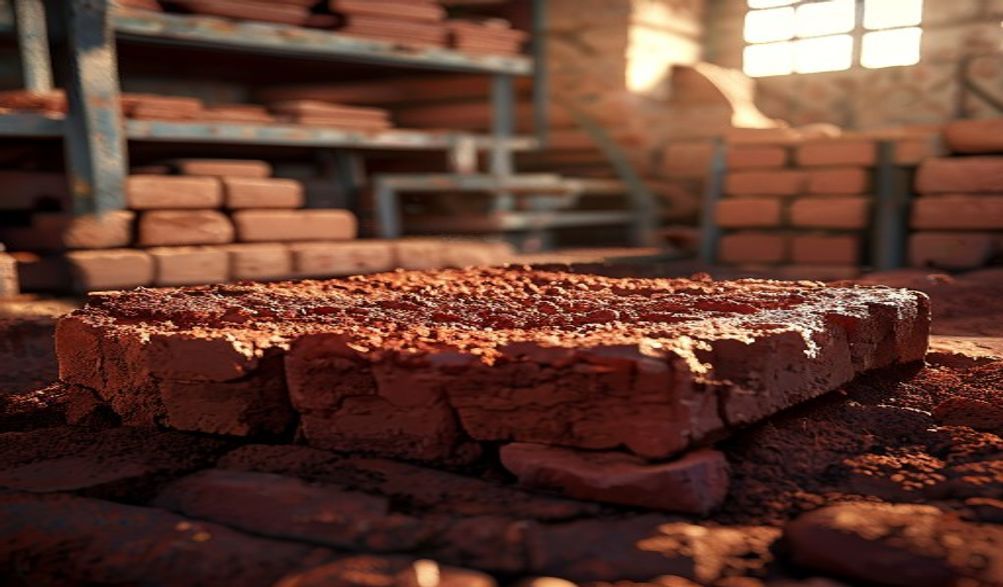
كيفية اختيار آلة صنع الطوب التربة: دليل المشتري للبنائين ورجال الأعمال
مقدمة
يتغير المشهد الإنشائي العالمي. مع التركيز المتزايد على الاستدامة، والقدرة على تحمل التكاليف، والمتانة، يعيد البناؤون ورواد الأعمال اكتشاف أحد أقدم مواد البناء في التاريخ: الأرض. تقدم الطوب الأرضي المضغوط الحديث حلاً مقنعاً - يتميز بانخفاض الطاقة المضمنة، وكتلة حرارية ممتازة، وتوفير كبير في التكاليف. ومع ذلك، فإن الجسر بين التربة الخام والطوب المتين والموثوق هو الآلة التي تصنعه.
اختيار المعدات الخاطئة يمكن أن يعرقل مشروعك، مما يؤدي إلى هدر رأس المال، وجودة طوب غير متناسقة، وتأخيرات محبطة. مع أكثر من عقد من الخبرة في مجال معدات البناء المستدامة وتقديم المشورة لمشاريع تتراوح من المساكن الصغيرة إلى المشاريع التجارية، رأيت العقبات والنجاحات. يلخص هذا الدليل تلك الخبرة العملية في إطار واضح خطوة بخطوة.
هدفنا هو تمكينك بالمعرفة للتنقل في السوق بثقة. سنتجاوز كتيبات المبيعات إلى العوامل التقنية والعملية الأساسية التي تحدد النجاح في العالم الواقعي. بنهاية هذا الدليل، سيكون لديك قائمة تدقيق دقيقة لـكيفية اختيار آلة صنع الطوب التربةيتوافق تمامًا مع تربتك، ومشروعك، وطموحاتك.
فهم صناعة الطوب من التربة: الأنواع والعمليات
قبل مقارنة الآلات، من الضروري فهم ما تفعله والتقنيات المختلفة المتاحة.
ما هي آلة صنع الطوب من التربة؟
في صميمها، آلة صنع الطوب الترابي هي جهاز يضغط خليطاً من التربة الرطبة ونسبة صغيرة من المثبت (مثل الأسمنت أو الجير) إلى كتلة كثيفة وصلبة. العملية لا تستخدم الحرق، مما يجعلها موفرة للطاقة. الوظيفة الأساسية للآلة هي تطبيق ضغط هائل ومتناسق، يعيد ترتيب جزيئات التربة، ويقلل الفراغات، ويخلق رابطة ميكانيكية قوية، خاصة عند وجود مثبت.
أنواع الآلات الرئيسية: يدوية مقابل شبه آلية مقابل آلية بالكامل
اختيارك هنا يشكل بشكل أساسي نطاق عملك، احتياجاته من العمالة، وميزانيته.
-
الآلات اليدوية:
- كيف تعمل:تعمل بالكامل بواسطة القوة البشرية، عادة باستخدام رافعة أو رافعة هيدروليكية.
- مزايا:أقل تكلفة أولية، لا حاجة للكهرباء، صيانة بسيطة، عالية التنقل.
- سلبيات:إنتاجية منخفضة جدًا (50-200 طوبة في اليوم)، تتطلب مجهودًا بدنيًا كبيرًا، وقد يختلف الجودة مع إرهاق العامل.
- الأفضل لـ:مشاريع افعلها بنفسك، والزراعة المعيشية الصغيرة، والمبادرات المجتمعية التي تقودها مع توفر العمالة التطوعية الكافية، واختبار النماذج الأولية.
-
الآلات شبه الآلية:
- كيف تعمل:تؤدي هذه الآلات التي تعمل بالكهرباء أو الديزل أتمتة دورة الضغط (غالباً عبر نظام هيدروليكي)، لكنها تتطلب عاملاً لتغذية الخليط وإزالة الطوب النهائي.
- مزايا:توازن جيد بين التكلفة والإنتاج (300-800 طوبة يوميًا)، جودة طوب متسقة بسبب الضغط الموحد، وأقل إرهاقًا جسديًا.
- سلبيات:استثمار أولي أعلى من اليدوي، يتطلب مصدر طاقة، يحتاج إلى تدريب تشغيلي أساسي.
- الأفضل لـ:المشاريع الصغيرة والمتوسطة، ومشاريع الإسكان، والمؤسسات الاجتماعية التي تبحث عن نموذج إنتاج مستدام.
-
آلات أوتوماتيكية بالكامل:
- كيف تعمل:هذه خطوط إنتاج كاملة مع تغذية آلية، وضغط، وطرد الطوب، وغالبًا ما تكون مزودة بأنظمة ناقلات.
- مزايا:إنتاج عالي الحجم (أكثر من 1000 طوبة يومياً)، أقصى درجات الاتساق، أقل قدر من العمالة المباشرة لكل طوبة.
- سلبيات:يتطلب استثمارًا رأسماليًا كبيرًا، ويحتاج إلى طاقة ثلاثية الأطوار موثوقة، وإعداد وصيانة معقدين، ويحتاج إلى مساحة أكبر.
- الأفضل لـ:ساحات إنتاج الطوب التجارية واسعة النطاق التي تورد للمشاريع الإنشائية الكبرى.
دور تثبيت التربة
ليس كل تربة جاهزة على الفور لصنع الطوب. "التثبيت" هو المفتاح لتحويل الأرض الخام إلى لبنة بناء متينة ومقاومة للعوامل الجوية.
- لماذا نعمل على تحقيق الاستقرار؟المواد المثبتة (عادةً 5-10% أسمنت أو 5-15% جير) ترتبط كيميائياً مع جزيئات التربة. وهذا يزيد بشكل كبير من قوة الضغط، ويقلل من التآكل الناتج عن المطر، ويقلل من تشققات الانكماش.
- تأثير على اختيار الآلةيعتمد مستوى التثبيت المطلوب على تركيب التربة الخاصة بك. تحتاج التربة الثقيلة الطينية إلى تثبيت أكثر وآلة قادرة على تحقيق ضغط أعلى لتحقيق الكثافة. يجب أن تكون الآلة قوية بما يكفي للتعامل مع الخليط المثبت الأكثر كشطاً قليلاً.
العوامل الأساسية التي يجب مراعاتها قبل الشراء
هذه هي الخطوة الأساسية حيث يمنع التقييم الصادق حدوث أخطاء مكلفة.
تقييم متطلبات مشروعك
-
أهداف إنتاج وإخراج الطوب
- احسب احتياجك اليومي أو الأسبوعي من الطوب بناءً على الجدول الزمني لمشروعك الإنشائي. كن واقعيًا.
- مباراة حاسمة A machine’s rated capacity (bricks/hour) must meet this need with room for efficiency loss. Buying an oversized machine wastes money; an undersized one delays your project.
-
مواصفات الطوب:
- Determine the standard brick size in your region (e.g., 230mm x 110mm x 75mm) or if you need interlocking shapes for mortar-less construction.
- The machine’s mold options dictate this. Also, the required قوة الانضغاط (e.g., for a single-story vs. a three-story building) is directly determined by the machine’s pressure capacity.
Analyzing Your Soil Composition
This is the most critical, and most often overlooked, step.
- Soil Testing is Non-Negotiable. A simple, inexpensive test will reveal the percentages of clay, silt, and sand.
- Ideal Mix: A “sandy-clay loam” often provides a good balance. Too much clay leads to excessive shrinkage; too much sand reduces cohesion.
- Informing Your Purchase: Your soil report tells you:
- The type and percentage of stabilizer needed.
- The minimum pressure required from your machine to properly compact your specific soil mix.
Evaluating Your Operational Context
- توفر مصدر الطاقة Do you have reliable grid electricity? If not, factor in the cost of a generator capable of running a semi- or fully-automatic machine.
- Labor Skill & Availability: Who will operate and maintain it? Manual machines need muscle; automated ones need someone comfortable with basic mechanics and controls.
- Space and Setup: You need space for:
- The machine itself.
- Raw material storage (soil, stabilizer).
- A covered area for curing bricks (a critical 28-day process for cement-stabilized blocks).
Technical Specifications and Features Deep Dive
Now, let’s decode the technical details that separate a quality machine from a problematic one.
Pressure Capacity (The Key to Strength)
Pressure, measured in PSI (pounds per square inch) or MPa (Megapascals), is the engine of brick quality.
- The Direct Correlation: Higher pressure = denser brick = higher compressive strength and better water resistance.
- General Guidelines:
- Non-Load Bearing (e.g., infill walls): 500 – 1,000 PSI (3.5 – 7 MPa) may suffice.
- الجدران الحاملة: Look for machines capable of 1,500 PSI (10 MPa) and above. For multi-story buildings, 2,000+ PSI (14+ MPa) is often recommended.
- نصيحة احترافية: Ensure the stated pressure is the applied pressure during compaction, not just the hydraulic system pressure.
Machine Build Quality and Durability
This determines your machine’s lifespan and uptime.
- بناء الإطار: Look for thick, reinforced steel sections, not light-gauge metal. Welds should be clean and robust.
- النظام الهيدروليكي: The heart of the machine. Quality seals, valves, and a reliable pump are essential. Ask about the brand of key components.
- الحماية من التآكل: Powder coating or paint should be thick and even, especially if operating in a humid or coastal environment.
Mold Versatility and Customization
The mold defines your product. Standard rectangular molds are common, but consider:
- Interlocking Molds: Allow for faster, mortar-less construction with improved wall strength.
- Custom Sizes: Can you order different molds later from the supplier? This adds long-term business flexibility.
- المادة: Molds should be made from hardened steel to withstand abrasion.
After-Sales Support: A Non-Negotiable Factor
A machine is a long-term investment. Support is your safety net.
- الضمان: A minimum 1-year warranty on parts and workmanship is standard. Longer is better.
- توفر قطع الغيار Are common wear parts (seals, mold liners) readily available? What is the lead time?
- الدعم الفني Does the supplier offer installation guidance, troubleshooting, and operator training (even if remote)?
Financial Planning and ROI Analysis
Look beyond the sticker price to the true cost and potential earnings.
Understanding the Total Cost of Ownership
| Cost Category | Details & Considerations |
| :— | :— |
| Machine Purchase | Base price of the machine. |
| Shipping & Import | Can be substantial for international orders. Clarify Incoterms (e.g., FOB, CIF). |
| Installation | May require a technician’s visit or local tradesperson. |
| Raw Materials | Cost of soil (often free), stabilizer (cement/lime), and water. |
| Labor | Wages for operators. |
| Energy | Electricity or fuel for generators. |
| الصيانة | Annual budget for lubricants, spare parts, etc. |
Calculating Potential Return on Investment (ROI)
A simplified framework for entrepreneurs:
- Cost Per Brick: Add up all monthly operational costs (materials, labor, energy, maintenance amortization). Divide by your monthly production volume.
- Example: ($800 monthly cost) / (10,000 bricks) = $0.08 per brick.
- Market Price Per Brick: Research the local price for comparable fired clay or concrete bricks.
- Example: $0.25 per brick.
- Gross Profit Per Brick: Market Price – Your Cost.
- Example: $0.25 – $0.08 = $0.17 profit per brick.
- فترة الاسترداد: Divide the total initial investment (machine + shipping + setup) by your monthly gross profit.
- Example: $10,000 investment / ($0.17 x 10,000 bricks/month = $1,700) = ~5.9 months.
Budgeting for Quality and Longevity
Never buy on price alone. A cheaper, lightly-built machine will have higher downtime, more frequent breakdowns, and a shorter life, making it more expensive in the long run. Invest in robust engineering.
The Supplier Selection Checklist
Your relationship with the supplier is as important as the machine itself.
Researching and Vetting Manufacturers
- تاريخ الشركة: How long have they been manufacturing these specific machines?
- Client Portfolio & Testimonials: Ask for case studies or contact details of past buyers, especially in a similar climate.
- الشهادات: Do they have ISO or other quality management certifications? It indicates process discipline.
The Importance of Requesting a Demo or Sample
- The Gold Standard: If possible, send your stabilized soil mix to the manufacturer for a test run. Evaluate the resulting brick’s strength, finish, and dimensional consistency.
- Questions for a Demo:
- “Can you walk me through the daily maintenance routine?”
- “What are the most common wear parts and their cost?”
- “How do you handle technical support requests?”
Reviewing Contracts and Warranties
Read the fine print. The warranty should clearly state:
* Coverage period for different components.
* What is excluded (e.g., damage from improper operation, wear parts).
* Who pays for shipping defective parts.
* Response time for support queries.
الأسئلة الشائعة (FAQ)
Q1: What is the best soil mix for making compressed earth bricks?
أ: While a well-graded “sandy-clay loam” (approx. 70% sand/gravel, 30% clay/silt) is often cited as a good starting point, there is no universal “best” mix. The only reliable method is a professional soil test. This test will provide a precise recipe for stabilization and confirm if your local soil is suitable.
Q2: Can I make bricks without adding cement or other stabilizers?
أ: For traditional Adobe bricks (sun-dried), yes. However, for modern الطوب الأرضي المضغوط والمستقر (CSEBs) designed for structural, durable construction, a stabilizer is essential. Cement or lime provides the chemical strength and weather resistance needed for load-bearing walls, especially in areas with rainfall. Machines for CSEBs are built to handle the higher pressures required.
Q3: How much does a good soil brick making machine cost?
أ: Prices vary dramatically based on type and capacity:
* المكابس اليدوية: $1,000 – $4,000 USD.
* الآلات شبه الآلية: $5,000 – $20,000 USD.
* خطوط أوتوماتيكية بالكامل $25,000 – $100,000+ USD.
Remember to budget for shipping, installation, and initial spare parts.
Q4: What is the typical maintenance required?
أ: Daily and weekly routines are key:
* Daily: Clean the mold and machine frame of residual soil. Check hydraulic fluid levels and for any leaks.
* Weekly: Lubricate all moving parts (pivots, bearings) as per the manual. Inspect the mold for wear.
* Periodically: Change hydraulic fluid and filters as recommended. Check and tighten bolts on the frame.
Q5: Where can I get my soil tested?
أ: Several accessible options exist:
* Local agricultural extension offices or co-ops.
* University departments of Civil Engineering, Geology, or Agriculture.
* Private construction materials testing laboratories.
* Some reputable machine suppliers offer testing services or can recommend labs.
خاتمة
Choosing the right soil brick making machine is a systematic process, not a gamble. It begins with a clear understanding of your project’s scale and a non-negotiable soil test. From there, prioritize core technical specifications—especially pressure capacity and build quality—over flashy features. Develop a holistic financial plan that accounts for the total cost of ownership and a realistic ROI. Finally, partner with a reputable supplier whose after-sales support provides a foundation for your long-term success.
View this purchase not merely as buying a tool, but as investing in the foundational technology for your sustainable building venture. The right machine becomes a reliable partner for years, turning local earth into lasting value.
Ready to move forward? If you have a soil report or specific project parameters, feel free to reach out for a more tailored discussion. Share your goals or questions in the comments below—let’s build a conversation as solid as the bricks we aim to create. Mastering the process of selecting the perfect soil brick machine is your first step toward building a sustainable future.
<