
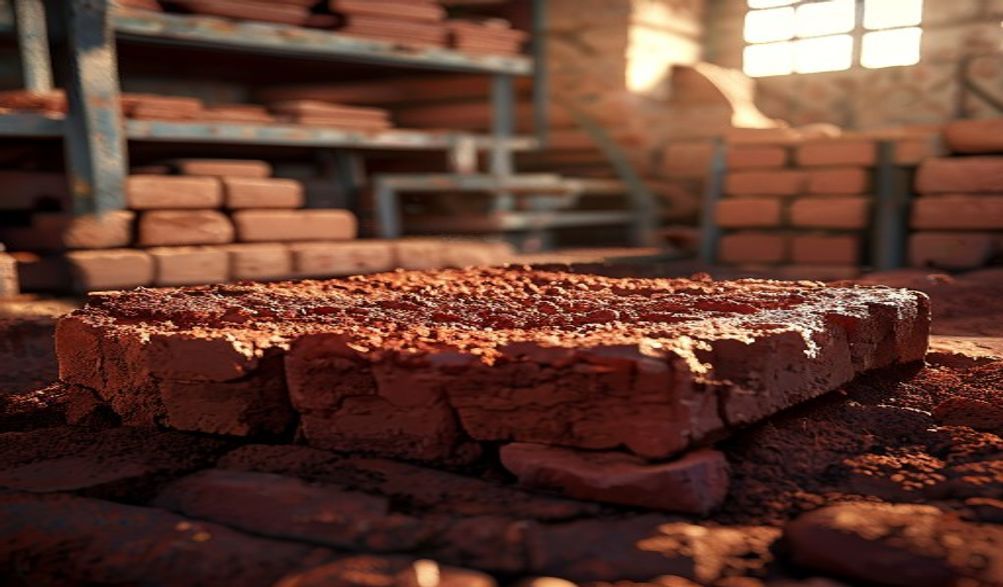
Топырақтан кірпіш жасау машинасын қалай таңдау керек: Құрылысшылар мен кәсіпкерлерге арналған сатып алушы нұсқаулығы
Кіріспе
Жаһандық құрылыс ландшафты өзгеруде. Тұрақтылық, қол жетімділік және беріктікке көбірек көңіл бөлінуімен, құрылысшылар мен кәсіпкерлер адамзаттың ең ежелгі құрылыс материалдарының бірін қайта ашады: топырақ. Заманауи сығылған топырақ кірпіштері тартымды шешімді ұсынады — төмен энергия сыйымдылығы, тамаша жылу сыйымдылығы және айтарлықтай шығындарды үнемдеу. Дегенмен, шикі топырақ пен берік, сенімді кірпіш арасындағы көпір оны жасайтын машина болып табылады.
Дұрыс жабдықты таңдамау жобаңызды бұзуы мүмкін, бұл капиталдың босқа кетуіне, кірпіштің сапасының тұрақсыздығына және жөндіксіз кідірістерге әкелуі мүмкін. Тұрақты құрылыс техникасы саласындағы он жылдан астам тәжірибемде, шағын үй-жайлардан коммерциялық жобаларға дейін кеңес беру барысында мен кедергілерді де, табыстарды да көрдім. Бұл нұсқаулық сол тәжірибелі білімді нақты, қадамдық тұжырымға айналдырады.
Біздің мақсатымыз - нарықта сенімді қозғалуға мүмкіндік беретін біліммен қамтамасыз ету. Біз сату брошюраларынан шығып, нақты практикалық табысты анықтайтын негізгі техникалық және практикалық факторларға көшеміз. Осы нұсқаулықты оқып болған соң, сізде дәлме-дәл тексеру тізімі боладыТопырақтан кірпіш жасау машинасын қалай таңдау керекбұл сіздің топырағыңызға, жобаңызға және армандарыңызға таптай сәйкес келеді.
Топырақтан кірпіш жасауды түсіну: Түрлері мен процестері
Машиналарды салыстырмас бұрын, олардың не істейтінін және қол жетімді әртүрлі технологияларды түсіну өте маңызды.
Топырақтан кірпіш жасау машинасы дегеніміз не?
Топырақтан кірпіш жасау машинасының негізінде ылғалды топырақ пен аз мөлшердегі бекіткіш (мысалы, цемент немесе әк) қоспасын тығыз, қатты блокқа сығу құрылғысы жатыр. Бұл процесс күйдіруді қолданбай, энергияны үнемдейді. Машинаның негізгі функциясы - жоғары және біркелкі қысымды қолдану арқылы топырақ бөлшектерін қайта реттеу, кеуектерді азайту және, әсіресе бекіткіш болған кезде, берік механикалық байланыс құру.
Машиналардың негізгі түрлері: Қолмен жұмыс істейтін, жартылай автоматты және толық автоматты
Сіздің таңдауыңыз іс-әрекетіңіздің ауқымын, жұмыс күші қажеттіліктерін және бюджетін түбегейлі қалыптастырады.
-
Қол машиналары:
- Олар қалай жұмыс істейді:Толығымен адам күшімен жұмыс істейді, әдетте рычаг немесе гидравликалық домкрат қолданылады.
- Артықшылықтары:Ең төмен алдын ала шығын, электр қуаты қажет емес, қарапайым техникалық қызмет көрсету, жоғары тасымалданатын.
- Кемшіліктері:Өте төмен өнім (күніне 50-200 кірпіш), физикалық жұмысты қажет етеді, оператордың шаршауына байланысты сапа өзгеруі мүмкін.
- Ең жақсы:Өз бетінше жобалар, шағын ауыл шаруашылығы, ерікті еңбекпен қамтамасыз етілген қоғамдық бастамалар және үлгілерді сынау.
-
Жартылай автоматты машиналар:
- Олар қалай жұмыс істейді:Бұл электр немесе дизельдік қуатпен жұмыс істейтін машиналар қысу циклін автоматтандырады (көбінесе гидравликалық жүйе арқылы), бірақ дайындама қоспасын беру және дайын кірпішті алу үшін операторды қажет етеді.
- Артықшылықтары:Шығыс пен шығынның жақсы тепе-теңдігі (күніне 300-800 кірпіш), біркелкі қысым арқасында кірпіштің сапалы тұрақтылығы, физикалық жұмыстың аздығы.
- Кемшіліктері:Қолменгіге қарағанда бастапқы инвестиция жоғары, қуат көзі қажет, негізгі жұмыс істеу дағдыларын қажет етеді.
- Ең жақсы:Шағын және орта кәсіпорындар, тұрғын үй жобалары және тұрақты өндіріс моделін іздеп жатқан әлеуметтік кәсіпорындар.
-
Толық автоматты машиналар:
- Олар қалай жұмыс істейді:Бұл автоматтандырылған тамақтандыру, қысу және кірпішті шығару жүйелері бар, көбінесе конвейерлік жүйелермен жабдықталған толық өндіріс желілері.
- Артықшылықтары:Жоғары өнімділік (күніне 1000+ кірпіш), максималды біркелкілік, кірпішке шаққандағы ең аз тікелей еңбек шығыны.
- Кемшіліктері:Айтарлықтай капиталдық инвестиция, сенімді үш фазалы қуатты қажет етеді, күрделі орнату және техникалық қызмет көрсету, көбірек кеңістік қажет.
- Ең жақсы:Үлкен құрылыс жобаларына жеткізетін ірі көлемдегі коммерциялық кірпіш өндіру алаңдары.
The Role of Soil Stabilization
Not all soil is immediately ready for brick-making. “Stabilization” is the key to transforming raw earth into a durable, weather-resistant building block.
- Why Stabilize? Stabilizers (typically 5-10% cement or 5-15% lime) chemically bind with the soil particles. This dramatically increases compressive strength, reduces erosion from rain, and minimizes shrinkage cracks.
- Impact on Machine Choice: The required stabilization level depends on your soil’s composition. A clay-heavy soil needs more stabilization and a machine capable of higher pressure to achieve density. The machine must be robust enough to handle the slightly more abrasive stabilized mix.
Core Factors to Consider Before You Buy
This is the foundational step where honest assessment prevents costly mistakes.
Assessing Your Project Requirements
-
Brick Output & Production Goals:
- Calculate your daily or weekly brick requirement based on your construction timeline. Be realistic.
- Crucial Match: A machine’s rated capacity (bricks/hour) must meet this need with room for efficiency loss. Buying an oversized machine wastes money; an undersized one delays your project.
-
Кірпіш сипаттамалары:
- Determine the standard brick size in your region (e.g., 230mm x 110mm x 75mm) or if you need interlocking shapes for mortar-less construction.
- The machine’s mold options dictate this. Also, the required сығым бергіштігі (e.g., for a single-story vs. a three-story building) is directly determined by the machine’s pressure capacity.
Analyzing Your Soil Composition
This is the most critical, and most often overlooked, step.
- Soil Testing is Non-Negotiable. A simple, inexpensive test will reveal the percentages of clay, silt, and sand.
- Ideal Mix: A “sandy-clay loam” often provides a good balance. Too much clay leads to excessive shrinkage; too much sand reduces cohesion.
- Informing Your Purchase: Your soil report tells you:
- The type and percentage of stabilizer needed.
- The minimum pressure required from your machine to properly compact your specific soil mix.
Evaluating Your Operational Context
- Power Source Availability: Do you have reliable grid electricity? If not, factor in the cost of a generator capable of running a semi- or fully-automatic machine.
- Labor Skill & Availability: Who will operate and maintain it? Manual machines need muscle; automated ones need someone comfortable with basic mechanics and controls.
- Space and Setup: You need space for:
- The machine itself.
- Raw material storage (soil, stabilizer).
- A covered area for curing bricks (a critical 28-day process for cement-stabilized blocks).
Technical Specifications and Features Deep Dive
Now, let’s decode the technical details that separate a quality machine from a problematic one.
Pressure Capacity (The Key to Strength)
Pressure, measured in PSI (pounds per square inch) or MPa (Megapascals), is the engine of brick quality.
- The Direct Correlation: Higher pressure = denser brick = higher compressive strength and better water resistance.
- General Guidelines:
- Non-Load Bearing (e.g., infill walls): 500 – 1,000 PSI (3.5 – 7 MPa) may suffice.
- Жүк көтеретін қабырғалар: Look for machines capable of 1,500 PSI (10 MPa) and above. For multi-story buildings, 2,000+ PSI (14+ MPa) is often recommended.
- Кәсіби кеңес: Ensure the stated pressure is the applied pressure during compaction, not just the hydraulic system pressure.
Machine Build Quality and Durability
This determines your machine’s lifespan and uptime.
- Рамалық құрылым: Look for thick, reinforced steel sections, not light-gauge metal. Welds should be clean and robust.
- Гидравликалық жүйе: The heart of the machine. Quality seals, valves, and a reliable pump are essential. Ask about the brand of key components.
- Коррозиядан қорғау: Powder coating or paint should be thick and even, especially if operating in a humid or coastal environment.
Mold Versatility and Customization
The mold defines your product. Standard rectangular molds are common, but consider:
- Interlocking Molds: Allow for faster, mortar-less construction with improved wall strength.
- Custom Sizes: Can you order different molds later from the supplier? This adds long-term business flexibility.
- Материал: Molds should be made from hardened steel to withstand abrasion.
After-Sales Support: A Non-Negotiable Factor
A machine is a long-term investment. Support is your safety net.
- Кепілдік: A minimum 1-year warranty on parts and workmanship is standard. Longer is better.
- Қосалқы бөлшектердің қолжетімділігі: Are common wear parts (seals, mold liners) readily available? What is the lead time?
- Техникалық қолдау: Does the supplier offer installation guidance, troubleshooting, and operator training (even if remote)?
Financial Planning and ROI Analysis
Look beyond the sticker price to the true cost and potential earnings.
Understanding the Total Cost of Ownership
| Cost Category | Details & Considerations |
| :— | :— |
| Machine Purchase | Base price of the machine. |
| Shipping & Import | Can be substantial for international orders. Clarify Incoterms (e.g., FOB, CIF). |
| Installation | May require a technician’s visit or local tradesperson. |
| Raw Materials | Cost of soil (often free), stabilizer (cement/lime), and water. |
| Labor | Wages for operators. |
| Energy | Electricity or fuel for generators. |
| Maintenance | Annual budget for lubricants, spare parts, etc. |
Calculating Potential Return on Investment (ROI)
A simplified framework for entrepreneurs:
- Cost Per Brick: Add up all monthly operational costs (materials, labor, energy, maintenance amortization). Divide by your monthly production volume.
- Example: ($800 monthly cost) / (10,000 bricks) = $0.08 per brick.
- Market Price Per Brick: Research the local price for comparable fired clay or concrete bricks.
- Example: $0.25 per brick.
- Gross Profit Per Brick: Market Price – Your Cost.
- Example: $0.25 – $0.08 = $0.17 profit per brick.
- Payback Period: Divide the total initial investment (machine + shipping + setup) by your monthly gross profit.
- Example: $10,000 investment / ($0.17 x 10,000 bricks/month = $1,700) = ~5.9 months.
Budgeting for Quality and Longevity
Never buy on price alone. A cheaper, lightly-built machine will have higher downtime, more frequent breakdowns, and a shorter life, making it more expensive in the long run. Invest in robust engineering.
The Supplier Selection Checklist
Жеткізушімен қарым-қатынасыңыз машинаның өзі сияқты маңызды.
Researching and Vetting Manufacturers
- Company History: How long have they been manufacturing these specific machines?
- Client Portfolio & Testimonials: Ask for case studies or contact details of past buyers, especially in a similar climate.
- Сертификаттау: Do they have ISO or other quality management certifications? It indicates process discipline.
The Importance of Requesting a Demo or Sample
- The Gold Standard: If possible, send your stabilized soil mix to the manufacturer for a test run. Evaluate the resulting brick’s strength, finish, and dimensional consistency.
- Questions for a Demo:
- “Can you walk me through the daily maintenance routine?”
- “What are the most common wear parts and their cost?”
- “How do you handle technical support requests?”
Reviewing Contracts and Warranties
Read the fine print. The warranty should clearly state:
* Coverage period for different components.
* What is excluded (e.g., damage from improper operation, wear parts).
* Who pays for shipping defective parts.
* Response time for support queries.
Жиі қойылатын сұрақтар (ЖҚС)
Q1: What is the best soil mix for making compressed earth bricks?
A: While a well-graded “sandy-clay loam” (approx. 70% sand/gravel, 30% clay/silt) is often cited as a good starting point, there is no universal “best” mix. The only reliable method is a professional soil test. This test will provide a precise recipe for stabilization and confirm if your local soil is suitable.
Q2: Can I make bricks without adding cement or other stabilizers?
A: For traditional Adobe bricks (sun-dried), yes. However, for modern Сығылған бекітілген топырақ блоктары (СБТБ) designed for structural, durable construction, a stabilizer is essential. Cement or lime provides the chemical strength and weather resistance needed for load-bearing walls, especially in areas with rainfall. Machines for CSEBs are built to handle the higher pressures required.
Q3: How much does a good soil brick making machine cost?
A: Prices vary dramatically based on type and capacity:
* Қолмен басу: $1,000 – $4,000 USD.
* Жартылай автоматты машиналар: $5,000 – $20,000 USD.
* Толық автоматтандырылған желілер: $25,000 – $100,000+ USD.
Remember to budget for shipping, installation, and initial spare parts.
Q4: What is the typical maintenance required?
A: Daily and weekly routines are key:
* Күнделікті Clean the mold and machine frame of residual soil. Check hydraulic fluid levels and for any leaks.
* Апталық: Lubricate all moving parts (pivots, bearings) as per the manual. Inspect the mold for wear.
* Periodically: Change hydraulic fluid and filters as recommended. Check and tighten bolts on the frame.
Q5: Where can I get my soil tested?
A: Several accessible options exist:
* Local agricultural extension offices or co-ops.
* University departments of Civil Engineering, Geology, or Agriculture.
* Private construction materials testing laboratories.
* Some reputable machine suppliers offer testing services or can recommend labs.
Қорытынды
Choosing the right soil brick making machine is a systematic process, not a gamble. It begins with a clear understanding of your project’s scale and a non-negotiable soil test. From there, prioritize core technical specifications—especially pressure capacity and build quality—over flashy features. Develop a holistic financial plan that accounts for the total cost of ownership and a realistic ROI. Finally, partner with a reputable supplier whose after-sales support provides a foundation for your long-term success.
View this purchase not merely as buying a tool, but as investing in the foundational technology for your sustainable building venture. The right machine becomes a reliable partner for years, turning local earth into lasting value.
Ready to move forward? If you have a soil report or specific project parameters, feel free to reach out for a more tailored discussion. Share your goals or questions in the comments below—let’s build a conversation as solid as the bricks we aim to create. Mastering the process of selecting the perfect soil brick machine is your first step toward building a sustainable future.
<