
Die Ultieme Gids vir Sement Vliegas Baksteenvervaardigingsmasjiene | FUDA Fabriekinsigte
Die konstruksiebedryf staan op 'n kruispad. Aangesien die wêreld sy fokus op volhoubaarheid en hulpbron-doeltreffendheid verskerp, is die vraag na ekovriendelike, hoëprestasie-boumateriale nog nooit groter nie. Tradisionele kleibaksteenvervaardiging, met sy afhanklikheid van bogrondafgrawing en energie-intensiewe oondbrand, word toenemend as 'n omgewingslas beskou.
Betreef die moderne oplossing: die sementvliegassteen. Hierdie voortreflike boublok bied 'n oortuigende antwoord, maar sy wydverspreide aanvaarding hang af van doeltreffende, betroubare produksietegnologie. Dit is waar diesement vliegas baksteen maak masjienword die spilpunt van 'n slimmer, groener konstruksietoekoms.
Vir bouers, kontrakteurs en entrepreneurs is die belegging in hierdie tegnologie nie net 'n toerustingaankoop nie—dit is 'n strategiese besigheidsbesluit. Hierdie omvattende gids sal hierdie masjiene ontraaksel, deur gebruik te maak van bedryfsbeste praktyke en die ingenieurskundige kundigheid van gevestigde vervaardigers soosFUDA baksteenvervaardigingsfabriekAan die einde sal jy die proses verstaan, die diepgaande voordele, die sleutelkenmerke om te prioritiseer, en hoe om 'n vennoot te kies wat langtermyn sukses verseker.
Wat is 'n Sement Vliegas Baksteenmaakmasjien?
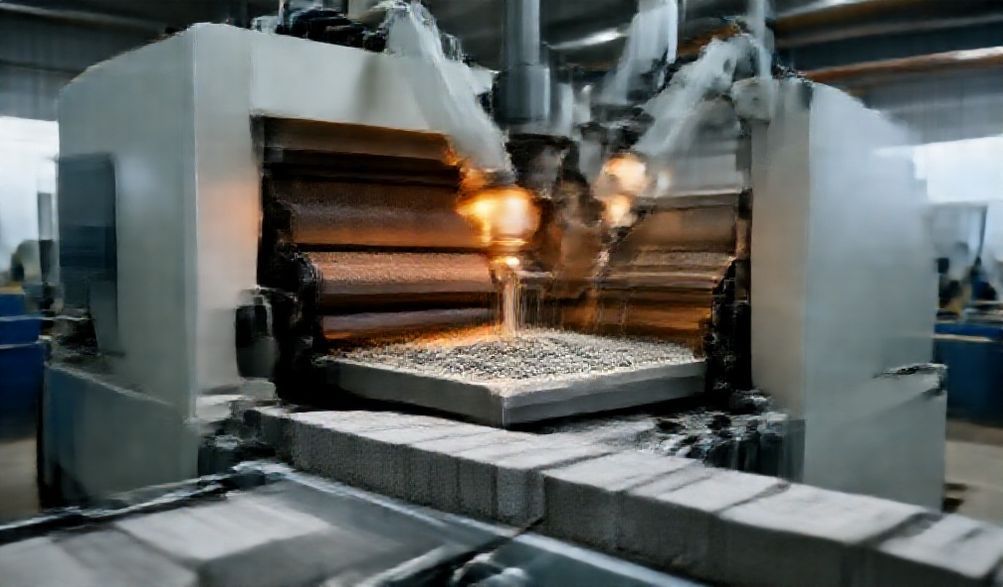
Kern van die saak is dat 'n sement-vliegas-baksteenmasjien 'n outomatiese stelsel is wat ontwerp is om rou materiale in digte, eenvormige en hoësterkte bakstene of blokke te omskep. Dit vervang arbeidsintensiewe, inkonsekwente handmetodes met presisie-ingenieurswese, wat verseker dat elke baksteen aan streng gehaltestandaarde voldoen.
Kernfunksie en Proses Verduidelik
Die masjien outomatiseer die hele produksiesiklus, wat tipies hierdie sleutelfases volg:
- Voeding:Grondstowwe – hoofsaaklik sement, vliegas, sand/klipstof en water – word in presiese, voorafbepaalde verhoudings in die masjien se menger gevoer.
- Meng:'n Kragtige menger meng die materiale in 'n homogene, semi-droe betonmengsel, wat konsekwente kwaliteit vanaf die heel eerste stap verseker.
- Vorming & Verdigting:Dit is die hart van die proses. Die mengsel word in vorms oorgedra. Deur 'n kombinasie van hoë meganiese druk en dikwels vibrasie word die mengsel saamgepers om lugruimtes te verwyder en die verlangde baksteendigtheid en vorm te verkry.
- Uitskiet & Uitharding:Die vars gevormde, "groen" bakstene word outomaties op pallette of 'n vervoerband uitgestoot. Hulle word dan gestapel en na 'n uithardingsarea geskuif, waar hulle mettertyd sterkte verkry deur beheerde hidrasie.
Hoekom Vliegas? Die Omgewings- en Ekonomiese Voordeel
Vliegas is 'n fyn poeier, 'n neweproduk van die verbranding van gepulveriseerde steenkool in termiese kragsentrales. Histories as afval hanteer, is dit nou 'n waardevolle hulpbron in konstruksie.
- Omgewingskampvegter:Die gebruik van vliegas lei miljoene ton industriële afval weg van stortingsterreine. Dit verminder die behoefte aan sement, waarvan die produksie 'n groot bron van globale CO2-uitstoot is, en verlaag sodoende die baksteen se algehele koolstofvoetspoor aansienlik.
- Ekonomiese Sin:Vliegas is dikwels goedkoper as sement. Die gebruik daarvan in die mengsel kan grondstofkoste verminder. Verder toon bakstene wat met vliegas vervaardig word dikwels beter langtermynsterkte en duursaamheid as gevolg van pozzolane reaksies.
- Uitstekende Produk:Vliegas bakstene is bekend vir hul eenvormige kleur, gladde afwerking, uitstekende druksterkte en laer waterabsorpsie in vergelyking met tradisionele kleibakstene, wat lei tot beter pleisterbinding en verminderde uitskakeling.
Belangrike Voordele van die Gebruik van 'n Outomatiese Baksteenmaakmasjien
Oorgang van handmatige of basiese metodes na 'n outomatiese stelsel ontsluit transformerende voordele vir enige besigheid.
Ongeëwenaarde Doeltreffendheid en Produktiwiteit
- Hoë-Volume Uitset:Masjiene kan duisende stene per skof produseer en werk konsekwent 24/7 as nodig. Hierdie skaalbaarheid is onmoontlik met handearbeid.
- Spoed en Konsekwentheid:Geoutomatiseerde siklusse verseker 'n deurlopende, voorspelbare produksievloei, wat akkurate projekbeplanning en tydige bestellinguitvoering moontlik maak.
Superieure en Konsekwente Baksteen Kwaliteit
- Uniformiteit Gewaarborg:Elke baksteen is identies in grootte, vorm, gewig en digtheid. Dit uitskakel afval op die werf as gevolg van onreëlmatige bakstene en versnel die messelwerkproses.
- Beheerde Krag: Precise pressure application ensures each brick meets or exceeds required compressive strength standards (like IS 12894 in India), building trust with engineers and clients.
Beduidende Langtermynkostevermindering
- Lower Labor Dependency: One automated machine can replace a large team of manual workers, drastically cutting recurring wage costs and management overhead.
- Optimized Material Use: Computerized or volumetric batching minimizes raw material waste, ensuring you get the maximum number of bricks from your input costs.
- Higher ROI: While the initial investment is higher, the combination of massive output, lower operational costs, and premium product pricing leads to a faster and more substantial return on investment.
Enhanced Worker Safety and Ergonomic Design
- Reduced Physical Strain: Automation eliminates the heavy lifting and repetitive motions associated with manual brick molding, lowering the risk of musculoskeletal injuries.
- Safer Work Environment: Enclosed mixing and pressing areas reduce workers’ exposure to cement and fly ash dust, creating a cleaner, healthier workplace.
Types of Cement Fly Ash Brick Making Machines
Choosing the right type of machine is critical and depends entirely on your production goals, budget, and scale.
Volle Outomaties vs. Semi-outomaties vs. Handbediende Masjiene
- Heeltemal Outomaties: The pinnacle of efficiency. These systems feature automated material handling, mixing, molding, and brick stacking. They require minimal human intervention, offer the highest output, and are ideal for large-scale plants with significant capital.
- Semi-outomaties: A balanced choice for small to medium enterprises. The core pressing process is automated, but tasks like feeding raw materials or removing finished bricks may be manual. They offer excellent productivity at a more accessible price point.
- Handmatige Masjiene: These are simple, lever-operated or small hydraulic presses. They have very low output and are labor-intensive but serve as an ultra-low-cost entry point for micro-enterprises or very specific, small-batch needs.
Stationary Plant vs. Mobile Block Making Machine
- Stationary Plant: Set up in a fixed factory location. Ideal for supplying a local market or multiple construction sites. Allows for optimized workflow, shelter for curing, and larger, more powerful equipment.
- Mobile Block Machine: Mounted on a trailer, it can be driven directly to a large construction site. This eliminates brick transportation costs for that project, as blocks are made on-demand, right where they will be used.
Key Machine Specifications to Understand
When evaluating machines, focus on these critical specs:
* Siklustyd & Uitset: Measured in bricks per hour or per 8-hour shift. This defines your production capacity.
* Druk Kapasiteit: Measured in tons or megaPascals (MPa). Higher pressure generally produces denser, stronger bricks.
* Kragvereiste: The voltage and electrical load (in kW) needed to operate the machine.
* Brick Sizes & Mold Versatility: The range of brick and block sizes (solid, hollow, paver, interlocking) the machine can produce with different molds.
Inside Look: How FUDA Brick Making Factory Ensures Quality
Understanding a manufacturer’s philosophy and processes is key to assessing the long-term value of your investment. A factory like FUDA exemplifies the engineering rigor required for dependable machinery.
Engineering and Design Philosophy
Leading manufacturers prioritize durability above all. This means:
* Using high-grade, wear-resistant materials for critical components like the mold box (often hardened steel), hydraulic cylinders, and the main frame.
* Designing for user-friendly operation with intuitive control panels (often PLC-based) and easy access for maintenance.
* Focusing on low-maintenance design with sealed bearings, easily replaceable wear parts, and robust construction that withstands continuous operation.
Manufacturing and Quality Control Protocols
Quality isn’t an afterthought; it’s built into every stage:
* Component Sourcing: Critical parts like hydraulic pumps, motors, and electrical components are sourced from reputable brands.
* In-House Machining: Precision machining of parts ensures perfect fit and alignment, which is vital for consistent brick quality and machine longevity.
* Assembly & Testing: Each machine is assembled by skilled technicians and undergoes rigorous running tests before leaving the factory. This includes pressure tests, cycle tests, and safety checks.
Research, Development, and Innovation
A forward-thinking manufacturer continuously improves. This can involve:
* Optimizing vibration systems for better compaction with less energy.
* Developing new mold designs for innovative block profiles.
* Incorporating smart features like data loggers to track production efficiency or fault diagnostics for easier troubleshooting.
Choosing the Right Machine for Your Business
Making the correct choice requires honest self-assessment and careful supplier evaluation.
Assessing Your Production Needs and Scale
Ask yourself:
* What is my current and projected daily brick demand?
* What is my available budget (including machine, installation, and working capital)?
* Do I have adequate space for the machine, raw material storage, and brick curing?
* What is the skill level of my available workforce?
Essential Features to Prioritize
Regardless of type, a quality machine must have:
* 'nheavy-duty, vibration-resistant frame.
* 'nreliable, branded hydraulic system with proper cooling.
* An efficient and balanced vibration system for optimal compaction.
* Quick-change mold systems to switch production with minimal downtime.
* Integrated safety features like emergency stops and protective guards.
The Importance of Supplier Support and Service
The machine is a long-term asset. The supplier is your long-term partner. Exceptional after-sales support is non-negotiable and includes:
* A clear, comprehensive warranty.
* Ready availability of genuine spare parts.
* On-site installation, commissioning, and operator training.
* Responsive technical support via phone, email, or service visits.
Questions to Ask Your Machine Supplier
- Can you provide contact information for current clients in my region for a reference?
- What is included in the installation and commissioning process? Is training provided?
- Can you share a detailed list of recommended spare parts and their costs?
- What is the typical lead time for critical spare parts if they are not in stock locally?
- Do you offer guidance on optimal raw material mix designs for my local fly ash?
Frequently Asked Questions (FAQ)
Q1: What is the typical ratio of cement to fly ash in these bricks?
A common range is between 1:3 and 1:6 (cement:fly ash), with the balance being sand or stone dust. However, the optimal ratio is highly dependent on the quality (class) of your local fly ash and the target brick strength. Always consult your machine supplier or a materials engineer for a site-specific mix design.
Q2: How strong are fly ash bricks compared to traditional clay bricks?
Well-manufactured fly ash bricks consistently achieve a minimum compressive strength of 7.5 MPa to 10 MPa, often surpassing the requirements for Class I clay bricks. They also offer superior dimensional consistency, lower water absorption, and better resistance to salt attack.
Q3: What is the curing process for these bricks?
Unlike sun-dried clay bricks, cement-based bricks require controlled hydration. After molding, bricks are stacked and kept moist through water sprinkling or covered with wet gunny sacks for a minimum of 14-21 days. For faster strength gain, steam curing chambers can be used, achieving high strength in under 24 hours.
Q4: Can the machine produce different types of blocks (hollow, solid, paver)?
Yes, versatility is a key advantage. By simply changing the mold, most modern machines can produce a wide variety of products including solid blocks, hollow blocks (for load-bearing and partition walls), paving slabs, and interlocking blocks for landscaping. Confirm the specific mold compatibility with your supplier.
Q5: What is the expected return on investment (ROI) period?
ROI depends on factors like machine cost, local brick selling price, operational efficiency, and market demand. For a well-planned, medium-scale operation with good market access, a typical ROI period can range from 1 to 3 years. The high and consistent output of automated machines is the primary driver for this attractive payback period.
Conclusion
Investing in a cement fly ash brick making machine is a decisive step toward a future-proof business. It aligns profitability with sustainability, offering a clear path to higher productivity, consistent quality, and a significantly reduced environmental impact. The technology empowers you to meet the growing demand for green building materials head-on.
As we’ve explored, the success of this investment hinges not just on the machine’s specifications, but on the expertise and reliability of the manufacturer behind it. A partner committed to robust engineering, rigorous quality control, and unwavering after-sales support—principles embodied by manufacturers like FUDA baksteenvervaardigingsfabriek—transforms a capital purchase into a lasting competitive advantage.
Your next step is to move from research to action. Contact reputable suppliers for detailed quotations tailored to your needs, request a visit to a working plant to see the machinery in action, and begin calculating your production potential based on the opportunities in your local construction market. The foundation for a more efficient and sustainable building future is ready to be laid.
<