
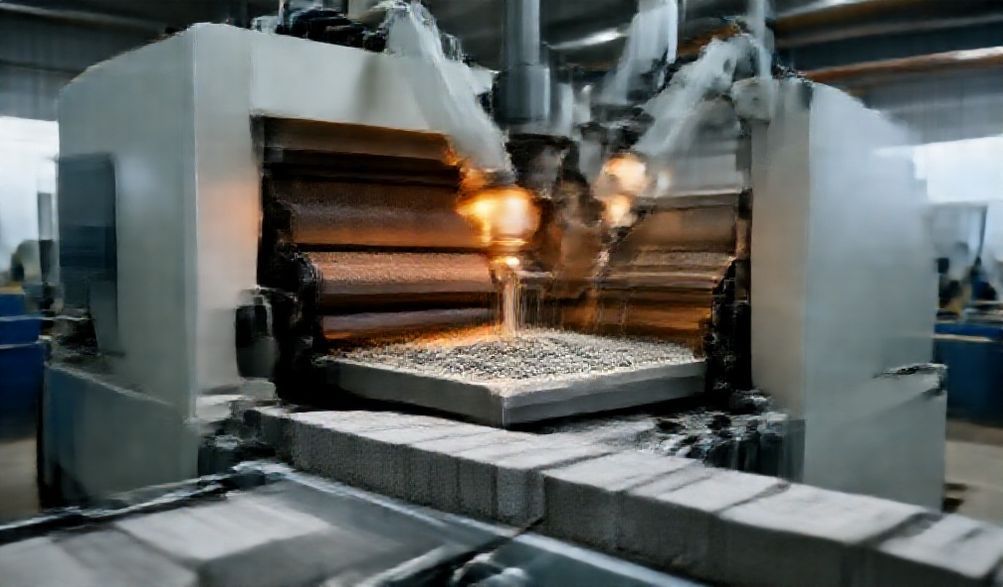
Ang Komprehensibong Gabay sa Makina ng Paggawa ng Briks na Semento at Fly Ash | Mga Insight mula sa FUDA Factory
Ang industriya ng konstruksiyon ay nasa isang mahalagang sangandaan. Habang tumitindi ang pokus ng mundo sa pagpapanatili at episyensya ng mga yaman, ang pangangailangan para sa mga materyales na pang-ekolohiya at may mataas na pagganap ay hindi pa kailanman naging mas malaki. Ang tradisyonal na paggawa ng ladrilyong luwad, na umaasa sa paghuhukay ng ibabaw ng lupa at pagpapaputok sa mga pugon na mabigat sa enerhiya, ay lalong itinuturing bilang isang pasanin sa kapaligiran.
Pumasok ang modernong solusyon: ang semento fly ash brick. Ang pambihirang bloke ng pagtatayo na ito ay nag-aalok ng isang nakakahimok na sagot, ngunit ang malawakang pagtanggap nito ay nakasalalay sa mahusay at maaasahang teknolohiya ng produksyon. Dito papasok angsemento fly ash brick making machinenagiging sentro ng isang mas matalinong at mas luntiang kinabukasan sa konstruksiyon.
Para sa mga tagapagtayo, kontratista, at negosyante, ang pamumuhunan sa teknolohiyang ito ay hindi lamang pagbili ng kagamitan—ito ay isang estratehikong desisyon sa negosyo. Ang komprehensibong gabay na ito ay maglilinaw sa mga makinaryang ito, batay sa mga nangungunang pamamaraan ng industriya at ang dalubhasang kaalaman sa inhinyeriya ng mga kilalang tagagawa tulad ngPabrika ng paggawa ng ladrilyo ng FUDASa huli, mauunawaan mo ang proseso, ang malalim na mga benepisyo, ang mga pangunahing katangiang dapat bigyang-prayoridad, at kung paano pumili ng isang kasosyo na tiyak na magbibigay ng pangmatagalang tagumpay.
Ano ang Cement Fly Ash Brick Making Machine?
Sa puso nito, ang isang makina ng paggawa ng semento at fly ash na brick ay isang awtomatikong sistema na idinisenyo upang gawing siksik, pantay, at matibay na mga brick o bloke ang mga hilaw na materyales. Pinalitan nito ang mga gawaing kamay na matrabaho at hindi pare-pareho ng tumpak na inhinyeriya, tinitiyak na bawat brick ay sumusunod sa mahigpit na pamantayan ng kalidad.
Paliwanag sa Pangunahing Tungkulin at Proseso
Ang makina ay nag-aaplay ng awtomasyon sa buong siklo ng produksyon, na karaniwang sumusunod sa mga sumusunod na pangunahing yugto:
- Pagpapakain:Ang mga hilaw na materyales—pangunahin ang semento, abo ng panggatong, buhangin/alikabok ng bato, at tubig—ay ipinapasok sa panghalo ng makina sa tumpak at paunang natukoy na mga proporsyon.
- Paghahalo:Isang malakas na panghalo ang naghahalo sa mga materyales upang maging isang homogenous, semi-tuyong kongkreto, tinitiyak ang pare-parehong kalidad mula sa pinakaunang hakbang.
- Paghubog at Pagpiga:Ito ang puso ng proseso. Ang timpla ay inililipat sa mga hulma. Sa pamamagitan ng kombinasyon ng mataas na mekanikal na presyon at kadalasang panginginig, ang timpla ay pinipis upang maalis ang mga puwang ng hangin at makamit ang ninanais na densidad at hugis ng ladrilyo.
- Pag-eject at Pagpapahid:Ang mga bagong hubog at "hilaw" na ladrilyo ay awtomatikong inilalabas sa mga pallet o conveyor. Pagkatapos, ito ay isinusuong at inililipat sa isang curing area, kung saan ito ay tumitibay sa paglipas ng panahon sa pamamagitan ng kontroladong haydrasyon.
Bakit Fly Ash? Ang Benepisyong Pangkalikasan at Pangkabuhayan
Ang fly ash ay isang pinong pulbos, isang by-product ng pagsusunog ng pulverized coal sa mga thermal power plant. Dating itinuturing na basura, ito ay naging isang mahalagang yaman sa konstruksyon.
- Kampeon ng Kalikasan:Ang paggamit ng fly ash ay naglilipat ng milyun-milyong tonelada ng basurang industriyal mula sa mga tapunan. Binabawasan nito ang pangangailangan para sa semento, na ang produksyon ay isang pangunahing pinagmumulan ng global na CO2 emissions, at sa gayon ay makabuluhang nagpapababa sa kabuuang carbon footprint ng ladrilyo.
- Dahil sa mga pangyayari sa ekonomiya:Ang fly ash ay kadalasang mas mura kaysa sa semento. Ang paggamit nito sa timpla ay maaaring magpababa sa gastos ng mga hilaw na materyales. Bukod dito, ang mga ladrillong ginawa gamit ang fly ash ay kadalasang nagpapakita ng mas mahusay na pangmatagalang lakas at tibay dahil sa mga reaksiyong pozzolanic.
- Superior na Produkto:Ang mga brick na gawa sa fly ash ay kilala sa kanilang pantay na kulay, makinis na tapos, mahusay na lakas ng pagpiga, at mas mababang pagsipsip ng tubig kumpara sa tradisyonal na mga laryong luwad, na nagreresulta sa mas mahusay na pagkapit ng palitada at nabawasang paglitaw ng efflorescence.
Mga Pangunahing Pakinabang ng Paggamit ng Automated Brick Making Machine
Ang paglipat mula sa manwal o payak na mga pamamaraan patungo sa isang awtomatikong sistema ay nagbubukas ng mga nagbabagong pakinabang para sa anumang negosyo.
Walang Kapantay na Kahusayan at Produktibidad
- Mataas na Dami ng Output:Ang mga makina ay maaaring gumawa ng libu-libong ladrilyo bawat turno, at maaaring patakbuhin nang tuluy-tuloy 24 oras sa loob ng 7 araw kung kinakailangan. Ang ganitong kakayahang mag-scale ay imposible sa pamamagitan ng manwal na paggawa.
- Bilis at Pagkakapare-pareho:Ang mga awtomatikong siklo ay nagsisiguro ng tuluy-tuloy at mahuhulaang daloy ng produksyon, na nagbibigay-daan para sa tumpak na pagpaplano ng proyekto at napapanahong pagtupad sa mga order.
Mataas at Matatag na Kalidad ng Brik
- Garantisado ang Pagkakaisa:Ang bawat ladrilyo ay magkakapareho sa sukat, hugis, timbang, at densidad. Inaalis nito ang pag-aaksaya sa lugar ng konstruksyon dahil sa mga iregular na ladrilyo at pinapabilis ang proseso ng pagmamason.
- Kontroladong Lakas: Precise pressure application ensures each brick meets or exceeds required compressive strength standards (like IS 12894 in India), building trust with engineers and clients.
Makabuluhang Pagbaba ng Gastos sa Pangmatagalan
- Lower Labor Dependency: One automated machine can replace a large team of manual workers, drastically cutting recurring wage costs and management overhead.
- Optimized Material Use: Computerized or volumetric batching minimizes raw material waste, ensuring you get the maximum number of bricks from your input costs.
- Higher ROI: While the initial investment is higher, the combination of massive output, lower operational costs, and premium product pricing leads to a faster and more substantial return on investment.
Enhanced Worker Safety and Ergonomic Design
- Reduced Physical Strain: Automation eliminates the heavy lifting and repetitive motions associated with manual brick molding, lowering the risk of musculoskeletal injuries.
- Safer Work Environment: Enclosed mixing and pressing areas reduce workers’ exposure to cement and fly ash dust, creating a cleaner, healthier workplace.
Types of Cement Fly Ash Brick Making Machines
Choosing the right type of machine is critical and depends entirely on your production goals, budget, and scale.
Ganap na Awtomatiko vs. Semi-Awtomatiko vs. Manual na Makina
- Ganap na Awomatiko: The pinnacle of efficiency. These systems feature automated material handling, mixing, molding, and brick stacking. They require minimal human intervention, offer the highest output, and are ideal for large-scale plants with significant capital.
- Semi-Awomatiko: A balanced choice for small to medium enterprises. The core pressing process is automated, but tasks like feeding raw materials or removing finished bricks may be manual. They offer excellent productivity at a more accessible price point.
- Manual na Makina: These are simple, lever-operated or small hydraulic presses. They have very low output and are labor-intensive but serve as an ultra-low-cost entry point for micro-enterprises or very specific, small-batch needs.
Stationary Plant vs. Mobile Block Making Machine
- Stationary Plant: Set up in a fixed factory location. Ideal for supplying a local market or multiple construction sites. Allows for optimized workflow, shelter for curing, and larger, more powerful equipment.
- Mobile Block Machine: Mounted on a trailer, it can be driven directly to a large construction site. This eliminates brick transportation costs for that project, as blocks are made on-demand, right where they will be used.
Key Machine Specifications to Understand
When evaluating machines, focus on these critical specs:
* Oras ng Ikot at Output: Measured in bricks per hour or per 8-hour shift. This defines your production capacity.
* Pressure Capacity: Measured in tons or megaPascals (MPa). Higher pressure generally produces denser, stronger bricks.
* Pangangailangan sa Kuryente: The voltage and electrical load (in kW) needed to operate the machine.
* Brick Sizes & Mold Versatility: The range of brick and block sizes (solid, hollow, paver, interlocking) the machine can produce with different molds.
Inside Look: How FUDA Brick Making Factory Ensures Quality
Understanding a manufacturer’s philosophy and processes is key to assessing the long-term value of your investment. A factory like FUDA exemplifies the engineering rigor required for dependable machinery.
Engineering and Design Philosophy
Leading manufacturers prioritize durability above all. This means:
* Using high-grade, wear-resistant materials for critical components like the mold box (often hardened steel), hydraulic cylinders, and the main frame.
* Designing for user-friendly operation with intuitive control panels (often PLC-based) and easy access for maintenance.
* Focusing on low-maintenance design with sealed bearings, easily replaceable wear parts, and robust construction that withstands continuous operation.
Manufacturing and Quality Control Protocols
Quality isn’t an afterthought; it’s built into every stage:
* Component Sourcing: Critical parts like hydraulic pumps, motors, and electrical components are sourced from reputable brands.
* In-House Machining: Precision machining of parts ensures perfect fit and alignment, which is vital for consistent brick quality and machine longevity.
* Assembly & Testing: Each machine is assembled by skilled technicians and undergoes rigorous running tests before leaving the factory. This includes pressure tests, cycle tests, and safety checks.
Research, Development, and Innovation
A forward-thinking manufacturer continuously improves. This can involve:
* Optimizing vibration systems for better compaction with less energy.
* Developing new mold designs for innovative block profiles.
* Incorporating smart features like data loggers to track production efficiency or fault diagnostics for easier troubleshooting.
Choosing the Right Machine for Your Business
Making the correct choice requires honest self-assessment and careful supplier evaluation.
Assessing Your Production Needs and Scale
Ask yourself:
* What is my current and projected daily brick demand?
* What is my available budget (including machine, installation, and working capital)?
* Do I have adequate space for the machine, raw material storage, and brick curing?
* What is the skill level of my available workforce?
Essential Features to Prioritize
Regardless of type, a quality machine must have:
* A heavy-duty, vibration-resistant frame.
* A reliable, branded hydraulic system with proper cooling.
* An efficient and balanced vibration system for optimal compaction.
* Quick-change mold systems to switch production with minimal downtime.
* Integrated safety features like emergency stops and protective guards.
The Importance of Supplier Support and Service
The machine is a long-term asset. The supplier is your long-term partner. Exceptional after-sales support is non-negotiable and includes:
* A clear, comprehensive warranty.
* Ready availability of genuine spare parts.
* On-site installation, commissioning, and operator training.
* Responsive technical support via phone, email, or service visits.
Questions to Ask Your Machine Supplier
- Can you provide contact information for current clients in my region for a reference?
- What is included in the installation and commissioning process? Is training provided?
- Can you share a detailed list of recommended spare parts and their costs?
- What is the typical lead time for critical spare parts if they are not in stock locally?
- Do you offer guidance on optimal raw material mix designs for my local fly ash?
Frequently Asked Questions (FAQ)
Q1: What is the typical ratio of cement to fly ash in these bricks?
A common range is between 1:3 and 1:6 (cement:fly ash), with the balance being sand or stone dust. However, the optimal ratio is highly dependent on the quality (class) of your local fly ash and the target brick strength. Always consult your machine supplier or a materials engineer for a site-specific mix design.
Q2: How strong are fly ash bricks compared to traditional clay bricks?
Well-manufactured fly ash bricks consistently achieve a minimum compressive strength of 7.5 MPa to 10 MPa, often surpassing the requirements for Class I clay bricks. They also offer superior dimensional consistency, lower water absorption, and better resistance to salt attack.
Q3: What is the curing process for these bricks?
Unlike sun-dried clay bricks, cement-based bricks require controlled hydration. After molding, bricks are stacked and kept moist through water sprinkling or covered with wet gunny sacks for a minimum of 14-21 days. For faster strength gain, steam curing chambers can be used, achieving high strength in under 24 hours.
Q4: Can the machine produce different types of blocks (hollow, solid, paver)?
Yes, versatility is a key advantage. By simply changing the mold, most modern machines can produce a wide variety of products including solid blocks, hollow blocks (for load-bearing and partition walls), paving slabs, and interlocking blocks for landscaping. Confirm the specific mold compatibility with your supplier.
Q5: What is the expected return on investment (ROI) period?
ROI depends on factors like machine cost, local brick selling price, operational efficiency, and market demand. For a well-planned, medium-scale operation with good market access, a typical ROI period can range from 1 to 3 years. The high and consistent output of automated machines is the primary driver for this attractive payback period.
Conclusion
Investing in a cement fly ash brick making machine is a decisive step toward a future-proof business. It aligns profitability with sustainability, offering a clear path to higher productivity, consistent quality, and a significantly reduced environmental impact. The technology empowers you to meet the growing demand for green building materials head-on.
As we’ve explored, the success of this investment hinges not just on the machine’s specifications, but on the expertise and reliability of the manufacturer behind it. A partner committed to robust engineering, rigorous quality control, and unwavering after-sales support—principles embodied by manufacturers like Pabrika ng paggawa ng ladrilyo ng FUDA—transforms a capital purchase into a lasting competitive advantage.
Your next step is to move from research to action. Contact reputable suppliers for detailed quotations tailored to your needs, request a visit to a working plant to see the machinery in action, and begin calculating your production potential based on the opportunities in your local construction market. The foundation for a more efficient and sustainable building future is ready to be laid.
<