
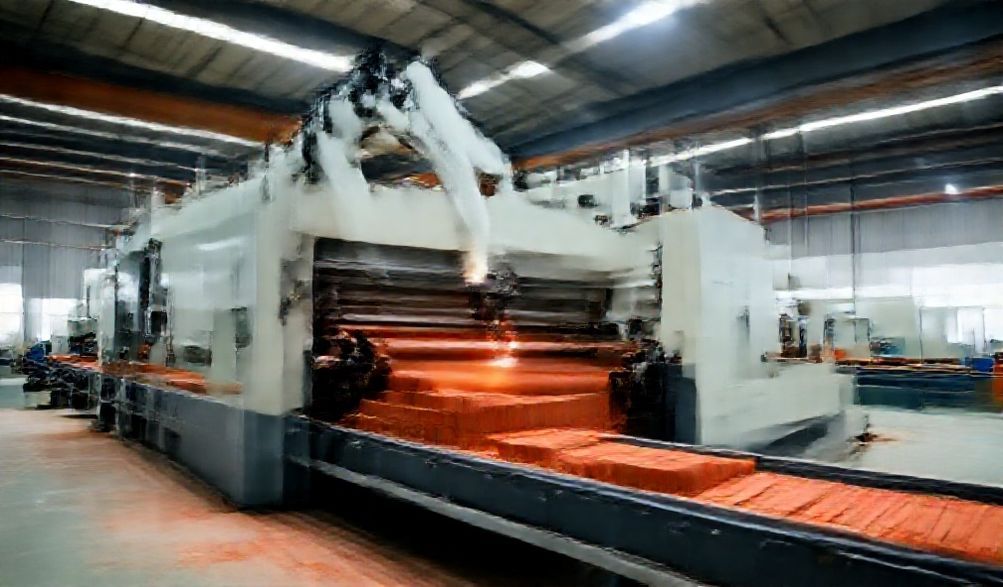
Die Ultieme Gids vir die Verskaffing van Betroubare Sjina-Masjien vir die Vervaardiging van Baksteen Verskaffers in 2026
Inleiding
Die globale konstruksiebedryf is gebou op 'n grondslag van bakstene en blokke. Soos die vraag na doeltreffende, koste-effektiewe boumateriaal wêreldwyd styg, word die masjinerie wat dit vervaardig 'n kritieke bate. Vir besighede wat hul produksielyne wil vestig of opgradeer, het China na vore getree as die onbetwiste sentrale spilpunt vir baksteenvervaardigingsmasjinerie.
Die verkryging van die regteChina baksteen maak masjien verskafferis nie bloot 'n aankoop nie; dit is 'n deurslaggewende strategiese besluit. Hierdie enkele keuse sal jou projek se langtermyn-winsgewendheid, produkgehalte en operasionele tydslyn vir die komende jare direk beïnvloed. Die mark is uitgestrek, en bied alles van eenvoudige handpersmasjiene tot ten volle outomatiese slim fabrieke. Om hierdie landskap te navigeer vereis meer as net 'n vinnige soektog op 'n B2B-platform—dit verg kundigheid en 'n stelselmatige benadering.
Hierdie omvattende gids is ontwerp om jou gesaghebbende padkaart te wees. Ons sal diep bedryfkennis gebruik om deur die geraas te sny, en jou bruikbare insigte te gee in verskafferverifikasie, masjientegnologie en die genuanseerde oorwegings van internasionale verkryging. Ons doel is om jou in staat te stel om 'n ingeligte, betroubare belegging te maak, en te verseker dat jou besluit gesteun word deur die soort werklike ervaring en beproefde kundigheid wat suksesvolle ondernemings in industriële verkryging definieer.
Verstaan van die Chinese Baksteenvervaardigingsmasjienemark
Markoorsig en Nywerheidsgroepe
China se vervaardigingsvermoë is nie eweredig versprei nie; dit is gekonsentreer in kragtige industriële trosse. Om te weet waar om te soek, is jou eerste stap om 'n gehalte verskaffer te vind.
- Geografiese Spilpunte:Die baksteenvervaardigingsmasjineriebedryf is hoofsaaklik in verskeie sleutelprovinsies gesentreer.
- 福建省:Veral die stad Quanzhou is bekend as 'n belangrike sentrum vir blokmasjiene, veral hidrouliese persmodelle en interlockende baksteenmasjiene.
- Shandong Provinsie:'n Swaar industriële basis bekend vir robuuste en grootskaalse betonblokproduksielyne en outomatiese masjiene.
- Guangdong Provinsie:'n Spilpunt vir innovasie en uitvoer, wat dikwels verskaffers met sterk N&D-vermoëns in outomatisering en nuwer tegnologieë bevat.
- Tipes Vervaardigers:Jy sal 'n spektrum van verskaffers teëkom.
- Grootskaalse Oorspronklike Uitrustingsvervaardigers:Hierdie fabrieke vervaardig hoëvolume, gestandaardiseerde masjiene en het dikwels sterk uitvoerafdelings. Hulle bied betroubaarheid, maar kan minder buigsaam wees oor aanpassing.
- Gespecialiseerde Werkswinkels:Kleiner, rats vervaardigers wat dikwels uitblink in nisareas, soos spesifiekekleibaksteenmasjieneof pasgemaakte oplossings vir unieke grondstowwe soos vliegas.
Voordele van Inkoop uit China
Die gravitasietrek van die Chinese mark vir baksteenmasjinerie word deur verskeie oortuigende voordele gedryf.
- Koste Mededingendheid:Ongeëwenaarde skaalvoordele en 'n volwasse toevoerketting vir komponente (soos hidrouliese stelsels en PLC's) lei tot aansienlik laer kapitaaluitgawes in vergelyking met Westerse of plaaslike alternatiewe.
- Tegnologiese Spektrum:Of jy nou 'n basiese handmasjien benodig vir 'n gemeenskapsprojek of 'n volledig outomatiese, robotbediende produksielyn, Chinese verskaffers bied die hele reeks aan. Dit stel jou in staat om die perfekte tegnologie-tot-begroting-passing te vind.
- Eco-Vriendelike Innovasie:Chinese vervaardigers het vinnig gevorder in die vervaardiging van masjiene wat ontwerp is vir volhoubare materiale.Vliegas baksteen vervaardigingsmasjienewat industriële afval benut, en stelsels wat vir ongebakte stene geoptimaliseer is, word toenemend algemeen en gesofistikeerd.
Sleuteltipes Baksteenvervaardigingsmasjiene uit China
Outomatiese Baksteenvervaardigingsmasjiene
Dit is die werkperde van hoëvolume kommersiële produksie. 'n Outomatiese baksteenmaakmasjien integreer meng, vorm, uitharding en stapel/palletisering met minimale menslike ingryping.
- Kenmerke:Beheer deur PLC-stelsels, met servomotors, gesinchroniseerde vervoerbande en dikwels robotarms. Hulle beskik oor hoëdruk hidrouliese stelsels vir konsekwente baksteendigtheid.
- Uitset:Kan tussen 10,000 en meer as 100,000 stene of blokke per 8-uur-skof produseer, afhangende van die model en steengrootte.
- Ideale Gebruik:Grootskaalse konstruksieprojekte, toegewyde baksteenverskaffingsondernemings en regeringsinfrastruktuurinisiatiewe waar uitset en konsekwentheid van kardinale belang is.
Semi-Automatiese en Handmatige Baksteenmasjiene
Hierdie kategorie bied die perfekte beginpunt of oplossing vir spesifieke kontekste waar volle outomatisering nie haalbaar of nodig is nie.
- Cost-Benefit Analysis:
- Lae Aanvangsbelegging: Significantly cheaper to purchase and install.
- Higher Labor Dependency: Require more operators for feeding, removing, and stacking bricks.
- Buigsaamheid: Easier to adjust for small batches or custom shapes.
- Ideale Gebruik: Small to medium enterprises (SMEs), startups testing the market, community-led building projects, and production in regions with lower labor costs.
Specialized Brick Making Machines
The raw material defines the machine. Chinese suppliers offer highly specialized equipment.
- Klei Baksteen Masjiene: Designed to handle natural soil and clay, often featuring extruders or specific mold designs for traditional fired bricks.
- Betonblokmasjiene: The most common type, using a mixture of cement, aggregate, and sand. They produce a wide variety of hollow blocks, solid blocks, and pavers.
- Inmekaarhaak Baksteenmasjiene: Produce bricks with designed ridges and grooves that lock together without mortar, popular for paving and certain wall systems.
- Hydraulic Press Brick Machines: An advanced technology that uses immense, controlled hydraulic pressure to compact raw material (often soil-cement or fly ash) into extremely dense, strong bricks. Known for high quality and efficiency.
How to Identify and Vet Reliable Suppliers
Essential Supplier Credentials and Certifications
Paperwork is your first filter. A legitimate manufacturer will have its documentation in order.
- Business Licenses: A valid Chinese business registration is non-negotiable. Verify the company name matches across all platforms.
- ISO Sertifisering: ISO 9001 certification for quality management systems is a strong indicator of a supplier committed to standardized production and process control.
- Industry Associations: Membership in bodies like the China Construction Machinery Association (CCMA) suggests industry recognition and a commitment to professional standards.
Due Diligence: Factory Audits and Site Visits
Seeing is believing. In a post-pandemic world, virtual audits have become a standard and effective tool.
- Request a Live Video Tour: Don’t settle for pre-recorded videos. Ask for a live walkthrough of the workshop, assembly area, and quality control station via video call. This allows you to ask real-time questions.
- Assess Key Areas:
- Manufacturing Capability: Look for organized production lines, modern equipment (CNC machines, welding robots), and raw material inventory.
- Kwaliteitsbeheer: Ask to see their testing procedures. Do they have a pressure testing machine for sample bricks? Do they check hydraulic system integrity?
- Navorsing en Ontwikkeling Investering: A dedicated R&D office or team is a good sign of a forward-thinking supplier, not just a copycat manufacturer.
Evaluating Online Presence and Reputation
Scrutinize online profiles with a detective’s eye.
- B2B Platform Analysis (Alibaba, Made-in-China):
- Transaction History: Look for verified transaction records, especially for similar machinery.
- Response Time & Quality: Gauge their professionalism from their inquiry responses.
- Photo/Video Authenticity: Be wary of suppliers using generic stock factory images. Request current, specific photos of their facility.
- Identifying Genuine Reviews:
- Look for detailed, specific reviews that mention machine models, project outcomes, and after-sales support.
- Be skeptical of multiple overly generic, 5-star reviews posted in a short timeframe.
- If possible, use the platform’s contact feature to message past buyers directly.
Critical Factors Before Placing Your Order
Technical Specifications and Customization
The devil is in the details. A clear technical agreement prevents future disputes.
- Key Specs to Compare:
- Siklustyd: Seconds per cycle. This directly determines output.
- Druk (Tonnasie): The molding pressure (e.g., 200 tons) defines brick strength.
- Kragvereistes: Voltage (380V/220V), phase, and total power consumption (KW).
- Brick Size Versatility: What mold sizes are included? How quickly can molds be changed?
- Customization Discussion: Be explicit about your raw materials. Provide samples of your local soil, fly ash, or aggregate for the supplier to test. The machine must be engineered for jou inputs.
Logistics, Shipping, and Incoterms
Heavy machinery logistics require careful planning. Misunderstanding terms can lead to unexpected costs.
- Understanding Incoterms:
- FOB (Vry aan Boord): You pay for the machine loaded onto the ship at the Chinese port. You arrange and pay for sea freight and insurance. Offers more control over shipping costs.
- CIF (Koste, Versekering en Vrag): The supplier arranges and pays for shipping and insurance to your nearest port. Simpler for you, but you may pay a premium.
- EXW (Uit-Werke): You take responsibility at the supplier’s factory gate. You handle all transportation, export clearance, and shipping. Only for experienced importers.
- Practical Planning: Discuss container loading plans (will the machine be disassembled?), ensure proper wooden crating for protection, and understand who will handle export documentation.
After-Sales Support and Warranty
This is where reliable suppliers separate themselves from the rest.
- Non-Negotiable Elements:
- Omvattende Waarborg: A clear warranty (e.g., 12 months for parts, excluding wear items) covering manufacturing defects.
- Technical Documentation: Demand complete technical drawings, electrical schematics, and parts lists in English.
- Opleiding: Provision of detailed operation manuals and instructional videos. For complex lines, on-site engineer support should be an available option.
- Remote Support: Ensure they offer reliable communication channels (WhatsApp, WeChat, email) for troubleshooting and can supply spare parts promptly.
Navigating Communication and Negotiation
Effective Communication with Chinese Suppliers
Clarity eliminates costly errors.
- Use Visuals: Always communicate using marked-up technical drawings, diagrams, and photos. A picture is worth a thousand words, especially across a language barrier.
- Be Precise and Simple: Avoid idioms and complex sentences. Use bullet points for specifications and requirements.
- Request a Sample or Prototype Mold: For custom brick designs, paying for a sample mold to be made and tested at the factory is an excellent investment to confirm the final product quality before full production.
Price Negotiation and Payment Security
Understand the cost structure to negotiate fairly and protect your funds.
- Cost Structure: A machine’s price includes materials (steel, hydraulics, electrical components), labor, overhead, and profit. Asking for a basic breakdown shows you are a serious buyer.
- Secure Payment Methods:
- Letter of Credit (L/C): A bank-guaranteed payment method common in large industrial transactions. Secure for both parties but involves bank fees.
- Escrow Services (Alibaba Trade Assurance): The platform holds your payment until you confirm satisfactory receipt of the goods. Highly recommended for first-time buyers.
- Staged Payments: A common structure is 30% deposit, 60% against shipping documents, and 10% after successful installation/commissioning.
Common Pitfalls and How to Avoid Them
Quality Compromises and Misrepresented Specifications
- Red Flags: Vague answers to technical questions, reluctance to provide a live factory tour, prices significantly lower than the market average, and pressure to pay via insecure methods like wire transfer to a personal account.
- Solution: Insist on a detailed, signed proforma invoice (PI) that lists every specification. Use third-party inspection services (like SGS or Bureau Veritas) for pre-shipment inspections, especially for large orders.
Hidden Costs and Contractual Ambiguities
- Verborge Kostes: These can include export packing, domestic Chinese transportation to the port, documentation fees, and the cost of optional spare parts packages.
- Solution: Demand a finalized, itemized proforma invoice that clearly states what is included (e.g., “price includes standard molds, standard packing, and FOB Shenzhen charges”). Ask directly: “Are there any other fees not listed here?”
Intellectual Property (IP) Considerations
- The Risk: If you are providing a unique brick design, ensure your proprietary mold design is protected.
- Solution: Have a clear Non-Disclosure Agreement (NDA) in place before sharing detailed designs. Discuss IP ownership clauses in your contract. For critical proprietary technology, consider registering your design in China.
FAQ Section
Q1: What is the average lead time for receiving a brick making machine from China?
A: Lead times typically range from 30-60 days after the deposit is received, depending on machine complexity, customization level, and factory workload. This period covers production, assembly, testing, and packing. Always get the confirmed lead time in writing on your proforma invoice.
Q2: Are Chinese brick making machines compatible with the electrical standards and raw materials in my country?
A: Reputable suppliers routinely customize machines for different voltage standards (e.g., 220V/380V, 50Hz/60Hz). Crucially, they can also engineer the machine to work with your locally available raw materials—this is a key discussion point. Provide material samples for their technical team to analyze.
Q3: How can I verify if a supplier is a real manufacturer and not just a trading company?
A: Request a live video tour of their production floor and ask to see their in-house machining, welding, and assembly areas. Ask specific technical questions about hydraulic system sourcing and PLC programming. Manufacturers have deep technical knowledge; traders often deflect to “I’ll check with the factory.”
Q4: What is the minimum order quantity (MOQ) when sourcing from China?
A: For standard brick making machines, the MOQ is usually 1 unit. For highly customized production lines or specific auxiliary equipment, there may be an MOQ. This should be one of your first questions during initial contact.
Q5: Who is responsible for installing and commissioning the machine at my site?
A: This is a contractual term. Many suppliers provide comprehensive installation manuals and video guides. For full automatic lines, it is common (and highly advisable) to include the cost of sending 1-2 engineers for on-site installation and operator training. Clearly define the scope and duration of this support in your agreement.
Conclusion
Sourcing a brick making machine from China represents a strategic leap toward greater operational efficiency and business growth. The opportunity for value is immense, but it is not without its complexities. Success is not found in choosing the lowest price, but in a process defined by meticulous planning, rigorous supplier vetting, and crystal-clear communication.
By prioritizing suppliers who demonstrate tangible kundigheid in their engineering, gesaghebbendheid through legitimate certifications and industry standing, and a proven track record of betroubaarheid in their customer relationships, you systematically de-risk your investment. Remember, you are not just buying a machine; you are entering a partnership that will support your production for a decade or more.
Invest the time upfront in thorough due diligence. Insist on comprehensive after-sales terms. Build a relationship with a supplier who views your success as their own. This experienced, analytical approach will ensure your investment lays a solid, profitable foundation for your business far into the future.
<