
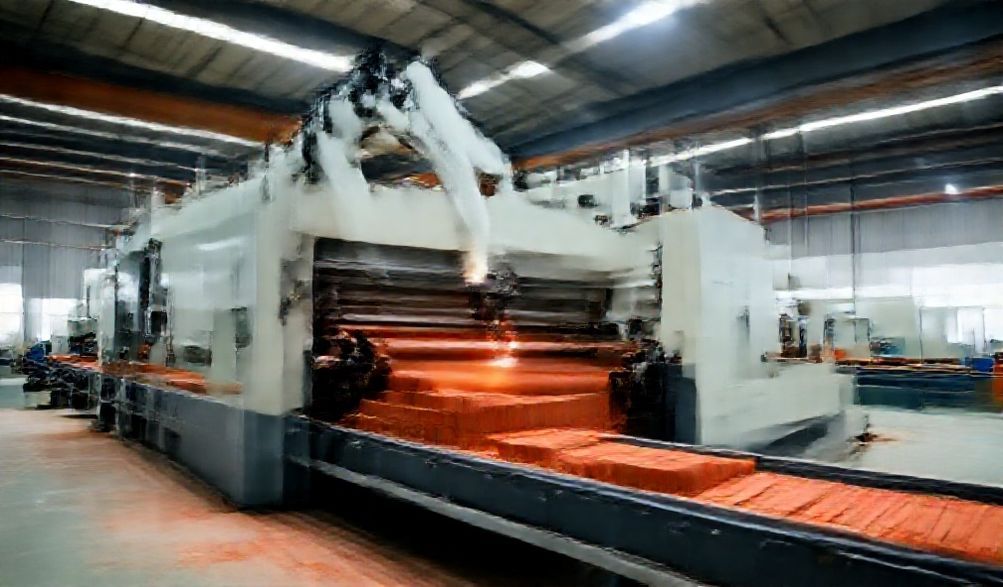
Hogaanka Ugu Wanaagsan ee Raadinta Alaab-yahannada Khabiirka ee Shiinaha ee Makinada Dhismo Lahaansho ee Sanadka 2026
Hordhac
Shabakada caalamiga ah ee dhismaha waxaa lagu dhisay aasaaska lebbiska iyo buraashada. Sida ay u kordheysay baahida qalabka dhismaha ee waxtarka leh iyo qiima jaban adduunka oo dhan, makiinadaha soo saara waxay noqdeen hanti muhiim ah. Shirkadaha raba inay aasaastaan ama kor u qaadaan khadadka wax soo saarkooda, Shiinaha ayaa noqday xarunta aan la diidin karin ee makiinadaha sameynta lebbiska.
Soo saarista saxda ahShiinaha mashiinka dhismo lebbiska soo saara warshadaha.ma aha keliya iib; waa go'aan muhiim ah oo istaraatiijiyadeed. Go'aankan kaliya wuxuu si toos ah u saameyn doonaa faa'iidada muddada dheer ee mashruucagaaga, tayada alaabta, iyo jadwalka hawlgalka sanado badan soo socda. Suuqa waa ballaaran, oo bixiya wax kasta oo laga bilaabo mashiinnada gacanta ee fudud ilaa warshadaha smart-ka ee si toos ah u shaqeeya. Ku safrida dhulkaan waxay u baahan tahay wax ka badan raadinta degdeg ah ee baraha B2B—waxay u baahan tahay khibrad iyo hab nidaamsan.
Hagahan oo dhamaystiran wuxuu loo qorsheeyay inuu noqdo khariidaddaaga cad ee awood leh. Waxaan ku adeegsan doonnaa aqoon dherer ah oo ganacsi si aan ugu fududeyno waxyaabaha kala duwan, aan ku siin doonaa fahamka la fulin karo ee ku saabsan xaqiijinta iibiyeyaasha, teknolojiyada mashiinnada, iyo fikradaha kala duwan ee iibka caalamiga ah. Ujeeddadeena waa inaan ku siinno awood aad ku sameyso maalgelin la isku hallayn karo, adoo hubinaya in go'aankaagu ku salaysan yahay khibradda dhabta ah ee dunida iyo karti la caddeeyay oo ay ku caddahay guulaha guusha leh ee baahinta warshadeed.
Fahamka Suuqa Makiinadaha Dhismo Lebiska Shiinaha
Dulmar Soo-saare iyo Kooxda Warshadaha
Xirfadda wax-soo-saarka ee Shiinuhu ma qaybsan tahay si siman; waxay ku dhici kartaa kooxo wax-soo-saare oo aad u xooggan. Aqoonsiga meesha aad raadinayso waa tallaabadaada ugu horreysa ee raadinta iibiyaha tayo leh.
- Xarunyo Jooografiyadeed:Warshadaha qalabka sameynta lebbiska waxay si weyn ugu xooggan yihiin gobollada muhiimka ah ee dhowr.
- Gobolka Fujian.Gaar ahaan magaalada Quanzhou, waxaa loo yaqaan inay tahay xarun weyn oo loo sameeyo makiinado laamiga ah, gaar ahaan noocyada macaanka biyoodka iyo makiinadaha laamiga isku xira.
- Gobolka Shandong:Sal aad u culus oo loo yaqaan saldhigga warshadeed ee nidaamka wax soo saarka iyo mashiinnada otomaatigga ah ee laamaha simenti.
- Gobolka GuangdongXarun cusboonaysiinta iyo soo saarista, oo inta badan ay ka mid yihiin iibsadayaasha leh awoodo xooggan oo cilmi baarista iyo teknoolojiyada cusub ee otomaansho.
- Noocyada Warshadaha:Waxaad la kulmi doontaa kala duwanaansho tiro badan oo soo saareyaal ah.
- OEM-yada Waaweyn:Kuwaasi warshaduhu waxay soo saaraan mashiinooyin tiro badan oo caadi ah, waxayna inta badan leeyihiin waaxyo soo saarista oo xoog leh. Waxay bixiyaan kalsooni laakiin laga yaabaa inay aad ugu fududahayn in la beddelo.
- Warsamadaha Khaaska ah:Waaweyn yar, soo jiidasho leh oo warshadooyin ku kala duwan oo si fiican ugu tartamaya meelaha gaarka ah, sida gaarka ah.makiinadaha lebbiska dhooboama hal abuurto gaar ah loogu talagalay qalabka khaaska ah sida baruurka duusha.
Faa'iidooyinka Loo Helo Shiinaha
Suuqda dhagaxa ee Shiinaha waxaa dhiirigelinaya faa'iidooyin badan oo qiimo leh.
- La Awooda Qiimaha Isku-darista:Wax soo saarka dhaqaale oo aan la mid ahayn iyo silsilad soo saar oo baaxad weyn leh (sida nidaamka hydraulic iyo PLCs) ayaa keena kharash dhaqaale oo aad u hooseeya marka loo eego kala duwanaanshaha galbeedka ama kuwa maxalliga ah.
- Spectrumka Teknolojiyada:Haddii aad u baahan tahid mashiin caadi ah oo gacanta lagu shaqeeyo mashruuc bulsho, ama shaxda waddo wax soo saar oo si toos ah u shaqeysa oo robotka lagu adeegsado, iibiyeyaasha Shiinaha waxay bixiyaan noocyada kala duwan. Tani waxay kuu ogolaanaysaa inaad hesho habka ugu habboon ee ku habboon miisaaniyaddaada.
- Cusboonaysa Deegaanka:Warshadaha Shiinuhu si degdeg ah ayay u horumareen soo saarista makiinadaha loogu talagalay alaabta waara.Makiinadooyinka dhagaxa dhoobada duushaanka, which utilize industrial waste, and systems optimized for non-fired bricks are increasingly common and sophisticated.
Key Types of Brick Making Machines from China
Makiinada Qalabka Otomaatiga ah ee Dhismo Qoriga
These are the workhorses of high-volume commercial production. An automatic brick making machine integrates mixing, molding, curing, and stacking/palletizing with minimal human intervention.
- Astaamaha: Controlled by PLC systems, with servo motors, synchronized conveyors, and often robotic arms. They feature high-pressure hydraulic systems for consistent brick density.
- Soo saar Can produce from 10,000 to over 100,000 bricks or blocks per 8-hour shift, depending on the model and brick size.
- Ideal Use: Large-scale construction projects, dedicated brick supply businesses, and government infrastructure initiatives where output and consistency are paramount.
Semi-Automatic and Manual Brick Machines
This category offers the perfect entry point or solution for specific contexts where full automation isn’t feasible or necessary.
- Cost-Benefit Analysis:
- Lacag Hore Oo Yar Significantly cheaper to purchase and install.
- Higher Labor Dependency: Require more operators for feeding, removing, and stacking bricks.
- Fududleyda: Easier to adjust for small batches or custom shapes.
- Ideal Use: Small to medium enterprises (SMEs), startups testing the market, community-led building projects, and production in regions with lower labor costs.
Specialized Brick Making Machines
The raw material defines the machine. Chinese suppliers offer highly specialized equipment.
- Makiinadaha Lebiga Dhagaxa: Designed to handle natural soil and clay, often featuring extruders or specific mold designs for traditional fired bricks.
- Makiinadaha Blookada Siman. The most common type, using a mixture of cement, aggregate, and sand. They produce a wide variety of hollow blocks, solid blocks, and pavers.
- Makiinadaha Lebiska Isku-xidhan: Produce bricks with designed ridges and grooves that lock together without mortar, popular for paving and certain wall systems.
- Hydraulic Press Brick Machines: An advanced technology that uses immense, controlled hydraulic pressure to compact raw material (often soil-cement or fly ash) into extremely dense, strong bricks. Known for high quality and efficiency.
How to Identify and Vet Reliable Suppliers
Essential Supplier Credentials and Certifications
Paperwork is your first filter. A legitimate manufacturer will have its documentation in order.
- Business Licenses: A valid Chinese business registration is non-negotiable. Verify the company name matches across all platforms.
- Shahaadada ISO: ISO 9001 certification for quality management systems is a strong indicator of a supplier committed to standardized production and process control.
- Industry Associations: Membership in bodies like the China Construction Machinery Association (CCMA) suggests industry recognition and a commitment to professional standards.
Due Diligence: Factory Audits and Site Visits
Seeing is believing. In a post-pandemic world, virtual audits have become a standard and effective tool.
- Request a Live Video Tour: Don’t settle for pre-recorded videos. Ask for a live walkthrough of the workshop, assembly area, and quality control station via video call. This allows you to ask real-time questions.
- Assess Key Areas:
- Manufacturing Capability: Look for organized production lines, modern equipment (CNC machines, welding robots), and raw material inventory.
- Tayaynta Tayo Ask to see their testing procedures. Do they have a pressure testing machine for sample bricks? Do they check hydraulic system integrity?
- Maalgashiga Cilmi-baarista iyo Horumarinta A dedicated R&D office or team is a good sign of a forward-thinking supplier, not just a copycat manufacturer.
Evaluating Online Presence and Reputation
Scrutinize online profiles with a detective’s eye.
- B2B Platform Analysis (Alibaba, Made-in-China):
- Transaction History: Look for verified transaction records, especially for similar machinery.
- Response Time & Quality: Gauge their professionalism from their inquiry responses.
- Photo/Video Authenticity: Be wary of suppliers using generic stock factory images. Request current, specific photos of their facility.
- Identifying Genuine Reviews:
- Look for detailed, specific reviews that mention machine models, project outcomes, and after-sales support.
- Be skeptical of multiple overly generic, 5-star reviews posted in a short timeframe.
- If possible, use the platform’s contact feature to message past buyers directly.
Critical Factors Before Placing Your Order
Technical Specifications and Customization
The devil is in the details. A clear technical agreement prevents future disputes.
- Key Specs to Compare:
- Waqtiga Wareegga: Seconds per cycle. This directly determines output.
- Cadaadis (Tonnage): The molding pressure (e.g., 200 tons) defines brick strength.
- Shuruudaha Korontada: Voltage (380V/220V), phase, and total power consumption (KW).
- Brick Size Versatility: What mold sizes are included? How quickly can molds be changed?
- Customization Discussion: Be explicit about your raw materials. Provide samples of your local soil, fly ash, or aggregate for the supplier to test. The machine must be engineered for waad inputs.
Logistics, Shipping, and Incoterms
Heavy machinery logistics require careful planning. Misunderstanding terms can lead to unexpected costs.
- Understanding Incoterms:
- FOB (Bilaash Ku Dhoofinta Dhoofinta) You pay for the machine loaded onto the ship at the Chinese port. You arrange and pay for sea freight and insurance. Offers more control over shipping costs.
- CIF (Qiimo, Inshuuraad, iyo Raridda) The supplier arranges and pays for shipping and insurance to your nearest port. Simpler for you, but you may pay a premium.
- EXW (Ka soo bixinta Warshadeed): You take responsibility at the supplier’s factory gate. You handle all transportation, export clearance, and shipping. Only for experienced importers.
- Practical Planning: Discuss container loading plans (will the machine be disassembled?), ensure proper wooden crating for protection, and understand who will handle export documentation.
After-Sales Support and Warranty
This is where reliable suppliers separate themselves from the rest.
- Non-Negotiable Elements:
- Comprehensive Warranty: A clear warranty (e.g., 12 months for parts, excluding wear items) covering manufacturing defects.
- Technical Documentation: Demand complete technical drawings, electrical schematics, and parts lists in English.
- Training: Provision of detailed operation manuals and instructional videos. For complex lines, on-site engineer support should be an available option.
- Remote Support: Ensure they offer reliable communication channels (WhatsApp, WeChat, email) for troubleshooting and can supply spare parts promptly.
Navigating Communication and Negotiation
Effective Communication with Chinese Suppliers
Clarity eliminates costly errors.
- Use Visuals: Always communicate using marked-up technical drawings, diagrams, and photos. A picture is worth a thousand words, especially across a language barrier.
- Be Precise and Simple: Avoid idioms and complex sentences. Use bullet points for specifications and requirements.
- Request a Sample or Prototype Mold: For custom brick designs, paying for a sample mold to be made and tested at the factory is an excellent investment to confirm the final product quality before full production.
Price Negotiation and Payment Security
Understand the cost structure to negotiate fairly and protect your funds.
- Cost Structure: A machine’s price includes materials (steel, hydraulics, electrical components), labor, overhead, and profit. Asking for a basic breakdown shows you are a serious buyer.
- Secure Payment Methods:
- Letter of Credit (L/C): A bank-guaranteed payment method common in large industrial transactions. Secure for both parties but involves bank fees.
- Escrow Services (Alibaba Trade Assurance): The platform holds your payment until you confirm satisfactory receipt of the goods. Highly recommended for first-time buyers.
- Staged Payments: A common structure is 30% deposit, 60% against shipping documents, and 10% after successful installation/commissioning.
Common Pitfalls and How to Avoid Them
Quality Compromises and Misrepresented Specifications
- Calaamadaha Khaas ah: Vague answers to technical questions, reluctance to provide a live factory tour, prices significantly lower than the market average, and pressure to pay via insecure methods like wire transfer to a personal account.
- Solution: Insist on a detailed, signed proforma invoice (PI) that lists every specification. Use third-party inspection services (like SGS or Bureau Veritas) for pre-shipment inspections, especially for large orders.
Hidden Costs and Contractual Ambiguities
- Hidden Costs: These can include export packing, domestic Chinese transportation to the port, documentation fees, and the cost of optional spare parts packages.
- Solution: Demand a finalized, itemized proforma invoice that clearly states what is included (e.g., “price includes standard molds, standard packing, and FOB Shenzhen charges”). Ask directly: “Are there any other fees not listed here?”
Intellectual Property (IP) Considerations
- The Risk: If you are providing a unique brick design, ensure your proprietary mold design is protected.
- Solution: Have a clear Non-Disclosure Agreement (NDA) in place before sharing detailed designs. Discuss IP ownership clauses in your contract. For critical proprietary technology, consider registering your design in China.
FAQ Section
Q1: What is the average lead time for receiving a brick making machine from China?
A: Lead times typically range from 30-60 days after the deposit is received, depending on machine complexity, customization level, and factory workload. This period covers production, assembly, testing, and packing. Always get the confirmed lead time in writing on your proforma invoice.
Q2: Are Chinese brick making machines compatible with the electrical standards and raw materials in my country?
A: Reputable suppliers routinely customize machines for different voltage standards (e.g., 220V/380V, 50Hz/60Hz). Crucially, they can also engineer the machine to work with your locally available raw materials—this is a key discussion point. Provide material samples for their technical team to analyze.
Q3: How can I verify if a supplier is a real manufacturer and not just a trading company?
A: Request a live video tour of their production floor and ask to see their in-house machining, welding, and assembly areas. Ask specific technical questions about hydraulic system sourcing and PLC programming. Manufacturers have deep technical knowledge; traders often deflect to “I’ll check with the factory.”
Q4: What is the minimum order quantity (MOQ) when sourcing from China?
A: For standard brick making machines, the MOQ is usually 1 unit. For highly customized production lines or specific auxiliary equipment, there may be an MOQ. This should be one of your first questions during initial contact.
Q5: Who is responsible for installing and commissioning the machine at my site?
A: This is a contractual term. Many suppliers provide comprehensive installation manuals and video guides. For full automatic lines, it is common (and highly advisable) to include the cost of sending 1-2 engineers for on-site installation and operator training. Clearly define the scope and duration of this support in your agreement.
Gabagabo
Sourcing a brick making machine from China represents a strategic leap toward greater operational efficiency and business growth. The opportunity for value is immense, but it is not without its complexities. Success is not found in choosing the lowest price, but in a process defined by meticulous planning, rigorous supplier vetting, and crystal-clear communication.
By prioritizing suppliers who demonstrate tangible khibrad in their engineering, awoodnimada through legitimate certifications and industry standing, and a proven track record of aamin in their customer relationships, you systematically de-risk your investment. Remember, you are not just buying a machine; you are entering a partnership that will support your production for a decade or more.
Invest the time upfront in thorough due diligence. Insist on comprehensive after-sales terms. Build a relationship with a supplier who views your success as their own. This experienced, analytical approach will ensure your investment lays a solid, profitable foundation for your business far into the future.
<