
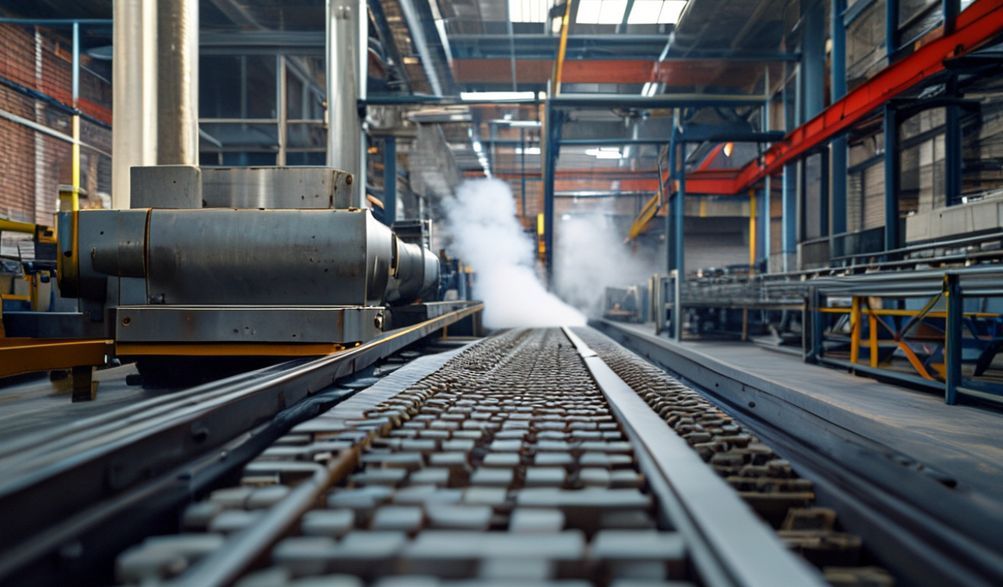
الدليل الشامل لآلات قولبة الطوب: داخل مصنع حديث لصناعة الطوب
في عالم مواد البناء التنافسي، كيف تضمن مصانع الطوب جودة ثابتة وإنتاجية عالية وربحية؟ يكمن الجواب في صميم العملية:آلة صب الكتل.
يستند هذا الدليل إلى عقود من المعرفة الصناعية لتبسيط تقنية قوالب الكتل. سنأخذك داخل عمليات مصنع محترف لصناعة الطوب، مثل فودا، لنريكم ما يجعل خط الإنتاج فعالاً وموثوقاً.
سواء كنت مقاولًا، أو صاحب مصنع ناشئ، أو محترفًا في المجال الصناعي، سيساعدك هذا المنشور على فهم أنواع الآلات، والميزات الرئيسية، ومعايير الاختيار، وأفضل الممارسات التشغيلية. هدفنا هو تقديم معلومات موثوقة وقابلة للتطبيق لمساعدتك في اتخاذ قرارات مستنيرة لعملك.
فهم الصحيحآلة صب الكتلأمر حاسم لأي نجاحمصنع لصناعة الطوب.
فهم آلات تشكيل الكتل: التقنية الأساسية للإنتاج
قبل استكشاف أرضية المصنع، من الضروري فهم أساسيات الآلة التي تجعل كل هذا ممكناً.
ما هي آلة صب الكتل؟
آلة تشكيل البلوك هي قطعة متخصصة من المعدات الصناعية المصممة لتصنيع بلوكات الخرسانة والطوب والرصف. يعتمد مبدأ عملها الأساسي على ضغط خليط خرساني شبه جاف داخل قالب (أو قالب الصب) تحت ضغط عالٍ واهتزاز.
تسحق هذه العملية جيوب الهواء وتضغط المادة بكثافة، مشكلةً كتلةً بالشكل الدقيق والملمس والسلامة الهيكلية المطلوبة للبناء.
في مصنع تصنيع متكامل، تُعد آلة تشكيل الكتل المكون المركزي. فهي النقطة التي تتحول فيها المواد الخام إلى منتج موحد قابل للبيع، وتحدد وتيرة وجودة العملية بأكملها.
أنواع آلات تشكيل الكتل
ليس كل الآلات خُلقت متساوية. الاختيار المناسب يعتمد كلياً على حجم عملك، وميزانيتك، وأهدافك في مجال الأتمتة.
-
الآلات اليدوية وشبه الآلية:هذه هي نقطة الدخول للعديد من الأعمال.
- الآلات اليدويةتتطلب عمالة بشرية كبيرة للتغذية والضغط وإزالة الكتل. وهي منخفضة التكلفة ولكن إنتاجها محدود للغاية.
- آلات شبه آليةتقدم تقنية الاهتزاز الميكانيكي والضغط الهيدروليكي، لكنها لا تزال تتطلب التعامل اليدوي مع القوالب للمعالجة والتكديس. وهي مثالية للمشاريع الصغيرة، الشركات الناشئة، أو إنتاج العناصر المتخصصة منخفضة الحجم.
-
آلات صناعة البلوك الآلية بالكامل:هذا هو العمود الفقري لإنتاج حديث عالي الإنتاجيةمصنع لصناعة الطوبهذه الأنظمة تدمج العملية بأكملها:
- التغذية الآلية للمواد عبر أحزمة النقل.
- دورات تشكيل قابلة للبرمجة مع ضغط/اهتزاز ثابت.
- الطرد الآلي للكتل ونقلها إلى مناطق المعالجة (عبر منصات أو رافعات مكدسة).
- إنها تزيد الإنتاج إلى أقصى حد، وتضمن جودة موحدة، وتخفض تكاليف العمالة بشكل كبير، مما يوفر أفضل عائد استثماري طويل الأجل للإنتاج الجاد.
-
آلات الطوب المتنقلة مقابل الثابتة:
- آلات تصنيع الكتل المتنقلةهي وحدات أصغر حجمًا، وغالبًا ما تكون قابلة للسحب، مصممة لإنتاج البلوكات مباشرة في موقع البناء، مما يلغي تكاليف نقل المنتج النهائي. وهي مثالية للمشاريع الكبيرة والنائية.
- آلات الكتل الثابتةهل توجد المنشآت الثابتة فيمصنع لصناعة الطوبإنها أكبر وأقوى ومصممة للإنتاج المستمر عالي الحجم في بيئة خاضعة للرقابة.
المكونات الرئيسية ووظائفها
تعتمد موثوقية آلة تشكيل الكتل على جودة مكوناتها الأساسية:
- هوبر:نقطة دخول الخلطة الخرسانية المُعدَّة. يضمن القادوس المصمم جيدًا تدفقًا متسقًا وغير منقطع للمادة.
- نظام الناقلينقل الخليط الخام من الخلاط إلى قادوس الآلة في الخطوط الآلية.
- القالب (القوالب):قلب الآلة. هذا المكون الفولاذي عالي المتانة يحدد شكل الكتلة وحجمها ونمط سطحها. تسمح القوالب القابلة للتبديل بإنتاج منتجات متنوعة بواسطة آلة واحدة.
- نظام الاهتزاز:تهزازات التردد العالي تضغط خليط الخرسانة في القالب، مما يزيل الفراغات ويخلق كتلة كثيفة وقوية.
- النظام الهيدروليكي:يوفر الضغط الهائل اللازم لضغط المادة. تؤثر جودة المضخات الهيدروليكية والأسطوانات والصمامات بشكل مباشر على متانة الآلة وأدائها.
- لوحة التحكم:"دماغ" الآلة، خاصة في النماذج الآلية. يسمح للمشغلين بتعيين المعايير، ومراقبة الدورة، وتشخيص المشكلات.
الاستثمار في آلة ذات مكونات قوية ومصممة هندسياً بعناية من شركة مصنعة ذات سمعة طيبة يقلل من وقت التوقف ويضمن جودة منتج متسقة لسنوات.
داخل مصنع محترف لصناعة الطوب: سير عمل إنتاج فودا
دعنا نخطو داخل البيئة المنضبطة والمنهجية لعملية احترافية مثل مصنع الطوب فودا لنرى كيف تتحول النظرية إلى ممارسة.
Raw Material Preparation: The Foundation of Quality
The journey of a perfect block begins long before the mix reaches the machine. Consistency here is non-negotiable.
- Materials Used: A typical mix includes cement (the binder), aggregates (sand, gravel, or crushed stone for bulk and strength), fly ash (an industrial by-product that enhances workability and sustainability), and pigments for colored blocks.
- The Mixing Process: Using a computerized batching system, raw materials are combined in precise ratios. The moisture content is critically controlled; a semi-dry mix is essential for the block to hold its shape immediately after molding.
The Molding Process: Where the Magic Happens
This is the core of the مصنع لصناعة الطوب where the آلة صب الكتل takes center stage.
- التغذية: The prepared mix is conveyed into the machine’s feed hopper.
- ملء The mix is distributed into the mold cavity.
- الضغط: The mold is subjected to intense hydraulic pressure and high-frequency vibration. This dual action compresses the material to its maximum density.
- طرد: The freshly molded, yet still “green,” block is gently pushed out of the mold onto a pallet or conveyor belt.
- تحويل: In an automated factory, blocks on their pallets are automatically moved to the curing area.
Curing and Drying: Achieving Maximum Strength
A newly molded block only has “green strength.” Curing develops its full structural potential.
- التصليب بالبخار: Used in advanced factories, blocks are moved into climate-controlled chambers. Here, controlled heat and humidity accelerate the cement hydration process, allowing blocks to achieve market-ready strength in 24 hours or less.
- Water Curing & Natural Curing: Traditional methods involve sprinkling blocks with water or simply allowing them to cure under tarps. These methods are effective but much slower, taking 7-28 days.
Quality Control & Testing: Ensuring Every Brick Meets Standards
A trustworthy مصنع لصناعة الطوب like FUDA embeds quality checks at every stage.
- الفحوصات أثناء العملية: Operators regularly verify block dimensions, weight, and visual appearance.
- Laboratory Testing: Samples from production batches are tested for:
- قوة الضغط: Crushing blocks in a press to ensure they meet or exceed ASTM or local building code standards.
- Water Absorption: Determining porosity, which affects durability and freeze-thaw resistance.
- الدقة الأبعادية Ensuring consistency for easy, stable construction.
This rigorous commitment to standards is what separates professional suppliers from backyard operations.
How to Choose the Right Block Molding Machine for Your Needs
Selecting your machine is a pivotal investment. Here’s an expert framework for your decision.
تقييم متطلبات الإنتاج
Start by answering these key questions:
- What is my required output (blocks per hour or 8-hour shift)?
- What block types and sizes do I need to produce? (Hollow blocks, solid blocks, pavers?)
- What is my available factory space and power supply (3-phase electricity)?
- What is my realistic budget, including installation, training, and initial spare parts?
Must-Check Features & Specifications
Look beyond the brochure. Scrutinize these details:
- القدرة الإنتاجية: Ensure the stated output matches your needs for your most common block type.
- Power & Energy Consumption: Factor in long-term operational costs.
- مستوى الأتمتة: Balance higher upfront cost against long-term labor savings and consistency.
- تعدد استخدامات القوالب: Can you easily source additional molds for new products?
- خدمة ما بعد البيع: This is arguably the most critical factor. What does the support package include?
Expert Tip: Always calculate the التكلفة الإجمالية للملكية, not just the purchase price. A slightly more expensive, reliable machine with good support will cost less per block over 5 years than a cheap, problematic one.
Red Flags and Green Flags in a Supplier
Red Flags to Avoid:
* Vague or missing technical specifications.
* Inability or unwillingness to provide contactable customer references.
* A warranty that is unclear, very short, or excludes key components.
* Pressure to buy without allowing a factory visit or equipment demonstration.
Green Flags of a Trustworthy Partner:
* Transparency about their manufacturing facility and process.
* Offering comprehensive installation supervision and hands-on operator training.
* Maintaining a clear inventory of wear parts (like mold liners, vibration motors) for quick shipment.
* Providing genuine client testimonials and case studies.
Maximizing Efficiency and ROI in Your Brick Making Operation
Your machine is an asset. Proper operation and planning determine its return.
Operational Best Practices for Machine Longevity
- Daily: Clean the machine, especially the mold area, to prevent concrete buildup.
- Weekly: Check hydraulic fluid levels, inspect hoses for wear, and lubricate all moving parts as per the manual.
- Per Shift: Visually inspect molds for damage or excessive wear that could affect block quality.
Optimizing the Production Line Layout
Efficiency is about smooth material flow. A well-planned layout minimizes handling and delays.
- Position the raw material storage (cement silos, aggregate bays) for easy access to the mixer.
- Place the mixer to feed directly into the آلة صب الكتل‘s conveyor.
- Ensure a clear, direct path from the machine to the curing area (racks or chambers).
- Designate ample space for post-curing storage and loading.
Calculating Your Return on Investment (ROI)
A simplified framework to estimate your payback period:
- Total Investment: Machine cost + Installation + Initial raw material stock.
- Monthly Operating Costs: Raw materials + Labor + Energy + Maintenance.
- Monthly Revenue: (Blocks produced per month) x (Selling price per block).
- Monthly Gross Profit: Monthly Revenue – Monthly Operating Costs.
- Simple Payback Period: Total Investment / Monthly Gross Profit.
مثال: If your total investment is $100,000 and your monthly gross profit is $10,000, your payback period is approximately 10 months. After that, the profit contributes directly to your bottom line.
Frequently Asked Questions (FAQ) About Block Molding Machines
Q1: What is the average production capacity of a standard block molding machine?
A: Capacities vary widely. Small manual machines may produce 500-1000 blocks per 8-hour shift, while fully automatic lines in a large مصنع لصناعة الطوب can produce over 10,000 blocks in the same time. The specific model and block size are determining factors.
Q2: Can one machine produce different types of blocks and pavers?
A: Yes, most machines are designed with interchangeable molds. A versatile آلة صب الكتل can produce hollow blocks, solid blocks, interlocking pavers, curb stones, and more by simply changing the mold (die). Always confirm this capability with your supplier.
Q3: What kind of after-sales support should I expect from the manufacturer?
A: Reputable manufacturers offer installation supervision, operator training, a clear warranty (1+ years on core parts), and readily available technical support and spare parts. This support is crucial for minimizing downtime.
Q4: How important is the raw material mix for the final block quality?
A: Extremely important. The machine provides form and compaction, but the raw material mix determines the block’s strength, durability, and finish. A consistent, well-proportioned mix is non-negotiable for professional-grade results.
خاتمة
اختيار الـآلة صب الكتل is the most critical decision for establishing or upgrading a مصنع لصناعة الطوب. It affects everything from product quality and brand reputation to operational efficiency and long-term profitability.
Success is built on a triad of pillars: robust, well-engineered machinery (demonstrating الخبرة), optimized and systematic factory processes (establishing السلطة), and an unwavering commitment to quality control and supplier reliability (building الثقة).
Use this guide as a framework for your research. Visit factories, ask detailed, technical questions of potential suppliers, and prioritize long-term partnership and support over the lowest initial price. With the right equipment and knowledge, your brick making operation can build a truly solid foundation for growth in the ever-evolving construction industry.
<