
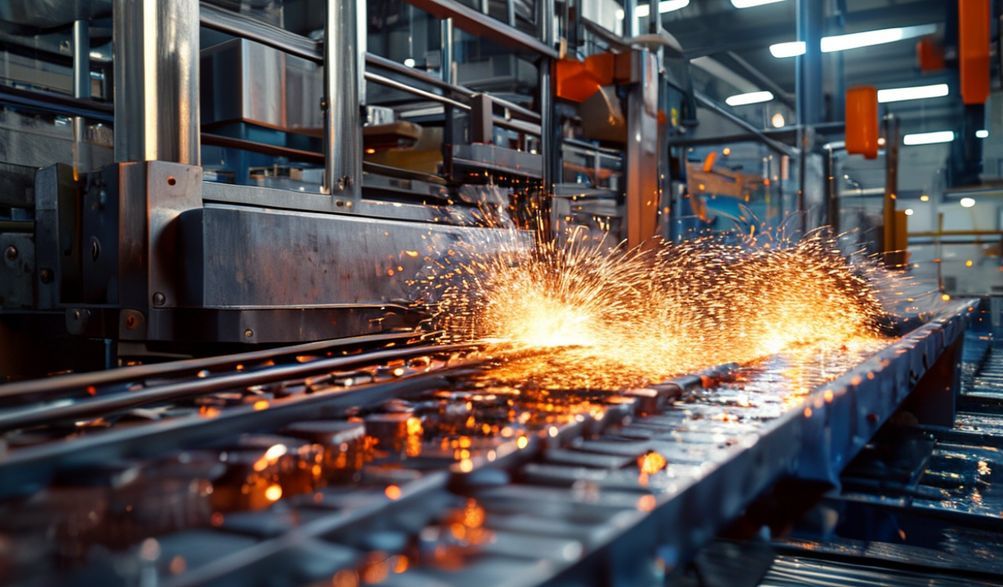
الدليل الشامل لآلات صنع الطوب والرصف: الأنواع، المزايا، وكيفية الاختيار
مقدمة
من أساسات منازلنا إلى الممرات في أفنيتنا الخلفية، تُشكل الطوب والأحجار الرصف العمود الفقري الصامت والمتين لبيئتنا المبنية. لقرون، اعتمد إنتاجها على العمل اليدوي المكثف، مما حد من نطاقها واتساقها. اليوم، أحدثت الأتمتة ثورة في هذه الصناعة الحيوية.آلة صنع الطوب والرصفإنه ليس مجرد أداة؛ بل هو قطعة تحويلية من المعدات الصناعية التي تمكن الشركات من تلبية الطلبات المتصاعدة في البناء بدقة وكفاءة وربحية.
هذا الدليل الشامل مصمم ليكون مصدرك النهائي. سواء كنت مقاولًا تهدف إلى إنتاج داخلي، أو رائد أعمال تطلق مشروعًا لمواد البناء، أو مدير مشروع تقيّم الخيارات، فقد جمعنا رؤى حاسمة من المواصفات الصناعية، وبيانات الشركات المصنعة، وأفضل الممارسات التشغيلية. هدفنا هو تحويل الآليات المعقدة إلى معرفة واضحة وقابلة للتطبيق.
بنهاية هذا الدليل، ستتمكن بثقة من فهم الأنواع المختلفة من الآلات، وفوائدها الأساسية، والعوامل الحاسمة التي تدخل في اختيار النموذج المناسب لاحتياجاتك المحددة وميزانيتك. دعونا نبني قاعدة معرفية صلبة.
فهم آلات صنع الطوب والرصف: المفاهيم الأساسية
Before diving into specifications and costs, it’s essential to grasp what these machines are and the fundamental principles behind their operation.
What is a Brick and Paving Making Machine?
At its core, a brick and paving making machine is a mechanized system designed to automate the molding and compaction of raw materials into standardized construction units. These units can include solid or hollow blocks, decorative pavers, kerbstones, and interlocking bricks.
The machine takes raw materials—most commonly concrete (cement, sand, aggregate), but also clay, fly ash, or soil—and transforms them into dense, durable products through a combination of vibration, hydraulic pressure, or mechanical force. This stands in stark contrast to manual molding, which is inconsistent, slow, and physically demanding. The machine ensures every single unit meets precise dimensional and strength specifications.
How Do These Machines Work? The Basic Process
While models vary in complexity, the core production process follows a logical sequence:
- التغذية: Raw materials, pre-mixed to a specific ratio, are fed into the machine’s hopper. In automated systems, this is done via conveyor belts or feeders.
- خلط: Some integrated systems include a pan mixer, but often materials are mixed externally and then transported to the hopper.
- التشكيل والضغط: This is the heart of the process. The mixed material is dropped into a mold (also called a “mold box”). The machine then applies intense vibration and/or hydraulic pressure to compact the material, removing air pockets and achieving high density.
- طرد: The freshly formed, but still wet, brick or paver is ejected from the mold onto a wooden or steel pallet, or a conveyor belt.
- التجفيف/التجفيف: The products on their pallets are moved to a curing area. For concrete products, this typically involves 24+ hours of natural or steam-assisted curing to gain strength. Clay bricks require drying and firing in a kiln.
This streamlined process repeats every cycle, which can be as short as 10-20 seconds in high-speed automatic machines.
Types of Brick and Paving Making Machines
The market offers a diverse range of machines. Choosing the right one starts with understanding the classifications.
حسب التشغيل: يدوي، شبه آلي، وآلي بالكامل
This classification is primarily based on the level of human intervention required.
-
الآلات اليدوية:
- كيف تعمل: All operations—feeding, compacting (often via a lever), and ejection—are performed by hand.
- الأفضل لـ: Extremely small-scale projects, DIY enthusiasts, or producing unique, custom shapes where volume is not a concern.
- مزايا: Very low initial investment, simple to understand, no power required for some models.
- سلبيات: Very low output (100-500 blocks/day), high labor intensity, inconsistent product quality.
-
الآلات شبه الآلية:
- كيف تعمل: The core compaction and vibration are powered (electrical or diesel). Key processes like feeding raw material and removing finished products are manual. They often use a single mold that is filled, vibrated, and then manually moved to a drying area.
- الأفضل لـ: Small to medium-sized businesses, startups, and contractors. They offer an excellent balance between cost, output, and control.
- مزايا: Good output (1,000 – 5,000 blocks/day), significantly better quality and consistency than manual, moderate investment.
- سلبيات: Still labor-intensive for material handling, output is limited by operator speed.
-
آلات أوتوماتيكية بالكامل:
- كيف تعمل: These are complete production lines controlled by programmable logic controllers (PLCs). They feature automated material batching, conveyor feeding, simultaneous multi-cavity molding, automatic pallet handling, and product stacking. Operator roles shift to supervision and maintenance.
- الأفضل لـ: Large-scale commercial production plants supplying construction companies, municipalities, or large retailers.
- مزايا: Very high output (10,000+ blocks/day), exceptional consistency, minimal labor costs per unit, high efficiency.
- سلبيات: High capital investment, require significant space and stable 3-phase power, need skilled technicians for maintenance.
By Output Product: Block Machines, Paver Machines, and Interlocking Brick Machines
Machines are often optimized for specific product types, defined by their mold systems and pressure profiles.
- آلات صناعة الطوب: Designed to produce heavy-duty concrete blocks—hollow blocks, solid blocks, and chimney blocks. They focus on high compaction force to achieve the required compressive strength for load-bearing walls.
- آلات صناعة البلاط: Engineered to produce thinner, surface-level products like paving stones, patio slabs, and kerbstones. They prioritize fine surface finish, color consistency (through layer feeding), and wear resistance. Vibration is key for a smooth, dense finish.
- آلات الطوب المتشابك: A specialized category that produces bricks or blocks with designed ridges and grooves. These units lock together without mortar, creating stable pavements or walls. The machines require precise molds to ensure the interlocking mechanism is perfectly formed every time.
By Raw Material: Concrete, Clay, and Fly Ash Brick Machines
The raw material dictates the machine’s design and the required post-production process.
- آلات الطوب الخرساني: The most common type. They work with a mix of cement, sand, and aggregate. They can be stationary (for factory production) or محمول (mounted on a trailer for on-site production). Curing is hydraulic (water-based).
- آلات الطوب الطيني: These machines mold natural clay or shale. The extrusion process is common, creating a continuous column of clay that is then wire-cut into individual bricks. The key differentiator is that the output requires drying and subsequent firing in a kiln at high temperatures.
- آلات تصنيع الطوب من الرماد المتطاير: An eco-friendly and cost-effective alternative. They use fly ash (a waste product from coal plants) mixed with lime, gypsum, and a small amount of cement. They rely on high-pressure hydraulic compaction (often 100+ tons) and steam curing chambers to produce strong, lightweight bricks.
Key Benefits of Investing in a Production Machine
Moving from manual or outsourced production to an in-house machine offers compelling advantages that directly impact your bottom line and competitive edge.
Unmatched Efficiency and High-Volume Production
Automation shatters the output limitations of manual labor.
* A single semi-automatic machine can produce more in one hour than a team of manual workers can in a full day.
* This allows you to take on larger contracts, fulfill orders faster, and scale your business predictably.
تفوق في الاتساق وجودة المنتج
Mechanical precision is irreplaceable.
* Every brick or paver has identical dimensions, ensuring perfect alignment during construction and reducing mortar use.
* Controlled vibration and pressure create uniform density, which translates directly to higher compressive strength and longer product lifespan.
* Consistent quality builds your brand’s reputation for reliability.
تخفيض كبير في التكاليف على المدى الطويل
The initial investment is quickly offset by ongoing savings:
* تكاليف العمالة Drastically reduce the number of workers needed per unit produced.
* هدر المواد: Precise mixing and molding minimize spillage and rejected batches.
* وفورات الحجم: Producing in-house at volume reduces your per-unit cost, increasing profit margins.
Versatility in Product Design
Market demands change. A good machine offers agility.
* By simply changing the mold, you can switch from producing standard bricks to decorative garden pavers, hollow blocks, or interlocking stones.
* This allows you to respond to trends, offer a broader product catalog, and diversify your revenue streams without major new investments.
How to Choose the Right Machine: A Buyer’s Checklist
Selecting a machine is a strategic decision. Use this checklist to guide your evaluation and ensure a trustworthy investment.
Assess Your Production Requirements
Start with clear, honest answers to these questions:
* What is my target daily or monthly output? Be realistic about current demand and growth projections.
* What specific products do I need to make? (Hollow blocks, pavers, interlocking bricks?)
* What is my available factory or yard space? Include room for raw material storage, the machine, and a curing area.
* What is my available budget, including setup costs?
Evaluate Machine Specifications Critically
Look beyond the sales brochure. Key specs include:
* وقت الدورة: How many seconds to produce one mold of products? This dictates maximum output.
* سعة الضغط (الطاقة بالطن): Higher tonnage (e.g., 100 tons vs. 30 tons) generally means denser, stronger bricks, especially for fly ash or soil-cement blocks.
* قوة المحرك: Indicates the machine’s capability and energy consumption.
* مستوى الأتمتة: Match this directly to your labor availability and output goals.
Consider Raw Material Availability and Cost
Your most abundant and affordable local material should guide your choice.
* Is cement and aggregate cheap and readily available? A آلة صنع الطوب الخرساني is ideal.
* Do you have access to low-cost or free fly ash from a local power plant? A fly ash brick press offers a huge cost advantage.
* Is quality clay soil your primary resource? Then a clay brick extruder and kiln are your path.
Total Cost of Ownership: Beyond the Sticker Price
The purchase price is just the beginning. Factor in:
* Installation and foundation costs.
* Shipping and import duties (if applicable).
* Cost of spare parts and routine maintenance.
* Energy consumption (power rating).
* Operator training requirements.
The Importance of Supplier Reputation and Support
هنا حيثالخبرة، والخبرة المتخصصة، والموثوقية، والجدارة بالثقة (E-E-A-T) become critical.
* خبرة Choose a supplier with a long track record and physical examples of their machines in operation.
* الخبرة They should provide detailed technical documentation, material mix designs, and clear answers to your specific questions.
* السلطة أو المصداقية Look for industry certifications, positive customer testimonials, and case studies.
* الثقة: A reliable supplier offers a solid warranty, ready availability of spare parts, and responsive after-sales service. Always ask for references and contact them.
Essential Operation and Maintenance Tips
Protect your investment and ensure peak performance with proper care from day one.
Best Practices for Optimal Machine Operation
- Consistent Mix Ratio: Use a weigh-batching system for raw materials. Even small variations in water-cement ratio can affect strength and cause sticking.
- Even Feeding: Ensure the mold cavity is filled uniformly to avoid weak spots or incomplete bricks.
- Safety First: Always follow lock-out/tag-out procedures during cleaning or mold changes. Ensure all operators wear appropriate PPE.
Routine Maintenance Schedule for Longevity
A little preventative care prevents major downtime.
* Daily: Clean the machine thoroughly at the end of each shift, especially the mold, hopper, and press head. Check for loose bolts.
* Weekly: Lubricate all moving parts as per the manufacturer’s manual. Inspect hydraulic hoses for leaks.
* Monthly: Check the vibration motor mounts and wear parts. Inspect the mold for damage or excessive wear that could affect product dimensions.
Troubleshooting Common Issues
- Problem: Poor Compaction/Weak Bricks.
- Likely Cause: Incorrect mix (too dry or too wet), insufficient vibration time, or low pressure.
- Solution: Recalibrate mix design, check timer settings, ensure hydraulic pressure is adequate.
- Problem: Surface Cracks or Chipping.
- Likely Cause: Too much water in the mix, improper curing (drying too fast), or rough handling during ejection.
- Solution: Adjust water content, improve curing environment (use plastic sheeting), check ejection mechanism alignment.
- Problem: Sticking in the Mold.
- Likely Cause: Worn or dirty mold, lack of mold release agent (if used), or a mix that is too wet.
- Solution: Clean the mold thoroughly, apply a recommended release agent, and tweak the mix consistency.
الأسئلة الشائعة (FAQ)
Q1: What is the average cost range for a brick making machine?
أ: Costs vary dramatically. A simple manual machine can start at a few thousand dollars. A quality semi-automatic machine typically ranges from $15,000 to $50,000. Fully automatic production lines can cost from $100,000 to over $500,000, depending on capacity and sophistication. Your budget must align with your chosen type and output goals.
Q2: Can one machine produce both bricks and paving stones?
أ: Yes, many machines are versatile. The key is the mold. By swapping out the mold box, you can produce different products. However, for dedicated, high-volume production of a single product type, a specialized machine (e.g., a paver-specific vibrator table) may be more efficient.
Q3: What is the typical payback period on this investment?
أ: This varies widely based on local market prices, production volume, and operational efficiency. For a well-utilized semi-automatic machine in an active construction market, a payback period of 1 to 3 years is common. A detailed business plan with local cost and price data is essential to calculate this accurately.
Q4: How much space and what kind of power supply is needed?
أ: A small semi-automatic setup, including curing space, may require 500 to 1,000 square feet. Electrically powered machines almost always require a robust 3-phase industrial power connection (380-415V). Always confirm the specific voltage and amperage requirements with the supplier before purchase.
Q5: Are there eco-friendly options for brick making machines?
أ: Absolutely. The most prominent eco-friendly option is the آلة صنع الطوب من الرماد المتطاير, which repurposes industrial waste. Similarly, machines that use soil or other stabilized earth reduce cement consumption. Furthermore, non-fired processes (used for concrete and fly ash bricks) save the massive energy required to fire clay bricks in kilns, significantly reducing the carbon footprint.
خاتمة
اختيار الـ... المناسبآلة صنع الطوب والرصف is a pivotal decision that hinges on a clear understanding of your production needs, raw material landscape, and financial parameters. It’s an investment not just in equipment, but in the future growth and quality standards of your business.
We encourage you to use this guide as a starting point for thorough research. Consult with multiple reputable suppliers, ask for detailed demonstrations, and speak to their existing customers. This due diligence is the hallmark of a trustworthy investment.
Ultimately, the right machine is more than a piece of hardware; it’s a tool for building resilience, driving profitability, and contributing to the infrastructure of your community. Take the next step by delving into specific models that match your checklist or reaching out to established industry experts for personalized guidance.
<