
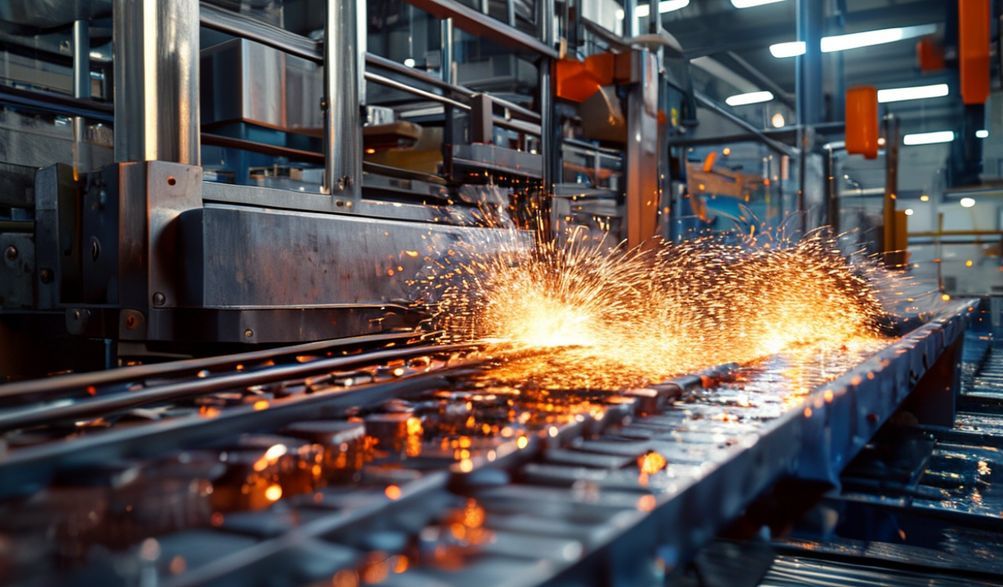
Полное руководство по машинам для производства кирпича и тротуарной плитки: типы, преимущества и как выбрать
Введение
От фундаментов наших домов до патио на задних дворах, кирпичи и тротуарная плитка являются тихим, прочным каркасом нашей искусственной среды. Веками их производство зависело от интенсивного ручного труда, что ограничивало масштабы и единообразие. Сегодня автоматизация произвела революцию в этой важнейшей отрасли. СовременныйМашина для производства кирпича и тротуарной плиткиЭто не просто инструмент; это преобразующее промышленное оборудование, которое позволяет предприятиям удовлетворять растущие строительные потребности с точностью, эффективностью и прибыльностью.
Это всеобъемлющее руководство создано как ваш окончательный источник информации. Независимо от того, являетесь ли вы подрядчиком, стремящимся наладить собственное производство, предпринимателем, запускающим бизнес по производству каменных изделий, или менеджером проекта, оценивающим варианты, — мы собрали ключевые сведения из отраслевых стандартов, данных производителей и лучших практик эксплуатации. Наша цель — преобразовать сложное оборудование в понятные, применимые на практике знания.
К концу этого руководства вы будете уверенно разбираться в различных типах машин, их ключевых преимуществах и важнейших факторах, которые следует учитывать при выборе подходящей модели под ваши конкретные потребности и бюджет. Давайте заложим прочную основу знаний.
Понимание машин для производства кирпича и тротуарной плитки: основные концепции
Прежде чем углубляться в технические характеристики и стоимость, необходимо понять, что представляют собой эти машины и основные принципы их работы.
Что такое машина для производства кирпича и тротуарной плитки?
По своей сути, станок для производства кирпича и тротуарной плитки представляет собой механизированную систему, предназначенную для автоматизации формовки и уплотнения сырья в стандартные строительные элементы. К таким элементам относятся полнотелые и пустотелые блоки, декоративная тротуарная плитка, бордюрный камень и замковый кирпич.
Машина принимает сырье — чаще всего бетон (цемент, песок, заполнитель), а также глину, золу-унос или почву — и преобразует их в плотные, прочные изделия с помощью вибрации, гидравлического давления или механического воздействия. Это резко контрастирует с ручной формовкой, которая непоследовательна, медленна и требует больших физических усилий. Машина гарантирует, что каждая единица продукции соответствует точным требованиям по размерам и прочности.
Как работают эти машины? Основной процесс
Хотя модели различаются по сложности, основной производственный процесс следует логической последовательности:
- Кормление:Сырье, предварительно смешанное в определенной пропорции, подается в бункер машины. В автоматизированных системах это осуществляется с помощью конвейерных лент или питателей.
- Смешивание: Some integrated systems include a pan mixer, but often materials are mixed externally and then transported to the hopper.
- Формование и уплотнение: This is the heart of the process. The mixed material is dropped into a mold (also called a “mold box”). The machine then applies intense vibration and/or hydraulic pressure to compact the material, removing air pockets and achieving high density.
- Выброс: The freshly formed, but still wet, brick or paver is ejected from the mold onto a wooden or steel pallet, or a conveyor belt.
- Курация/Сушка: The products on their pallets are moved to a curing area. For concrete products, this typically involves 24+ hours of natural or steam-assisted curing to gain strength. Clay bricks require drying and firing in a kiln.
This streamlined process repeats every cycle, which can be as short as 10-20 seconds in high-speed automatic machines.
Types of Brick and Paving Making Machines
The market offers a diverse range of machines. Choosing the right one starts with understanding the classifications.
По типу управления: ручная, полуавтоматическая и полностью автоматическая
This classification is primarily based on the level of human intervention required.
-
Ручные станки:
- Как они работают: All operations—feeding, compacting (often via a lever), and ejection—are performed by hand.
- Лучше всего подходит для: Extremely small-scale projects, DIY enthusiasts, or producing unique, custom shapes where volume is not a concern.
- Плюсы: Very low initial investment, simple to understand, no power required for some models.
- Минусы: Very low output (100-500 blocks/day), high labor intensity, inconsistent product quality.
-
Полуавтоматические станки:
- Как они работают: The core compaction and vibration are powered (electrical or diesel). Key processes like feeding raw material and removing finished products are manual. They often use a single mold that is filled, vibrated, and then manually moved to a drying area.
- Лучше всего подходит для: Small to medium-sized businesses, startups, and contractors. They offer an excellent balance between cost, output, and control.
- Плюсы: Good output (1,000 – 5,000 blocks/day), significantly better quality and consistency than manual, moderate investment.
- Минусы: Still labor-intensive for material handling, output is limited by operator speed.
-
Полностью автоматические машины:
- Как они работают: These are complete production lines controlled by programmable logic controllers (PLCs). They feature automated material batching, conveyor feeding, simultaneous multi-cavity molding, automatic pallet handling, and product stacking. Operator roles shift to supervision and maintenance.
- Лучше всего подходит для: Large-scale commercial production plants supplying construction companies, municipalities, or large retailers.
- Плюсы: Very high output (10,000+ blocks/day), exceptional consistency, minimal labor costs per unit, high efficiency.
- Минусы: High capital investment, require significant space and stable 3-phase power, need skilled technicians for maintenance.
By Output Product: Block Machines, Paver Machines, and Interlocking Brick Machines
Machines are often optimized for specific product types, defined by their mold systems and pressure profiles.
- Машины для производства блоков: Designed to produce heavy-duty concrete blocks—hollow blocks, solid blocks, and chimney blocks. They focus on high compaction force to achieve the required compressive strength for load-bearing walls.
- Машины для производства тротуарной плитки: Engineered to produce thinner, surface-level products like paving stones, patio slabs, and kerbstones. They prioritize fine surface finish, color consistency (through layer feeding), and wear resistance. Vibration is key for a smooth, dense finish.
- Машины для производства блоков с замковым соединением: A specialized category that produces bricks or blocks with designed ridges and grooves. These units lock together without mortar, creating stable pavements or walls. The machines require precise molds to ensure the interlocking mechanism is perfectly formed every time.
By Raw Material: Concrete, Clay, and Fly Ash Brick Machines
The raw material dictates the machine’s design and the required post-production process.
- Машины для производства бетонных кирпичей: The most common type. They work with a mix of cement, sand, and aggregate. They can be stationary (for factory production) or мобильный (mounted on a trailer for on-site production). Curing is hydraulic (water-based).
- Машины для производства глиняного кирпича: These machines mold natural clay or shale. The extrusion process is common, creating a continuous column of clay that is then wire-cut into individual bricks. The key differentiator is that the output requires drying and subsequent firing in a kiln at high temperatures.
- Машины для производства кирпичей из золы-уноса: An eco-friendly and cost-effective alternative. They use fly ash (a waste product from coal plants) mixed with lime, gypsum, and a small amount of cement. They rely on high-pressure hydraulic compaction (often 100+ tons) and steam curing chambers to produce strong, lightweight bricks.
Key Benefits of Investing in a Production Machine
Moving from manual or outsourced production to an in-house machine offers compelling advantages that directly impact your bottom line and competitive edge.
Unmatched Efficiency and High-Volume Production
Automation shatters the output limitations of manual labor.
* A single semi-automatic machine can produce more in one hour than a team of manual workers can in a full day.
* This allows you to take on larger contracts, fulfill orders faster, and scale your business predictably.
Превосходная стабильность и качество продукции
Mechanical precision is irreplaceable.
* Every brick or paver has identical dimensions, ensuring perfect alignment during construction and reducing mortar use.
* Controlled vibration and pressure create uniform density, which translates directly to higher compressive strength and longer product lifespan.
* Consistent quality builds your brand’s reputation for reliability.
Значительное долгосрочное снижение затрат
The initial investment is quickly offset by ongoing savings:
* Трудовые затраты: Drastically reduce the number of workers needed per unit produced.
* Материальные отходы: Precise mixing and molding minimize spillage and rejected batches.
* Эффект масштаба: Producing in-house at volume reduces your per-unit cost, increasing profit margins.
Versatility in Product Design
Market demands change. A good machine offers agility.
* By simply changing the mold, you can switch from producing standard bricks to decorative garden pavers, hollow blocks, or interlocking stones.
* This allows you to respond to trends, offer a broader product catalog, and diversify your revenue streams without major new investments.
How to Choose the Right Machine: A Buyer’s Checklist
Selecting a machine is a strategic decision. Use this checklist to guide your evaluation and ensure a trustworthy investment.
Assess Your Production Requirements
Start with clear, honest answers to these questions:
* What is my target daily or monthly output? Be realistic about current demand and growth projections.
* What specific products do I need to make? (Hollow blocks, pavers, interlocking bricks?)
* What is my available factory or yard space? Include room for raw material storage, the machine, and a curing area.
* What is my available budget, including setup costs?
Evaluate Machine Specifications Critically
Look beyond the sales brochure. Key specs include:
* Время цикла: How many seconds to produce one mold of products? This dictates maximum output.
* Pressure Capacity (Tonnage): Higher tonnage (e.g., 100 tons vs. 30 tons) generally means denser, stronger bricks, especially for fly ash or soil-cement blocks.
* Мощность двигателя: Indicates the machine’s capability and energy consumption.
* Уровень автоматизации: Match this directly to your labor availability and output goals.
Consider Raw Material Availability and Cost
Your most abundant and affordable local material should guide your choice.
* Is cement and aggregate cheap and readily available? A машина для производства бетонных блоков is ideal.
* Do you have access to low-cost or free fly ash from a local power plant? A fly ash brick press offers a huge cost advantage.
* Is quality clay soil your primary resource? Then a clay brick extruder and kiln are your path.
Total Cost of Ownership: Beyond the Sticker Price
The purchase price is just the beginning. Factor in:
* Installation and foundation costs.
* Shipping and import duties (if applicable).
* Cost of spare parts and routine maintenance.
* Energy consumption (power rating).
* Operator training requirements.
The Importance of Supplier Reputation and Support
Это то место, гдеОпыт, Экспертиза, Авторитетность и Надёжность (E-E-A-T) become critical.
* Опыт: Choose a supplier with a long track record and physical examples of their machines in operation.
* Экспертиза: They should provide detailed technical documentation, material mix designs, and clear answers to your specific questions.
* Авторитетность: Look for industry certifications, positive customer testimonials, and case studies.
* Доверие: A reliable supplier offers a solid warranty, ready availability of spare parts, and responsive after-sales service. Always ask for references and contact them.
Essential Operation and Maintenance Tips
Protect your investment and ensure peak performance with proper care from day one.
Best Practices for Optimal Machine Operation
- Consistent Mix Ratio: Use a weigh-batching system for raw materials. Even small variations in water-cement ratio can affect strength and cause sticking.
- Even Feeding: Ensure the mold cavity is filled uniformly to avoid weak spots or incomplete bricks.
- Safety First: Always follow lock-out/tag-out procedures during cleaning or mold changes. Ensure all operators wear appropriate PPE.
Routine Maintenance Schedule for Longevity
A little preventative care prevents major downtime.
* Ежедневно: Clean the machine thoroughly at the end of each shift, especially the mold, hopper, and press head. Check for loose bolts.
* Weekly: Lubricate all moving parts as per the manufacturer’s manual. Inspect hydraulic hoses for leaks.
* Monthly: Check the vibration motor mounts and wear parts. Inspect the mold for damage or excessive wear that could affect product dimensions.
Устранение распространённых проблем
- Problem: Poor Compaction/Weak Bricks.
- Likely Cause: Incorrect mix (too dry or too wet), insufficient vibration time, or low pressure.
- Solution: Recalibrate mix design, check timer settings, ensure hydraulic pressure is adequate.
- Problem: Surface Cracks or Chipping.
- Likely Cause: Too much water in the mix, improper curing (drying too fast), or rough handling during ejection.
- Solution: Adjust water content, improve curing environment (use plastic sheeting), check ejection mechanism alignment.
- Problem: Sticking in the Mold.
- Likely Cause: Worn or dirty mold, lack of mold release agent (if used), or a mix that is too wet.
- Solution: Clean the mold thoroughly, apply a recommended release agent, and tweak the mix consistency.
Frequently Asked Questions (FAQ)
Q1: What is the average cost range for a brick making machine?
А: Costs vary dramatically. A simple manual machine can start at a few thousand dollars. A quality semi-automatic machine typically ranges from $15,000 to $50,000. Fully automatic production lines can cost from $100,000 to over $500,000, depending on capacity and sophistication. Your budget must align with your chosen type and output goals.
Q2: Can one machine produce both bricks and paving stones?
А: Yes, many machines are versatile. The key is the mold. By swapping out the mold box, you can produce different products. However, for dedicated, high-volume production of a single product type, a specialized machine (e.g., a paver-specific vibrator table) may be more efficient.
Q3: What is the typical payback period on this investment?
А: This varies widely based on local market prices, production volume, and operational efficiency. For a well-utilized semi-automatic machine in an active construction market, a payback period of 1 to 3 years is common. A detailed business plan with local cost and price data is essential to calculate this accurately.
Q4: How much space and what kind of power supply is needed?
А: A small semi-automatic setup, including curing space, may require 500 to 1,000 square feet. Electrically powered machines almost always require a robust 3-phase industrial power connection (380-415V). Always confirm the specific voltage and amperage requirements with the supplier before purchase.
Q5: Are there eco-friendly options for brick making machines?
А: Absolutely. The most prominent eco-friendly option is the машина для производства кирпича из золы-уноса, which repurposes industrial waste. Similarly, machines that use soil or other stabilized earth reduce cement consumption. Furthermore, non-fired processes (used for concrete and fly ash bricks) save the massive energy required to fire clay bricks in kilns, significantly reducing the carbon footprint.
Заключение
Choosing the right Машина для производства кирпича и тротуарной плитки is a pivotal decision that hinges on a clear understanding of your production needs, raw material landscape, and financial parameters. It’s an investment not just in equipment, but in the future growth and quality standards of your business.
We encourage you to use this guide as a starting point for thorough research. Consult with multiple reputable suppliers, ask for detailed demonstrations, and speak to their existing customers. This due diligence is the hallmark of a trustworthy investment.
Ultimately, the right machine is more than a piece of hardware; it’s a tool for building resilience, driving profitability, and contributing to the infrastructure of your community. Take the next step by delving into specific models that match your checklist or reaching out to established industry experts for personalized guidance.
<