مقدمة
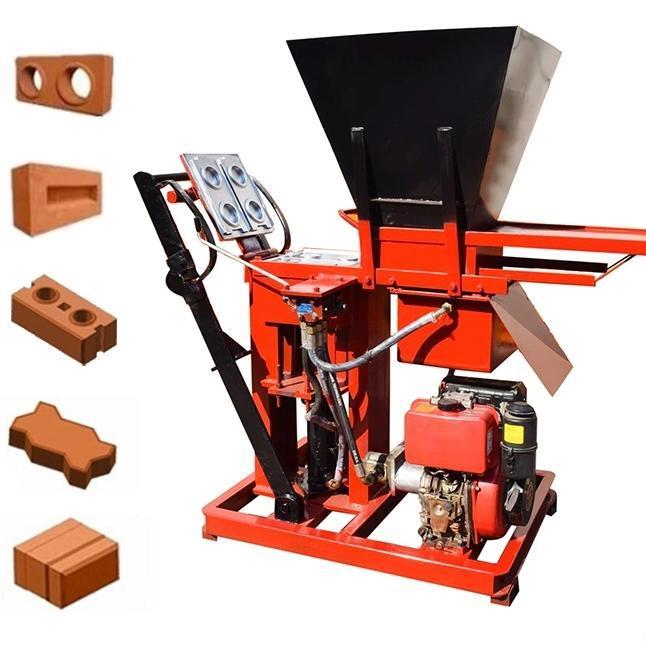
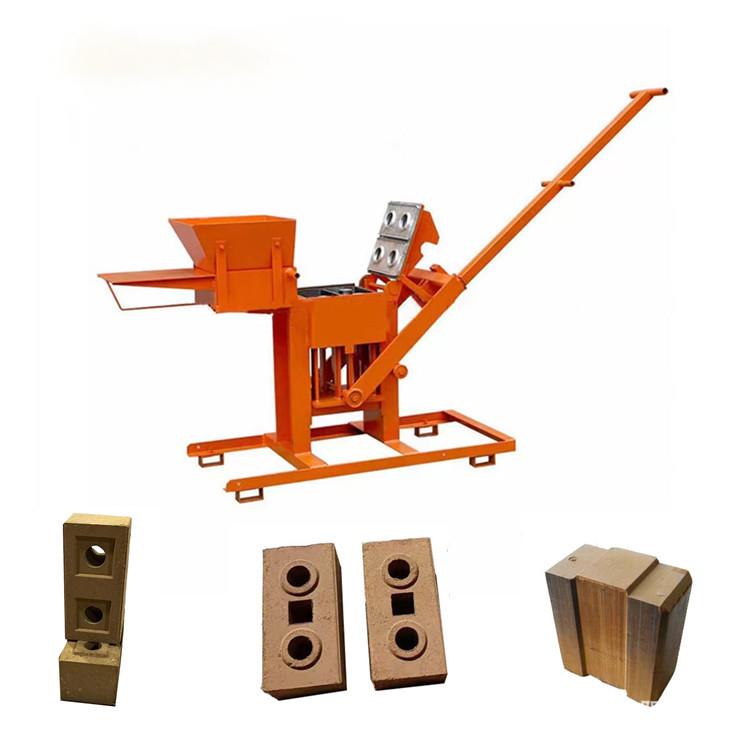
يشهد المشهد الإنشائي العالمي تحولاً نموذجياً نحو منهجيات البناء المستدامة والفعالة من حيث التكلفة، حيث تبرز تقنية الطوب المتشابك كنهج ثوري لمعالجة تحديات الإسكان والبنية التحتية. ضمن هذا النظام البيئي التكنولوجي، تمثل آلات صنع الطوب المتشابك اليدوية نقطة الدخول الأساسية، حيث تجمع بين سهولة الوصول ومبادئ البناء المبتكرة. بالنسبة لموزعي المعدات وأخصائيي المشتريات العاملين في الأسواق الحساسة للسعر أو المحدودة البنية التحتية، تقدم هذه الآلات فرصة عمل مقنعة تربط بين الحرفية التقليدية والهندسة الحديثة. على عكس نظيراتها الآلية، تجسد الآلات اليدوية البساطة والمتانة والاستقلالية التشغيلية التي تجعلها مناسبة بشكل فريد لقطاعات سوقية وسيناريوهات تطبيقية محددة.
الهندسة التقنية والميكانيكا التشغيلية
تتمحور الفلسفة الهندسية وراء آلات الطوب المتشابك اليدوية حول إعطاء الأولوية للكفاءة الميكانيكية على الأتمتة المزودة بالطاقة، مما يؤدي إلى إنشاء أنظمة قوية قادرة على إنتاج مكونات دقيقة من خلال التشغيل بالطاقة البشرية.
المبادئ التصميمية الأساسية وسلامة الهيكل
تعكس منهجية بناء الآلات اليدوية تركيزاً متعمداً على المتانة والميزة الميكانيكية.
- أنظمة الضغط القائمة على الرافعة المالية
تستخدم الآلات اليدوية ترتيبات معقدة للعتلات تحول الجهد البشري إلى قوة ضغط كبيرة. من خلال نسب ميكانيكية محسوبة بعناية تتراوح عادة من ١:١٢ إلى ١:٢٥، تتيح هذه الأنظمة للمشغلين توليد ضغط دك يتراوح بين ٨٠٠ و١٢٠٠ رطل لكل بوصة مربعة - وهو ما يكفي لإنتاج طوب متشابك ذي هيكل قابل للتطبيق. تتضمن هندسة النفوذ اعتبارات بيئية عملانية لتعظيم تطبيق القوة مع تقليل إجهاد المشغل خلال جلسات الإنتاج الممتدة. - البناء الإطاري المعياري ومواصفات المواد
تتميز الآلات اليدوية عالية الجودة بأطر مصنوعة من مقاطع فولاذية مجوفة مستطيلة بسمك جدار يتراوح بين 4-6 ملم، مما يوفر الصلابة الهيكلية اللازمة لتحمل دورات الضغط المتكررة دون تشوه. تتلقى نقاط الإجهاد الحرزة تعزيزًا إضافيًا من خلال ألواح التقوية وعناصر التقاطع. يتضمن اختيار المواد عادةً الفولاذ الطري مع طلاءات مقاومة للتآكل، على الرغم من أن الموديلات المتميزة قد تدمج سبائك فولاذية متخصصة في نقاط المحور وأسطح التآكل لإطالة العمر التشغيلي. - تقنية القوالب الدقيقة وآلية التداخل
تتمثل القيمة الأساسية المقترحة في نظام القالب، الذي يجب أن يحافظ على الدقة البعدية ضمن ±0.75 ملم على الرغم من بيئة التشغيل اليدوية. عادةً ما تُصنع مكونات القالب من الفولاذ عالي الكربون أو سبائك الحديد مع معالجة حرارية متخصصة لمقاومة التآكل الكاشط من المواد الخام. يختلف تصميم آلية التعشيق حسب النظام، ولكنه يتضمن عمومًا وصلات ذكورية-أنثوية مع مخازن تحمل تسمح بتوسع مادي ضئيل مع الحفاظ على السلامة الهيكلية في تجميع الجدار النهائي.
سير العمل التشغيلي ومنهجية الإنتاج
تتبع عملية إنتاج الطوب تسلسلاً محكماً يحرك العاملين ويسير المواد بأقصى كفاءة.
- تحضير المواد ومتطلبات الاتساق
تبدأ العملية الناجحة بتحكم دقيق في تكوين المواد، عادة ما تتكون من تربة تحتوي على 15-30٪ من الطين، و5-10٪ من مثبت الأسمنت، ومحتوى رطوبة مثالي بين 8-12٪. تتطلب العملية اليدوية اتساقًا أكبر في تحضير المواد الخام مقارنة بالأنظمة الآلية، حيث يؤثر التباين مباشرة على جودة إخراج الطوب ودقة الربط البيني. يصبح الفحص السليم للمواد والخلط المتجانس شروطًا أساسية حاسمة للتشغيل الفعال. - التسلسل الإنتاجي الدوري وتحسين الكفاءة
تتضمن الدورة التشغيلية ست مراحل متميزة: إعداد القالب ووضعه، وتعبئة المواد المقاسة، والضغط الأولي، والضغط الثانوي عالي الضغط، وتفعيل آلية الإخراج، وإزالة المنتج. يطور المشغلون المهرة أنماطًا إيقاعية تقلل من الحركة غير الضرورية، مع أوقات دورة تتراوح عادةً من 45 إلى 90 ثانية اعتمادًا على حجم الطوبة وتعقيدها. وهذا يترجم إلى معدلات إنتاج تتراوح بين 40 إلى 80 طوبة في الساعة تحت التشغيل المستمر. - مراقبة الجودة من خلال الاتساق التشغيلي
على عكس الأنظمة الآلية ذات المعايير المبرمجة، فإن ضمان الجودة في العمليات اليدوية ينبع من الأسلوب المتسق والتحقق البعدي المنتظم. يجب على المشغلين الحفاظ على تطبيق قوة ضغط موحدة وتوزيع المواد من خلال التغذية المرتدة البصرية واللمسية. تشمل التطبيقات الناجحة أدوات تثبيت وأجهزة قياس بسيطة للفحوصات الدورية للجودة، مما يضمن استقرار الأبعاد عبر دفعات الإنتاج.
التسييق في السوق والتطبيق الاستراتيجي
تحتل آلات الطوب المتشابك اليدوية شريحة سوقية متميزة تحددها معايير اقتصادية وجغرافية وتشغيلية محددة.
تجزئة السوق المستهدف وسيناريوهات التطبيق
تُمكّن الخصائص التشغيلية للآلات اليدوية من جعلها مناسبة تماماً للتطبيقات السوقية المحددة بوضوح.
- Community-Led Construction Initiatives
Development projects emphasizing local empowerment and skill transfer frequently utilize manual machines to create ownership and build local capacity. The technology transfer extends beyond simple brick production to include material selection, quality control, and basic construction techniques using interlocking systems. This approach transforms community members from labor resources to skilled technicians capable of managing their construction timeline and quality standards. - Small-Scale Entrepreneurial Ventures
Individual entrepreneurs in emerging markets establish viable businesses with manual machines serving 5-15 housing units annually. The low capital requirement—typically between $1,500 and $4,000 for complete setup—enables business formation at the micro-enterprise level. These operations often specialize in serving the incremental construction market, where homeowners build structures progressively as resources become available. - Specialized Architectural and Landscape Applications
Beyond structural walls, manual machines produce specialized interlocking elements for terracing, landscaping features, and decorative applications. The flexibility of manual operation allows for small-batch production of custom elements that would be economically unviable with automated equipment. This niche application commands premium pricing for specialized products while utilizing the same fundamental equipment.
Economic Model and Viability Analysis
The business case for manual interlocking brick machines rests on distinctive economic principles that differ substantially from automated alternatives.
- Capital Efficiency and Investment Recovery
The minimal capital requirement enables rapid investment recovery, typically within 3-6 months of operation at moderate capacity utilization. This accelerated payback period derives from the combination of low initial investment and the price premium achievable for interlocking bricks compared to conventional alternatives. The financial model remains viable even at production levels as low as 200 bricks daily. - Labor-Intensive Operational Economics
Manual operations reconfigure the traditional cost structure of brick production, with labor comprising 50-65% of production costs compared to 15-25% in automated facilities. This labor-intensive model aligns with economic environments where wage rates remain moderate and job creation represents a secondary objective alongside brick production. The skill progression from basic labor to machine operation also creates career development pathways within small enterprises.
Operational Implementation and Technical Mastery
Successful deployment of manual interlocking brick technology requires attention to operational细节 that significantly impact productivity and product quality.
Skill Development and Operational Proficiency
The human element becomes the primary variable in manual brick production, necessitating structured skill development.
- Progressive Training Methodology
Operator training follows a logical progression from material preparation through basic operation to advanced troubleshooting. Initial focus emphasizes material consistency and measurement, progressing to compression technique, and culminating in mold maintenance and simple repairs. This comprehensive approach typically requires 4-6 weeks for basic proficiency and 3-6 months for advanced operational mastery. - Efficiency Optimization through Ergonomic Practice
Sustainable production rates depend on implementing ergonomic principles that minimize fatigue and prevent injury. Proper workstation height, strategic material placement, and balanced stance during lever operation collectively enable operators to maintain consistent output through extended work periods. Production environments that ignore these principles experience high operator turnover and inconsistent output quality.
Production Environment Optimization
The physical layout and supporting infrastructure dramatically influence operational efficiency and product quality.
- Material Flow and Workspace Organization
Efficient production layouts organize the workflow in a circular pattern around the operator, with raw material placement, machine operation, and product curing areas positioned to minimize movement between production stages. The optimal configuration reduces non-productive movement by 30-40% compared to disorganized layouts, directly impacting daily output capacity. - Curing Management and Quality Preservation
Unlike fired bricks, stabilized earth bricks produced through manual machines gain strength through controlled curing processes. Proper curing involves maintaining moisture content for 7-14 days to ensure complete cement hydration, followed by adequate drying before use in construction. Inadequate curing management represents the most common quality failure point in manual operations, necessitating systematic approaches to moisture retention and protection from environmental exposure.
Comparative Analysis and Strategic Selection
Informed equipment selection requires understanding how manual machines compare with technological alternatives across key operational parameters.
Technical and Operational Differentiation
Manual machines demonstrate distinct characteristics across multiple performance dimensions.
- Quality and Consistency Spectrum
While manual operations cannot match the dimensional consistency of computer-controlled automated systems, skilled operators can maintain tolerance within acceptable parameters for residential construction. The quality variance typically falls within ±1.5mm for critical dimensions compared to ±0.5mm for automated equipment. This variance remains acceptable for most applications of interlocking brick technology in the target market segments. - Flexibility and Adaptation Capability
Manual systems offer superior flexibility for material variation and design adaptation compared to automated alternatives. Operators can adjust compression timing and technique based on material behavior, and mold changes require minimal downtime. This adaptability proves valuable when working with locally variable raw materials or producing multiple product types within limited production runs.
خاتمة
Manual interlocking brick making machines represent a technologically appropriate solution for specific market conditions and application scenarios. Their enduring relevance in an increasingly automated world stems from their unique combination of accessibility, adaptability, and economic viability in contexts where labor availability exceeds capital resources. For equipment distributors, these machines offer market entry into price-sensitive segments and geographical areas with limited infrastructure, while creating pathways for technological progression toward more advanced equipment as businesses grow and markets evolve. The strategic value of manual interlocking brick technology extends beyond immediate business opportunity to encompass social impact through skill development, appropriate technology transfer, and sustainable construction practice. Industry professionals who understand the nuanced application of these machines within comprehensive construction ecosystems position themselves as solution providers rather than simply equipment suppliers, creating lasting value for their organizations and the markets they serve.
الأسئلة الشائعة (FAQ)
Q1: What is the realistic production capacity for a single manual machine with experienced operators?
A skilled operator typically achieves sustained production of 300-450 bricks during an 8-hour workday, with peak production reaching 500-600 bricks under optimal conditions. Production rates vary based on brick size and complexity, with simpler designs achieving higher output. Multiple operators working in shifts can proportionally increase daily production using the same equipment.
Q2: What level of technical support is required for successful operation?
Manual machines require minimal technical support beyond initial operator training and basic maintenance instruction. The mechanical simplicity allows local technicians to perform most repairs using commonly available tools. However, access to replacement parts for wear components—particularly mold elements and pivot mechanisms—remains essential for continuous operation.
Q3: How does product quality from manual machines compare to automated alternatives?
While dimensional consistency may show slightly greater variation, the structural performance of properly produced manual bricks meets the same fundamental requirements as automated equivalents. The compression strength typically ranges between 4-7 MPa, suitable for two-story residential construction when proper stabilization and curing protocols are followed.
Q4: What are the primary maintenance requirements and associated costs?
Routine maintenance includes daily cleaning, weekly bolt tightening, and monthly lubrication of moving parts. Wear components require replacement at varying intervals: compression surfaces (12-18 months), pivot bushings (18-24 months), and mold components (24-36 months depending on production volume). Annual maintenance costs typically represent 3-5% of the initial equipment investment.
Q5: What infrastructure requirements are necessary for operation?
Manual operations require minimal infrastructure—approximately 50-100 square meters of level ground with basic weather protection. Unlike automated equipment, they require no electrical connection or specialized foundations. This minimal infrastructure requirement significantly reduces setup costs and enables operation in remote or underdeveloped areas.
Q6: What raw material specifications are critical for successful operation?
The soil composition represents the most critical factor, requiring 15-30% clay content for cohesion, balanced with sufficient granular material to prevent shrinkage cracks. Cement stabilization typically utilizes 5-8% ordinary Portland cement, though this percentage may vary based on soil properties and required compressive strength. Material preparation requires thorough mixing and moisture control between 8-12% for optimal compaction.
Q7: What business models have proven successful with this technology?
Three primary models demonstrate consistent success: the direct production model (manufacturing bricks for specific projects), the community cooperative model (shared equipment serving multiple households), and the training-centered model (combining brick production with construction skills development). The optimal approach depends on local market conditions, available skills, and capital access.