Pengantar
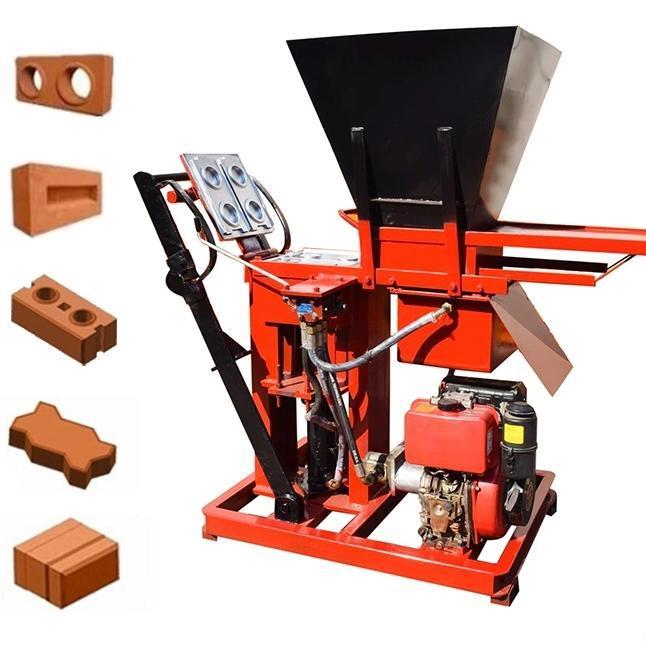
Lanskap konstruksi global sedang menyaksikan pergeseran paradigma menuju metodologi bangunan yang berkelanjutan dan hemat biaya, dengan teknologi bata saling mengunci muncul sebagai pendekatan revolusioner untuk mengatasi tantangan perumahan dan infrastruktur. Dalam ekosistem teknologi ini, mesin pembuat bata saling mengunci manual mewakili titik masuk fondasional, menggabungkan aksesibilitas dengan prinsip-prinsip konstruksi inovatif. Bagi distributor peralatan dan spesialis pengadaan yang beroperasi di pasar sensitif harga atau dengan infrastruktur terbatas, mesin-mesin ini menawarkan peluang bisnis yang menarik yang menjembatani kerajinan tradisional dengan teknik modern. Berbeda dengan rekan otomatisnya, mesin manual mewujudkan kesederhanaan, daya tahan, dan kemandirian operasional yang membuatnya sangat cocok untuk segmen pasar dan skenario aplikasi tertentu.
Arsitektur Teknis dan Mekanisme Operasional
Filosofi teknik di balik mesin bata interlocking manual mengutamakan efisiensi mekanis daripada otomatisasi bertenaga, menciptakan sistem yang kokoh yang mampu menghasilkan komponen presisi melalui pengoperasian bertenaga manusia.
Prinsip Desain Dasar dan Integritas Struktural
Metodologi konstruksi mesin manual mencerminkan fokus yang disengaja pada daya tahan dan keunggulan mekanis.
- Sistem Kompresi Berbasis Leverage
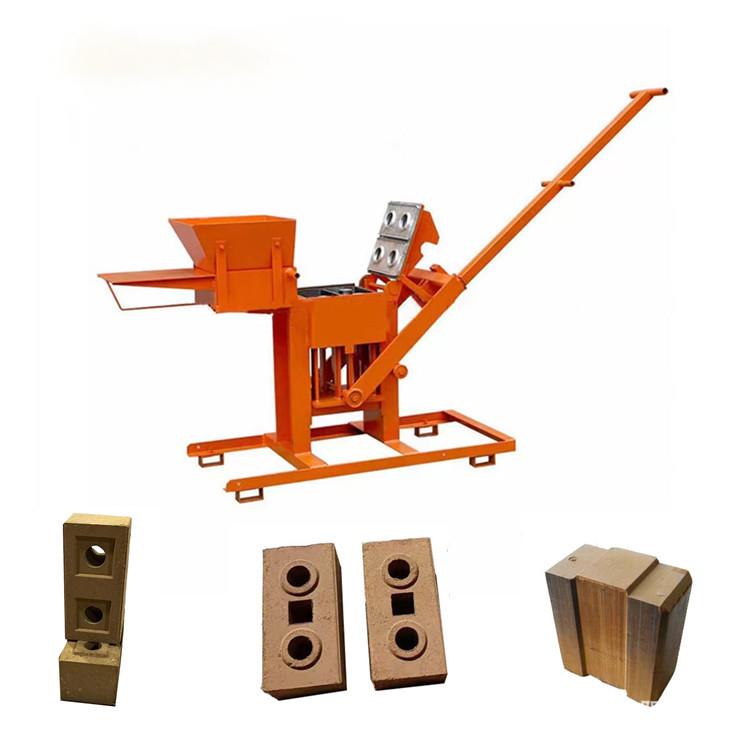
Mesin manual memanfaatkan susunan tuas canggih yang mengubah tenaga manusia menjadi gaya kompresi yang signifikan. Melalui rasio keuntungan mekanis yang dihitung dengan cermat, biasanya berkisar antara 1:12 hingga 1:25, sistem ini memungkinkan operator menghasilkan tekanan pemadatan antara 800 hingga 1.200 psi—cukup untuk menghasilkan bata interlock yang layak secara struktural. Geometri pengungkit memasukkan pertimbangan ergonomis untuk memaksimalkan penerapan gaya sekaligus meminimalkan kelelahan operator selama sesi produksi yang berkelanjutan. - Konstruksi Rangka Modular dan Spesifikasi Material
Mesin manual berkualitas tinggi memiliki rangka yang dibangun dari profil baja berongga persegi panjang dengan ketebalan dinding antara 4-6mm, memberikan kekakuan struktural yang diperlukan untuk menahan siklus kompresi berulang tanpa deformasi. Titik-titik stres kritis menerima penguatan tambahan melalui pelat penguat dan elemen pengaku silang. Pemilihan material biasanya melibatkan baja ringan dengan lapisan tahan korosi, meskipun model premium dapat menggabungkan paduan baja khusus pada titik-titik pivot dan permukaan aus untuk memperpanjang masa pakai operasional. - Teknologi Cetakan Presisi dan Mekanisme Interkunci
Proposisi nilai inti terletak pada sistem cetakan, yang harus mempertahankan akurasi dimensi dalam ±0,75mm meskipun berada dalam lingkungan operasi manual. Komponen cetakan biasanya dikerjakan dari baja karbon tinggi atau paduan besi dengan perlakuan panas khusus untuk menahan keausan abrasif dari bahan baku. Desain mekanisme pengunci bervariasi menurut sistem, tetapi umumnya menggabungkan sambungan jantan-betina dengan penyangga toleransi yang mengakomodasi ekspansi material minimal sambil menjaga integritas struktural dalam perakitan dinding jadi.
Alur Kerja Operasional dan Metodologi Produksi
Proses produksi bata mengikuti urutan yang dikoreografikan dengan cermat untuk mengoptimalkan pergerakan manusia dan aliran material.
- Persiapan Bahan dan Persyaratan Konsistensi
Operasi yang sukses dimulai dengan komposisi material yang dikendalikan secara presisi, biasanya terdiri dari tanah dengan kandungan lempung 15-30%, stabilisator semen 5-10%, dan kadar air optimal antara 8-12%. Proses manual menuntut konsistensi yang lebih besar dalam persiapan bahan baku dibandingkan sistem otomatis, karena variasi langsung memengaruhi kualitas pengeluaran bata dan presisi saling mengunci. Penyaringan material yang tepat dan pencampuran yang homogen menjadi prasyarat kritis untuk operasi yang efisien. - Urutan Produksi Siklik dan Optimalisasi Efisiensi
Siklus operasional mencakup enam fase berbeda: persiapan dan penempatan cetakan, pengisian bahan terukur, pemadatan awal, pemadatan tekanan tinggi sekunder, pengaktifan mekanisme pengeluaran, dan pengambilan produk. Operator terampil mengembangkan pola ritmis yang meminimalkan gerakan tidak perlu, dengan waktu siklus biasanya berkisar antara 45 hingga 90 detik tergantung pada ukuran dan kompleksitas bata. Ini menghasilkan tingkat produksi 40-80 bata per jam dalam operasi berkelanjutan. - Kontrol Kualitas melalui Konsistensi Operasional
Berbeda dengan sistem otomatis yang memiliki parameter terprogram, jaminan kualitas dalam operasi manual berasal dari teknik yang konsisten dan verifikasi dimensi secara berkala. Operator harus menjaga penerapan gaya kompresi dan distribusi material yang seragam melalui umpan balik visual dan taktil. Implementasi yang berhasil menggabungkan jig dan alat ukur sederhana untuk pemeriksaan kualitas berkala, memastikan stabilitas dimensi di seluruh batch produksi.
Penempatan Pasar dan Penerapan Strategis
Mesin bata interlocking manual menempati segmen pasar yang berbeda yang ditentukan oleh parameter ekonomi, geografis, dan operasional yang spesifik.
Segmentasi Pasar Sasaran dan Skenario Aplikasi
Karakteristik operasional mesin manual membuatnya sangat cocok untuk aplikasi pasar yang terdefinisi dengan baik.
- Inisiatif Konstruksi yang Dipimpin oleh Komunitas
Development projects emphasizing local empowerment and skill transfer frequently utilize manual machines to create ownership and build local capacity. The technology transfer extends beyond simple brick production to include material selection, quality control, and basic construction techniques using interlocking systems. This approach transforms community members from labor resources to skilled technicians capable of managing their construction timeline and quality standards. - Small-Scale Entrepreneurial Ventures
Individual entrepreneurs in emerging markets establish viable businesses with manual machines serving 5-15 housing units annually. The low capital requirement—typically between $1,500 and $4,000 for complete setup—enables business formation at the micro-enterprise level. These operations often specialize in serving the incremental construction market, where homeowners build structures progressively as resources become available. - Specialized Architectural and Landscape Applications
Beyond structural walls, manual machines produce specialized interlocking elements for terracing, landscaping features, and decorative applications. The flexibility of manual operation allows for small-batch production of custom elements that would be economically unviable with automated equipment. This niche application commands premium pricing for specialized products while utilizing the same fundamental equipment.
Economic Model and Viability Analysis
The business case for manual interlocking brick machines rests on distinctive economic principles that differ substantially from automated alternatives.
- Capital Efficiency and Investment Recovery
The minimal capital requirement enables rapid investment recovery, typically within 3-6 months of operation at moderate capacity utilization. This accelerated payback period derives from the combination of low initial investment and the price premium achievable for interlocking bricks compared to conventional alternatives. The financial model remains viable even at production levels as low as 200 bricks daily. - Labor-Intensive Operational Economics
Manual operations reconfigure the traditional cost structure of brick production, with labor comprising 50-65% of production costs compared to 15-25% in automated facilities. This labor-intensive model aligns with economic environments where wage rates remain moderate and job creation represents a secondary objective alongside brick production. The skill progression from basic labor to machine operation also creates career development pathways within small enterprises.
Operational Implementation and Technical Mastery
Successful deployment of manual interlocking brick technology requires attention to operational细节 that significantly impact productivity and product quality.
Skill Development and Operational Proficiency
The human element becomes the primary variable in manual brick production, necessitating structured skill development.
- Progressive Training Methodology
Operator training follows a logical progression from material preparation through basic operation to advanced troubleshooting. Initial focus emphasizes material consistency and measurement, progressing to compression technique, and culminating in mold maintenance and simple repairs. This comprehensive approach typically requires 4-6 weeks for basic proficiency and 3-6 months for advanced operational mastery. - Efficiency Optimization through Ergonomic Practice
Sustainable production rates depend on implementing ergonomic principles that minimize fatigue and prevent injury. Proper workstation height, strategic material placement, and balanced stance during lever operation collectively enable operators to maintain consistent output through extended work periods. Production environments that ignore these principles experience high operator turnover and inconsistent output quality.
Production Environment Optimization
The physical layout and supporting infrastructure dramatically influence operational efficiency and product quality.
- Material Flow and Workspace Organization
Efficient production layouts organize the workflow in a circular pattern around the operator, with raw material placement, machine operation, and product curing areas positioned to minimize movement between production stages. The optimal configuration reduces non-productive movement by 30-40% compared to disorganized layouts, directly impacting daily output capacity. - Curing Management and Quality Preservation
Unlike fired bricks, stabilized earth bricks produced through manual machines gain strength through controlled curing processes. Proper curing involves maintaining moisture content for 7-14 days to ensure complete cement hydration, followed by adequate drying before use in construction. Inadequate curing management represents the most common quality failure point in manual operations, necessitating systematic approaches to moisture retention and protection from environmental exposure.
Comparative Analysis and Strategic Selection
Informed equipment selection requires understanding how manual machines compare with technological alternatives across key operational parameters.
Technical and Operational Differentiation
Manual machines demonstrate distinct characteristics across multiple performance dimensions.
- Quality and Consistency Spectrum
While manual operations cannot match the dimensional consistency of computer-controlled automated systems, skilled operators can maintain tolerance within acceptable parameters for residential construction. The quality variance typically falls within ±1.5mm for critical dimensions compared to ±0.5mm for automated equipment. This variance remains acceptable for most applications of interlocking brick technology in the target market segments. - Flexibility and Adaptation Capability
Manual systems offer superior flexibility for material variation and design adaptation compared to automated alternatives. Operators can adjust compression timing and technique based on material behavior, and mold changes require minimal downtime. This adaptability proves valuable when working with locally variable raw materials or producing multiple product types within limited production runs.
Kesimpulan
Manual interlocking brick making machines represent a technologically appropriate solution for specific market conditions and application scenarios. Their enduring relevance in an increasingly automated world stems from their unique combination of accessibility, adaptability, and economic viability in contexts where labor availability exceeds capital resources. For equipment distributors, these machines offer market entry into price-sensitive segments and geographical areas with limited infrastructure, while creating pathways for technological progression toward more advanced equipment as businesses grow and markets evolve. The strategic value of manual interlocking brick technology extends beyond immediate business opportunity to encompass social impact through skill development, appropriate technology transfer, and sustainable construction practice. Industry professionals who understand the nuanced application of these machines within comprehensive construction ecosystems position themselves as solution providers rather than simply equipment suppliers, creating lasting value for their organizations and the markets they serve.
Pertanyaan yang Sering Diajukan (FAQ)
Q1: What is the realistic production capacity for a single manual machine with experienced operators?
A skilled operator typically achieves sustained production of 300-450 bricks during an 8-hour workday, with peak production reaching 500-600 bricks under optimal conditions. Production rates vary based on brick size and complexity, with simpler designs achieving higher output. Multiple operators working in shifts can proportionally increase daily production using the same equipment.
Q2: What level of technical support is required for successful operation?
Manual machines require minimal technical support beyond initial operator training and basic maintenance instruction. The mechanical simplicity allows local technicians to perform most repairs using commonly available tools. However, access to replacement parts for wear components—particularly mold elements and pivot mechanisms—remains essential for continuous operation.
Q3: How does product quality from manual machines compare to automated alternatives?
While dimensional consistency may show slightly greater variation, the structural performance of properly produced manual bricks meets the same fundamental requirements as automated equivalents. The compression strength typically ranges between 4-7 MPa, suitable for two-story residential construction when proper stabilization and curing protocols are followed.
Q4: What are the primary maintenance requirements and associated costs?
Routine maintenance includes daily cleaning, weekly bolt tightening, and monthly lubrication of moving parts. Wear components require replacement at varying intervals: compression surfaces (12-18 months), pivot bushings (18-24 months), and mold components (24-36 months depending on production volume). Annual maintenance costs typically represent 3-5% of the initial equipment investment.
Q5: What infrastructure requirements are necessary for operation?
Manual operations require minimal infrastructure—approximately 50-100 square meters of level ground with basic weather protection. Unlike automated equipment, they require no electrical connection or specialized foundations. This minimal infrastructure requirement significantly reduces setup costs and enables operation in remote or underdeveloped areas.
Q6: What raw material specifications are critical for successful operation?
The soil composition represents the most critical factor, requiring 15-30% clay content for cohesion, balanced with sufficient granular material to prevent shrinkage cracks. Cement stabilization typically utilizes 5-8% ordinary Portland cement, though this percentage may vary based on soil properties and required compressive strength. Material preparation requires thorough mixing and moisture control between 8-12% for optimal compaction.
Q7: What business models have proven successful with this technology?
Three primary models demonstrate consistent success: the direct production model (manufacturing bricks for specific projects), the community cooperative model (shared equipment serving multiple households), and the training-centered model (combining brick production with construction skills development). The optimal approach depends on local market conditions, available skills, and capital access.