
المؤشرات الاقتصادية وأنماط النمو في قطاع البناء
حافظ قطاع البناء في كينيا على متوسط معدل نمو سنوي يتراوح بين 6-8٪ خلال السنوات الخمس الماضية، متجاوزاً بشكل ملحوظ التوسع الاقتصادي العام. يدعم هذا المسار التنموي عدة عوامل رئيسية تشمل نمو السكان بأكثر من 2٪ سنوياً، ومعدلات التحضر التي تتجاوز 4٪ سنوياً، والاستثمار الحكومي المستمر في تطوير البنية التحتية. يهدف برنامج الإسكان الميسر، حجر الزاوية في أجندة "الأربعة الكبار" في كينيا، إلى توفير أكثر من 500,000 وحدة سكنية، مما يخلق طلباً كبيراً على مواد البناء الموحدة. في الوقت نفسه، تتطلب مشاريع البنية التحتية للنقل بما في ذلك طريق نيروبي السريع، وتوسعات سكك الحديد القياسية، والعديد من مبادرات ترقية الطرق، إمدادات منتظمة من الكتل عالية الجودة ومواد الرصف. تخلق هذه التطورات على المستوى الكلي بيئة مواتية لموردي معدات البناء، على الرغم من أن الاختراق الناجح للسوق يتطلب فهم الفروق الإقليمية الدقيقة وتجزئة العملاء.
البيئة التنظيمية ومتطلبات الامتثال
يعمل السوق الكيني ضمن إطار تنظيمي متزايد الهيكلة يؤثر بشكل كبير على مواصفات المعدات وعمليات الأعمال. وتفرض هيئة البناء الوطنية (NCA) تسجيل وتصنيف المهنيين والمؤسسات العاملة في مجال البناء، مما يخلق معايير جودة تنتقل تدريجياً إلى موردي المواد. وتطبق مكتب المعايير الكيني (KEBS) شهادات المنتجات من خلال علامات التوحيد القياسي، خاصة للمواد المستخدمة في المشاريع الحكومية. كما أن اللوائح البيئية التي تديرها الهيئة الوطنية لإدارة البيئة (NEMA) تقيد بشكل متزايد طرق إنتاج الطوب الطيني التقليدية، مما يشجع على تبني تقنيات بديلة تستخدم مواد مستدامة مثل الرماد المتطاير وغبار المحاجر. وتؤكد التعديلات الأخيرة على قوانين البناء على مقاومة الزلازل في مناطق معينة، مما يتطلب أبعاداً دقيقة للطوب وقوة ضغط متسقة لا يمكن ضمانها إلا بواسطة آلات عالية الجودة. إن فهم هذه المحفزات التنظيمية أمر ضروري لتحديد موقع المعدات التي تمكن من الامتثال والوصول إلى السوق.
المواصفات الفنية والاعتبارات التشغيلية
نظم الطاقة والتكيف مع الطاقة
تتطلب البنية التحتية المتنوعة للطاقة في كينيا دراسة متأنية لمتطلبات الطاقة للمعدات عبر السياقات التشغيلية المختلفة. في حين تستفيد المراكز الحضرية مثل نيروبي ومومباسا من طاقة الشبكة المستقرة نسبياً، تشهد المناطق الريفية وشبه الحضرية تقلبات وانقطاعات متكررة. عادةً ما تتضمن التكوينات الناجحة للمعدات خيارات طاقة متعددة تشمل:
- قدرات الاتصال بشبكة ثلاثية الطور (400 فولت / 50 هرتز)
- التوافق المتكامل للمولدات مع مفاتيح التحويل التلقائية
- تصميمات موفرة للطاقة تتميز بمحركات ذات تردد متغير
- خيارات الطاقة الشمسية الهجينة للعمليات النائية
تظهر الآلات التي تستهلك 15-75 كيلوواط/ساعة أمثل اقتصاديات تشغيلية، موازنةً بين القدرة الإنتاجية وتكاليف الطاقة التي يبلغ متوسطها 15-20 شلنًا كينيًا لكل كيلوواط/ساعة للمستهلكين الصناعيين. تشهد المعدات المجهزة بأنظمة تصحيح معامل القدرة والحماية من التيار الزائد معدلات فشل وتكاليف صيانة أقل بشكل ملحوظ.
القدرة الإنتاجية وتحسين المخرجات
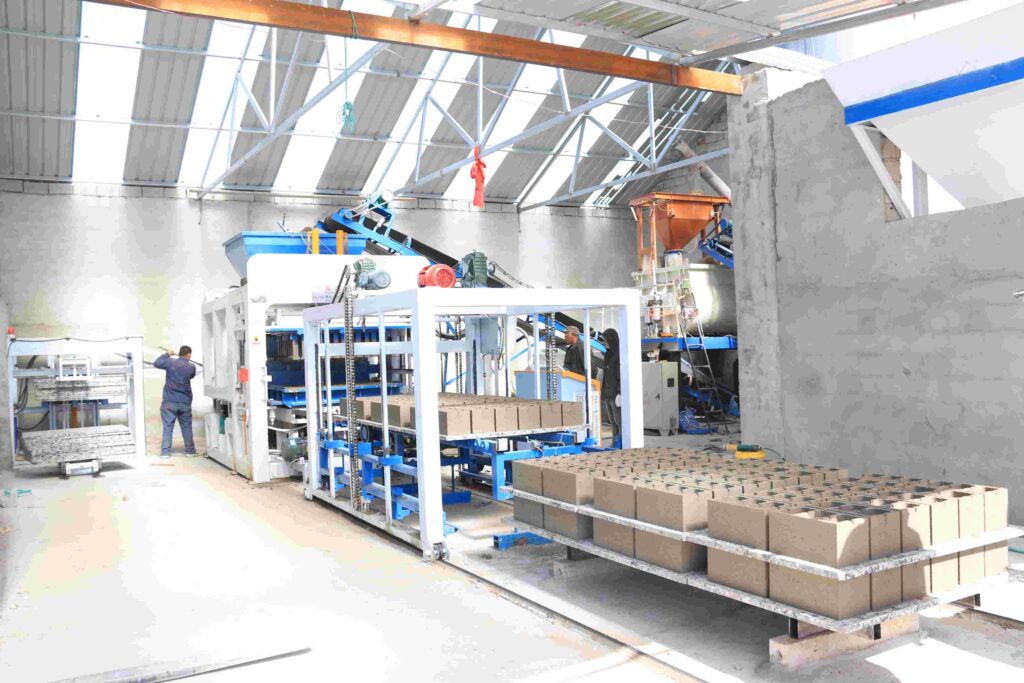
يكشف تحليل السوق عن مستويات إنتاجية متميزة تتوافق مع نماذج أعمال ومستويات استثمار مختلفة. فآلات المستوى المبتدئ اليدوية وشبه الآلية التي تنتج 800-3000 طوبة يومياً تخدم المقاولين الصغار ورواد الأعمال الأفراد، وتتطلب عادةً 3-6 مشغلين. بينما تلبي المعدات المتوسطة الآلية التي تنتج 3000-12000 طوبة يومياً ساحات إنتاج الطوب الراسخة وشركات البناء التي تورد لمشاريع متعددة، وغالباً ما تعمل بـ 2-4 موظف. أما المصانع عالية السعة الآلية بالكامل التي تتجاوز 12000 طوبة لكل وردية فهي تستهدف المنتجين على النطاق الصناعي الذين يخدمون مشاريع البنية التحتية الكبرى وأسواق التصدير، وغالباً ما تتضمن مناولة روبوتية ومراقبة جودة مُحوسبة. كما أن أكثر موردي المعدات نجاحاً يقدمون تصاميم نمطية تسمح بترقية السعة مع توسع الأعمال، مما يحمي الاستثمارات الأولية مع دعم مسارات النمو.
تطوير شبكة التوزيع واختراق السوق
اختيار وإدارة الشريك القنوي
Building effective distribution channels requires systematic evaluation of potential partners across multiple criteria. Successful market entrants typically implement a phased approach beginning with strategic partners in Nairobi and Mombasa before expanding to secondary markets in Kisumu, Nakuru, and Eldoret. Key selection parameters include:
- Demonstrated technical capability and workshop facilities
- Financial stability and creditworthiness
- Existing customer relationships and market reputation
- Service delivery capacity and spare parts management
- Alignment with supplier quality standards and business ethics
Structured partner agreements should clearly define performance expectations, territorial rights, support responsibilities, and exit clauses while allowing flexibility for local market adaptations.
After-Sales Service Infrastructure and Support Systems
The development of robust after-sales support capabilities represents a critical competitive differentiator in the Kenyan market. Service network planning must account for geographic challenges and infrastructure limitations, with strategic placement of service centers within 4-8 hours of major customer concentrations. Comprehensive support systems typically include:
- Central spare parts depot in Nairobi with regional satellite inventories
- Mobile service units equipped for on-site repairs and maintenance
- Technical hotline with multilingual support capacity
- Preventive maintenance contracts with guaranteed response times
- Operator training programs conducted quarterly
Implementation of digital platforms for service request management, parts ordering, and technician dispatch significantly improves service efficiency and customer satisfaction metrics.
Strategic Market Positioning and Competitive Analysis
Value Proposition Development and Customer Education
Successful market positioning requires translating technical specifications into tangible customer benefits aligned with local business priorities. Equipment reliability must be demonstrated through performance guarantees backed by local reference cases showing minimum 85% operational availability. Return on investment calculations should incorporate local cost structures including labor rates (KES 500-1,200 daily), material costs (KES 4,000-8,000 per cubic meter of aggregate), and energy expenses. Customer education initiatives prove particularly effective when combining technical training with business development guidance, covering topics like production costing, quality management, and market identification. Demonstration centers in strategic locations provide powerful platforms for building customer confidence through hands-on experience and visible performance validation.
Financing Solutions and Market Expansion
Addressing the financing challenge dramatically expands the addressable market beyond cash purchasers. Successful suppliers typically develop multiple financing pathways including:
- Partnerships with local banks for equipment loans with 30-40% down payment
- Supplier-supported installment plans with 6-24 month terms
- Leasing arrangements through specialized financial institutions
- Microfinance linkages for small-scale entrepreneurs
- Government program alignments for affordable housing suppliers
Collaboration with development institutions like the Kenya Industrial Estates and Youth Enterprise Development Fund creates additional channels for reaching underserved market segments while supporting social development objectives.
خاتمة
The Kenyan brick and block making machinery market presents substantial opportunities for suppliers who combine quality equipment with deep market understanding and sustainable business practices. Success requires balancing technical excellence with practical adaptability, addressing both immediate production needs and long-term business growth requirements. The convergence of infrastructure development, urbanization trends, and regulatory evolution creates favorable market conditions that will likely persist through the medium term. Equipment suppliers who invest in developing strong local partnerships, robust support infrastructure, and flexible business models will be best positioned to capitalize on these opportunities. The market’s ongoing maturation towards higher quality standards and more sophisticated production methods ensures continued demand progression from basic equipment to comprehensive production solutions. Strategic market entry and systematic expansion, guided by local intelligence and customer-centric approaches, will yield sustainable growth in this promising East African market.
الأسئلة الشائعة (FAQ)
Q1: What are the typical installation and commissioning requirements for block making machines in Kenya?
أ: Professional installation requires a level concrete foundation of specified thickness (usually 150-300mm), adequate power connection with proper earthing, and compressed air supply where applicable. Commissioning typically takes 3-5 days including machine assembly, power connection, test runs, and operator training. Suppliers generally provide detailed site preparation guidelines and conduct pre-installation inspections. Most reputable suppliers include basic installation in equipment pricing while complex foundations and special power requirements may incur additional costs.
Q2: How does equipment performance vary with Kenya’s diverse raw material qualities?
أ: Equipment performance is significantly influenced by raw material characteristics including aggregate hardness, moisture content, and particle size distribution. Machines with adjustable vibration frequency (40-70 Hz) and pressure settings (100-300 kN) handle material variations most effectively. Successful operations typically implement strict material screening and consistent mix proportions. Equipment with wear-resistant components and easy adjustment mechanisms maintains better performance with variable material qualities. Most suppliers offer material testing and machine calibration services during commissioning.
Q3: What warranty and service level agreements are typical in the Kenyan market?
أ: Standard warranties typically cover manufacturing defects for 12 months from commissioning, excluding wear parts and damage from improper operation. Comprehensive service agreements usually guarantee 48-hour response times for major breakdowns and include quarterly preventive maintenance visits. Emergency support contracts with 24-hour response commitments are available in major urban centers. Many suppliers offer extended warranty options covering specific components for up to 36 months, with pricing typically ranging 5-15% of equipment value annually.
Q4: How does Kenyan climate and altitude affect equipment operation and maintenance?
أ: High altitude locations (1,500-2,500 meters above sea level) may require adjustments to combustion engines and compression ratios. Coastal regions with high humidity necessitate enhanced corrosion protection, particularly for electrical components and hydraulic systems. Dusty conditions in arid areas demand improved filtration systems for hydraulics and enhanced bearing protection. Equipment designed with tropicalized components, UV-resistant materials, and adequate cooling capacity demonstrates superior performance across Kenya’s diverse climatic conditions.
Q5: What training and knowledge transfer do successful equipment suppliers provide?
أ: Comprehensive training programs typically include 5-7 days of initial training covering operation, routine maintenance, basic troubleshooting, and safety procedures. Advanced technical training for maintenance staff extends 10-14 days focusing on hydraulic systems, electrical controls, and mechanical adjustments. Many suppliers now offer mobile-based learning modules for ongoing skill development. Successful knowledge transfer programs combine theoretical understanding with practical hands-on experience using actual production materials, with competency assessment and certification upon completion.
