
الدليل الشامل لآلات صناعة الطوب المتنقلة: الكفاءة في الموقع وتوفير التكاليف
تخيل أنك تدير مشروع بناء في منطقة نائية. الميزانية محدودة، والجدول الزمني أكثر ضيقاً، وقد تلقيت للتو عرض سعر ضخم لتسليم الطوب. التكاليف ليست للطوب نفسه فقط، بل تشمل الوقود، والنقل المتخصص، ومخاطر التأخير الناتجة عن سلسلة توريد هشة. الآن، تخيل سيناريو مختلفاً. ماذا لو استطعت إنتاج طوب بجودة احترافية مباشرة في موقعك، باستخدام مواد محلية، بتكلفة ووقت أقل بكثير؟ هذا ليس افتراضياً—إنها القوة العملية التحويلية لآلة صنع الطوب المتنقلة.
للمقاولين والبنائين والمطورين ورجال الأعمال، تمثل هذه التكنولوجيا تحولاً جوهرياً من الاعتماد إلى الاستقلالية. صُمم هذا الدليل الشامل ليكون مصدركم النهائي. سنستفيد من الخبرة الصناعية لاستكشاف كيفية عمل هذه المحطات المحمولة المبتكرة، ونفصل فوائدها المالية والتشغيلية التي لا يمكن إنكارها، ونحدد معايير الاختيار الحاسمة، ونقدم أفضل الممارسات القابلة للتطبيق. هدفنا هو تمكينكم بالمعرفة اللازمة لاتخاذ قرار مستنير ومربح لمشروعكم القادم.
ما هي آلة صنع الطوب المتنقلة؟ إعادة تعريف الإنتاج في الموقع
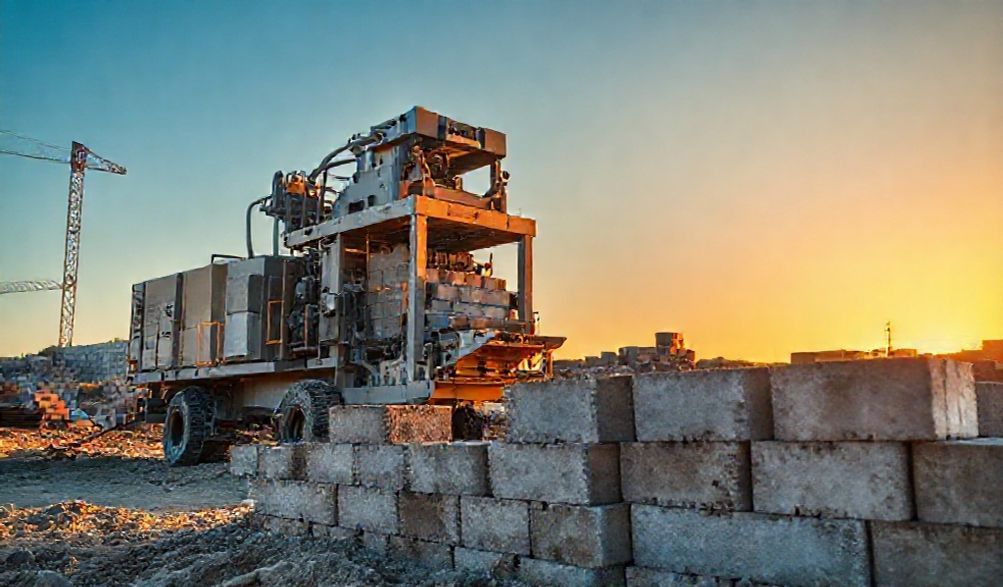
في جوهره، آلة صنع الطوب المتنقلة هي مصنع إنتاج مدمج ومتنقل على عجلات. تم تصميمها ليتم سحبها أو قيادتها مباشرة إلى موقع البناء، حيث تجمع بين عمليات تغذية المواد الخام، والخلط، والتشكيل، وأحيانًا المعالجة الأولية في وحدة متنقلة واحدة ومتكاملة. على عكس صناعة الطوب التقليدية المركزية والبعيدة، تجلب هذه التكنولوجيا المصنع إلى المواد الخام ونقطة الاستهلاك.
التعريف الأساسي والآلية
آلة صنع الطوب المتنقلة هي نظام تصنيع محمول ومكتفٍ ذاتيًا لإنتاج الكتل الخرسانية، أو البلاطات، أو الطوب المثبت من التربة. هدفها الأساسي هو إلغاء الوسيط اللوجستي في البناء. بفضل تنقلها، تحول أي موقع مجهز بالمواد الخام المناسبة إلى مصنع طوب فوري حسب الطلب. آلية عملها تُعد معجزة في الهندسة العملية، حيث تدمج عدة وظائف لمصنع ثابت في هيكل موفر للمساحة ومتوافق مع مواصفات الطريق.
المكونات الرئيسية وكيفية تعمل معًا
فهم مكونات الآلة يزيل الغموض عن طريقة عملها. إليك تفصيلاً للأجزاء الرئيسية وتدفق الإنتاج:
- هوبر:هذه هي نقطة الدخل للمواد الخام مثل الرمل والركام والأسمنت.
- الخلاط:مدمج أو مجاور للقادوس، يقوم بخلط المواد الجافة قبل إضافة الماء لإنشاء خليط خرساني متجانس ومتناسق.
- نظام الناقلينقل الخرسانة المخلوطة من الخلاط إلى غرفة القولبة. وفي النماذج الأبسط، قد تكون هذه عملية يدوية.
- نظام القولبة (القلب):هذه مكبس هيدروليكي أو ميكانيكي يضغط الخليط الرطب في قالب (قالب معدني) بضغط شديد. شكل القالب يحدد الطوبة النهائية (مثل الصلبة، المجوفة، المتشابكة).
- لوحة التحكم:واجهة المشغل للتحكم في وقت الخلط، والاهتزاز، والضغط الهيدروليكي، ودورة التشكيل. تختلف مستويات الأتمتة هنا.
- وحدة الطاقةعادةً ما يكون محرك ديزل أو محرك كهربائي هو الذي يدفع الأنظمة الهيدروليكية والأنظمة الميكانيكية الأخرى.
- إطار التنقل:هيكل ثقيل مزود بوصلة سحب وعجلات متينة أو نظام ذاتي الدفع على مسارات أو عجلات.
تدفق الإنتاج في النص:
المواد الخام (القادوس) -> الخلط -> النقل -> التشكيل/الضغط -> الإخراج -> المعالجة (على منصات أو على الأرض)
مقارنة: مصانع الطوب المتنقلة مقابل الثابتة
Choosing between mobile and stationary setups depends entirely on your business model and project scope. Here’s a clear comparison:
| Feature | Mobile Brick Making Machine | Stationary Brick Plant |
| :— | :— | :— |
| Setup Time & Infrastructure | Minimal. Can be operational on a level site within hours. | Extensive. Requires permanent foundation, shelter, and utility connections. |
| Initial Capital Investment | Significantly lower. Accessible for SMEs and individual contractors. | Very high, often prohibitive for small-scale operators. |
| Operational Flexibility | Excellent. Can be moved between project sites with ease. | None. Production is fixed to a single location. |
| Ideal Project Scale | Small to medium-scale projects, remote locations, multiple sites. | Large-scale, continuous production for a wide market area. |
| Logistical Cost | Eliminates brick transport costs; may incur machine relocation cost. | High, as all finished bricks must be transported to construction sites. |
| Material Sourcing | Can use on-site or locally sourced materials, reducing cost. | Typically requires materials to be transported إلى the plant. |
Top Advantages of Using a Mobile Brick Making Machine
The benefits of adopting this technology are tangible and directly impact your bottom line and project management capabilities.
Dramatic Reduction in Logistics and Transportation Costs
This is the most compelling advantage. Transporting heavy, bulky bricks over distance is expensive. Costs include:
* Fuel: For multiple heavy truckloads.
* Vehicle Wear & Tear: Increased maintenance.
* العمل Loading, unloading, and driving.
* Breakage: A percentage of bricks are often damaged in transit.
A mobile machine eliminates over 90% of these costs. You transport one machine once, instead of hundreds of truckloads of bricks.
Unmatched Flexibility and Project Adaptability
Your business is no longer geographically limited. You can:
* Accept projects in remote or underserved areas where brick supply is scarce or non-existent.
* Move the machine from a completed site to a new one, maximizing asset utilization.
* Adjust production runs daily based on immediate site needs, reducing waste and storage requirements.
Faster Project Timelines and On-Demand Production
Time is money, and delays are costly. With on-site production:
* No Supply Wait Times: You are not at the mercy of a supplier’s production schedule or delivery delays.
* Prevents Project Stalls: Continuous brick supply means masonry work never has to stop waiting for materials.
* Just-in-Time Manufacturing: Produce exactly what is needed for the next few days, minimizing on-site inventory and handling.
Cost-Effectiveness and Improved ROI for Small to Medium Projects
For many businesses, a stationary plant is not financially viable. A mobile machine offers:
* Lower Entry Barrier: The capital outlay is a fraction of a fixed factory.
* Faster Break-Even Point: Reduced overheads (no factory rent, lower transport costs) mean profits start accruing sooner.
* Project-Specific Financing: The machine’s cost can often be directly billed into a single large project.
Utilization of Local Materials and Sustainability Benefits
This advantage is both economic and environmental.
* Material Cost Savings: Using on-site subsoil or locally quarried sand/aggregate slashes material costs.
* انخفاض البصمة الكربونية: Eliminating hundreds of kilometers of brick transport significantly cuts the project’s CO2 emissions.
* Less Waste: Local, non-standardized materials can often be used, which might be rejected by a central plant.
Critical Factors to Consider Before Buying
A mobile brick machine is a significant investment. Informed purchasing decisions are built on a clear assessment of your needs.
تقييم متطلبات الإنتاج
Start by asking:
* Output Needed: Calculate bricks per day required to keep your project on schedule. Machines range from ~800 to 5,000+ bricks per 8-hour shift.
* نوع الطوب والحجم: What are you making? Standard hollow blocks, solid pavers, or interlocking soil blocks? Ensure the machine has the appropriate molds.
* Project Duration: Is this for a single 6-month project, or will it be a core part of your business for years? This affects your budget and needed durability.
Power Source: Diesel, Electric, or Hybrid?
- ديزل Ideal for remote sites with no grid power. Offers complete independence but has higher fuel costs and requires ventilation.
- كهربائي More cost-efficient to run and quieter, with less maintenance. Requires reliable three-phase grid power or a large generator.
- هجين: Offers the flexibility to switch between power sources, providing a good balance but at a higher initial cost.
Key Machine Specifications and Features
Look beyond the price tag. Focus on:
* مستوى الأتمتة: Manual (labor-intensive), Semi-Automatic (best balance of cost and output), or Fully Automatic (highest output, highest price).
* القدرة على التحمل للضغط Measured in tons or MPa. Higher pressure produces denser, stronger blocks suitable for load-bearing walls.
* الحركة: Check tow hitch rating, tire quality, and overall road-worthiness if frequent moving is planned.
* جودة التصنيع: Inspect the thickness of steel plates, the quality of hydraulic cylinders, and the reputation of the brand.
Raw Material Compatibility and Preparation
The machine is only as good as the materials you feed it.
* Compatibility: Confirm the machine can handle your local soil/sand/aggregate mix. Some are designed for cement-stabilized earth, others for standard concrete.
* التحضير: Material must be sieved to remove stones and organic matter. Consistent mixing ratios (e.g., 1 part cement to 6 parts aggregate) are critical for quality.
* نصيحة احترافية: Always conduct small test batches with your local materials before full-scale production.
Budgeting: Initial Investment vs. Operational Costs
Adopt a Total Cost of Ownership (TCO) view:
* الاستثمار الأولي: Machine price, shipping, import duties (if applicable), and initial spare parts kit.
* التكاليف التشغيلية: Fuel/electricity, routine maintenance, operator wages, raw materials, and mold wear/tear.
* التكاليف الخفية: Factor in operator training time and potential downtime for repairs.
Operational Best Practices for Maximum Efficiency
Owning the machine is step one. Operating it correctly is what delivers the promised return.
Site Preparation and Machine Setup
A proper setup prevents countless operational headaches.
* Foundation: Prepare a level, compacted, and stable ground (often a simple concrete slab or well-compacted gravel).
* Access: Ensure easy access for delivery trucks (raw materials) and for moving the machine onto/off the site.
* Utilities: Have a reliable power source (generator/grid) and clean water supply ready.
* Material Storage: Designate covered, organized areas for cement (must be dry) and aggregates.
Daily Operation and Maintenance Checklist
Consistency is key. Implement a daily routine:
* Pre-Start: Check hydraulic oil levels, lubricate all moving parts (bearings, pivots), inspect for loose bolts.
* During Operation: Listen for unusual noises, monitor hydraulic pressure gauges, ensure the mix consistency remains uniform.
* Post-Shift: Thoroughly clean the mixer, mold, and conveyor of all concrete residue. Perform a visual inspection.
Achieving Consistent Brick Quality
Quality problems usually trace back to a few variables:
* محتوى الرطوبة: Too wet = deformation; too dry = weak, crumbly bricks. The mix should hold its shape when squeezed.
* Mixing Time: Ensure thorough, consistent mixing for every batch.
* Compaction Pressure: Do not alter preset pressure settings arbitrarily.
* التداوي This is critical for final strength. Keep freshly made bricks moist (by spraying with water and covering with plastic sheeting) for at least 7 days.
Safety Protocols for Operators
Never compromise on safety.
* PPE is Mandatory: Safety glasses, gloves, steel-toe boots, and hearing protection.
* Lock-Out/Tag-Out: Always disconnect and lock the power source before performing any maintenance or clearing a jam.
* تدريب Ensure all operators understand the machine’s functions and dangers, especially around hydraulic systems and moving parts.
Troubleshooting Common Issues
- Cracked Bricks: Usually caused by incorrect moisture content (too dry), excessive vibration, or improper curing.
- Poor Demolding (Blocks sticking): Likely due to a worn mold, insufficient release agent, or a poorly balanced mix.
- إنتاج منخفض Check for mechanical issues (low hydraulic pressure), operator inefficiency, or poorly prepared raw materials slowing the cycle.
Frequently Asked Questions (FAQ) About Mobile Brick Making Machines
Q: What is the average production capacity of a mobile brick machine?
أ: Capacities vary widely from 800 to 5,000+ bricks per 8-hour shift, depending on the model and automation level. A popular semi-automatic model typically produces 1,500-2,500 bricks in a day with a small crew.
Q: Can I use only soil to make bricks with these machines?
أ: For durable, load-bearing construction bricks, “only soil” is generally not sufficient. Most machines require a stabilized mix. This often means local soil combined with a small percentage (5-10%) of a binder like Portland cement or lime to create Stabilized Compressed Earth Blocks (SCEBs).
Q: How many operators are needed to run the machine?
أ: Efficient operation typically requires 2-4 people. One feeds materials, one operates the controls and monitors the process, and 1-2 others handle the freshly ejected bricks for palletizing and moving to the curing area.
Q: What is the typical lead time for delivery and setup?
أ: After order confirmation, delivery can take anywhere from 4 to 12 weeks, heavily dependent on the manufacturer’s location and any customizations. Physical setup on a properly prepared site is usually accomplished within a single day.
Q: Are there financing options available for these machines?
أ: Yes. Many established manufacturers and their dealers offer financing or leasing plans. It is also highly recommended to inquire about equipment loans or grants from local banks, agricultural co-ops, or international development agencies that support small and medium-sized enterprises (SMEs) in construction and manufacturing.
خاتمة
The mobile brick making machine is more than a piece of equipment; it is a strategic investment in autonomy, efficiency, and resilience. It directly addresses the core challenges of cost, time, and logistical complexity that plague modern construction, particularly for projects off the beaten path. By bringing production to the point of consumption, it grants builders and entrepreneurs unprecedented control.
As you consider integrating this transformative technology, let this guide serve as your foundation. Prioritize thorough research, honestly assess your specific needs against the critical factors outlined here, and diligently choose a partner—a manufacturer or supplier—known for quality machinery and robust after-sales support. Taking this informed step can fundamentally position your business for greater profitability and success in a competitive market.
Ready to explore specific models or get a personalized quote? We recommend consulting with established industry associations or requesting detailed specifications, performance data, and customer references from multiple reputable manufacturers. This due diligence is the final, crucial step to finding the perfect mobile solution for your operational goals.
<