
الدليل الشامل لآلات صنع الطوب المجوف: الأنواع، المزايا، وكيفية الاختيار
مقدمة
تسعى صناعة البناء العالمية بلا هوادة للحصول على مواد مستدامة وفعالة من حيث التكلفة. وفي خضم هذا الطلب، برزت الطوب المجوف كحل رائد، حيث يقدم مزيجاً فائقاً من الأداء والاقتصاد والمسؤولية البيئية. لكن وراء كل طوبة مجوفة عالية الجودة تقف قطعة تكنولوجية محورية: آلة صنع الطوب المجوف.
هذه الآلة هي محرك تصنيع البلوك الحديث، حيث تحول المواد الخام مثل الأسمنت والرماد المتطاير والرمل إلى كتل بناء عالية القوة مشكلة بدقة. دورها تحويلي، حيث تمكن رواد الأعمال من إطلاق مشاريعهم وتمكن شركات البناء من السيطرة على سلسلة التوريد والجودة والتكاليف.
يُعد هذا الدليل مصدرك الشامل والخبير، حيث يجمع بين المعرفة العميقة بالصناعة، والمواصفات الفنية، ونصائح الشراء العملية. وهو مصمم لأصحاب الأعمال، ومديري البناء، ورواد التصنيع. بنهايته، سيكون لديك فهم واضح للأنواع المختلفة من الآلات، وفوائدها الجوهرية، وقائمة تفصيلية للاختيار، ونصائح تشغيلية رئيسية، وإجابات على الأسئلة الشائعة الحرجة. هدفنا هو تمكينك من اتخاذ قرار استثماري مثالي بناءً على احتياجاتك الخاصة.
ما هي آلة صنع الطوب المجوف؟ الوظيفة الأساسية والمبدأ
في صميمها، آلة صنع الطوب المجوف هي جهاز يُمكّن إنتاج الكتل الخرسانية المجوفة تلقائياً عبر عملية الضغط والاهتزاز. يبدأ فهم آلية عملها بالمنتج الذي تصنعه.
تحديد المنتج: الطوب المجوف مقابل الطوب الصلب
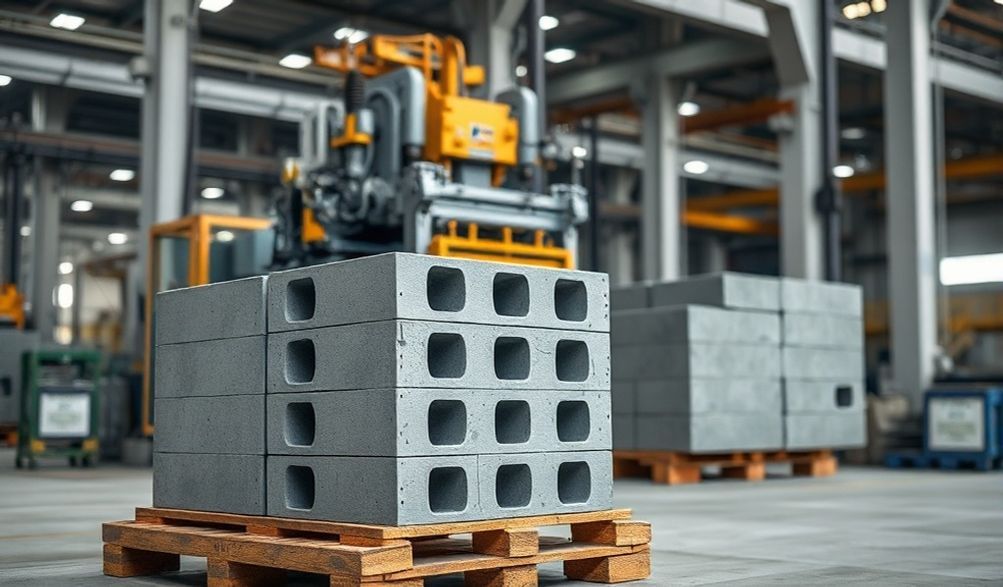
الطوب المجوف، المعروف أيضًا باسم وحدات البناء الخرسانية (CMUs) أو البلوك المجوف، يتم تعريفه من خلال تصميمه: حيث يحتوي على فتحة أو أكثر كبيرة أو فراغات (تسمى "النوى").
- التصميم الهيكلي:تُمثل هذه الفراغات عادةً 25٪ إلى 50٪ من إجمالي مساحة المقطع العرضي للكتلة. وهي تمتد عبر الكتلة من الأعلى إلى الأسفل.
- المزايا الناتجة:
- خفيف الوزن:أخف بكثير من الطوب الصلب، مما يجعل نقلها وتداولها في الموقع أسهل وأرخص، ويقلل من إجهاد العمالة والحمل الهيكلي.
- عزلتوفر الجيوب الهوائية داخل الفراغات عزلًا حراريًا وصوتيًا ممتازًا، مما يؤدي إلى مباني أكثر كفاءة في استخدام الطاقة وأكثر هدوءًا.
- الأداة:تسمح النوى بتوجيه سهْلٍ للقنوات الكهربائية، وأنابيب السباكة، وقضبان التسليح (حديد التسليح)، والتي يمكن حقنها بالملاط لزيادة المتانة.
كيفية عمل الآلة: العملية الأساسية
بينما تختلف التصاميم، فإن دورة الإنتاج الأساسية تظل متسقة عبر معظم الآلات.
- التغذية:يتم تغذية المواد الخام المخلوطة مسبقاً (خليط من الأسمنت، الرمل، رماد الفحم، غبار الحجر، والماء) في قادوس الآلة.
- خلط:يضمن الخلاط الداخلي مزيجًا متجانسًا ومتناسقًا، وهو أمر بالغ الأهمية لتحقيق قوة موحدة للطوب.
- الضغط والاهتزاز:يتم صب الخليط في قالب (على شكل الطوبة المطلوبة). ثم تطبق الآلة ضغطاً هائلاًالضغط الهيدروليكيوعالية التردداهتزازهذا الفعل المزدوج يزيل جيوب الهواء ويضغط المادة بكثافة، مما يمنح الطوبة سلامتها الهيكلية.
- الطرد والمعالجة:يتم إخراج الطوب الطازج "الأخضر" من القالب إلى منصة نقالة أو حزام ناقل. ثم يُنقل إلى منطقة المعالجة، حيث يكتسب القوة على مدار أيام من خلال التحكم في الرطوبة ودرجة الحرارة.
التطبيقات الرئيسية في البناء
الطوب المنتج متعدد الاستخدامات ويُستخدم في:
* المباني السكنية:للجدران الحاملة وغير الحاملة.
* المجمعات التجارية:المكاتب والمستودعات ومساحات البيع بالتجزئة.
* الجدران الفاصلة:خلق انقسامات داخلية داخل الهياكل.
* تنسيق الحدائق والجدران الحدودية: For garden walls, fences, and other outdoor applications.
Types of Hollow Brick Making Machines: A Detailed Breakdown
Choosing the right type is your first major decision. Machines are categorized by operation, capacity, and output.
حسب التشغيل: يدوي، شبه آلي، وآلي بالكامل
-
الآلات اليدوية: Operated primarily by hand levers.
- استثمارتكلفة أولية منخفضة جدًا.
- العمل High labor intensity, slow, and output dependent on operator skill.
- الإخراج: Low (100-500 bricks per day).
- مثالي لـ: Micro-enterprises, very small-scale projects, or regions with extremely low labor costs.
-
الآلات شبه الآلية: Combine mechanical operation (like hydraulic pressure) with manual handling of bricks and pallets.
- استثمار Moderate.
- العمل Requires a small team (2-4 people) for operation and handling.
- الإخراج: Medium (800-2500 bricks per 8-hour shift).
- مثالي لـ: Small to medium businesses (SMBs) and startups with a steady demand.
-
آلات أوتوماتيكية بالكامل: Computer-controlled systems that automate feeding, mixing, molding, stacking, and pallet return.
- استثمارنفقات رأسمالية مرتفعة.
- العمل Minimal; often just 1-2 operators for monitoring.
- الإخراج: High (3000-15,000+ bricks per shift).
- مثالي لـ: Large-scale manufacturers, construction companies supplying major projects, and high-volume businesses.
By Production Capacity: Small, Medium, and Large Scale Plants
- Small Scale: Outputs up to 2,000 bricks per day. Often semi-automatic, suitable for local market supply.
- Medium Scale: Outputs between 2,000 and 8,000 bricks per day. Can be robust semi-automatic or entry-level automatic lines.
- Large Scale Plants: Outputs exceeding 8,000 bricks per day. Always fully automatic production lines with conveyor systems and sometimes robotic palletizers.
By Brick Type and Size
Machines are configured with interchangeable molds to produce various products:
* الطوب المجوف القياسي 4-inch, 6-inch, 8-inch, and 12-inch thicknesses.
* كتل صلبة: For applications requiring maximum load-bearing capacity.
* البلاطات المرصوفة والبلاط المتشابك For driveways and walkways.
* الأشكال المتخصصة Curved blocks, chimney blocks, or lintels.
Specialized Machines: Mobile vs. Stationary Plants
- النباتات الثابتة: The standard setup, installed in a fixed factory location.
- آلات صناعة الطوب المتنقلة: Mounted on a trailer for easy transport. The key advantage is on-site production, eliminating transport costs for bricks and allowing immediate use. Ideal for large, remote construction projects like dams, highways, or large housing developments.
Key Benefits of Using a Hollow Brick Making Machine
Investing in this technology unlocks a cascade of advantages, from the balance sheet to the building site.
Economic Advantages
- Lower Unit Cost: Producing in-house drastically reduces the cost per brick compared to purchasing from third-party suppliers.
- High-Profit Margins: Creates a revenue stream by selling surplus bricks to the local market.
- Reduced Dependency: Shields your projects from market price fluctuations and supply chain delays of traditional bricks.
Construction & Performance Benefits
- Lightweight Nature: Eases construction speed and reduces dead load on the building foundation.
- عزل متفوق: Thermal properties lower heating and cooling costs. Acoustic insulation enhances comfort in residential and commercial spaces.
- Proven Structural Strength: When produced to proper standards, hollow blocks offer excellent compressive strength for multi-story construction.
Environmental & Sustainability Benefits
- استخدام النفايات: Can incorporate industrial by-products like fly ash (from coal plants) and slag, diverting them from landfills.
- Resource Efficiency: The hollow design uses less raw material per unit volume than a solid block.
- Energy-Efficient End-Product: Buildings made with hollow bricks have a lower lifetime carbon footprint due to reduced energy consumption.
Business and Operational Benefits
- سرعة الإنتاج العالية: Machines produce bricks far faster than manual or traditional methods.
- جودة متسقة Automated processes ensure every brick has identical dimensions, density, and strength, leading to better construction quality.
- قابلية التوسع في الأعمال: You can start small and add capacity by upgrading machines or adding shifts as demand grows.
How to Choose the Right Machine: A Buyer’s Checklist
This decision should be driven by careful analysis, not impulse. Use this checklist to guide your evaluation.
Assess Your Business Needs & Goals
Answer these questions first:
* Target Market: Are you supplying a single project, local retailers, or large contractors?
* Daily Production Volume: What is your current and projected 3-year demand? Be realistic.
* الميزانية: What is your total investment cap, including machine, installation, and working capital?
* Available Space & Power: Do you have a suitable factory space with a 3-phase electrical connection?
Critical Technical Specifications to Scrutinize
- Compaction Force (Tonnage): Measured in tons, this determines brick density and strength. For standard blocks, 100-150 tons is common; for pavers or high-strength blocks, 200+ tons may be needed.
- وقت الدورة: The time to produce one brick or one mold of bricks. Faster cycles mean higher output.
- متطلبات الطاقة Verify if it runs on standard 3-phase electricity or requires a diesel generator.
- تعدد استخدامات القوالب: Does the supplier offer a range of mold options, and how easy/expensive is it to change them?
Quality and Durability Factors
- بناء الإطار: The main frame should be made from heavy-duty steel plates and profiles, not lightweight sections.
- Component Brands: Reputable brands for hydraulic pumps, valves, PLCs (for automatics), and vibrator motors indicate reliability.
- الحماية من التآكل: Look for sandblasting and high-quality paint coating to protect against rust in humid production environments.
Manufacturer & After-Sales Support Evaluation
This is often more important than a slight price difference.
* الضمان: A minimum of 12 months on parts and workmanship is standard for reputable makers.
* توفر قطع الغيار Ensure common wear parts are readily available locally or can be shipped quickly.
* الدعم الفني Does the company provide installation supervision, operator training, and troubleshooting support?
* Company Reputation: Research their history, ask for client references, and if possible, visit an existing plant using their machine.
Cost Analysis: Investment vs. Return on Investment (ROI)
Calculate a simple payback period:
1. Calculate your total investment (Machine + Installation + Initial Raw Material).
2. Estimate your monthly profit: (Selling Price per Brick – Production Cost per Brick) x Monthly Production Volume.
3. Payback Period (Months) = Total Investment / Monthly Profit.
A well-run operation with a suitable machine can often see a payback period of 12-24 months.
Operating and Maintaining Your Machine for Longevity
Your machine is a long-term asset. Proper operation and maintenance are non-negotiable for profitability and longevity.
Essential Raw Material Preparation
The quality of your bricks is directly tied to your raw material mix.
* Mix Ratios: A common starting mix is 1 part cement, 3 parts sand, and 3 parts stone dust/aggregate (1:3:3). Fly ash can replace 15-25% of the cement. Always conduct trial batches.
* محتوى الرطوبة: The mix must have the right consistency—typically 8-10% water. Too dry causes weak bricks; too wet causes deformation.
* جودة المواد Use clean, well-graded sand and aggregates free of clay, silt, or organic matter.
Daily Operation Best Practices
- Startup: Check oil levels, ensure the area is clear, and run the machine empty for a few minutes to warm up hydraulics.
- During Operation: Monitor brick formation, listen for unusual noises, and check for consistent vibration.
- Shutdown: Clean the hopper, mold, and platform thoroughly. Follow the manufacturer’s specific shutdown procedure.
Routine Maintenance Schedule
- Daily: Clean the machine, check for loose bolts, and inspect hydraulic hoses for leaks.
- Weekly: Lubricate all moving parts (pivots, guide rods) as per the manual. Check hydraulic oil level and condition.
- Monthly: Tighten all bolts and nuts on the frame and vibration table. Inspect mold liners for wear.
Troubleshooting Common Issues
- Poor Brick Strength: Likely causes are incorrect mix ratio, low cement content, insufficient compaction force, or improper curing.
- Surface Cracks: Usually caused by too much water in the mix, excessive vibration, or rapid drying during curing.
- Bricks Sticking in Mold: Often due to a worn or damaged mold liner, insufficient release agent, or a misaligned ejection system.
Frequently Asked Questions (FAQ) About Hollow Brick Making Machines
What is the average cost range for a hollow brick machine?
Prices vary dramatically based on automation and capacity. Manual machines can start from $2,000 – $8,000. Semi-automatic models typically range from $15,000 – $50,000. Fully automatic production lines begin around $60,000 and can exceed $250,000 for high-capacity plants. Always remember: specifications dictate the final price.
What raw materials can I use?
The most common materials are Portland cement, sand (river or crushed), stone dust (aggregate), and water. A key advantage is the ability to use industrial waste like رماد متطاير (to replace cement) and slag. Some setups also allow for the use of recycled concrete aggregate.
How much space and what kind of power supply is needed?
You need space for three areas: the machine itself, raw material storage, and a curing yard. A small semi-automatic setup may require 1,500 – 3,000 sq. ft. Most industrial machines require a إمداد كهربائي ثلاثي الطور (380V/415V). Mobile or remote options often use diesel power packs.
Is special training required to operate the machine?
While modern machines are designed for user-friendliness, comprehensive training from the supplier is crucial. Proper training ensures operator safety, maximizes production efficiency, and teaches essential daily maintenance to prevent costly breakdowns.
What is the typical lifespan of a well-maintained machine?
A high-quality hollow brick making machine that receives diligent, scheduled maintenance can have a productive lifespan of 10 to 15 years or more. The key factor is preventative care—neglect can reduce this lifespan by half.
خاتمة
Selecting the right hollow brick making machine is a strategic decision that impacts your project’s cost, timeline, and quality, or your business’s profitability and growth trajectory. It requires balancing your immediate production needs with long-term goals, prioritizing machine quality and manufacturer support over the lowest initial price tag.
Our final expert recommendation is to conduct thorough due diligence. Request material tests from potential suppliers using your local raw materials to see the final product quality. Always calculate the التكلفة الإجمالية للملكية, factoring in maintenance and potential downtime, not just the purchase price.
We encourage you to consult with multiple reputable manufacturers, ask for client references you can contact directly, and, if feasible, visit a working plant to see the machine in operation. This firsthand experience is invaluable.
By making an informed investment, you are not just purchasing a machine; you are acquiring the key technology to build a more profitable, efficient, and sustainable future in the ever-evolving construction industry.
<