
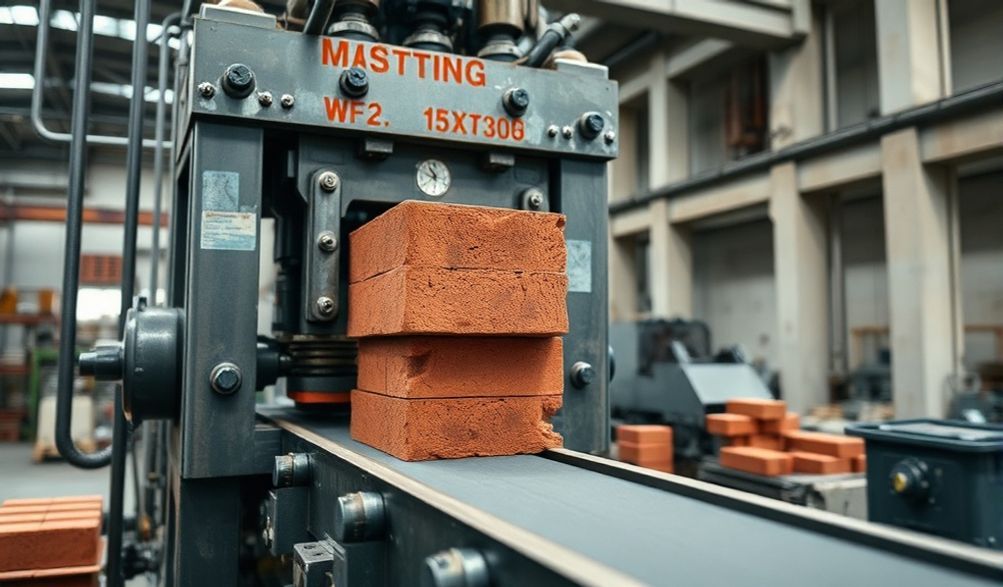
آلة الطوب الطيني FTL510: دليل شامل لإنتاج الطوب الحديث
في عصر يتسم بالتحضر السريع والتركيز المتزايد على البناء المستدام، لم يسبق أن كان الطلب على مواد البناء المتينة والموثوقة والصديقة للبيئة أعلى مما هو عليه الآن. ولا يزال الطوب الطيني، المادة الخالدة ذات الأداء المثبت عبر آلاف السنين، في الصدارة. ومع ذلك، فقد شهدت طرق إنتاجه تحولاً ثورياً. وهنا يأتي دور...آلة الطوب الطيني FTL510قطعة تكنولوجية محورية صُممت لتلبية المتطلبات الدقيقة لصناعة الطوب الحديثة عالية الإنتاج. تمثل هذه الآلة الجسر الحاسم بين الطين الطبيعي الخام والطوب المصمم بدقة الذي يبني عالمنا.
لعقود، كانت صناعة الطوب التقليدية تعاني من تحديات: عمليات كثيفة العمالة، وجودة منتجات غير متسقة، وتكاليف تشغيل مرتفعة، وآثار بيئية كبيرة بسبب استخدام الطاقة والنفايات. هذه أوجه القصور تعيق الربحية والقدرة على التوسع. الحل يكمن في الأتمتة والهندسة المتقدمة. تمثل آلة الطوب الطيني FTL510 قفزة تكنولوجية إلى الأمام، مصممة لتعزيز الإنتاجية، وضمان اتساق لا مثيل له، وتحسين عملية الإنتاج بأكملها من المواد الخام إلى البليت النهائي.
يقدم هذا الدليل كمصدر موثوق وخبير. سنقوم بتحليل جهاز FTL510، متجاوزين النشرات التسويقية لتزويد مدراء المصانع ومسؤولي المشتريات والمهندسين بفهم عميق وعملي لإمكانياته وتطبيقاته وقيمته الإجمالية المقدمة. يرتكز تحليلنا على المواصفات الفنية وأفضل الممارسات الصناعية، ونظرة واضحة حول ما يتطلبه الأمر لدمج مثل هذه الآلة بنجاح في عملياتكم.
ما هي آلة الطوب الطيني FTL510؟ شرح التكنولوجيا الأساسية
الـ FTL510 ليس مجرد آلة؛ إنه نظام مصمم هندسياً للإنتاج الموثوق عالي الإنتاجية. يُصنف عادةً كمكبس هيدروليكي متوسط إلى عالي السعة، وتتمثل وظيفته الأساسية في تحويل خليط الطين المُعد بشكل صحيح إلى طوب مكثف للغاية ومشكل بدقة، بكفاءة ملحوظة. إنه حصان العمل في قلب مصنع الطوب الحديث، حيث يتربع الاتساق والإنتاجية على عرش الأولويات.
نظرة عامة على الآلة وفلسفة التصميم
تتمحور فلسفة التصميم لآلة FTL510 حول الأداء القوي، والبساطة التشغيلية، والمتانة طويلة الأمد. فهي مُصنَّعة لدورات الإنتاج المستمرة والمُجهِدة. على عكس الآلات اليدوية أو صغيرة الحجم، تعمل FTL510 بدرجة عالية من الأتمتة، مما يقلل بشكل كبير من التدخل البشري المباشر في دورة الكبس. يركز تصميمها على إنشاء منصة قوية ومستقرة، حيث يُطبَّق الضغط الهيدروليكي الهائل بدقة لضمان مطابقة كل لبنة للمواصفات المطلوبة.
المواصفات الفنية الرئيسية والمكونات
فهم المواصفات هو المفتاح لتقييم الملاءمة. بينما يمكن أن تختلف الأرقام الدقيقة حسب الشركة المصنعة، فإن آلة من فئة FTL510 النموذجية ستتميز بـ:
- القدرة على التحمل للضغطميزة أساسية، تتراوح غالباً بين 510 إلى 600 طن من قوة الضغط. هذا الضغط العالي ضروري لإنتاج الطوب عالي الكثافة والقادر على تحمل الأحمال.
- الإنتاج الناتج:قادر على إنتاج٢٠٠٠ إلى ٣٥٠٠ طوبة قياسية في الساعةاعتمادًا على نوع الطوب وتحسين وقت الدورة.
- قوة المحرك:مدعوم بمحرك كهربائي كبير، عادةً في نطاق 45-55 كيلوواط، لدفع النظام الهيدروليكي.
- الأبعاد والوزن:آلة ثقيلة تتطلب أساسًا متينًا، غالبًا ما يزيد وزنها عن 10 أطنان وتحتاج إلى مساحة أرضية كبيرة للتشغيل وإجراءات الصيانة.
تفكيك المكونات الأساسية:
- هيكل متين للاستخدام الشاق The machine’s backbone, constructed from high-strength steel to withstand constant high-pressure stresses without deformation.
- النظام الهيدروليكي: The heart of the machine. Comprising pumps, valves, cylinders, and accumulators, it delivers the smooth, controllable force required for compaction.
- Mold & Die System: The tooling that defines the brick’s shape. Made from hardened, wear-resistant steel, these interchangeable molds allow production of different brick types.
- Advanced Control Panel: Often featuring a Programmable Logic Controller (PLC) and human-machine interface (HMI) for setting pressure, cycle times, and monitoring machine status.
- Feeding & Ejection System: Integrated mechanisms for automated material feeding and orderly ejection of pressed bricks onto conveyor belts or pallets.
The Production Process: From Clay to Finished Brick
The operation is a continuous, cyclic process:
- التغذية: The prepared, tempered clay mixture is automatically fed into the mold box cavity.
- الضغط: The hydraulic ram descends with immense, controlled force, compressing the clay to its final shape and density. This stage may involve multiple pressure profiles for optimal results.
- طرد: The mold opens, and the newly formed, “green” brick is gently pushed out onto a conveyor or pallet.
- Palletizing/Conveying: The brick is transferred for the next stages: drying and firing.
This automated cycle repeats with precise timing, maximizing output and minimizing variation.
Advantages of Using the FTL510 Brick Making Machine
Investing in an FTL510 translates into tangible competitive advantages for your brick manufacturing business.
كفاءة لا مثيل لها وإنتاجية عالية
The machine’s automation and rapid cycle times are game-changers.
* It operates continuously with minimal pauses, producing thousands of bricks per shift.
* It drastically reduces dependency on large manual labor crews for the pressing operation, reallocating human resources to supervision, quality control, and logistics.
* The consistent cycle time allows for accurate production forecasting and planning.
Superior Brick Quality and Consistency
This is where engineering excellence shines.
* The high tonnage pressure creates bricks with exceptional density and low porosity, leading to superior compressive strength, frost resistance, and durability.
* Precision-engineered molds and guided movements ensure every brick has identical dimensions, simplifying bricklaying and improving structural aesthetics.
* This consistency builds your brand’s reputation for reliability in the market.
Durability and Low Maintenance Design
Built for the long haul, the FTL510 emphasizes reliability.
* Critical wear parts like molds and liners are made from specially hardened steels to extend service life.
* The design often incorporates centralized lubrication points and easily accessible service panels to simplify routine maintenance.
* A robust construction minimizes breakdowns, ensuring higher uptime and productivity.
التكلفة والفعالية والعائد على الاستثمار
While the initial investment is significant, the total cost of ownership tells a compelling story.
* توفير العمالة Automation significantly reduces direct wage costs per brick produced.
* الكفاءة المادية: Precise compaction and consistent output reduce waste from off-spec products.
* Energy per Unit: Modern hydraulic and drive systems are designed to be more energy-efficient per brick than older, less controlled machines.
* A clear ROI timeline, often between 1.5 to 3 years depending on scale and market, can be established based on increased output and reduced operational costs.
Key Applications and Brick Types Produced
The versatility of the FTL510 makes it a valuable asset for a wide range of production goals.
Versatile Product Range
Through quick-change mold systems, the FTL510 can produce an extensive array of clay products:
* الطوب الصلب: For general construction and load-bearing walls.
* Perforated Bricks: Lighter weight with excellent thermal and acoustic insulation properties.
* الطوب المجوف: Larger format blocks for faster construction, often used in partitions.
* Paving Bricks (Clay Pavers): Dense, durable bricks for driveways, walkways, and patios.
* Special Shapes: Custom molds can produce bricks for landscaping, edging, or architectural features.
Ideal For Which Industries and Projects?
The FTL510 is perfectly suited for:
* Medium to Large-Scale Brick Manufacturing Plants: Looking to upgrade capacity, quality, and automation.
* Construction Material Suppliers & Distributors: Aiming to control their supply chain and product quality.
* مشاريع البنية التحتية الكبرى: Requiring a dedicated, on-site supply of specific bricks (e.g., for a large housing development or industrial complex).
* Government and Industrial Development Corporations: Establishing modern brick plants to support regional construction needs.
Critical Considerations Before Purchasing an FTL510
A successful investment requires thorough due diligence. Here are the key factors to evaluate.
Assessing Your Production Needs and Raw Materials
- الإخراج: Calculate your required daily/monthly output to ensure the FTL510’s capacity matches your business plan.
- Clay Quality: The machine requires properly prepared clay with consistent moisture content and particle size distribution. Test your raw materials.
- مزيج المنتجات: Define the types of bricks you will produce most frequently to discuss the optimal mold portfolio with your supplier.
Factory Space, Power, and Utility Requirements
- الفضاء You need ample space not just for the machine, but for material handling, pallet storage, and maintenance access. A strong, level concrete foundation is non-negotiable.
- قوة Ensure your facility can supply the required 3-phase electrical power (e.g., 380V/50Hz or 440V/60Hz) with adequate amperage.
- Ancillary Equipment: Budget for and plan the integration of necessary supporting equipment: clay crushers, mixers, conveyors, and de-airing extruders if needed.
Supplier Evaluation: Ensuring Quality and Support
Your choice of manufacturer is as critical as the machine itself. Use this checklist:
* Company History & Reputation: How long have they been building such machinery? Research their track record.
* الشهادات: Look for international quality and safety certifications like ISO and CE marking.
* الدعم الفني Is 24/7 remote support available? What is the structure for on-site service?
* تزويد قطع الغيار Is there a guaranteed inventory of critical spare parts? What is the typical delivery time?
* Client Portfolio & Testimonials: Ask for references and, if possible, visit an existing installation.
Understanding the Total Cost of Ownership
Look beyond the sticker price. The true cost includes:
* Machine Price & Shipping
* Installation & Commissioning Fees
* Operator & Maintenance Training
* Cost of Initial Spare Parts Kit
* Ongoing Energy Consumption
* Annual Maintenance Contract Costs
Operational Guide and Maintenance Best Practices
Proper operation and care are essential to realizing the machine’s full lifespan and potential.
Safe Installation and Setup Procedures
- Professional Installation: Always use factory-trained or approved technicians for installation and initial calibration.
- Foundation: Follow the manufacturer’s exact specifications for the concrete foundation to prevent vibration and misalignment.
- Initial Calibration: Precisely set hydraulic pressures, cycle timers, and sensor positions before commencing production.
Daily Operation and Optimization Tips
- Consistent Feed Material: Ensure the clay mix has uniform moisture and consistency to prevent jams and ensure quality.
- Monitor Gauges: Regularly check hydraulic pressure and system temperature during operation.
- Keep it Clean: Implement a “clean as you go” policy to prevent clay buildup on moving parts and sensors.
Essential Maintenance Schedule for Longevity
Adhere to a strict preventive maintenance schedule:
* Daily: Clean the machine, check fluid levels, inspect for leaks, and lubricate guide rails.
* Weekly: Tighten critical bolts and fittings, inspect hydraulic hoses for wear, and check mold alignment.
* Monthly/Annually: Perform more in-depth checks as per the manual, including hydraulic fluid analysis, valve servicing, and comprehensive system inspection by a qualified technician.
FTL510 vs. Other Brick Making Machines
Comparison with Manual and Smaller Semi-Automatic Machines
The FTL510 operates in a different league. Manual and small semi-automatic machines are low-capital-cost options but are severely limited by:
* الإخراج: They produce a fraction of the bricks per hour.
* العمل They are highly labor-dependent and physically demanding.
* الاتساق Product quality varies significantly with operator skill and fatigue.
The FTL510 is for scaling a business; smaller machines are for artisanal or very small-scale production.
Comparison with Other Automatic Models in its Class
When comparing similar-capacity automatic presses, focus on:
* Pressure Control: The sophistication of the hydraulic system for smooth, adjustable pressure.
* كفاءة الطاقة: Designs with variable-speed drives or accumulator systems can reduce power consumption.
* مستوى الأتمتة: Features like automatic mold changing, advanced fault diagnostics, and data logging for production analysis.
* Service & Support: The supplier’s local presence and commitment to after-sales service often become the deciding factor.
الأسئلة الشائعة (FAQ)
Q1: What is the approximate production capacity of the FTL510 clay brick machine per hour?
أ: The FTL510 typically produces between 2,000 to 3,500 standard solid bricks per hour, depending on the specific brick type and the optimized cycle time settings.
Q2: What types of clay or raw materials are suitable for the FTL510?
أ: It works best with properly prepared clay that has a consistent moisture content (typically between 15-20%) and a well-graded particle size. It can handle a mix of clay, shale, and certain industrial by-products like fly ash, provided they are correctly processed before pressing.
Q3: Does the machine come with a warranty, and what does it cover?
أ: Reputable manufacturers offer a warranty, usually for 12-18 months for major components like the frame and hydraulic system, covering defects in materials and workmanship. Wear parts like molds may have a shorter warranty. Always get the warranty terms in writing.
Q4: What is the lead time for delivery and installation after ordering?
أ: Lead times vary but generally range from 60 to 120 days from order confirmation, depending on manufacturer workload, customization, and shipping logistics to your destination port.
Q5: Can you provide training for our operators, and is technical support available remotely?
أ: Yes, comprehensive on-site training for operators and maintenance staff should be part of the purchase. Most suppliers also offer ongoing technical support via phone, email, and video call for troubleshooting.
Q6: How energy-efficient is the FTL510 compared to older models?
أ: Modern FTL510 models incorporate energy-saving features like more efficient hydraulic pumps and PLC-controlled cycles that reduce idle time, making them significantly more energy-efficient per brick produced than older generation presses.
Q7: Are spare parts readily available, and how do we order them?
أ: Established manufacturers maintain a spare parts inventory. You should receive a parts manual and be able to order directly through your supplier’s service department. Confirm the availability of a critical spare parts kit with your initial order.
خاتمة
الآلة الطوب الطيني FTL510 stands as a robust, efficient, and quality-centric solution engineered for the demands of modern brick production. It successfully addresses the core challenges of traditional manufacturing by delivering high output, unwavering consistency, and a strong return on investment. By automating the most critical stage of production, it allows businesses to scale reliably, reduce operational variability, and build a reputation for superior product quality.
Making an investment of this scale requires informed decision-making. We encourage you to conduct thorough due diligence: request detailed technical datasheets, ask for client references, and, if possible, arrange a virtual or in-person factory tour to see the machine in action. A reputable, experienced manufacturer will be your partner in this process, providing the transparency and support you need.
Ready to transform your brick production capabilities? Contact our team of engineering specialists today to discuss your specific project requirements, receive a detailed quotation for the FTL510, and schedule a consultation to see how this powerful machine can drive the future growth of your business.
<