
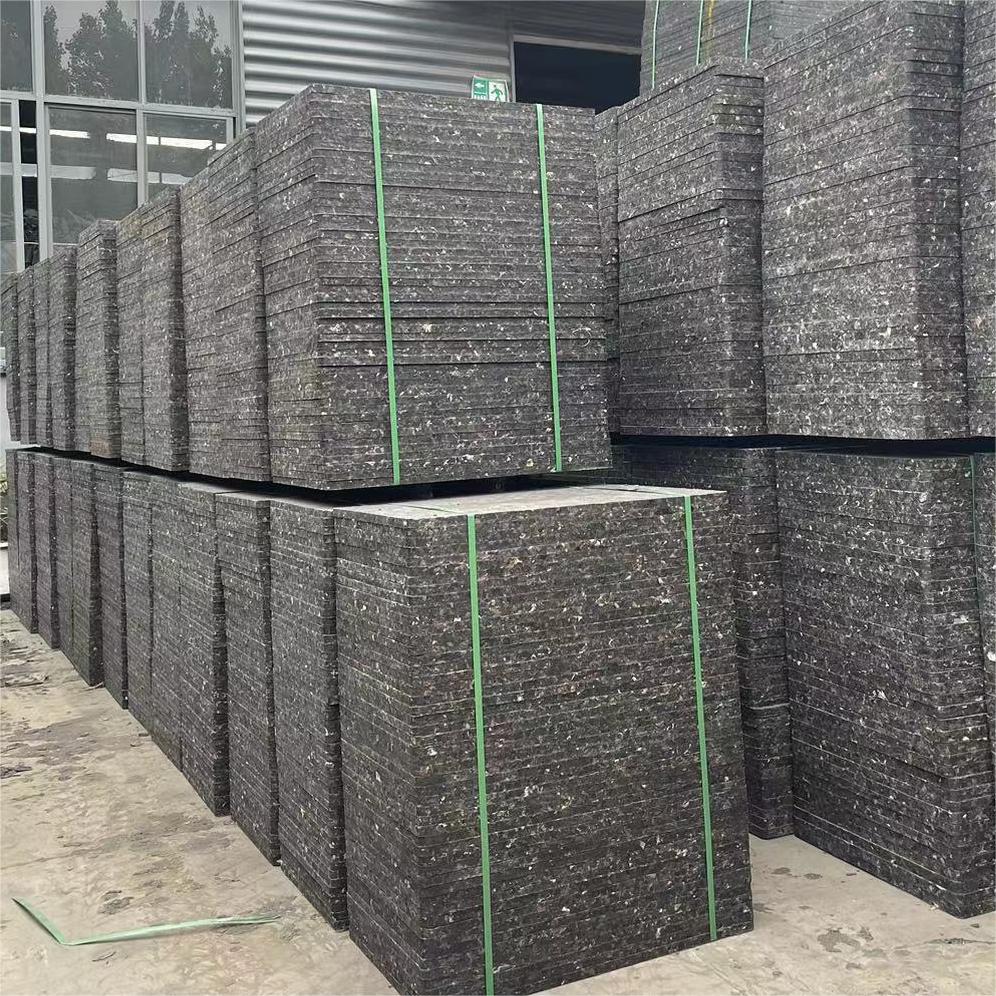
الديناميكيات الهندسية والتشغيلية لمنصات الإنتاج
الوظيفة الأساسية وتكامل النظام
في مصنع أوتوماتيكي لصناعة الطوب، تؤدي البليتة سلسلة من الوظائف الحرجة عالية الأهمية. دورها الأساسي هو تشكيل السطح السفلي لصندوق القالب. يجب أن تُشكل إغلاقًا محكمًا مع جدران القالب لمنع تسرب خليط الخرسانة أثناء مرحلة الاهتزاز عالي التردد والدمك. بعد الدمك، تنتقل البليتة التي تحمل الآن الطوب "الأخضر" المشكل حديثًا والهش للغاية إلى نظام الناقل في المصنع. ثم تمر عبر غرفة معالجة أو منطقة معالجة طبيعية، حيث تكتسب الخرسانة قوتها الأولية. يتم تزامن الإيقاع الإنتاجي الكامل للمصنع مع حركة هذه البليتات. إن بليتة واحدة ملتوية أو تالفة أو خارج المواصفات يمكن أن تسبب عطلًا في نظام النقل، أو توقف خط الإنتاج بالكامل، أو تؤدي إلى إنتاج دفعة كاملة من الطوب المعيب، مما يتسبب في خسارة مالية كبيرة.
التركيب المادي والتقدم التكنولوجي
تطور مواد المنصات هو استجابة مباشرة للظروف القاسية في إنتاج الكتل: التآكل الشديد، والاصطدام المستمر من آليات النقل، والتعرض للرطوبة والكيمياء القلوية للخرسانة، والتغيرات الحرارية الكبيرة.
- ألواح الشحن الفولاذية المعالجة حرارياً عالية الكربون:هذا هو الخيار التقليدي والأكثر متانة. تُصنَّع هذه المنصات من ألواح فولاذية سميكة عالية الكربون، ثم تُعالَج حرارياً (بالتصليب والمراجعة) لتحقيق توازن مثالي بين الصلادة السطحية والمتانة الداخلية. تكمن ميزتها الأساسية في متانتها الاستثنائية ومقاومتها للتشوه تحت الأحمال الثقيلة. وهي مثالية لبيئات الإنتاج العالي التي تنتج منتجات كثيفة وثقيلة مثل الكتل الصلبة أو البلاط الحجري. أما العيب الرئيسي فهو تكلفتها الأولية الأعلى ووزنها الكبير، مما يتطلب طاقة أكبر من نظام النقل.
- ألواح من البوليمرات المركبة والبلاستيك الهندسي:تعتبر هذه المنصات ابتكارًا أكثر حداثة، حيث تُصنع من بوليمرات متقدمة، غالبًا ما تكون مدعمة بألياف أو مواد مركبة أخرى. تكمن فوائدها الرئيسية في تقليل الوزن بشكل كبير (مما يخفض استهلاك الطاقة للنقل) ومقاومتها المتأصلة للتآكل. كما أنها تولد ضوضاء أقل أثناء عمليات النقل. ومع ذلك، قد تكون أقل مقاومة للصدمات الشديدة ويمكن أن تكون عرضة للتشوه الدائم إذا تعرضت لدرجات حرارة تتجاوز نقطة استقرارها الحراري، خاصة في بيئات المعالجة بالبخار المتسارعة.
- حلول الصلب الهجينة والمطلية:للاستفادة من مزايا العالمين، تتميز بعض المنصات بقلب فولاذي لضمان السلامة الهيكلية مع طلاء بوليمري ملتصق أو طلاء متخصص مقاوم للتآكل على السطح العلوي. يقلل هذا الطلاء الاحتكاك أثناء إخراج الكتل، ويقلل من مشاكل الالتصاق مع بعض خلطات الخرسانة، ويوفر طبقة إضافية ضد التآكل. يعتمد أداء وعمر هذه المنصات بشكل كبير على جودة وعملية تطبيق الطلاء.
الأثر الاستراتيجي على كفاءة الإنتاج وإجمالي تكلفة الملكية
جودة البالتات كعامل محدد لجودة المنتج وتوفر وقت التشغيل للمصنع
لا يمكن المبالغة في التأكيد على العلاقة المباشرة بين حالة الباليت وجودة البلوك. فالباليت غير المستوي تماماً ينتج بلوكاً بسمك غير متسق، مما يجعله غير مطابق للمعايير الإنشائية وغير قابل للبيع. كما أن التآكل السطحي أو الحفر أو الصدأ على الوجه العلوي للباليت ينقل هذه العيوب إلى السطح السفلي لكل بلوك يتم إنتاجه، مما يؤثر على الجماليات، وفي حالة أحجار الرصف، على خصائصها الوظيفية في التركيب. علاوة على ذلك، فإن عدم الاستقرار الأبعادي – مثل الانحناء أو التغير في السمك – هو سبب رئيسي لتوقف الماكينات. فالباليت الذي يخرج عن حدود التسامح قد يعلق في محطة القالب، أو ينحرف على الناقل، أو يفشل في التعامل معه بشكل صحيح من قبل المكدسات والمفككات، مما يؤدي إلى توقف خط إنتاج تبلغ قيمته مئات الآلاف من الدولار تماماً. لذلك، فإن تحديد مواصفات الباليت عالي الجودة ليس مجالاً لتخفيض التكاليف؛ بل هو استثمار مباشر في موثوقية الإنتاج وجودة المخرجات.
Analyzing the Total Cost of Pallet Ownership
For a block manufacturer, the true cost of pallets extends far beyond the simple purchase price per unit. A sophisticated TCO analysis provides a more accurate financial picture and is a key tool for distributors to use with their clients.
- سعر الشراء الأولي: The upfront cost of the pallet batch.
- التكاليف التشغيلية: This includes the energy consumption for moving the pallets (heavier steel pallets cost more to convey) and the labor for routine inspection and handling.
- Impact on Production Losses: This is the most significant variable. A low-quality pallet with a short lifespan necessitates more frequent shutdowns for replacement. More critically, pallet-induced jams and product rejections lead to massive production losses that can dwarf any savings from a cheaper initial purchase.
- Replacement Interval and Lifespan: A premium heat-treated steel pallet might last for 500,000 cycles or more, while an inferior alternative may wear out after 150,000 cycles. Calculating the cost per production cycle provides a clear comparison and almost always favors the higher-quality, longer-lasting option.
- Compatibility and Standardization: For a plant running multiple products, using standardized, interchangeable pallets simplifies operations and reduces the spare parts inventory required. A distributor who can provide a universal pallet design that works across a client’s various mold sets adds tremendous operational value.
Procurement and Supply Chain Strategy for Distributors
Technical Specifications and Quality Assurance Benchmarks
When sourcing pallets, either as standalone consumables or as part of a machine supply package, distributors must enforce rigorous technical standards.
- Material Certification: Suppliers should provide mill certificates for steel, verifying its grade and composition. For polymer pallets, data sheets specifying the polymer type, filler materials, and reinforcement percentages are essential.
- التسامحات الأبعادية Specifications must dictate strict tolerances for length, width, thickness, and, most critically, flatness. Flatness should be measured over the entire surface and held to a tolerance of within fractions of a millimeter.
- Hardness and Surface Treatment: For steel pallets, a minimum surface hardness, measured on the Rockwell scale (e.g., HRC 40+), should be required to ensure abrasion resistance. Documentation of the heat-treatment process is necessary. For coated pallets, the coating thickness and bond strength should be specified.
- Sample Testing and Validation: Before placing a bulk order, it is prudent to procure a small sample batch for real-world testing in a client’s plant. This provides invaluable data on actual wear rates, compatibility with the specific block machine, and resistance to the client’s unique concrete mix design.
Building a Resilient and Responsive Supply Program
The pallet is a consumable, and its supply must be managed with the urgency that a production-stopping shortage demands.
- Strategic Inventory Management: Distributors should maintain a calculated inventory of the most common pallet sizes to serve their client base. This allows for rapid response to emergency replacement needs, building immense customer loyalty.
- Reliable Manufacturing Partnerships: The pallet supplier must be a specialized manufacturer with proven expertise in metal fabrication or precision polymer molding. They must have the capacity for consistent quality and the ability to fulfill large and rush orders without compromising on specifications.
- Logistics and Lead Time Management: Given the weight and size of pallet shipments, efficient logistics planning is crucial. Distributors must have clear visibility into production and shipping lead times from their supplier to provide accurate delivery commitments to their end clients, ensuring the continuous operation of block manufacturing plants.
خاتمة
In the high-stakes environment of automated block production, the pallet is a component that demands strategic focus from equipment distributors and suppliers. Its role is pivotal, acting as the critical interface between the machine’s dynamic mechanics and the final product’s quality. Viewing pallets as simple, low-value consumables is a profound miscalculation that can jeopardize client relationships and the performance reputation of the entire machinery line. By developing deep expertise in pallet materials, engineering specifications, and lifecycle economics, B2B professionals can transition from being mere parts suppliers to becoming indispensable partners in productivity. Offering a premium, well-specified pallet, backed by a reliable and responsive supply chain, is a powerful strategy for reducing client downtime, enhancing their product quality, and securing a durable and profitable position in the competitive masonry equipment market.
الأسئلة الشائعة (FAQ)
Q1: How often should a block manufacturing plant inspect and replace its pallets?
أ: Inspection should be a daily routine. Operators should visually check for obvious damage and use a straightedge to periodically verify flatness. The replacement interval is not time-based but cycle-based. Premium pallets can last for several years under continuous use. Replacement should occur when consistent wear leads to product quality issues (e.g., thickness variation, poor bottom surface finish) or when dimensional changes cause persistent transfer or jamming problems.
Q2: What are the primary causes of premature pallet failure?
أ: The most common causes are:
- Abrasive Concrete Mix: Using aggregates with high abrasive qualities (like some river gravels) without adjusting the mix design will accelerate wear.
- Improper Machine Adjustment: Incorrect vibration settings or a misaligned mold can cause excessive impact and stress on the pallet.
- Handling Damage: Dropping pallets during manual handling or cleaning can cause warping or edge damage.
- Chemical Attack: Highly alkaline cement or aggressive curing agents can corrode steel or degrade certain polymers over time.
Q3: Can warped or slightly damaged pallets be repaired or reconditioned?
أ: In some cases, yes. Specialized workshops can re-mill the surface of a steel pallet to restore flatness, but this is only feasible if the pallet has sufficient original thickness to maintain its structural integrity after material removal. Severely warped or cracked pallets cannot be economically repaired and must be replaced for the safety and reliability of the production line.
Q4: Are there different pallet specifications for different block products?
أ: Absolutely. While the base material may be the same, the specifications vary. Heavy-duty products like retaining walls require thick, high-strength pallets. For thin, lightweight products, a lighter pallet might be acceptable. The surface finish requirement is also higher for products like exposed aggregate pavers where the bottom face becomes the visible top face.
Q5: What is the typical lead time for a custom-sized or non-standard pallet order?
أ: Lead times for custom pallets depend on the manufacturer’s workload and the complexity of the order. For a standard material and a common size, lead time might be 4-6 weeks. For a completely new size requiring new fabrication jigs or a special material treatment, the lead time could extend to 8-12 weeks. It is critical to plan for pallet inventory and replacement well in advance of anticipated needs.

