تحليل شامل لآلات صناعة الطوب التي تعمل بالديزل
أولاً: المبادئ التشغيلية الأساسية والتكوين الفني
تحل آلات الديزل الكتلية محل المحرك الكهربائي المعتمد على الشبكة بمحرك ديزل احتراق داخلي مكتفٍ ذاتيًا كمصدر طاقة أساسي. يفرض هذا التحول الأساسي مجموعة فريدة من الخصائص الهندسية.
وحدة الطاقة الديزل: قلب النظام
- تكامل المحرك ونقل الطاقةمحرك ديزل قوي ومتين، مصمم للاستخدام الصناعي، متصل مباشرة بالنظام الهيدروليكي للآلة. حيث يحول ناتجه الميكانيكي إلى مضخة هيدروليكية تولد ضغط السوائل اللازم لجميع الوظائف: ضغط خليط الخرسانة، رفع القالب، وطرد البلوك النهائي. ويشتهر نظام الدفع المباشر هذا بعزمه العالي وموثوقيته.
- الاستقلال في مجال الطاقة:تحمل الآلة نظام توليد الطاقة الخاص بها على متنها. وهذا يلغي التعرض لانقطاع التيار الكهربائي، أو تقلبات الجهد ("انخفاض الجهد")، أو الغياب الكامل للبنية التحتية للشبكة، مما يضمن دورات إنتاج دون انقطاع.
ب. تصميم النظام والمكونات الرئيسية
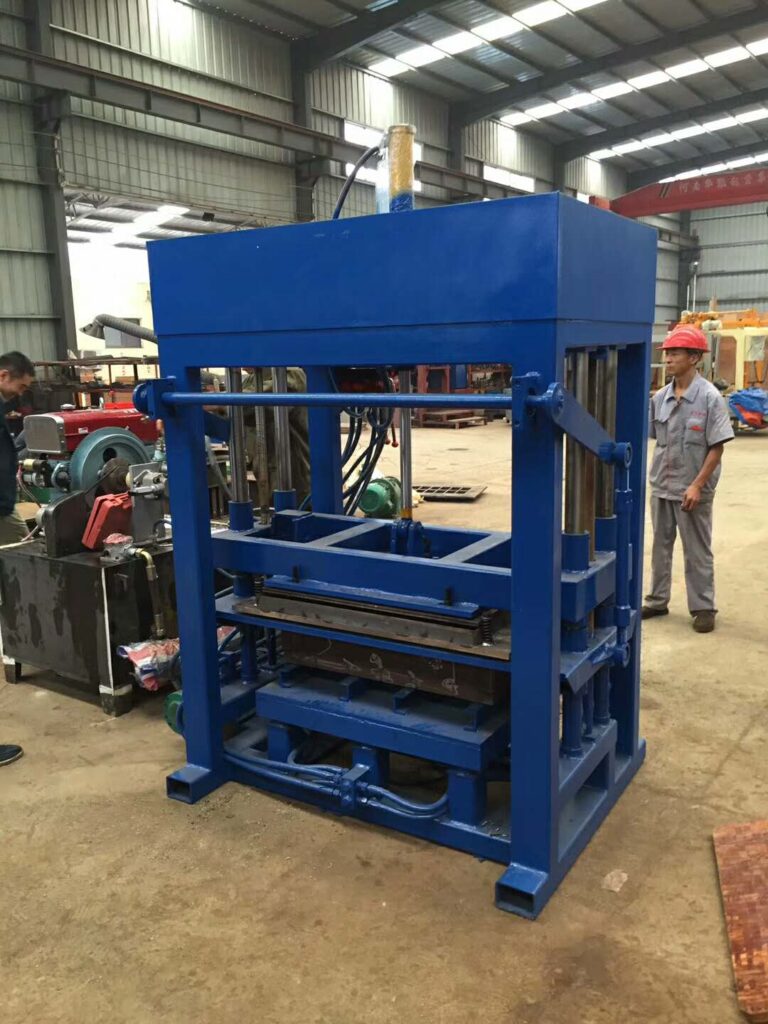
- هيمنة النظام الهيدروليكيتعمل هذه الآلات بشكل ساحق بنظام هيدروليكي. فالمحرك الديزل يدفع مضخة هيدروليكية عالية السعة التي تغذي شبكة من الأسطوانات وصمامات التحكم. يؤدي ذلك إلى ضغط دمج استثنائي الارتفاع، غالباً ما يتفوق على العديد من آلات الاهتزاز الكهربائية القياسية، منتجاً كتل ذات قوة رطبة أولية وكثافة عالية جداً.
- آلية الاهتزاز (إن وجدت):في النماذج المصممة للطوب المجوف، يعتبر نظام الاهتزاز ضرورياً. في الآلات الديزل، يتم تحقيق ذلك عادةً باستخدام محرك هيدروليكي مخصص لتحريك الأوزان غير المركزية على طاولة الاهتزاز، بدلاً من محرك الاهتزاز الكهربائي. وهذا يضمن أن وظيفة الاهتزاز تكون مستقلة أيضاً عن شبكة الكهرباء.
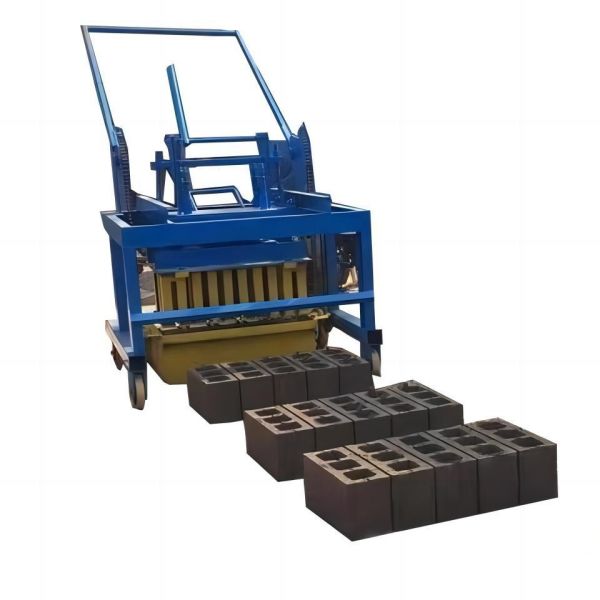
- التنقل وتصميم الهيكل:تتميز العديد من الآلات التي تعمل بالديزل بقدرتها على التكامل مع التنقل، حيث تُركب غالبًا على هيكل مقطورة متين مزود بوصلة سحب، أو تُثبت على إطار فولاذي متين مجهز بجيوب لرفعها بالرافعة الشوكية. وهذا يحول مصنع الإنتاج إلى أصل متنقل يمكن نشره في المكان المطلوب بدقة.
ثانياً: القيمة المقنعة والتطبيقات المستهدفة للسوق
مزايا الطاقة الديزل لا تقتصر على الطاقة البديلة؛ بل تترجم إلى فوائد مباشرة وملموسة للمستخدمين النهائيين، مما يفتح قطاعات سوقية محددة وعالية الطلب.
أ. المزايا التشغيلية الرئيسية
- استقلال وتنقل لا مثيل لهما في الموقعإن القدرة على إنتاج كتل عالية الجودة مباشرة في موقع البناء أو المحجر أو في منطقة نائية هي الميزة الأكثر قوة على الإطلاق. فهي تقلل بشكل كبير أو تلغي التكاليف والتعقيدات اللوجستية لنقل الكتل النهائية لمسافات طويلة.
- ضمان استمرارية الإنتاجفي المناطق التي تعاني من عدم استقرار الكهرباء، تضمن الطاقة التي تعمل بالديزل أن تكون جداول الإنتاج محكومة بتوفر المواد والعمالة، وليس من قبل مزودي الخدمات. وهذه الموثوقية تُعد نقطة بيع حاسمة للمقاولين الذين لديهم مواعيد نهائية صارمة.
- قوة ضغط عالية وإخراج متعدد الاستخدامات The hydraulic pressure generated by diesel engines is substantial, allowing for the production of a wide range of products—from standard hollow blocks and solid bricks to heavy-duty kerbstones and interlocking pavers—from the same machine with simple mold changes.
- Lower Initial Infrastructure Cost: There is no need for investment in high-capacity electrical transformers, substations, or extensive cabling to the production location. The machine only requires a flat, stable surface and access to raw materials and diesel fuel.
B. Strategic Market Applications for Distributors
- Remote and Rural Construction Projects: Housing developments, infrastructure projects (roads, dams), and mining camps in areas beyond the reliable grid.
- Disaster Recovery and Humanitarian Construction: Rapid deployment for rebuilding after natural disasters where infrastructure is destroyed.
- Large-Scale Landscaping and Civil Works: On-site production of pavers, retaining wall blocks, and drainage channels for parkways, commercial landscapes, and road projects.
- Contractor and “Block Yard” Businesses: Entrepreneurs can establish temporary production yards close to material sources or clustered construction sites, minimizing transport radius and maximizing profit margins.
- Military and Government Engineering Corps: For tactical construction needs requiring rapid, self-sufficient deployment.
III. Critical Considerations for Machine Selection and Partnership
For a distributor, selecting the right diesel machine model and the right manufacturer requires a focused evaluation beyond basic specifications.
A. Key Technical Evaluation Criteria
- Engine Brand, Power Rating, and Serviceability: The reputation and global service network of the diesel engine manufacturer (e.g., Cummins, Deutz, Weichai, etc.) are crucial. A power rating (in horsepower or kilowatts) must be adequate for the machine’s size and intended output. Ease of local servicing and parts availability for the engine is paramount.
- Hydraulic System Quality and Capacity: The durability of the hydraulic pump, valves, and cylinders determines machine longevity and maintenance intervals. Systems with filtration and cooling are superior.
- Production Capacity and Cycle Time: Assess the bricks-per-hour output for the specific block type your target market demands. A faster cycle time powered by an efficient hydraulic circuit increases productivity.
- Build Quality and Structural Integrity: The machine must withstand the constant vibration and high forces of operation. A reinforced steel frame and a robust vibration table (if present) are non-negotiable.
- ميزات التنقل: Evaluate the trailer’s axle rating, braking system, lighting, and overall roadworthiness if mobility is a key selling point.
B. Business and Commercial Analysis for Distributors
- Total Cost of Operation (TCO) Analysis: While the machine saves on electrical infrastructure, operational costs shift to diesel fuel and engine maintenance. Calculate estimated fuel consumption per 1,000 blocks and factor in routine engine service costs. Present this TCO comparison against electric models to clients transparently.
- After-Sales Support Dualism: Your supplier must provide expertise on both the block machine mechanics و the diesel engine. Comprehensive manuals, training on basic engine maintenance, and a clear spare parts supply chain for engine-specific components are essential.
- Demonstration and Proof of Concept: The most effective sales tool is an on-site demonstration. Showing the machine operating autonomously, producing dense blocks from local materials, is a powerful closer. Consider maintaining a demonstration unit.
- Regulatory and Environmental Compliance: Be aware of local regulations regarding emissions from diesel engines and noise levels. Some markets may have restrictions that affect where these machines can operate.
خاتمة
The diesel-powered brick and block making machine is a specialized tool for specific, challenging, and highly profitable market conditions. It is not a one-size-fits-all solution but represents the pinnacle of operational independence in block production. For the strategic distributor, this machinery opens doors to client segments and project types that are inaccessible to standard electric equipment. Success hinges on partnering with a manufacturer that demonstrates proven engineering in integrating diesel power with robust block-making mechanics, and on building your own expertise to support both systems. By positioning these machines as a guarantee of productivity—wherever and whenever it is needed—distributors can build a formidable reputation as providers of resilient, problem-solving construction solutions.
FAQ (Frequently Asked Questions)
Q1: What is the typical fuel consumption of a diesel block machine, and how does it impact operating cost?
Fuel consumption varies significantly based on engine size, machine output, and production cycle. A mid-range machine might consume 3-5 liters of diesel per hour under continuous operation. To calculate cost, factor local diesel prices. While this is an operational cost, it must be weighed against the eliminated costs of block transport (often the largest saving), electrical installation, and the value of guaranteed uptime. A detailed site-specific cost-benefit analysis is recommended for clients.
Q2: How does the maintenance schedule for a diesel machine differ from an electric one?
Maintenance is more intensive and requires dual expertise. Beyond standard machine lubrication and wear part replacement (like molds), the diesel engine requires regular servicing: oil and filter changes, air filter cleaning/replacement, fuel system maintenance, and coolant checks as per the engine manufacturer’s schedule (e.g., every 250-500 hours). Distributors should provide clear maintenance protocols and training.
Q3: Are the blocks produced by a hydraulic diesel machine comparable in quality to those from electric vibratory machines?
Yes, and often they are superior in terms of initial wet strength and density due to the high static compaction pressure of hydraulic systems. The blocks achieve the required compressive strength after proper curing. The key difference is the method of compaction (primarily pressure vs. primarily vibration), not the final product quality, which meets all relevant construction standards.
Q4: Can these machines be fitted with an electric motor option for dual-power flexibility?
Many manufacturers offer “dual-power” or “hybrid” configurations where the machine’s hydraulic system can be driven either by a removable diesel engine or by a standard electric motor coupled to a power take-off (PTO). This offers maximum flexibility, allowing a client to use electric power in a stable yard and diesel for on-site projects, though it increases the initial purchase price.
Q5: What are the primary safety and operational considerations for a diesel machine?
Key considerations include:
- Ventilation: Must be operated in a well-ventilated area to avoid fume buildup.
- Fire Safety: Proper fuel storage and handling procedures are critical. No smoking near the machine.
- Noise: Diesel engines are louder than electric motors; hearing protection for operators may be necessary.
- Hot Surfaces: Operators must be trained to avoid contact with the engine exhaust and other hot components during and immediately after operation.