
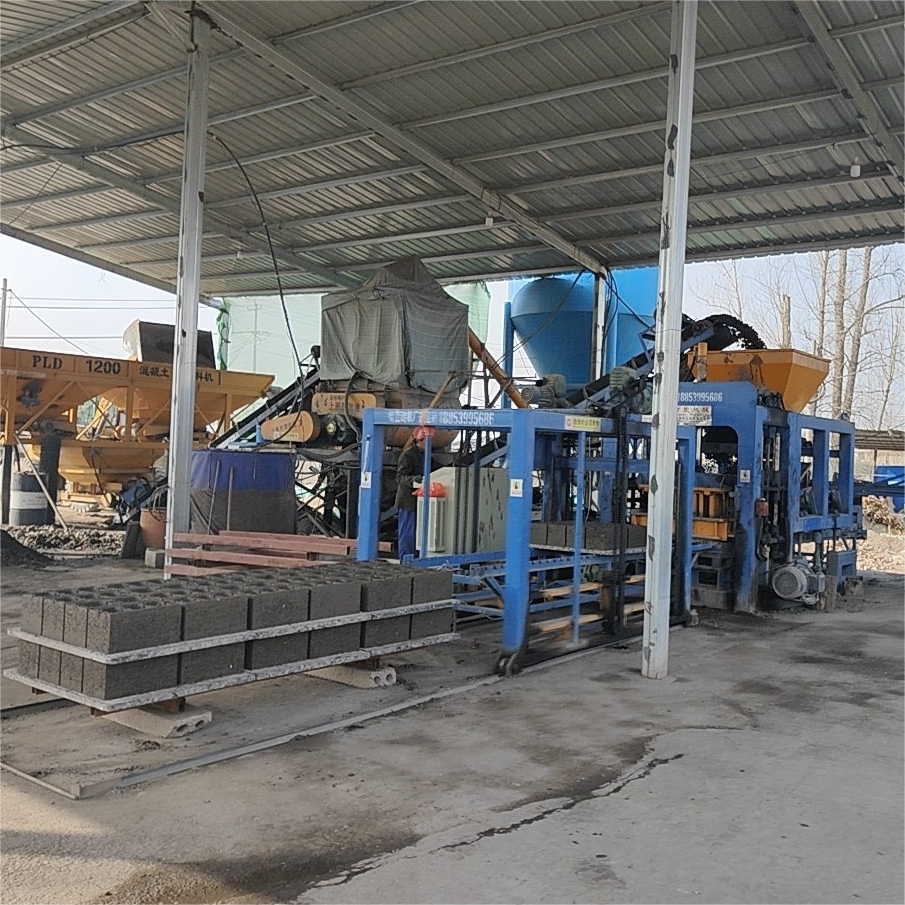
تفكيك القدرة الإنتاجية اليومية
الحد الأقصى النظري لإنتاج آلة هو نقطة انطلاق، لكن العائد العملي اليومي يُحدد بواسطة معادلة تتضمن عدة عوامل كفاءة. الحساب الأساسي هو:الإنتاج اليومي الواقعي = (الدورات النظرية في الساعة × الكتل في كل دورة × ساعات التشغيل) × عامل الاستخدام.
١. المحددات الأساسية لسعة الماكينة
هذه هي المعايير الثابتة التي تحددها تصميم الآلة.
- نوع الآلة ومستوى الأتمتة:هذا هو العامل المميز الأساسي.
- الآلات اليدوية:تعتمد المخرجات كليًا على سرعة المشغل وقدرته على التحمل، وعادةً ما تتراوح من بضع مئات من الكتل يوميًا.
- الآلات شبه الآلية:لديهم وقت دورة محدد (على سبيل المثال، 15-30 ثانية لكل دورة). تتزايد السعة اليومية بشكل مباشر مع عدد تجاويف القالب (الكتل المنتجة في كل دورة) وثبات العملية.
- آلات أوتوماتيكية بالكامل:مصممة للدوران المستمر عالي السرعة (ربما كل 10-20 ثانية أو أقل)، وغالبًا ما تعمل محطات إنتاج متعددة بالتوازي. إنها تمثل الطبقة العليا من الإنتاج اليومي.
- تهيئة القالب (عدد القطع لكل دورة)القالب المادي يحدد عدد الوحدات المنتجة في كل دورة للآلة. يمكن للقالب الواحد إنتاج 3، 4، 6، 10، أو أكثر من الكتل القياسية في وقت واحد. أما بالنسبة لبلاط الأرصفة، فقد يصل هذا العدد إلى عشرات القطع.
٢. المتغيرات التشغيلية الحرجة المؤثرة على الناتج الفعلي
هذه هي العوامل الواقعية التي تحدد مدى قرب العملية من الحد الأقصى النظري للآلة.
- ساعات العمل الفعّالة: This is not simply an 8-hour shift. It must deduct scheduled breaks, shift changeover time, and daily startup/shutdown procedures for machine preparation and cleaning.
- Product Changeover Frequency: Every time the mold is changed to produce a different block type (e.g., from 4″ blocks to pavers), production halts. A business producing multiple products in small batches will have a lower average daily output than one running a single product all day.
- Mix Supply and Logistics: The block machine can only run as fast as it is fed. Delays in mixing or transporting raw concrete to the hopper will idle the machine. Efficient material handling is a prerequisite for achieving rated capacity.
- Machine Reliability and Maintenance: Unplanned downtime for repairs or jams directly subtracts from production time. A well-maintained machine with a preventive schedule sustains higher output over the long term.
3. From Cycles to Volume: Applying a Realistic Utilization Factor
The most important concept for realistic projection is the Utilization or Efficiency Factor. This percentage (typically between 60% and 85% for a well-run semi- or fully automatic operation) accounts for all the unavoidable micro-stoppages: brief pauses to check quality, minor adjustments, pallet misalignment corrections, and natural workflow variations.
- Example Calculation: Consider a semi-automatic machine with a 20-second cycle time producing 4 blocks per cycle.
- Theoretical Cycles per Hour: 3600 seconds / 20 seconds = 180 cycles.
- Theoretical Output per Hour: 180 cycles x 4 blocks = 720 blocks.
- Theoretical 8-Hour Day: 720 x 8 = 5,760 blocks.
- Realistic Daily Output (with 75% Utilization): 5,760 x 0.75 = 4,320 blocks.
Conclusion: Capacity as a Dynamic Business Metric
Ultimately, the question of daily output should lead to a discussion about system efficiency, not just machine specs. For the distributor, your role is to guide clients from a simplistic focus on the largest advertised number to an understanding of the integrated production system required to achieve high, sustainable output. Emphasize that the machine’s rated capacity is a potential that is unlocked through skilled operation, disciplined maintenance, seamless logistics, and strategic production scheduling. By helping clients analyze their specific context—product mix, labor skills, and market demand patterns—you enable them to select machinery that matches their true operational capacity needs, ensuring a smoother path to profitability and a more satisfied end-user.
الأسئلة الشائعة (FAQ)
Q1: What is a typical daily output range for different machine types?
أ: Ranges are illustrative and highly model-dependent:
- الآلات اليدوية: 300 – 1,000 blocks per day.
- الآلات شبه الآلية: 2,000 – 8,000+ blocks per day (for standard 4″ blocks), heavily dependent on model size and mold configuration.
- النباتات الآلية بالكامل: 10,000 – 30,000+ blocks per day, representing continuous industrial production.
Q2: Why does the actual production often fall short of the catalog specification?
أ: Catalog specs typically state theoretical maximum output under ideal laboratory conditions: one product type, no interruptions, perfect material feed, and 100% efficiency. Real-world operations inherently include the utilization factors discussed above, making the actual output a discounted but more reliable figure for business planning.
Q3: How does the type of block being produced affect the daily count?
أ: Significantly. Producing solid blocks or thicker pavers requires more concrete fill time and often longer vibration, increasing cycle time. Producing smaller, thinner pavers allows for a mold with many more cavities and a potentially faster cycle, potentially yielding a higher count of units per day, even if the volume of concrete used is similar.
Q4: Can output be increased by simply running the machine for more hours?
أ: Yes, but within limits. Implementing a two-shift system is a common and effective way to double daily output without new capital investment in machinery. However, this requires a larger crew, more raw material logistics, and accelerated wear on the machine, necessitating a more rigorous maintenance schedule.
Q5: What is the single biggest lever for improving daily output on an existing machine?
أ: The most impactful lever is optimizing workflow to minimize non-productive time. This includes:
- Organizing mold changes to batch like products.
- Ensuring the mixing and feeding system never starves the block machine.
- Implementing proactive preventive maintenance to avoid breakdowns.
- Training operators for swift troubleshooting of minor issues. These process improvements often yield greater gains than pushing the machine to a marginally faster, less stable cycle time.
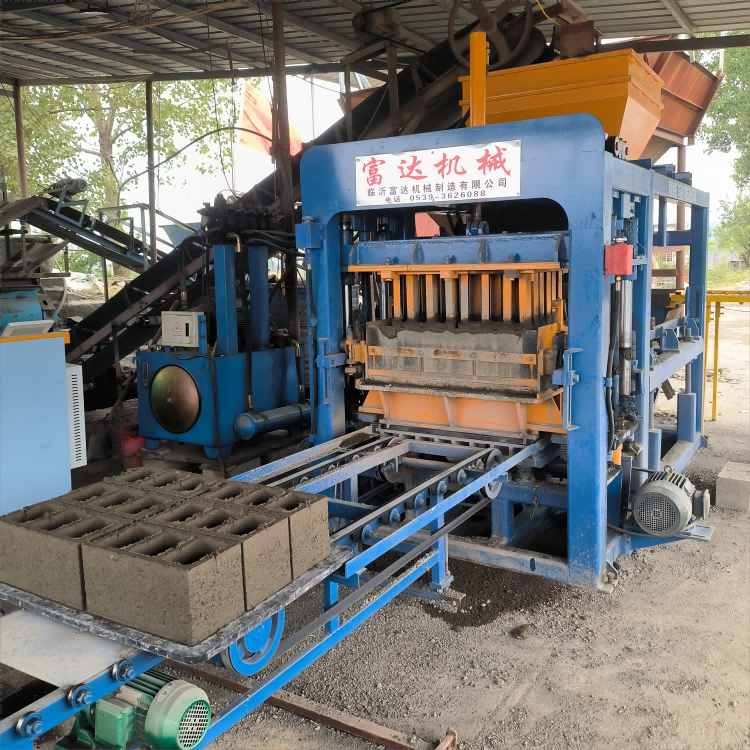
- آلة صناعة الطوب الأوتوماتيكية7 products
- آلة صنع الطوب الطيني4 products
- آلة صنع الكتل المتحركة4 products
- معدات البناء الأخرى5 products
- آلة صنع الكتل شبه الأوتوماتيكية4 products