
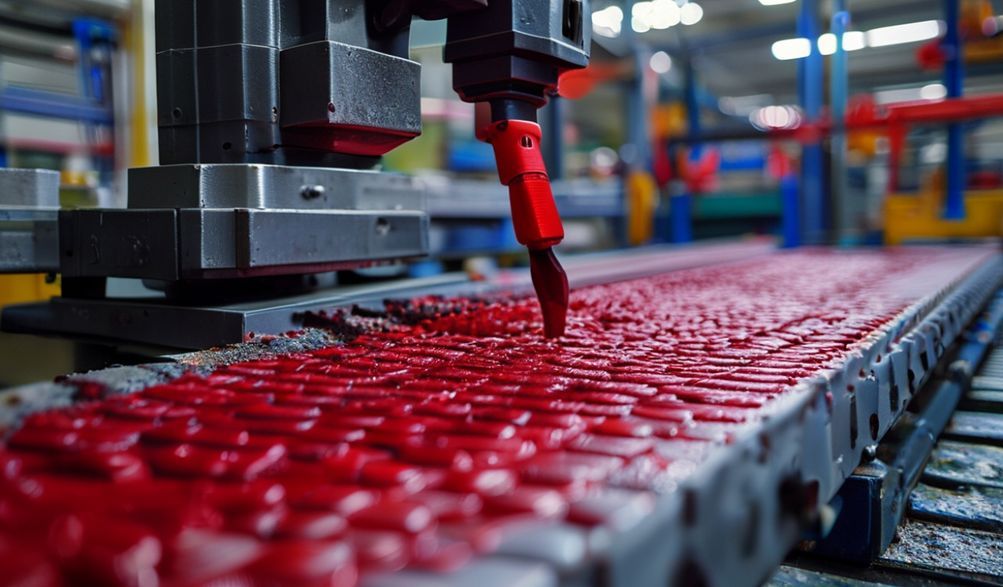
الدليل النهائي لآلات صنع بلاط الأسمنت | رؤى من مصنع فودا
مقدمة
يتميز المشهد العالمي للبناء والتطوير الحضري بشكل متزايد بالطلب على حلول رصف متينة ومتعددة الاستخدامات من الناحية الجمالية وفعالة التكلفة. من الساحات العامة والطرق إلى الممرات الخاصة ومسارات الحدائق، تطورت بلوكات الرصف المتواضعة إلى مكون بناء حاسم. ومع ذلك، فإن تلبية هذا الطلب بالعمالة اليدوية أو المعدات القديمة يطرح تحديات كبيرة: جودة غير متسقة، وتكاليف عمالة باهظة، ومعدلات إنتاج بطيئة، وإجهاد بدني غير مستدام على العمال.
الحل الذي أحدث ثورة في هذه الصناعة هو آلة صنع بلاط الأسمنت الحديثة. هذه التقنية تحول خليط الخرسانة الخام إلى كتل دقيقة وعالية القوة ومنتهية بشكل جميل بكفاءة ملحوظة. ولكن مع وجود آلات ومزاعم متنوعة في السوق، كيف يمكنك التمييز بين الضجيج التسويقي والواقع العملي المربح؟
هنا حيث تصبح الخبرة الحقيقية والعملية لا تقدر بثمن. هذا الدليل الشامل مستخلص من عقود من الخبرة الجماعيةخبرةوالخبرةمن المهندسين والفنيين ومديري الإنتاج في مصنع فودا لصناعة الطوب. على عكس موردي المعدات البحتة، تعمل فودا كمصنع للمعدات القوية وكمنتج كبير الحجم لبلاط الأرصفة. توفر هذه الرؤية المزدوجة فهماً فريداً قائماً على الخبرة العملية لما يجعل الآلة موثوقة وفعالة ومربحة في ظروف المصنع الواقعية.
في هذا الدليل، سنستكشف ميكانيكية عمل هذه الآلات، ونقارن بين التقنيات المختلفة، ونحدد الميزات الحاسمة، ونشارك أفضل الممارسات التشغيلية من أرضية مصنعنا. هدفنا هو تزويدك بالمعرفة اللازمة لاتخاذ قرار استثماري واثق ومستنير لمشروعك أو عملك.
فهم آلات صناعة بلاط الأسمنت
ما هي آلة صنع بلاطات الرصف الأسمنتية؟
آلة صنع بلاطات الأسمنت هي قطعة متخصصة من المعدات الصناعية المصممة لأتمتة إنتاج بلاطات الرصف الخرسانية. فهي تقوم بتغذية خليط خرساني جاف أو شبه جاف - يتكون من الأسمنت والركام (الرمل ورقائق الحجر) والأصباغ وكمية قليلة من الماء - في قوالب بشكل منهجي. من خلال الجمع بين الضغط العالي والاهتزاز الشديد، تكثف الآلة هذا الخليط، وتقذف ببلاطة متشابكة أو ذات شكل قياسي مكتملة التشكيل وجاهزة للمعالجة.
المبدأ الأساسي للعمل يتبع دورة متسقة:
1. التغذية:يتم تسليم المواد الخام إلى قادوس التغذية الخاص بالآلة.
2. الضغط:يتم نقل الخليط إلى تجويف قالب على منصة نقالة. يقوم مكبس هيدروليكي (و/أو طاولة اهتزازية) بتطبيق ضغط واهتزاز هائلين، مما يزيل الفراغات الهوائية ويشكل كتلة كثيفة.
3. طرد:يتم رفع الكتلة المضغوطة حديثاً ونقلها على حزام ناقل أو رف للانتقال إلى منطقة المعالجة.
المكونات الأساسية ووظائفها
تعتمد موثوقية وجودة إنتاج الآلة على هندسة مكوناتها الرئيسية:
- هوبر:نقطة دخول الخرسانة الخام. يجب أن يكون لها تصميم تدفق متناسق لمنع تكوين الجسور أو انفصال المواد.
- الخلاط (اختياري ولكنه شائع في الخطوط المتكاملة):خلاط ذو حوض أو عمودين يضمن مزجًا متجانسًا لجميع المواد الخام قبل عملية الضغط، وهو أمر حاسم لتحقيق اتساق اللون والمتانة.
- القوالب/الأشكال:قلب تنوع الآلة. تُحدد هذه القوالب الفولادية عالية المتانة شكل الكتلة وحجمها وملمس سطحها (مثل القوالب المتشابكة، السداسية، أو حجر الرصف). الدقة في التصنيع الآلي هنا ليست قابلة للمساومة.
- النظام الهيدروليكي وآلية الاهتزازعضلة العملية. يوفر النظام الهيدروليكي قوة الضغط (المقاسة بالأطنان)، بينما تقوم آلية الاهتزاز - وغالبًا ما تكون نظام عمود إكزينتريك - بضغط الخليط بشكل أكبر. ويحدد تزامنها الكثافة النهائية للطوبة.
- لوحة التحكم:دماغ الآلات الآلية. عادةً ما يكون عبارة عن وحدة تحكم منطقية قابلة للبرمجة (PLC) مع واجهة شاشة لمس سهلة الاستخدام، تتيح للمشغلين ضبط المعايير، ومراقبة الدورات، وتشخيص المشكلات.
- نظام الناقل ومغذي البليت Automates the movement of empty pallets into the machine and carries finished blocks out to the stacking area, enabling continuous production.
Types of Paver Block Machines: Choosing the Right Technology
Based on FUDA’s experience in supplying equipment and running our own production lines, we categorize machines into three primary types, each serving distinct needs.
الآلات اليدوية وشبه الآلية
- الأفضل لـ: Entrepreneurs testing the market, very small-scale production, or specialized workshops producing custom, artistic blocks.
- العملية: These machines require significant operator involvement for feeding material and removing finished blocks. The compression may be manual (lever) or via a small hydraulic system.
- FUDA Perspective: While cost-effective for entry, they are limited by output (typically 200-800 blocks per hour) and labor intensity. They are a starting point but lack the scalability for serious commercial growth.
آلات صناعة الطوب الثابتة الأوتوماتيكية بالكامل
- الأفضل لـ: Medium to large-scale commercial production—exactly the backbone of FUDA’s own factory operations.
- العملية: These are complete production systems. Once fed with raw material, they automate the entire cycle: pallet feeding, material filling, compression/vibration, block ejection, and product transfer. Output can range from 2,000 to over 10,000 blocks per 8-hour shift.
- FUDA Perspective: This is the technology for building a sustainable block manufacturing business. The high initial investment is offset by exceptional consistency, low per-unit labor cost, and the ability to reliably fulfill large contracts. Our primary lines utilize this technology.
آلات صناعة الكتل المتنقلة
- الأفضل لـ: Large, remote infrastructure projects (e.g., road construction in rural areas) where transporting finished blocks over long distances is prohibitively expensive.
- العملية: Mounted on a trailer, these machines can be towed to the project site to produce blocks on-demand using locally sourced aggregates.
- FUDA Perspective: A niche but valuable solution. It eliminates transport costs for the final product, though it requires on-site setup of raw material supply and curing areas.
Key Features to Look for in a Quality Machine
Beyond the basic type, these features separate a high-return asset from a problematic expense.
Production Capacity (Blocks per Hour)
- Match the machine’s output to your realistic sales projections, not just optimistic dreams. A machine running at 80% of its capacity is more efficient and suffers less wear than one constantly pushed to 100%.
- Consider not just block count, but also block size. A machine rated for 3,000 60mm thick blocks per hour may produce only 1,500 80mm thick blocks in the same time.
Hydraulic Pressure & Vibration System
- This is the most critical technical determinant of block strength (measured in MPa or N/mm²). Higher compression force (e.g., 150+ tons) and optimized vibration frequency (e.g., 3000-4500 RPM) create denser blocks with superior compressive strength, abrasion resistance, and a flawless surface finish.
- Ask for the technical specifications and request sample blocks pressed at the machine’s standard operating pressure.
Mold Versatility and Changeover Ease
- Market demand changes. The ability to quickly switch between producing interlocking pavers, garden edgers, and grass grid blocks is a competitive advantage.
- Look for a machine with a quick mold-change system. High-quality machines allow for mold changes within 30-60 minutes, minimizing downtime.
Automation Level and Control System
- A well-programmed PLC system ensures cycle consistency, monitors hydraulic pressure and vibration time, and provides fault alarms. Touchscreen interfaces simplify operation and reduce training time.
- Advanced automation includes integrated material batching and automatic pallet return systems, further reducing manual intervention.
Build Quality and Durability
- Inspect the frame: it should be fabricated from heavy-duty steel plates and profiles, not lightweight sections. The vibration table must be robustly constructed to withstand constant, powerful forces.
- The quality of hydraulic components (pumps, valves, cylinders) is paramount. Reputable, brand-name components, while costing more upfront, result in far less downtime and maintenance cost over a decade of use.
The FUDA Factory Perspective: Operational Best Practices
Here, we share insights from our daily production, moving from theory to practical application.
Raw Material Selection for Optimal Blocks
The best machine cannot compensate for poor raw materials. Our factory protocol emphasizes:
* أسمنت: We use a consistent, fresh 43 or 53-grade OPC (Ordinary Portland Cement) from reliable suppliers. Cement must be stored properly to prevent moisture absorption.
* الركام: A well-graded mix is key. We use a combination of finely graded sand (0-3mm) and hard stone chips (3-6mm or 6-9mm). Aggregates must be clean, devoid of clay or organic matter, and have a consistent moisture content.
* الأصباغ: High-quality, UV-stable iron oxide pigments are used for colored blocks. Dispersion is critical, which is why thorough mixing is vital.
* Water-Cement Ratio: For vibro-compaction, we aim for a very low water-cement ratio (typically 0.25-0.35). The mix should be just damp enough to hold its shape when squeezed in hand—a “semi-dry” mix.
The Production Process: From Raw Mix to Curing
Our optimized, in-factory workflow:
1. التحزيم والخلط: Aggregates, cement, and pigment are precisely weighed and fed into a mixer for 3-5 minutes to achieve a uniform color and consistency.
2. التغذية والضغط: The mix is conveyed to the machine hopper. The automated cycle fills the mold, applies high-pressure vibration, and ejects the “green” block onto a pallet.
3. التداوي This is where blocks gain their strength. We employ a controlled steam curing chamber for 18-24 hours, which accelerates strength gain and allows for faster pallet turnaround. Alternatively, water spraying and plastic sheeting for 7-14 days is also effective.
4. فحوصات الجودة: We perform regular tests for compressive strength (as per IS 15658 or ASTM C936), dimensional accuracy, and color consistency.
Maximizing Efficiency and Minimizing Waste
- الصيانة الوقائية: We follow a strict schedule: daily greasing, weekly checks for loose bolts and hydraulic leaks, and monthly inspections of vibration motors and electrical components.
- Operator Training: An operator who understands the “why” behind the process is your first line of defense against poor quality and machine abuse.
- Optimizing Cycle Time: Fine-tuning the duration of feed, vibration, and pressurization phases can shave seconds off each cycle, leading to significant daily output gains without sacrificing quality.
Benefits of Investing in a Professional-Grade Machine
Unmatched Product Consistency and Quality
- Machine precision ensures every block is dimensionally identical and has uniform density. This translates to blocks that consistently meet or exceed international standards like ASTM C936 or IS 15658 for compressive strength (often achieving 50 MPa or higher), ensuring longevity and performance.
High Output and Scalability for Business Growth
- Automation allows you to scale production to match demand. What takes a manual operator a week to produce, an automatic machine can accomplish in a single day, enabling you to confidently bid on and fulfill large municipal or commercial contracts.
Significant Reduction in Labor Costs and Physical Strain
- One automated line operated by 2-3 workers can replace 15-20 manual laborers, drastically reducing wage bills, management complexity, and the risk of work-related injuries associated with heavy lifting.
التوفير طويل الأجل في التكاليف والعائد على الاستثمار
- While the capital outlay is higher, the per-block production cost plummets due to labor savings, reduced waste, and higher efficiency. A well-chosen machine from a reputable supplier typically has a clear payback period of 1-3 years, after which it becomes a significant profit center.
How to Select the Perfect Machine for Your Needs
Assessing Your Project Volume and Business Goals
- Are you supplying a single project, or building a long-term manufacturing business? Your answer dictates the machine type and capacity you need.
Budget Considerations: Initial Investment vs. Lifetime Value
- Look beyond the sticker price. Calculate the Total Cost of Ownership (TCO), which includes energy consumption, expected maintenance costs, spare part availability, and the machine’s expected operational lifespan (a quality machine should last 15-20 years).
Space and Utility Requirements (Factory Setup)
- Ensure your facility has adequate space for the machine, raw material storage, block curing, and finished goods storage. Check power requirements (typically three-phase electrical supply) and floor strength.
The Importance of Supplier Support and After-Sales Service
- This cannot be overstated. Choose a manufacturer that provides comprehensive installation supervision, thorough operator training, detailed manuals, and—most critically—readily available spare parts and technical support. At FUDA, our dual role as users means we understand the urgency of minimizing downtime, which is reflected in our support structure.
FAQ Section
Q1: What is the average production capacity of a standard automatic paver block machine?
A: Capacities vary widely. A robust, medium-scale fully automatic machine, like those in FUDA’s standard range, typically produces between 3,000 to 5,000 standard 60mm thick blocks per 8-hour shift, depending on the specific model and block design.
Q2: How much power (electricity) does a fully automatic machine typically consume?
A: Consumption depends on the machine’s size and motor configuration. A standard model might have a total connected load of 30-50 kW. However, due to intermittent operation of motors, the actual running consumption is typically 60-70% of this figure. Our engineers can provide detailed power profiles for specific models.
Q3: Can one machine produce different types and sizes of paver blocks?
A: Absolutely. This is a key feature of a good machine. By changing the mold/die set, the same machine can produce interlocking pavers, hexagonal blocks, cobblestones, and landscape curbs. The process usually takes 30-90 minutes.
Q4: What is the typical lead time for setting up a new production line?
A: After machine delivery, a well-planned project with foundations prepared in advance can see the line installed, commissioned, and operators trained within 2-3 weeks. The lead time for machine manufacturing and shipping varies by supplier and location.
Q5: How does FUDA ensure the quality and durability of its own recommended machines?
A: Our recommendations are based on our own factory’s ruthless standards. We use premium-grade steel in fabrication, source hydraulic and electrical components from certified brands, and subject every machine to a rigorous 72-hour production test run before dispatch. We build machines we would rely on for our own production.
Q6: What are the most common maintenance tasks, and how often should they be performed?
A: Daily: Clean the machine and lubricate all guide rods and bearings. Weekly: Check and tighten all bolts and nuts; inspect hydraulic hoses for wear. Monthly: Check oil levels in hydraulic and vibration systems; inspect mold wear. Annually: Consider a full system check and oil change by a qualified technician.
خاتمة
Investing in a cement paver block making machine is not merely a purchase; it is a strategic decision that defines the quality, efficiency, and growth trajectory of your paving business or project. The right machine transforms raw materials into a premium, standardized product while driving down operational costs and physical demands.
We hope this guide, grounded in the practical, daily خبرة of the FUDA Brick Making Factory, has provided you with a clear framework for evaluation. The journey from manual to mechanized production is a transformative one, and it is best navigated with insights from those who have successfully traveled the path.
Your Next Step: We encourage you to use this guide as a checklist as you research suppliers and technologies. For a more detailed discussion tailored to your specific production goals, budget, and site conditions, we invite you to reach out to our team. Leverage our unique dual perspective as equipment experts and high-volume block producers. Contact us today for a consultation or to request videos of our machines in operation at the FUDA factory.
<