
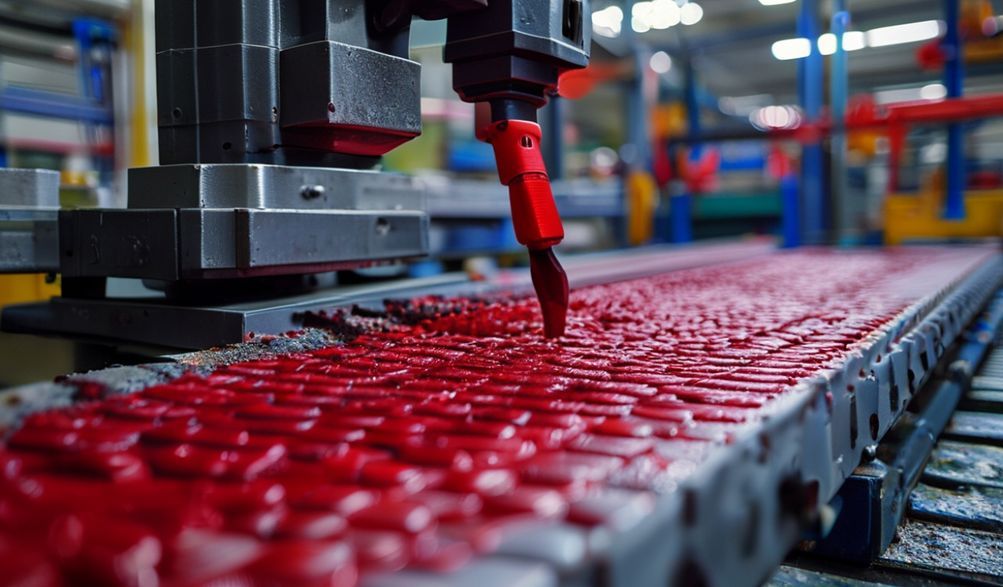
ਸੀਮੈਂਟ ਪੇਵਰ ਬਲਾਕ ਬਣਾਉਣ ਵਾਲੀਆਂ ਮਸ਼ੀਨਾਂ ਦੀ ਅੰਤਿਮ ਗਾਈਡ | ਫੁਡਾ ਫੈਕਟਰੀ ਤੋਂ ਸੂਝ
ਪਰਿਚਯ
ਨਿਰਮਾਣ ਅਤੇ ਸ਼ਹਿਰੀ ਵਿਕਾਸ ਦਾ ਵਿਸ਼ਵ ਪੱਧਰੀ ਲੈਂਡਸਕੇਪ ਹੁਣ ਵਧੇਰੇ ਟਿਕਾਊ, ਸੁੰਦਰਤਾ ਵਿੱਚ ਬਹੁਪੱਖੀ, ਅਤੇ ਲਾਗਤ-ਕੁਸ਼ਲ ਪੇਵਿੰਗ ਹੱਲਾਂ ਦੀ ਮੰਗ ਨਾਲ ਪਰਿਭਾਸ਼ਿਤ ਹੋ ਰਿਹਾ ਹੈ। ਜਨਤਕ ਚੌਕਾਂ ਅਤੇ ਸੜਕਾਂ ਤੋਂ ਲੈ ਕੇ ਨਿੱਜੀ ਡਰਾਈਵਵੇਅ ਅਤੇ ਬਾਗ਼ ਦੀਆਂ ਪਗਡੰਡੀਆਂ ਤੱਕ, ਸਾਦਾ ਪੇਵਰ ਬਲਾਕ ਇੱਕ ਮਹੱਤਵਪੂਰਨ ਬਿਲਡਿੰਗ ਘਟਕ ਵਿੱਚ ਵਿਕਸਿਤ ਹੋ ਗਿਆ ਹੈ। ਹਾਲਾਂਕਿ, ਮੈਨੁਅਲ ਮਜ਼ਦੂਰੀ ਜਾਂ ਪੁਰਾਣੇ ਉਪਕਰਣਾਂ ਨਾਲ ਇਸ ਮੰਗ ਨੂੰ ਪੂਰਾ ਕਰਨ ਵਿੱਚ ਮਹੱਤਵਪੂਰਨ ਚੁਣੌਤੀਆਂ ਪੇਸ਼ ਹੁੰਦੀਆਂ ਹਨ: ਅਸੰਗਤ ਗੁਣਵੱਤਾ, ਵੱਧ ਤਨਖਾਹ, ਧੀਮਾ ਉਤਪਾਦਨ ਦਰ, ਅਤੇ ਕਰਮਚਾਰੀਆਂ 'ਤੇ ਅਟੁੱਟ ਸਰੀਰਕ ਦਬਾਅ।
ਇਸ ਉਦਯੋਗ ਵਿੱਚ ਕ੍ਰਾਂਤੀ ਲਿਆਉਣ ਵਾਲਾ ਹੱਲ ਹੈ ਆਧੁਨਿਕ ਸੀਮਿੰਟ ਪੇਵਰ ਬਲਾਕ ਬਣਾਉਣ ਵਾਲੀ ਮਸ਼ੀਨ। ਇਹ ਤਕਨਾਲੋਜੀ ਕੱਚੇ ਕੰਕਰੀਟ ਮਿਸ਼ਰਣ ਨੂੰ ਸਹੀ, ਉੱਚ-ਸ਼ਕਤੀ, ਅਤੇ ਸੁੰਦਰ ਖਤਮ ਵਾਲੇ ਬਲਾਕਾਂ ਵਿੱਚ ਅਦਭੁਤ ਕੁਸ਼ਲਤਾ ਨਾਲ ਬਦਲਦੀ ਹੈ। ਪਰ ਮਾਰਕੀਟ ਵਿੱਚ ਵੱਖ-ਵੱਖ ਮਸ਼ੀਨਾਂ ਅਤੇ ਦਾਅਵਿਆਂ ਦੇ ਨਾਲ, ਤੁਸੀਂ ਮਾਰਕੀਟਿੰਗ ਦੇ ਹਾਈਪ ਤੋਂ ਵਿਹਾਰਕ, ਲਾਭਦਾਇਕ ਹਕੀਕਤ ਨੂੰ ਕਿਵੇਂ ਅਲੱਗ ਕਰਦੇ ਹੋ?
ਇਹ ਉਹ ਥਾਂ ਹੈ ਜਿੱਥੇ ਅਸਲੀ, ਹੱਥੀਂ ਕੰਮ ਦਾ ਤਜਰਬਾ ਬੇਮਿਸਾਲ ਹੋ ਜਾਂਦਾ ਹੈ। ਇਹ ਵਿਆਪਕ ਗਾਈਡ ਦਹਾਕਿਆਂ ਦੇ ਸਮੂਹਿਕ ਤਜਰਬੇ ਤੋਂ ਸੰਖੇਪ ਕੀਤੀ ਗਈ ਹੈ।ਅਨੁਭਵਅਤੇਮਾਹਰਤਾਫੂਡਾ ਬ੍ਰਿਕ ਮੇਕਿੰਗ ਫੈਕਟਰੀ ਦੇ ਇੰਜੀਨੀਅਰਾਂ, ਤਕਨੀਸ਼ੀਅਨਾਂ ਅਤੇ ਪ੍ਰੋਡਕਸ਼ਨ ਮੈਨੇਜਰਾਂ ਵਿੱਚੋਂ। ਇੱਕ ਸ਼ੁੱਧ ਉਪਕਰਣ ਵਿਕਰੇਤਾ ਤੋਂ ਵੱਖਰਾ, ਫੂਡਾ ਮਜ਼ਬੂਤ ਮਸ਼ੀਨਰੀ ਦੇ ਨਿਰਮਾਤਾ ਅਤੇ ਪੇਵਰ ਬਲਾਕਾਂ ਦੇ ਵੱਡੇ ਪੱਧਰ 'ਤੇ ਉਤਪਾਦਕ ਦੋਵਾਂ ਦੇ ਰੂਪ ਵਿੱਚ ਕੰਮ ਕਰਦਾ ਹੈ। ਇਹ ਦੋਹਰਾ ਦ੍ਰਿਸ਼ਟੀਕੋਣ ਇਸ ਗੱਲ ਦੀ ਇੱਕ ਵਿਲੱਖਣ, ਅਸਲੀ ਸਮਝ ਪ੍ਰਦਾਨ ਕਰਦਾ ਹੈ ਕਿ ਅਸਲੀ ਦੁਨੀਆ ਦੀਆਂ ਫੈਕਟਰੀ ਸਥਿਤੀਆਂ ਵਿੱਚ ਕਿਸੇ ਮਸ਼ੀਨ ਨੂੰ ਭਰੋਸੇਯੋਗ, ਕੁਸ਼ਲ ਅਤੇ ਲਾਭਦਾਇਕ ਕੀ ਬਣਾਉਂਦਾ ਹੈ।
ਇਸ ਗਾਈਡ ਵਿੱਚ, ਅਸੀਂ ਇਨ੍ਹਾਂ ਮਸ਼ੀਨਾਂ ਦੇ ਮਕੈਨਿਕਸ ਦੀ ਪੜਚੋਲ ਕਰਾਂਗੇ, ਵੱਖ-ਵੱਖ ਤਕਨਾਲੋਜੀਆਂ ਦੀ ਤੁਲਨਾ ਕਰਾਂਗੇ, ਮਹੱਤਵਪੂਰਨ ਵਿਸ਼ੇਸ਼ਤਾਵਾਂ ਦੀ ਰੂਪਰੇਖਾ ਦਿਆਂਗੇ, ਅਤੇ ਸਾਡੇ ਫੈਕਟਰੀ ਫਲੋਰ ਤੋਂ ਕਾਰਜਸ਼ੀਲ ਸਰਵੋਤਮ ਅਭਿਆਸਾਂ ਸਾਂਝੀਆਂ ਕਰਾਂਗੇ। ਸਾਡਾ ਟੀਚਾ ਤੁਹਾਨੂੰ ਇਸ ਗਿਆਨ ਨਾਲ ਲੈਸ ਕਰਨਾ ਹੈ ਤਾਂ ਜੋ ਤੁਸੀਂ ਆਪਣੇ ਕਾਰੋਬਾਰ ਜਾਂ ਪ੍ਰੋਜੈਕਟ ਲਈ ਇੱਕ ਵਿਸ਼ਵਾਸਯੋਗ, ਸੂਚਿਤ ਨਿਵੇਸ਼ ਕਰ ਸਕੋ।
ਸੀਮੈਂਟ ਪੇਵਰ ਬਲਾਕ ਬਣਾਉਣ ਵਾਲੀਆਂ ਮਸ਼ੀਨਾਂ ਬਾਰੇ ਸਮਝ
What is a Cement Paver Block Making Machine?
A cement paver block making machine is a specialized piece of industrial equipment designed to automate the production of concrete paving blocks. It systemically feeds a dry or semi-dry concrete mixture—comprising cement, aggregates (sand & stone chips), pigments, and minimal water—into molds. Through a combination of high-pressure compaction and intense vibration, the machine densifies this mix, ejecting a perfectly formed, interlocking or standard-shaped block ready for curing.
The core working principle follows a consistent cycle:
1. ਖੁਆਣਾ Raw material is delivered into the machine’s feed hopper.
2. ਸੰਘਣਨ: The mix is transferred to a mold cavity on a pallet. A hydraulic ram (and/or a vibration table) applies immense pressure and vibration, removing air voids and creating a dense block.
3. ਬਾਹਰ ਕੱਢਣਾ The freshly pressed block is lifted and transferred onto a conveyor or rack for movement to the curing area.
ਕੋਰ ਕੰਪੋਨੈਂਟਸ ਅਤੇ ਉਨ੍ਹਾਂ ਦੇ ਫੰਕਸ਼ਨ
The reliability and output quality of a machine hinge on the engineering of its key components:
- ਹੌਪਰ: The entry point for the raw concrete mix. It must have a consistent flow design to prevent material bridging or segregation.
- Mixer (Optional but common in integrated lines): A pan or twin-shaft mixer that ensures a homogeneous blend of all raw materials before compression, crucial for color and strength consistency.
- Molds/Dies: The heart of the machine’s versatility. These high-strength steel forms define the block’s shape, size, and surface texture (e.g., interlocking, hexagonal, cobblestone). Precision machining here is non-negotiable.
- Hydraulic System & Vibration Mechanism: The muscle of the operation. The hydraulic system provides the pressing force (measured in tons), while the vibration mechanism—often an eccentric shaft system—further compacts the mix. Their synchronization determines final block density.
- ਕੰਟਰੋਲ ਪੈਨਲ: The brain of automated machines. Typically a PLC (Programmable Logic Controller) with a user-friendly touchscreen interface, it allows operators to set parameters, monitor cycles, and diagnose issues.
- Conveyor System & Pallet Feeder: Automates the movement of empty pallets into the machine and carries finished blocks out to the stacking area, enabling continuous production.
Types of Paver Block Machines: Choosing the Right Technology
Based on FUDA’s experience in supplying equipment and running our own production lines, we categorize machines into three primary types, each serving distinct needs.
ਮੈਨੂਅਲ ਅਤੇ ਸੈਮੀ-ਆਟੋਮੈਟਿਕ ਮਸ਼ੀਨਾਂ
- ਸਭ ਤੋਂ ਵਧੀਆ: Entrepreneurs testing the market, very small-scale production, or specialized workshops producing custom, artistic blocks.
- ਆਪਰੇਸ਼ਨ These machines require significant operator involvement for feeding material and removing finished blocks. The compression may be manual (lever) or via a small hydraulic system.
- FUDA Perspective: While cost-effective for entry, they are limited by output (typically 200-800 blocks per hour) and labor intensity. They are a starting point but lack the scalability for serious commercial growth.
Fully Automatic Stationary Block Making Machines
- ਸਭ ਤੋਂ ਵਧੀਆ: Medium to large-scale commercial production—exactly the backbone of FUDA’s own factory operations.
- ਆਪਰੇਸ਼ਨ These are complete production systems. Once fed with raw material, they automate the entire cycle: pallet feeding, material filling, compression/vibration, block ejection, and product transfer. Output can range from 2,000 to over 10,000 blocks per 8-hour shift.
- FUDA Perspective: This is the technology for building a sustainable block manufacturing business. The high initial investment is offset by exceptional consistency, low per-unit labor cost, and the ability to reliably fulfill large contracts. Our primary lines utilize this technology.
ਮੋਬਾਇਲ ਬਲਾਕ ਮੇਕਿੰਗ ਮਸ਼ੀਨਾਂ
- ਸਭ ਤੋਂ ਵਧੀਆ: Large, remote infrastructure projects (e.g., road construction in rural areas) where transporting finished blocks over long distances is prohibitively expensive.
- ਆਪਰੇਸ਼ਨ Mounted on a trailer, these machines can be towed to the project site to produce blocks on-demand using locally sourced aggregates.
- FUDA Perspective: A niche but valuable solution. It eliminates transport costs for the final product, though it requires on-site setup of raw material supply and curing areas.
Key Features to Look for in a Quality Machine
Beyond the basic type, these features separate a high-return asset from a problematic expense.
Production Capacity (Blocks per Hour)
- Match the machine’s output to your realistic sales projections, not just optimistic dreams. A machine running at 80% of its capacity is more efficient and suffers less wear than one constantly pushed to 100%.
- Consider not just block count, but also block size. A machine rated for 3,000 60mm thick blocks per hour may produce only 1,500 80mm thick blocks in the same time.
Hydraulic Pressure & Vibration System
- This is the most critical technical determinant of block strength (measured in MPa or N/mm²). Higher compression force (e.g., 150+ tons) and optimized vibration frequency (e.g., 3000-4500 RPM) create denser blocks with superior compressive strength, abrasion resistance, and a flawless surface finish.
- Ask for the technical specifications and request sample blocks pressed at the machine’s standard operating pressure.
Mold Versatility and Changeover Ease
- Market demand changes. The ability to quickly switch between producing interlocking pavers, garden edgers, and grass grid blocks is a competitive advantage.
- Look for a machine with a quick mold-change system. High-quality machines allow for mold changes within 30-60 minutes, minimizing downtime.
Automation Level and Control System
- A well-programmed PLC system ensures cycle consistency, monitors hydraulic pressure and vibration time, and provides fault alarms. Touchscreen interfaces simplify operation and reduce training time.
- Advanced automation includes integrated material batching and automatic pallet return systems, further reducing manual intervention.
Build Quality and Durability
- Inspect the frame: it should be fabricated from heavy-duty steel plates and profiles, not lightweight sections. The vibration table must be robustly constructed to withstand constant, powerful forces.
- The quality of hydraulic components (pumps, valves, cylinders) is paramount. Reputable, brand-name components, while costing more upfront, result in far less downtime and maintenance cost over a decade of use.
The FUDA Factory Perspective: Operational Best Practices
Here, we share insights from our daily production, moving from theory to practical application.
Raw Material Selection for Optimal Blocks
The best machine cannot compensate for poor raw materials. Our factory protocol emphasizes:
* ਸੀਮਿੰਟ: We use a consistent, fresh 43 or 53-grade OPC (Ordinary Portland Cement) from reliable suppliers. Cement must be stored properly to prevent moisture absorption.
* Aggregates: A well-graded mix is key. We use a combination of finely graded sand (0-3mm) and hard stone chips (3-6mm or 6-9mm). Aggregates must be clean, devoid of clay or organic matter, and have a consistent moisture content.
* Pigments: High-quality, UV-stable iron oxide pigments are used for colored blocks. Dispersion is critical, which is why thorough mixing is vital.
* ਪਾਣੀ-ਸੀਮੈਂਟ ਅਨੁਪਾਤ For vibro-compaction, we aim for a very low water-cement ratio (typically 0.25-0.35). The mix should be just damp enough to hold its shape when squeezed in hand—a “semi-dry” mix.
The Production Process: From Raw Mix to Curing
Our optimized, in-factory workflow:
1. ਬੈਚਿੰਗ ਅਤੇ ਮਿਕਸਿੰਗ: Aggregates, cement, and pigment are precisely weighed and fed into a mixer for 3-5 minutes to achieve a uniform color and consistency.
2. ਫੀਡਿੰਗ ਅਤੇ ਕੰਪੈਕਸ਼ਨ: The mix is conveyed to the machine hopper. The automated cycle fills the mold, applies high-pressure vibration, and ejects the “green” block onto a pallet.
3. ਕਿਊਰਿੰਗ This is where blocks gain their strength. We employ a controlled steam curing chamber for 18-24 hours, which accelerates strength gain and allows for faster pallet turnaround. Alternatively, water spraying and plastic sheeting for 7-14 days is also effective.
4. Quality Checks: We perform regular tests for compressive strength (as per IS 15658 or ASTM C936), dimensional accuracy, and color consistency.
Maximizing Efficiency and Minimizing Waste
- Preventive Maintenance: We follow a strict schedule: daily greasing, weekly checks for loose bolts and hydraulic leaks, and monthly inspections of vibration motors and electrical components.
- Operator Training: An operator who understands the “why” behind the process is your first line of defense against poor quality and machine abuse.
- Optimizing Cycle Time: Fine-tuning the duration of feed, vibration, and pressurization phases can shave seconds off each cycle, leading to significant daily output gains without sacrificing quality.
Benefits of Investing in a Professional-Grade Machine
Unmatched Product Consistency and Quality
- Machine precision ensures every block is dimensionally identical and has uniform density. This translates to blocks that consistently meet or exceed international standards like ASTM C936 or IS 15658 for compressive strength (often achieving 50 MPa or higher), ensuring longevity and performance.
High Output and Scalability for Business Growth
- Automation allows you to scale production to match demand. What takes a manual operator a week to produce, an automatic machine can accomplish in a single day, enabling you to confidently bid on and fulfill large municipal or commercial contracts.
Significant Reduction in Labor Costs and Physical Strain
- One automated line operated by 2-3 workers can replace 15-20 manual laborers, drastically reducing wage bills, management complexity, and the risk of work-related injuries associated with heavy lifting.
Long-Term Cost Savings and ROI
- While the capital outlay is higher, the per-block production cost plummets due to labor savings, reduced waste, and higher efficiency. A well-chosen machine from a reputable supplier typically has a clear payback period of 1-3 years, after which it becomes a significant profit center.
How to Select the Perfect Machine for Your Needs
Assessing Your Project Volume and Business Goals
- Are you supplying a single project, or building a long-term manufacturing business? Your answer dictates the machine type and capacity you need.
Budget Considerations: Initial Investment vs. Lifetime Value
- Look beyond the sticker price. Calculate the Total Cost of Ownership (TCO), which includes energy consumption, expected maintenance costs, spare part availability, and the machine’s expected operational lifespan (a quality machine should last 15-20 years).
Space and Utility Requirements (Factory Setup)
- Ensure your facility has adequate space for the machine, raw material storage, block curing, and finished goods storage. Check power requirements (typically three-phase electrical supply) and floor strength.
The Importance of Supplier Support and After-Sales Service
- This cannot be overstated. Choose a manufacturer that provides comprehensive installation supervision, thorough operator training, detailed manuals, and—most critically—readily available spare parts and technical support. At FUDA, our dual role as users means we understand the urgency of minimizing downtime, which is reflected in our support structure.
FAQ Section
Q1: What is the average production capacity of a standard automatic paver block machine?
A: Capacities vary widely. A robust, medium-scale fully automatic machine, like those in FUDA’s standard range, typically produces between 3,000 to 5,000 standard 60mm thick blocks per 8-hour shift, depending on the specific model and block design.
Q2: How much power (electricity) does a fully automatic machine typically consume?
A: Consumption depends on the machine’s size and motor configuration. A standard model might have a total connected load of 30-50 kW. However, due to intermittent operation of motors, the actual running consumption is typically 60-70% of this figure. Our engineers can provide detailed power profiles for specific models.
Q3: Can one machine produce different types and sizes of paver blocks?
A: Absolutely. This is a key feature of a good machine. By changing the mold/die set, the same machine can produce interlocking pavers, hexagonal blocks, cobblestones, and landscape curbs. The process usually takes 30-90 minutes.
Q4: What is the typical lead time for setting up a new production line?
A: After machine delivery, a well-planned project with foundations prepared in advance can see the line installed, commissioned, and operators trained within 2-3 weeks. The lead time for machine manufacturing and shipping varies by supplier and location.
Q5: How does FUDA ensure the quality and durability of its own recommended machines?
A: Our recommendations are based on our own factory’s ruthless standards. We use premium-grade steel in fabrication, source hydraulic and electrical components from certified brands, and subject every machine to a rigorous 72-hour production test run before dispatch. We build machines we would rely on for our own production.
Q6: What are the most common maintenance tasks, and how often should they be performed?
A: Daily: Clean the machine and lubricate all guide rods and bearings. Weekly: Check and tighten all bolts and nuts; inspect hydraulic hoses for wear. Monthly: Check oil levels in hydraulic and vibration systems; inspect mold wear. Annually: Consider a full system check and oil change by a qualified technician.
Conclusion
Investing in a cement paver block making machine is not merely a purchase; it is a strategic decision that defines the quality, efficiency, and growth trajectory of your paving business or project. The right machine transforms raw materials into a premium, standardized product while driving down operational costs and physical demands.
We hope this guide, grounded in the practical, daily ਅਨੁਭਵ of the FUDA Brick Making Factory, has provided you with a clear framework for evaluation. The journey from manual to mechanized production is a transformative one, and it is best navigated with insights from those who have successfully traveled the path.
Your Next Step: We encourage you to use this guide as a checklist as you research suppliers and technologies. For a more detailed discussion tailored to your specific production goals, budget, and site conditions, we invite you to reach out to our team. Leverage our unique dual perspective as equipment experts and high-volume block producers. Contact us today for a consultation or to request videos of our machines in operation at the FUDA factory.
<