
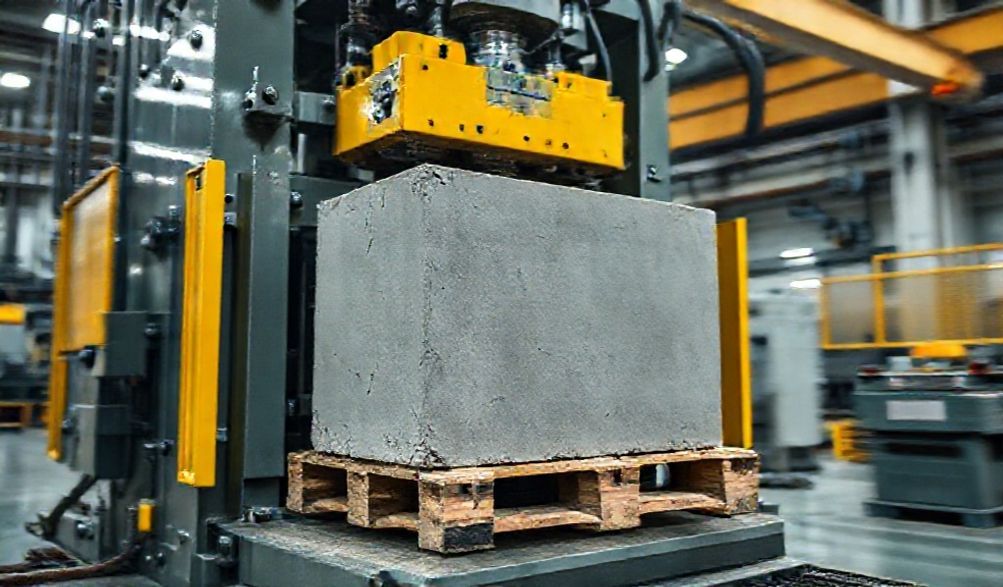
الدليل الشامل لآلات الكتل الهيدروليكية: الكفاءة، الأنواع ونصائح الشراء
مقدمة
من المتوقع أن يتجاوز سوق الكتل الإنشائية العالمية450 مليار دولار بحلول عام 2030مدفوعةً بالتحضر المتواصل وتطوير البنية التحتية. ومع ذلك، في صميم هذا النمو يكمن تحدي حاسم: كيف يمكن للمصنعين تلبية الطلب المتصاعد دون المساس بالجودة أو التكلفة أو السرعة؟
لعقود، ارتبط صنع الكتل التقليدي بعمل شاق منهك، وإنتاج غير متسق، وأعطال محبطة. غالباً ما أدت الطرق اليدوية وحتى آلات الاهتزاز الميكانيكية المبكرة إلى كثافة متغيرة، ونهاية سطحية رديئة، وقدرة إنتاجية محدودة. في المشهد التنافسي الحالي، تمثل هذه الاختلالات تهديداً مباشراً للربحية والقابلية للتوسع.
أدخلآلة الكتلة الهيدروليكيةالحل العصري، القوي، والمصمم بدقة الذي أحدث ثورة في صناعة مواد البناء. هذا ليس مجرد قطعة أخرى من المعدات؛ إنه جوهر مصنع مربح وعالي الإنتاجية لصنع كتل خرسانية فائقة الجودة، وبلاطات، وأحجار أرصفة، وطوب متشابك.
هذا الدليل الشامل مُعد من عقود من الخبرة الجماعية في الصناعة، والمبادئ الهندسية، والمعرفة التشغيلية العملية. هدفنا بسيط: أن نقدم لك مصدرًا شاملًا وغير منحاز يمكّنك من اتخاذ استثمار واعٍ تمامًا. بنهاية هذا المقال، سوف تفهم:
- الميكانيكا الأساسية ومزايا الضغط الهيدروليكي.
- الفوائد الملموسة لجودة منتجك والنتيجة النهائية.
- الأنواع المختلفة من الآلات وكيفية اختيار المناسبة لاحتياجاتك.
- قائمة تفصيلية بالعوامل الحاسمة لاختيار الآلة والمورد.
- أفضل الممارسات الأساسية للتشغيل والصيانة والسلامة.
دعونا نبني أساسًا من المعرفة.
ما هي آلة الكتل الهيدروليكية وكيف تعمل؟
التعريف الأساسي
آلة الكتل الهيدروليكية هي جهاز ميكانيكي مصمم لتصنيع الكتل الخرسانية باستخدام نظام هيدروليكي عالي الضغط لضغط خليط خرساني مُحضر في قوالب فولاذية دقيقة. على عكس الطرق التي تعتمد فقط على الاهتزاز، يطبق النظام الهيدروليكي قوة هائلة ومتحكم فيها، مما ينتج عنه منتج مدمج بكثافة ومتفوق هيكلياً.
الميزة الهيدروليكية
لفهم الابتكار، من المفيد مقارنته بالأنظمة القديمة. تعتمد الآلات الاهتزازية التقليدية على الاهتزاز عالي التردد لضبط الخلطة. ورغم فعاليتها، يمكن أن تؤدي إلى كثافة غير متساقطة، مسامية أعلى، وتشغيل أكثر ضوضاء. الميزة الهيدروليكية تتمثل فيقوة مسيطر عليها:
- الضغط الفائق:الضغط الهيدروليكي (المقاس بوحدة البار أو PSI) يضغط الخليط قسراً، مما يدفع بفراغات الهواء للخارج ويخلق بنية أكثر كثافة.
- قوة محسنةهذه الكثافة تترجم مباشرة إلى قوة ضغط أعلى، وغالبًا ما تتجاوز متطلبات كود البناء بسهولة.
- إنهاء ممتاز ودقة عالية The process yields blocks with sharp edges, smooth surfaces, and consistent dimensional tolerances, crucial for modern construction.
Step-by-Step Operational Cycle
The process is a marvel of efficient, repeatable engineering. Here’s a breakdown of a standard cycle:
- التغذية: The raw concrete mix (a blend of cement, aggregates, and water) is loaded into the machine’s feed hopper, either manually or via an automated conveyor system.
- القياس والتشكيل: A precisely measured amount of mix is distributed into the mold cavity. The mold itself defines the shape—be it a hollow block, solid paver, or specialty shape.
- الضغط: This is the critical phase. A hydraulic ram descends with immense, programmable pressure, compacting the mix into the mold. This can be combined with vibration for certain products, but the primary force is hydraulic.
- طرد: The hydraulic system then reverses, lifting the ram. Simultaneously, a ejection plate pushes the freshly formed, now solid, block up and out of the mold onto a waiting pallet or conveyor belt.
- التداوي The block is then transferred (manually or via pallet conveyor) to a curing area. It’s vital to note that curing happens off the machine. The blocks must be kept moist and at a stable temperature for days to reach their full strength.
Key Benefits of Using a Hydraulic Block Machine
Investing in a hydraulic block machine is an investment in the core competitiveness of your business. The benefits cascade from the production floor to your financial statements.
Unmatched Product Quality & Strength
This is the most significant advantage. The high-pressure compaction produces blocks with:
* High Density & Low Porosity: This means better durability, frost resistance, and lower water absorption.
* Exceptional Compressive Strength: Consistently achieving 7 MPa, 10 MPa, or higher, ensuring reliability in structural applications.
* التناسق البعدي: Uniform size and shape streamline the bricklaying process, reducing mortar use and labor time on construction sites.
High Production Efficiency & Output
Automation is key to scalability.
* دورات زمنية سريعة Modern machines can produce a block in as little as 10-20 seconds.
* Multi-Shift Potential: Unlike manual labor, these machines can operate 16-24 hours a day with proper maintenance.
* تحسين العمالة: One semi-automatic machine can replace a large team of manual laborers, freeing skilled workers for supervision and quality control.
Remarkable Versatility in Product Range
Diversify your product line without diversifying your machinery.
* Quick Mold Changes: Interchangeable molds allow you to switch from producing hollow blocks to paving stones, garden kerbs, or interlocking bricks in a relatively short time.
* التخصيص: With the right mold, you can produce blocks in different sizes, textures, and even incorporate color pigments directly into the mix.
Reduced Operational Costs & Waste
Efficiency translates directly to savings.
* تكاليف العمالة المنخفضة Automated processes reduce dependency on large crews.
* الكفاءة المادية: Precise metering and high compaction minimize spillage and material waste.
* Reduced Maintenance: Hydraulic systems, when maintained properly, often have longer service intervals and greater reliability than complex mechanical gearboxes.
Improved Working Environment
A better workplace is a more productive one.
* Lower Noise Pollution: Hydraulic presses are significantly quieter than constant, high-decibel vibratory systems.
* تخفيف الإجهاد البدني: Automation handles the heaviest tasks, decreasing worker fatigue and the risk of repetitive strain injuries.
Types of Hydraulic Block Machines
Navigating the market requires understanding the categories. Your choice depends entirely on your target production scale, budget, and level of desired automation.
By Operation Mode
- أوتوماتيكي بالكامل: The pinnacle of efficiency. These computer-controlled systems integrate automatic pallet feeders, block conveyors, and stackers. They require minimal human intervention and are designed for large-scale plants with high-volume, consistent output demands.
- شبه آلي The sweet spot for many growing businesses. The core pressing cycle is automated, but an operator is needed to load raw materials and/or remove finished blocks. They offer an excellent balance between output, cost, and flexibility.
- Manual (Egg-Laying Type): These are simple, often mobile machines. The operator controls the entire process—filling, compacting, and moving the machine to “lay” the block on the curing floor. Ideal for small-scale projects, start-ups, or on-site production where investment capital is low.
By Production Capacity
- صغيرة النطاق: Typically producing between 1,000 to 4,000 standard blocks per 8-hour shift. Usually semi-automatic or manual machines.
- متوسط النطاق: Output ranges from 5,000 to 10,000+ blocks per shift. This category includes robust semi-automatic and entry-level fully automatic lines.
- Large-scale Stationary Plants: High-output systems producing 15,000 to 30,000+ blocks per shift. These are always fully automatic, custom-engineered production lines.
By Block Output Type
- الآلات الثابتة: The most common type. The machine remains fixed. Blocks are ejected onto pallets and then transported via forklift or conveyor to a separate curing area (rack or chamber).
- آلات "وضع البيض" المتنقلة: The machine moves on wheels along a prepared concrete strip. It compacts and ejects the block directly onto the curing floor, then moves forward to produce the next one. Curing happens in place, which saves on pallet costs but requires more floor space.
Critical Factors to Consider Before Buying
This is where due diligence separates a wise investment from a costly mistake. Look beyond the brochure.
Assessing Your Business Needs
Start with a clear internal audit:
* Target Volume: What is your daily/weekly production requirement now, and in 5 years?
* مزيج المنتجات: What specific block types (size, shape, strength) will you sell most?
* المساحة المتاحة: Do you have space for just the machine, or also for curing racks, raw material storage, and finished goods?
* الميزانية: Be realistic. Include not just the machine cost, but also shipping, installation, foundation, initial spare parts, and training.
الغوص العميق في مواصفات الآلة
These technical details dictate performance and longevity.
- Hydraulic System Pressure: This is the engine’s horsepower. Higher pressure (e.g., 180 Bar vs. 120 Bar) generally enables denser blocks and the ability to use leaner mix designs. Ask for the working pressure.
- Mold Capacity & Customization: How many blocks per cycle (e.g., 4, 6, 10)? What standard molds are included? What is the cost and lead time for custom molds?
- متطلبات الطاقة: Are you set up for a high-voltage 3-phase electrical connection, or do you need a diesel-powered option for remote sites?
- مستوى الأتمتة ونظام التحكم Is it a simple relay system or a Programmable Logic Controller (PLC)? PLCs offer better diagnostics and consistency.
- جودة التصنيع والمكونات: Inspect the structural steel (thickness, welding). Ask for brands of critical parts like the hydraulic pump (e.g., Rexroth, Kawasaki), valves, and seals. Renowned components mean reliability.
Supplier Evaluation Checklist
The machine is only as good as the company behind it.
- Manufacturer Reputation & History: How long have they been building these machines? Do they specialize in block machinery?
- Technical Support & After-Sales Service: This is critical. Do they provide installation supervision? Is there a 24/7 support hotline? How quickly can they ship spare parts?
- Warranty Terms: Read the fine print. What is covered (parts, labor)? For how long? What are the warranty obligations on your part (e.g., using specified oil)?
- Client References & Portfolio: Ask for contact information for 2-3 clients in a similar business or region. A credible supplier will provide this. Look for video case studies.
Operation, Maintenance & Safety Best Practices
Owning the machine is step one. Operating it correctly ensures it remains a profit center for years.
Foundation & Installation
Never underestimate this. A weak or uneven foundation will cause misalignment, excessive wear, and poor block quality. Pour a level, reinforced concrete foundation exactly to the supplier’s specifications.
Daily Operational Procedures
Develop and post clear Standard Operating Procedures (SOPs):
* Startup: Check oil levels, inspect for leaks, ensure guards are in place, run a test cycle empty.
* العملية: Monitor pressure gauges, listen for unusual sounds, ensure the mix consistency is uniform.
* Shutdown: Clean the mold, hopper, and feed system thoroughly. Park the machine in a safe position.
Essential Preventive Maintenance Schedule
Proactive care prevents 95% of major breakdowns.
- Daily: Clean all components, check for hydraulic leaks, inspect hoses and fittings.
- Weekly: Tighten any loose bolts/nuts, check electrical connections, clean sensors.
- Monthly: Check hydraulic oil level and condition, clean or replace air filters, lubricate all moving points as per the manual.
- Annually: Consider changing the hydraulic oil and filters completely. Have a technician perform a comprehensive system check.
Common Troubleshooting Tips
- Block Sticking in Mold: Likely caused by a worn/damaged mold, insufficient mold release agent, or an overly wet mix.
- Low Compaction Pressure: Check hydraulic oil level and condition, look for pump issues or pressure relief valve settings.
- Uneven Block Height: Often due to an uneven feed of concrete into the mold cavity or a worn mold.
Non-Negotiable Safety Protocols
- Lockout/Tagout (LOTO): This procedure MUST be followed before any cleaning, adjustment, or maintenance. It isolates all energy sources.
- معدات الحماية الشخصية (PPE): Safety glasses, steel-toe boots, and hearing protection are mandatory.
- Machine Guarding: Never operate with safety guards removed or interlocks bypassed.
- التعامل مع المواد: Train staff on safe lifting techniques for molds and finished blocks.
الأسئلة الشائعة (FAQ)
What is the average cost of a hydraulic block machine?
Prices vary dramatically based on type and automation. Small manual “egg-layer” machines can start from $15,000 – $30,000. Robust semi-automatic machines typically range from $45,000 – $100,000. Large, fully automatic production lines can cost $150,000 to $500,000+. Always get detailed, formal quotes that include shipping, duties, and installation costs.
What is the difference between hydraulic and vibratory block machines?
The core difference is the compaction method.
| Feature | Hydraulic Block Machine | Vibratory Block Machine |
| :— | :— | :— |
| Compaction Force | High-pressure hydraulic ram. | High-frequency vibration. |
| Block Density | Very high, low porosity. | Lower, more porous. |
| Product Strength | Superior compressive strength. | Adequate for non-load-bearing uses. |
| Surface Finish | Excellent, smooth, and precise. | Can be rougher. |
| Noise Level | Relatively lower. | Typically much higher. |
| الأفضل لـ | High-quality, structural blocks, pavers. | Lighter products, some landscaping items. |
Can I produce different shapes and sizes with one machine?
Yes, absolutely. This is a key benefit. By changing the mold box and the specific mold inserts, you can produce a vast array of products. However, factor in the cost (several hundred to a few thousand dollars per mold)وlead time (4-8 weeks for custom molds) from your supplier.
What raw materials (mix design) are needed?
A standard mix includes:
* أسمنت: The binder (OPC or PPC).
* الركام: A well-graded blend of fine (sand) and coarse (6mm or 10mm gravel/crushed stone).
* ماء: Clean, potable water for hydration.
The exact ratio (e.g., 1:6:4 – Cement:Sand:Aggregate) depends on your target block strength. Mix consistency is paramount—a uniform mix ensures consistent block quality. Admixtures like fly ash can be used to reduce cost or enhance certain properties.
How do I ensure the blocks cure properly for maximum strength?
Curing is the process of maintaining adequate moisture and temperature for cement hydration. For optimal strength:
* Keep freshly produced blocks covered with plastic sheeting or in a curing chamber for at least 7 days.
* Maintain a moist environment—misting or steam curing is ideal.
* Avoid rapid drying from sun or wind. Properly cured blocks gain strength gradually over 28 days.
Is operator training difficult?
Not at all for basic operation. A reputable supplier will provide comprehensive training during installation, covering operation, routine maintenance, and safety. An operator can learn to run a semi-automatic machine proficiently in a few days. Mastering troubleshooting and optimization comes with experience and ongoing support.
خاتمة
Choosing a hydraulic block machine is one of the most significant decisions for your construction materials business. It’s an investment that directly dictates your product quality, production capacity, and long-term profitability. As we’ve explored, these machines offer unparalleled advantages in strength, efficiency, and versatility over traditional methods.
Our final recommendation is this: Let your specific business needs drive the decision, not just the upfront price. Conduct thorough due diligence on both the machine specifications and the supplier’s reputation for support and service. The most expensive machine is the one that sits idle waiting for a spare part or technical assistance.
The industry continues to evolve, with trends pointing towards even greater energy efficiency, IoT connectivity for predictive maintenance, and smarter automation. By making an informed choice today, you future-proof your operation.
Ready to transform your block production capability?
* Download our comprehensive hydraulic block machine buyer’s checklist to ensure you’ve covered every critical question.
* Contact our technical team for a free, no-obligation consultation tailored to your project’s volume, product mix, and budget.
* Explore our video library to see our range of hydraulic machines in action at client sites worldwide.