
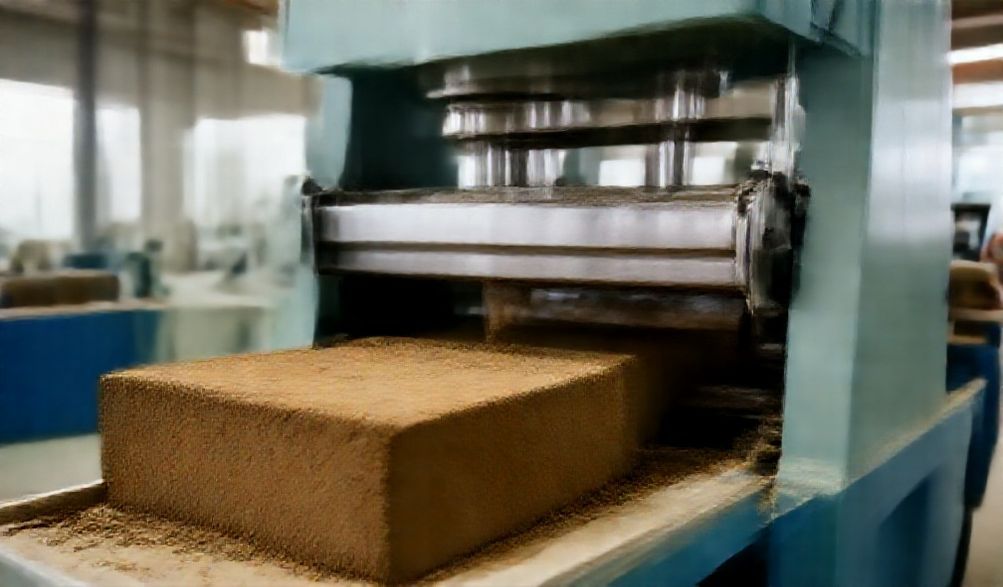
الدليل الشامل لشراء آلات صنع الطوب الطيني من الصين
مقدمة
في عصر تحدد فيه الدفع العالمي نحو الاستدامة والكفاءة التكلفية، تشهد مواد البناء التقليدية نهضة قوية. تقف الطوب الطيني - المعروف غالبًا باسم الكتل الأرضية المضغوطة (CEBs) - في طليعة هذه الحركة. فهو يوفر كتلة حرارية ملحوظة، وطاقة مدمجة منخفضة، وتوفيرًا كبيرًا في التكاليف. ومع ذلك، فإن نجاح أي مشروع بناء قائم على الأرض يعتمد على عامل حاسم واحد: موثوقية وجودة آلات صنع الطوب نفسها.
بالنسبة للبنائين والمقاولين ورواد الأعمال الاجتماعيين حول العالم، غالباً ما تقودهم رحلة البحث عن هذه الآلات إلى سوق واحد مهيمن: الصين. التحدي؟ يتمثل في اجتياز مشهد واسع وأحياناً غير واضح للمصنعين. السوق مشبع بالخيارات، حيث يمكن أن تشير فروق الأسعار الكبيرة إلى اختلافات في الجودة والمتانة والدعم. عملية تحديد مورد جدير بالثقةمصنع آلات صناعة الطوب الطيني في الصينمليء بتساؤلات حول الشرعية والقدرة التقنية والعقبات اللوجستية.
هذا الدليل هو خارطة طريقك الشاملة. مستفيدين من سنوات من المراقبة الصناعية والتواصل المباشر مع المصنعين، نقطع خلال الضجيج. هدفنا هو تزويدك بخبرة شفافة وقابلة للتطبيق - من النوع الذي تحصل عليه من خبير متمرس داخل الصناعة. سنزودك بالمعرفة ليس فقط لإيجاد مصنع، بل للشراكة مع من يضمن نجاح مشروعك، من أرضية المصنع إلى موقع عملك.
فهم آلات صناعة الطوب الطيني: الأنواع والتكنولوجيا
قبل تقييم المصانع، يجب أن تفهم المنتج. معرفة أنواع الآلات وتقنيتها الأساسية تمكنك من طرح الأسئلة الصحيحة ومطابقة المعدات مع احتياجات مشروعك المحددة.
كيف تختلف الآلات اليدوية وشبه الآلية والآلية بالكامل
مستوى الأتمتة هو المميز الأساسي، مما يؤثر مباشرة على الإنتاج والعمالة والاستثمار.
- الآلات اليدوية:هذه مكابس تعمل بالرافعة أو مكابس ميكانيكية بسيطة. فهي عالية التكلفة، محمولة، ولا تحتاج إلى كهرباء، مما يجعلها مثالية للمشاريع الصغيرة التي تقودها المجتمعات أو المواقع النائية. ومع ذلك، فإن إنتاجها منخفض (عادة 100-500 طوبة في اليوم)، وتتطلب عمالة مكثفة.
- الآلات شبه الآلية:تمثل هذه الفئة النقطة المثالية للعديد من المؤسسات الصغيرة والمتوسطة. فهي غالباً ما تتضمن محركاً كهربائياً لتشغيل نظام الضغط (هيدروليكي أو ميكانيكي)، لكنها تتطلب التغذية اليدوية للمواد الخام وإزالة البلوكات النهائية. وتوفر توازناً قوياً، حيث تنتج من 800 إلى 3000 بلوكة يومياً باستثمار يمكن إدارته واحتياجات عمالة معتدلة.
- آلات أوتوماتيكية بالكامل:هذه أنظمة خط إنتاج. فهي تدمج التغذية الآلية للمواد، والضغط، وطرد البلوكات، وأحيانًا التكويم. مصممة للإنتاج التجاري واسع النطاق، يمكنها إنتاج 5,000 إلى 20,000+ بلوكة يوميًا بأقل تدخل يدوي. الاستثمار كبير، لكن تكلفة الوحدة وكفاءة العمالة لا مثيل لها في المشاريع عالية الحجم.
المكونات الرئيسية للآلة وتأثيرها على جودة الطوب
الآلة لا تكون أفضل من أضعف جزء فيها. إليك ما يجب فحصه بدقة:
- قالب/قالب الصب:هذا يُحدِّد شكل الطوبة وحجمها ونهاية سطحها. تضمن قوالب الفولاذ عالية الجودة والمقسّاة اتساق الأبعاد وطول العمر. تتطلب تصاميم الكتل المتشابكة هندسة دقيقة هنا.
- نظام الضغطهذا هو قلب الآلة.
- الأنظمة الهيدروليكية:تقدم ضغطًا فائقًا وقابلًا للتحكم، مما يؤدي إلى إنتاج طوب أكثر كثافة وقوة. وهي عمومًا أكثر متانة وأفضل في التعامل مع التراكيب التربة المتنوعة.
- الأنظمة الميكانيكية:استخدم آلية من عجلة القصور الذاتي والرافعة. يمكن أن تكون قوية وأبسط في الصيانة ولكنها قد توفر تحكمًا أقل اتساقًا في الضغط.
- الإطار والهيكليجب أن يكون الهيكل مصنوعًا من صفائح وبروفيلات فولاذية ثقيلة لتحمل الاهتزاز المستمر عالي الضغط دون تشوه. يؤدي الهيكل الضعيف إلى اختلال المحاذاة وفشل سريع للماكينة.
- وحدة الخلط (إذا كانت مدمجة):بالنسبة للأنظمة الآلية، فإن الخلاط المتسق والشامل أمر بالغ الأهمية لإنشاء مزيج متجانس من التربة، والمثبت (مثل الأسمنت أو الجير)، والرطوبة.
من الأرض الخام إلى البلوك النهائي: شرح عملية الإنتاج
فهم العملية يساعدك على تقييم المنطق التصميمي للآلة. المراحل الأساسية هي:
- تحضير التربة:يتم غربلة التربة الخام لإزالة الحجارة والمواد العضوية، ثم تُخلط مع نسبة دقيقة من المثبت (غالباً 5-10% أسمنت) والماء لتحقيق المحتوى الرطوبي الأمثل.
- ضغط:يتم تغذية الخليط المحضر إلى غرفة الآلة وتعريضه لضغط عالٍ (يُقاس غالبًا بالأطنان). هذا الضغط يربط الجسيمات، مكونًا كتلة كثيفة ومتماسكة.
- الطرد والمعالجة:يتم إخراج البلوكة الطازجة بعناية على منصة نقالة. على عكس الطوب المحروق، تكتسب الكتل الترابية المضغوطة قوتها من خلالعلاجفترة تتراوح بين 14 إلى 28 يومًا يتم خلالها الحفاظ على رطوبتها وحمايتها من أشعة الشمس المباشرة والمطر، مما يسمح للمثبت بالترطيب الكامل.
- فحوصات الجودة:تشمل الاختبارات الميدانية البسيطة اختبارات السقوط (يجب ألا ينكسر البلوك المعالج عند سقوطه من ارتفاع الخصر) واختبارات امتصاص الماء.
لماذا تعتبر الصين مركزًا عالميًا لتصنيع آلات الطوب الطيني
الصين البارزة في هذا القطاع ليست صدفة. إنها نتيجة عقود من التطور الصناعي الذي خلق نظامًا بيئيًا فريدًا وقويًا لتصنيع الآلات الثقيلة.
المقياس، سلسلة التوريد، ومزايا التكلفة
تستند قوة التصنيع في الصين إلى تجمعات صناعية مركزة. تستضيف مناطق مثل شاندونغ وخنان وجيانغسو شبكات كثيفة من مصانع السباكة وموردي الصلب وصناع المكونات الهيدروليكية ومصانع التجميع. يقلل سلسلة التوريد المتكاملة هذه من تكاليف المواد وأوقات التسليم بشكل كبير. يشجع النطاق الهائل للإنتاج على منافسة شديدة، والتي تتطلب مع ذلك تخطيطاً دقيقاً، لكنها تقود في النهاية إلى خلق القيمة والابتكار، مما يتيح لك الوصول إلى تكنولوجيا متطورة بتكلفة أقل بكثير مقارنة بالعديد من البلدان الأخرى.
Technological Adoption and Manufacturing Expertise
The stereotype of Chinese manufacturing as purely low-cost is outdated. Leading factories have heavily invested in:
* CNC Machining Centers for precision-part manufacturing.
* Robotic Welding for consistent, high-strength welds on machine frames.
* Advanced Hydraulic Systems from reputable international or domestic brands.
مكرسR&D Teams focused on improving compression ratios, energy efficiency, and automation software. This expertise translates into machines that are more durable, efficient, and user-friendly.
Experience in Exporting to Diverse Markets
Chinese factories in this space are seasoned exporters. They have extensive experience navigating:
* International Standards: Adapting machines to meet CE, ISO, or other regional certification requirements.
* Global Logistics: Managing container loading, export documentation (commercial invoice, packing list, certificate of origin), and shipping to ports worldwide.
* Technical Variations: Providing machines configured for different voltage standards (110V/220V/380V, 50Hz/60Hz) and offering documentation in multiple languages.
How to Identify a Reputable Chinese Mud Brick Machine Factory
This is the critical phase where due diligence separates a successful partnership from a costly mistake. Here is your step-by-step vetting process.
Verifying Factory Credentials and Business Legitimacy
Start with the basics. Do not skip this step.
* Official Business License: Request a copy. You can verify it using third-party services or through platforms like Alibaba’s “Supplier Assessment” reports.
* سنوات التشغيل: While new companies can be innovative, a factory with 8-10+ years of history has likely survived market cycles and improved its product based on real-world feedback.
* Third-Party Audits: Look for evidence of factory audits by recognized firms like SGS, Bureau Veritas, or TÜV. These reports assess production capability, quality control systems, and working conditions.
* Patents and Certifications: Patents on machine design indicate R&D investment. ISO 9001 certification for quality management is a strong positive signal.
Assessing Technical Expertise and Production Capability
Move beyond sales talk to evaluate real engineering competence.
* Request Detailed Specifications: Ask for a comprehensive spec sheet covering pressure (tonnage), motor power, production speed, block dimensions, and weight. Vague answers are a red flag.
* Ask for Engineering Input: Present your specific soil test results or desired brick specifications. A reputable factory’s engineers should be able to advise on optimal stabilizer ratios and machine settings.
* Demand a Live Video Tour: This is non-negotiable. Politely insist on a live video call (via WhatsApp or Zoom) where they walk you through the actual factory floor—the welding stations, assembly lines, quality control areas, and testing zones. A pre-recorded promotional video proves nothing.
Analyzing Customer Reviews and International Project Portfolios
Past performance is the best predictor of future behavior.
* Scrutinize Reviews: On B2B platforms, look for detailed reviews with pictures or videos from buyers. Be wary of generic, repetitive praise.
* Ask for Contactable References: Request the contact information for 2-3 past international clients in a region similar to yours (e.g., Africa, South America, Southeast Asia). A confident supplier will provide this.
* Review Project Portfolios: Ask for case studies or photos/videos of their machines in operation on real construction sites abroad. This proves the machines can perform outside the factory.
Critical Questions to Ask Before Placing Your Order
Arm yourself with this checklist. The answers will reveal the supplier’s professionalism and the machine’s true quality.
Technical and Support Questions
- What is the exact grade and thickness of the steel used in the main frame and compression chamber?
- What brand and model are the key components (hydraulic pump, valves, electric motor, PLC controller)?
- What is the warranty period? What components and labor does it cover, and what is excluded?
- Do you provide detailed installation manuals, electrical schematics, and troubleshooting guides in English?
- Is remote video support available after installation? Do you offer optional on-site technician dispatch?
Logistics and Commercial Terms
- Is the quoted price FOB, CIF, or EXW? (Know the difference: FOB means you own goods once loaded on the ship; CIF includes cost, insurance, and freight to your port; EXW means you arrange all transport from their factory door).
- What is the detailed breakdown of costs (machine, spare parts, packaging, domestic freight to port)?
- ما هو الproduction lead time and estimated shipping duration to my nearest port?
- Can you provide a proforma invoiceوpacking list for customs clearance?
- ما هو الspare parts recommendation for the first two years of operation, and what are their costs?
Quality Assurance Protocols
- Can you conduct a pre-shipment inspection with a third-party agency? Will you share the report?
- What in-process quality checks are performed during assembly (e.g., weld inspection, pressure testing, trial run)?
- Will you perform a full test run of my machine before disassembly for shipping and provide a video as proof?
- How are the machines packaged to prevent rust and damage during ocean freight?
Navigating Logistics, Payment, and After-Sales Service
Successfully closing the deal requires careful management of money, movement, and long-term support.
Secure Payment Methods and Trade Assurance
- Use Secure Platforms: Whenever possible, use Alibaba Trade Assurance or similar escrow services. These platforms hold your payment until you confirm satisfactory receipt of the goods.
- Milestone Payments: Never pay 100% upfront. A standard and secure term is 30% deposit to start production and 70% balance paid after receiving photos/videos of the completed machine and before shipment.
- Bank Transfer (TT): If using direct wire transfer, always verify the bank account details directly with the company via a confirmed channel and ensure the recipient name matches the business license.
Understanding Shipping, Customs, and Import Duties
- Freight Forwarder: Engage a freight forwarder in your country early. They can provide door-to-door quotes, handle customs brokerage, and advise on import regulations.
- Shipping Incoterms: Understand your responsibilities. If you choose FOB, your forwarder will handle everything from the Chinese port onward.
- Import Duties: Consult your local customs authority to determine the HS Code and applicable tariff rate for brick-making machinery. This is a cost you must factor in.
Ensuring Reliable After-Sales Support and Spare Parts
- Get It in Writing: The after-sales service terms should be detailed in your Proforma Invoice or Sales Contract.
- Define Support Channels: Specify response times for email/WhatsApp support (e.g., “within 24 hours”).
- توفر قطع الغيار Secure a written guarantee that spare parts will be available for a minimum of 10 years. Purchase a recommended “starter kit” of common wear parts (seals, gaskets, spare molds) with your initial order.
الأسئلة الشائعة (FAQ)
Q1: What is the average price range for a mud brick making machine from China?
أ: Prices vary immensely based on capability. Small manual presses can start around $1,000 – $3,000. Semi-automatic machines suitable for SME production typically range from $8,000 – $25,000. Large, fully automatic production lines can cost $40,000 to $100,000+. Always request a detailed quotation based on your specific requirements.
Q2: Can Chinese factories customize machines for specific soil types or brick designs?
أ: Absolutely. Reputable factories excel at customization. You can discuss:
* Custom mold sizes and interlocking patterns.
* Adjustments to compression force for different soil densities.
* Integration of specific feeders or mixers.
* Advice on optimal stabilizer types and ratios based on your soil analysis.
Q3: How do I handle machine maintenance and repairs in my country?
أ: A good supplier will empower you for self-sufficiency. They should provide:
* Comprehensive, illustrated maintenance manuals.
* Video tutorials for common servicing tasks.
* Clear electrical and hydraulic diagrams.
* Remote guidance via video call for troubleshooting.
* A system to easily order and ship spare parts as needed.
Q4: Are there any hidden costs when importing machinery from China?
أ: The main “hidden” costs are often in the logistics chain. Beyond the machine price, budget for:
* Shipping Insurance (highly recommended).
* Import Duties and Taxes (varies by your country).
* Port Handling and Terminal Fees.
* Inland Transportation from your port to your site.
* Potential Costs for a voltage transformer or local electrical work to connect the machine.
خاتمة
Sourcing a high-quality mud brick making machine from a مصنع آلات صناعة الطوب الطيني في الصين represents one of the most strategic decisions for your sustainable building venture. It offers an unparalleled combination of advanced technology, robust manufacturing, and compelling value. The journey, however, demands diligence.
The core of your success lies in the non-negotiable steps outlined here: rigorous factory verification through live video audits, crystal-clear technical communication, secure and milestone-based payment terms, and a watertight agreement on after-sales support. Remember, you are not just buying a piece of equipment; you are entering a technical partnership. The right factory will act as a long-term ally, invested in the success of your project and the performance of their machine on your soil.
Use this guide as your checklist. Approach your search with a critical eye and an open dialogue. The ideal partner is one that demonstrates transparency, welcomes your detailed questions, and proves its credibility at every turn. Your journey toward sustainable, cost-effective construction starts with finding them.
<