
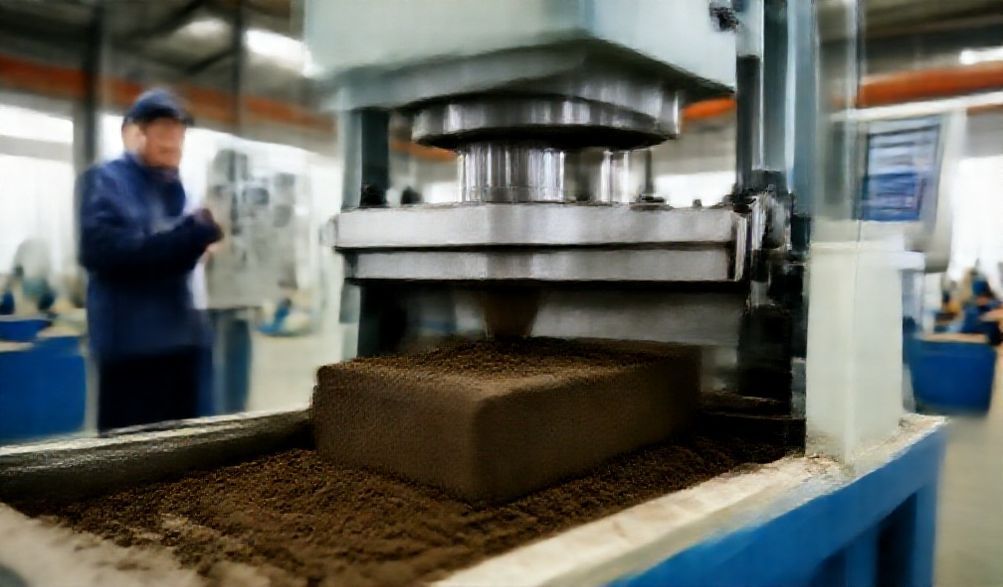
الدليل الشامل لاختيار مصنع آلات صناعة الطوب الطيني في الصين
مقدمة
يتغير المشهد الإنشائي العالمي. مع الطلب المتزايد على مواد البناء المستدامة والميسورة التكلفة والمصدرة محليًا، تشهد كتل الأرض المضغوطة (CEBs) - التي غالبًا ما تسمى طوب الطين الحديث - نهضة جديدة. فهذه القوالب المتينة والفعالة حرارياً والصديقة للبيئة تقدم بديلاً مقنعاً للطوب الطيني المحروق أو الكتل الخرسانية. بالنسبة للبنائين والمطورين ورواد الأعمال الاجتماعيين، يمثل هذا فرصة كبيرة. ومع ذلك، فإن حجر الزاوية في أي مشروع ناجح لكتل الأرض المضغوطة ليس مجرد التربة؛ بل هو الآلة التي تحولها.
التحدي الحاسم يكمن في الحصول على آلة لصنع الطوب الطيني تكون موثوقة وفعالة وتوفر عائد استثمار حقيقي. إن التنقل في السوق العالمية لموردي الآلات يمكن أن يكون أمراً شاقاً، مليئاً بالمصطلحات التقنية، ومعايير الجودة المتفاوتة، والتعقيدات اللوجستية.
دخلت الصين، القوة الصناعية التي لا تُنازَع في العالم. لعقود، كانت المركز العالمي للآلات الصناعية، وتطورت إلى مركز يدمج بمهارة بين النطاق الواسع والابتكار التكنولوجي وفعالية التكلفة. إن الحصول على مكبس الطوب الطيني من الصين لا يقتصر فقط على العثور على آلة؛ بل يتعلق بالوصول إلى نظام بيئي شاسع من الخبرة الهندسية المكرسة لهذه الحرفة بالذات.
يستند هذا الدليل إلى تحليل قطاعي، وفهم تقني، وحكمة عملية في مجال المشتريات. هدفنا هو تبسيط العملية وتزويدك بالمعرفة اللازمة لاتخاذ قرار واثق ومستنير. سنستعرض الأسباب المقنعة للشراء من الصين، ونفصل الميزات الأساسية لماكينة عالية الجودة، ونقدم مخططاً لتقييم المصنعين، ونرشدك عبر رحلة المشتريات بأكملها. بنهاية هذا الدليل، ستكون مجهزاً للعثور ليس على مجرد مورد فحسب، بل على شريك موثوق طويل الأمد لمشروعك الإنشائي.
لماذا تشتري آلة صنع الطوب الطيني من الصين؟
اختيار مكان شراء آلاتك هو أول قرار رئيسي تتخذه. بالنسبة لآلات صنع الطوب الطيني، تقدم الصين مزيجاً من المزايا يصعب مجاراتها في أي مكان آخر.
حجم وخبرة تصنيع لا مثيل لهما
中国的工业故事是一部专业化与深度发展的史诗。
* عقود من التأسيسيركز البلد على الآلات الثقيلة والبنية التحتية التصنيعية عبر الأجيال، مما يخلق قاعدة عريضة من المواهب من المهندسين واللحامين والفنيين.
* النظم البيئية الصناعية:غالبًا ما تتجمع الشركات المصنعة في مناطق محددة (مثل شاندونغ، وخنان، وفوجيان)، مما يعزز المنافسة الشديدة، والابتكار السريع، وسلاسل التوريد المتخصصة للغاية لمكونات مثل الأسطوانات الهيدروليكية وأنظمة التحكم. يعني هذا النظام البيئي أن صانع الآلات لديك لديه وصول مباشر إلى أفضل الأجزاء.
التسعير التنافسي وكفاءة التكاليف
هذا المقياس يترجم مباشرة إلى قيمة لك.
* وفورات الحجم:يسمح الحجم الهائل للإنتاج للمصنعين الصينيين بالحصول على المواد الخام (مثل الفولاذ عالي الجودة) بتكاليف أقل وتحسين خطوط الإنتاج لزيادة الكفاءة.
* القيمة المباشرةأنت تتعامل غالبًا مباشرةً مع المصنع، مما يلغي العديد من الوسطاء. وهذا يؤدي إلى سعر أكثر تنافسية لآلة بمواصفات مماثلة أو متفوقة مقارنة بالمناطق الأخرى، مما يحقق أقصى استفادة من ميزانية مشروعك.
التقدم التكنولوجي والابتكار
لم تعد الأيام التي كانت فيها التقليد الأساسي البحت هو السائد. قطاع الآلات الصيني يتطلع إلى الأمام.
* التبني والتحسين:لم يكتف المهندسون الصينيون باعتماد التقنيات العالمية، بل قاموا بتطويرها بنشاط. ستجد أنظمة تحكم PLC المتطورة، ومضخات هيدروليكية موفرة للطاقة، وأتمتة قوية مدمجة في الآلات الحديثة.
* محفظة متنوعة:سواء كنت بحاجة إلى مكبس يدوي بسيط لمشروع مجتمعي، أو آلة شبه آلية لعمل شاق لمشروع صغير، أو خط إنتاج أوتوماتيكي بالكامل مع مناولة روبوتية، فإن المصنعين الصينيين يقدمون الطيف الكامل. يمتد الابتكار إلى وحدات متنقلة يمكن سحبها مباشرة إلى موقع البناء.
الميزات الرئيسية التي يجب البحث عنها في آلة صنع الطوب الطيني
بعد بلد المنشأ، يجب أن تلبي الآلة نفسها احتياجاتك المحددة. إليك المواصفات الحرجة وجودات التصنيع التي يجب فحصها بدقة.
مواصفات الجهاز الأساسية
هذه المعلمات تحدد القدرة الأساسية للآلة.
* القدرة الإنتاجية:تقاس بالطوب في الساعة (مثال: 300-500 قطعة/ساعة لآلة نصف آلية قياسية). قم بمطابقة ذلك مع متطلبات مشروعك، مع السماح بالنمو.
* حجم الطوبة وكثافتهاتأكد من أن الآلة يمكنها إنتاج حجم البلوك الذي تحتاجه (الأحجام الشائعة للطوب الإسمنتي الخفيف هي 290x140x90 مم أو 300x150x100 مم). الكثافة، التي تتأثر بالضغط، تحدد القوة النهائية.
* مصدر الطاقةتشمل الخيارات النماذج الكهربائية (نظيفة، للمواقع الثابتة)، أو الديزل (قوية، للمناطق النائية)، أو الهجينة. توفر الطاقة المحلية وتكاليف الوقود هما العاملان الحاسمان في اتخاذ القرار.
* قوة الضغطهذا هو قلب الآلة. تُقاس بالطن (مثل 20 طنًا، 40 طنًا)، فالضغط الأعلى يُنتج طوبًا أكثر كثافة وقوة، مناسبًا للجدران الحاملة. لا تتهاون هنا.
جودة التصنيع ومكونات المتانة
المواصفات على الورق لا تعني شيئاً دون بناء عالي الجودة.
* إطار وقوالب الصلبيجب أن يكون الإطار الرئيسي مصنوعًا من صفيحة فولاذية سميكة ومقواة. يجب أن تُصنع القوالب بدقة من الفولاذ عالي الكربون أو الفولاذ السبائكي لضمان المتانة وأبعاد الطوب المتسقة.
* الأنظمة الهيدروليكية والكهربائية:المضخة الهيدروليكية والصمامات والأسطوانات هي عضلات الآلة. تشير علامات تجارية مثل ريكسروث أو يوكين إلى الجودة. يجب أن تستخدم لوحات التحكم الكهربائية مكونات ذات سمعة طيبة (مثل سيمنز، شنايدر) لضمان الموثوقية.
* الحماية من التآكل:ابحث عن التشطيب بالرمل والدهانات عالية الجودة. في البيئات الساحلية أو الرطبة، استفسر عن المعالجات الخاصة المضادة للتآكل.
الكفاءة التشغيلية وسهولة الاستخدام
يجب أن تكون الآلة منتجة وقابلة للإدارة على المدى الطويل.
* مستوى الأتمتة:تقدم الآلات شبه الأوتوماتيكية (التغذية يدوية، والضغط/القذف أوتوماتيكي) توازناً رائعاً بين الإنتاجية والتكلفة. بينما تشمل الأتمتة الكاملة التغذية الآلية للتربة وتراص الطوب.
* Maintenance Access: Design should allow easy access to the hydraulic system and wear parts for routine maintenance. Ask about the availability and cost of common spare parts (seals, wear plates).
* Safety Features: Emergency stop buttons, protective guards on moving parts, and pressure relief valves are non-negotiable for operator safety.
How to Identify a Reputable Chinese Manufacturer
With hundreds of suppliers online, separating the credible partners from the rest is crucial. This is where the principles of الخبرة، والخبرة المتخصصة، والموثوقية، والجدارة بالثقة (E-E-A-T) become your guiding framework.
Verifying Experience and Expertise (The “E” in E-E-A-T)
A manufacturer’s history is a strong predictor of future performance.
* سجل حافل: Seek companies with a minimum of 5-10 years of focused experience in brick making machinery. This suggests stability and accumulated know-how.
* Portfolio Analysis: Examine their project gallery and client list. A diverse geographic footprint (projects in Africa, Southeast Asia, South America) demonstrates adaptability to different soils and climates.
* Technical Dialogue: Gauge the expertise of their sales engineers. Can they knowledgeably discuss soil stabilization, optimal moisture content, or pressure settings? Their ability to answer technical questions is a vital sign.
Establishing Authoritativeness and Trustworthiness
Credentials and transparent practices build confidence.
* الشهادات الدولية: Look for valid آيزو 9001 (Quality Management) certification. For export to many markets, علامة CE (for machinery sold in Europe) indicates compliance with essential health and safety requirements.
* Genuine Proof: Request detailed case studies with contactable client references. Be wary of generic, stock-photo testimonials.
* After-Sales Policy: A trustworthy supplier will have a clear, written warranty (typically 12 months for parts), detailed manuals, and offer remote support via video call.
* The Crucial Step: Always request a live video demonstration of the exact machine model you’re considering, operating in their factory. This verifies the machine’s existence and function. For large orders, consider a third-party factory audit.
Red Flags to Avoid
- Too-Good-To-Be-True Pricing: An offer significantly lower than the market average usually signals inferior materials or hidden costs.
- Vague Communication: Inability to provide detailed technical drawings, a clear contract, or direct answers to specific questions.
- No Warranty or Sparse Terms: Ambiguity around what the warranty covers and for how long is a major risk.
- Reluctance to Share Information: Hesitance to provide client references, a real factory address, or a live video call should end the conversation.
The Procurement Process: From Inquiry to Delivery
A structured process minimizes risk and ensures clarity for both parties.
Initial Contact and Detailed Quotation
Your first communication sets the tone.
* Prepare a Comprehensive RFQ: Don’t just ask for a price. Provide:
* Desired brick size, shape, and target compressive strength.
* Estimated daily production requirement.
* Your local soil type (sending a sample later may be needed).
* Available power supply (voltage, phase).
* Preferred level of automation.
Negotiation, Contracts, and Payment Terms
Clarity here prevents disputes later.
* Payment Structure: A common and balanced term is 30% deposit, 70% balance before shipment via T/T (Bank Transfer). For larger orders, negotiate a milestone payment linked to production completion.
* The Contract is Key: The proforma invoice (PI) or sales contract must detail all agreed-upon specifications, warranty terms, delivery time, and Incoterms (e.g., FOB Shanghai – you manage shipping from the port; CIF Durban – they include cost and freight to your port).
Production, Inspection, and Shipping
Stay engaged during this phase.
* Production Updates: Request weekly photo or video updates of the machine’s assembly. This keeps the project on track.
* Pre-Shipment Inspection: For significant investments, hire a third-party inspection company (like SGS, BV, or Intertek) to check the machine at the factory against the agreed specifications before it’s crated.
* اللوجستيات: Your freight forwarder (or the supplier’s agent) will handle sea freight, documentation, and customs clearance at your destination port. Ensure you understand all duties and taxes applicable in your country.
Maximizing Your Investment: Installation and Beyond
Your relationship with the supplier shouldn’t end at delivery.
Installation, Commissioning, and Training
Proper setup is critical for optimal performance.
* On-Site Technician: Budget for or negotiate having a factory technician travel to your site for installation, commissioning, and training. This is invaluable.
* تدريب شامل: Ensure they train your operators not just on how to run the machine, but on routine maintenance, troubleshooting common issues, and safety protocols.
Spare Parts Strategy and Long-Term Maintenance
Proactivity ensures minimal downtime.
* Initial Spare Parts Kit: Purchase a recommended set of critical spare parts (seal kits, hydraulic hoses, wear plates) with your machine. Waiting for international shipping during a breakdown is costly.
* Maintenance Schedule: Follow the manufacturer’s prescribed schedule for checking hydraulic oil, tightening bolts, and cleaning sensors.
Building a Relationship with Your Supplier
Treat your reliable manufacturer as a partner. Open communication about your production results, challenges, and future plans can lead to better support, advice, and favorable terms for future equipment needs.
FAQ Section
Q1: What is the average price range for a mud brick machine from China?
أ: Prices vary dramatically based on automation and capacity. A manual press may start around $3,000 – $7,000, a robust semi-automatic machine $15,000 – $30,000, and a fully automatic production line can range from $50,000 to over $150,000. Always obtain a detailed quote based on your specific requirements.
Q2: Can Chinese machines work with the specific soil composition in my country?
أ: Absolutely. A reputable manufacturer will ask for your soil sample (approx. 10kg) to conduct lab tests. They can then advise on the optimal soil-sand-cement/lime mix and may adjust the machine’s pressure or mold design to ensure you produce high-quality bricks. This service is a key indicator of expertise.
Q3: How long does it typically take from order to delivery?
أ: Generally, allow 30 to 45 days for production after the deposit is received. Sea freight shipping then takes 30 to 60 days, depending on your destination port. The entire process from order to your site typically takes 3 to 4 months.
Q4: What is the standard warranty for these machines?
أ: A 12-month warranty on parts (excluding wear-and-tear items) is standard. Ensure the warranty document explicitly states what is covered, such as the hydraulic system, mainframe, and electrical components. Warranty on the hydraulic pump itself may have a separate, shorter term from its manufacturer.
Q5: Do manufacturers provide English manuals and remote support?
أ: Yes, established exporters targeting international markets should provide clear English operation and maintenance manuals, electrical diagrams, and parts lists. Remote support via WhatsApp, Zoom, or TeamViewer is now a standard and essential service for troubleshooting.
خاتمة
Sourcing a mud bricks making machine from China is a strategic decision that leverages global manufacturing excellence for local, sustainable construction. The journey requires a focus on three pillars: understanding the essential machine features that guarantee quality bricks, conducting meticulous due diligence to find a manufacturer with proven Experience and Trustworthiness, and managing the procurement process with clear communication and verification.
The right Chinese manufacturer is more than a vendor; they become a technical partner in your venture’s success. Their support can be the difference between a machine that sits idle and one that becomes the productive heart of your project.
Start your journey with confidence. Begin by preparing your detailed project specification sheet. Then, initiate conversations with manufacturers who can immediately demonstrate the technical depth and transparent practices outlined in this guide. Ask the hard questions, request the live demonstrations, and trust the process. Your ideal partner is ready to help you build a more sustainable future, one brick at a time.
<