
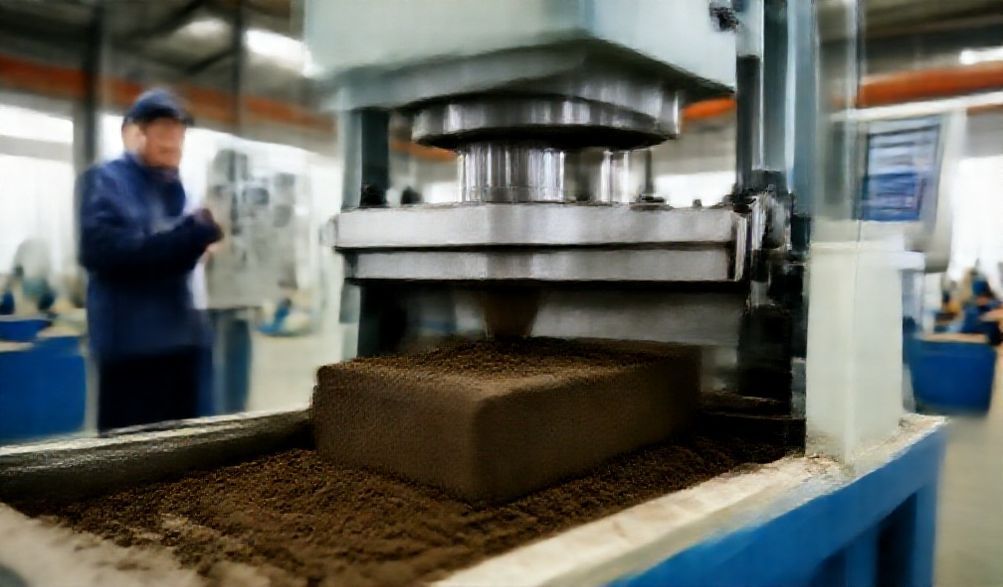
Дастури олии интихоби истеҳсолкунандаи мошини сохтани хишти лойии Чин
Муқаддима
Манзараи глобалии сохтмон дар ҳоли тағйир аст. Бо талаби зиёдшавандаи материалҳои сохтмонии барқароршаванда, арзон ва аз маҳалл гирифташуда, блокҳои фишурдаи заминӣ (CEBҳо) - ки аксар вақт хиштҳои муосири лойӣ номида мешаванд - эҳёро дарёфт мекунанд. Ин хиштҳои боқимонда, самараноки гармӣ ва дӯстдоштаи муҳити зист як алтернативи қонеъкунанда барои хиштҳои гудохтаи лойӣ ё блокҳои бетонӣ пешниҳод мекунанд. Барои созандагон, таҳиягарон ва соҳибкорони иҷтимоӣ, ин фурсати назаррас аст. Аммо, асоси ҳар лоиҳаи муваффақи CEB на фақат хок аст; ин мошинест, ки онро табдил медиҳад.
Муҳимтарин мушкилӣ дар ҷустуҷӯи мошини истеҳсоли хишти лойест, ки боэътимод, самаранок ва дар амал фоидаи воқеӣ ба бор меорад. Гузаронидан аз бозори ҷаҳонии таъминкунандагони мошинҳо метавонад сахт бошад, зеро пур аз истилоҳоти техникӣ, стандартҳои сифати гуногун ва мушкилиҳои мантиқӣ мебошад.
Чин, ки қудрати берақиби истеҳсоли ҷаҳонӣ ба ҳисоб меравад. Даҳсолаҳост, ки ин кишвар маркази глобалии мошинасозии саноатӣ буда, ба марказе таҳаввул ёфтааст, ки андоза, навоварии технологиявӣ ва самаранокии хароҷотро бо муҳташамӣ муттаҳид мекунад. Дарёфти пресси хишти гилӣ аз Чин танҳо ёфтани мошин нест; ин дастрасӣ ба экосистемаи васеи тахассуси муҳандисӣ мебошад, ки ба ин ҳунар бахшида шудааст.
Ин дастур ба таҳлили саноат, дарки техникӣ ва дониши амалии харид асос ёфтааст. Ҳадафи мо ошкор кардани раванд ва мусаллаҳ кардани шумо бо донишест, ки ба шумо имкон медиҳад, қарор бо итминон ва огоҳона гиред. Мо далелҳои қатъиро барои харид аз Хитой меомӯзем, хусусиятҳои зарурии мошини сифатиро ба тафсил мебарем, нақшаеро барои санҷиши истеҳсолкунандагон пешниҳод мекунем ва шуморо дар тамоми сафари харид роҳнамоӣ мекунем. Дар охир, шумо на танҳо таъминкунанда, балки шарики дарозмуддати боэътимод барои лоиҳаи сохтмонии худро пайдо карда метавонед.
Чаро мошини хишти хокиниро аз Чин таъмин кунед?
Интихоби ҷое, ки мошинҳои худро аз он ҷо мегиред, аввалин қарори бузурги шумост. Барои мошинҳои сохтани хишти лой, Хитой як қатор бартариҳоро пешниҳод мекунад, ки дар дигар ҷойҳо душвор ҳамсандезӣ кардан мумкин аст.
Масштаби ғайримуқоисасозии истеҳсолот ва маҳорат
داستони саноати Чин як достон аз ихтисос ва чуқурист.
* Даҳсолаҳои Асосгузорӣ:Диққати кишвар ба мошинаҳои вазнин ва инфрасохтори истеҳсолӣ ба давраҳои гуногун давом мекунад, ки захираи амиқи мутахассисони муҳандисон, кандакорҳо ва техникҳоро ба вуҷуд меорад.
* Экосистемаҳои саноатӣ:Истеҳсолкунандагон аксар вақт дар минтақаҳои мушаххас (масалан, Шандун, Хенан, Фуҷиян) ҷамъ омадаанд, ки рақобати сахт, инноватсияҳои зуд ва занҷирҳои таъминоти хело ихтисосёфтаро барои ҷузъҳо монанди силиндрҳои гидравликӣ ва системаҳои назоратӣ тақвият медиҳанд. Ин экосистема маънои онро дорад, ки сохтмонандаи мошинаи шумо ба беҳтарин қисмҳо дастрасии бевосита дорад.
Таҳмиди рақобатпазир ва самаранокии хароҷот
Ин миқёс барои шумо бевосита ба арзиш тарҷума мешавад.
* Иқтисодиёти миқёс:Ҳаҷми фаровони истеҳсол ба истеҳсолкунандагони чинӣ имкон медиҳад, ки маводи хом (монанди пӯлоди дараҷаи баланд) бо нархи арзонтар ҷамъ оваранд ва хатҳои истеҳсолро барои самаранокӣ беҳтар созанд.
* Арзиши БемосадШумо аксар вақт мустақиман бо завод сарукор карда, миёнаравҳои сершуморро бартараф мекунед. Ин боиси нархи бештар рақобатпазир барои мошине мегардад, ки нисбат ба дигар минтақаҳо талаботи шабеҳ ё бартар дорад ва буҷаи лоиҳаи шуморо то ҳадди аксар мерасонад.
Пешрафти технологӣ ва навоварӣ
Рӯзҳои тақлидҳои пурраи оддӣ гузаштанд. Бахши мошинасозии Чин ба оянда нигаронида шудааст.
* Фарзандхонӣ ва такмил:Муҳандисони чинӣ на танҳо технологияҳои ҷаҳониро қабул карданд, балки онҳоро фаъолона такмил доданд. Шумо системаҳои пешрафтаи назорати PLC, насосҳои гидравликии сарфакоронаи энергия ва автоматӣ кардани устуворро дар мошинҳои муосир пайдо мекунед.
* Портфели гуногунНовобарои лоиҳаи ҷамъиятӣ фишори оддии дастӣ, барои корхонаи хурд фишори ним-автоматӣ ё хатти истеҳсоли пурраи автоматӣ бо дастгоҳи роботӣ лозим бошад, истеҳсолкунандагони чинӣ тамоми доираро пешниҳод мекунанд. Навоварӣ ба воҳидҳои сайёр низ паҳн мешавад, ки метавонанд мустақиман ба макони сохтмон кашонида шаванд.
Хусусиятҳои асосие, ки дар мошини сохтани хишти гилӣ бояд ҷустуҷӯ кард
Дур аз кишвари аслӣ, худи мошин бояд ба ниёзҳои мушаххаси шумо ҷавобгӯ бошад. Инҳо хусусиятҳои муҳим ва сифати сохторӣ мебошанд, ки бояд бодиққат баррасӣ шаванд.
Core Machine Specifications
These parameters define the machine’s basic capability.
* Иқтидори истеҳсолӣ: Measured in bricks per hour (e.g., 300-500 pcs/h for a standard semi-auto machine). Align this with your project’s demand, allowing for growth.
* Brick Size & Density: Ensure the machine can produce the block size you require (common CEB sizes are 290x140x90mm or 300x150x100mm). Density, influenced by pressure, determines final strength.
* Манбаи барқ Options include electric (clean, for fixed sites), diesel (powerful, for remote areas), or hybrid models. Your local power availability and fuel costs are key deciding factors.
* Нерӯи фишор: This is the heart of the machine. Measured in tonnes (e.g., 20-ton, 40-ton), higher pressure creates denser, stronger bricks suitable for load-bearing walls. Don’t compromise here.
Build Quality and Durability Components
Specs on paper mean little without quality construction.
* Frame and Mold Steel: The main frame should be made from thick, reinforced steel plate. Molds must be precision-machined from high-carbon or alloy steel for longevity and consistent brick dimensions.
* Hydraulic and Electrical Systems: The hydraulic pump, valves, and cylinders are the machine’s muscles. Brands like Rexroth or Yuken indicate quality. Electrical panels should use reputable components (e.g., Siemens, Schneider) for reliability.
* Муҳофизат аз зангзани: Look for sandblasting and high-quality paint finishes. For coastal or humid environments, inquire about special anti-corrosion treatments.
Самаранокии амалиётӣ ва осонии истифода
A machine must be productive and manageable in the long run.
* Сатрҳои автоматӣ: Semi-automatic machines (manual feeding, automatic compression/ejection) offer a great balance of output and cost. Full automation includes automated soil feeding and brick stacking.
* Maintenance Access: Design should allow easy access to the hydraulic system and wear parts for routine maintenance. Ask about the availability and cost of common spare parts (seals, wear plates).
* Safety Features: Emergency stop buttons, protective guards on moving parts, and pressure relief valves are non-negotiable for operator safety.
How to Identify a Reputable Chinese Manufacturer
With hundreds of suppliers online, separating the credible partners from the rest is crucial. This is where the principles of Таҷриба, Ихтисос, Эътибор ва Эътимодноки (E-E-A-T) become your guiding framework.
Verifying Experience and Expertise (The “E” in E-E-A-T)
A manufacturer’s history is a strong predictor of future performance.
* Сабти фаъолият: Seek companies with a minimum of 5-10 years of focused experience in brick making machinery. This suggests stability and accumulated know-how.
* Portfolio Analysis: Examine their project gallery and client list. A diverse geographic footprint (projects in Africa, Southeast Asia, South America) demonstrates adaptability to different soils and climates.
* Technical Dialogue: Gauge the expertise of their sales engineers. Can they knowledgeably discuss soil stabilization, optimal moisture content, or pressure settings? Their ability to answer technical questions is a vital sign.
Establishing Authoritativeness and Trustworthiness
Credentials and transparent practices build confidence.
* International Certifications: Look for valid ISO 9001 (Quality Management) certification. For export to many markets, Нишони СЕ (for machinery sold in Europe) indicates compliance with essential health and safety requirements.
* Genuine Proof: Request detailed case studies with contactable client references. Be wary of generic, stock-photo testimonials.
* After-Sales Policy: A trustworthy supplier will have a clear, written warranty (typically 12 months for parts), detailed manuals, and offer remote support via video call.
* The Crucial Step: Always request a live video demonstration of the exact machine model you’re considering, operating in their factory. This verifies the machine’s existence and function. For large orders, consider a third-party factory audit.
Red Flags to Avoid
- Too-Good-To-Be-True Pricing: An offer significantly lower than the market average usually signals inferior materials or hidden costs.
- Vague Communication: Inability to provide detailed technical drawings, a clear contract, or direct answers to specific questions.
- No Warranty or Sparse Terms: Ambiguity around what the warranty covers and for how long is a major risk.
- Reluctance to Share Information: Hesitance to provide client references, a real factory address, or a live video call should end the conversation.
The Procurement Process: From Inquiry to Delivery
A structured process minimizes risk and ensures clarity for both parties.
Initial Contact and Detailed Quotation
Your first communication sets the tone.
* Prepare a Comprehensive RFQ: Don’t just ask for a price. Provide:
* Desired brick size, shape, and target compressive strength.
* Estimated daily production requirement.
* Your local soil type (sending a sample later may be needed).
* Available power supply (voltage, phase).
* Preferred level of automation.
Negotiation, Contracts, and Payment Terms
Clarity here prevents disputes later.
* Payment Structure: A common and balanced term is 30% deposit, 70% balance before shipment via T/T (Bank Transfer). For larger orders, negotiate a milestone payment linked to production completion.
* The Contract is Key: The proforma invoice (PI) or sales contract must detail all agreed-upon specifications, warranty terms, delivery time, and Incoterms (e.g., FOB Shanghai – you manage shipping from the port; CIF Durban – they include cost and freight to your port).
Production, Inspection, and Shipping
Stay engaged during this phase.
* Production Updates: Request weekly photo or video updates of the machine’s assembly. This keeps the project on track.
* Pre-Shipment Inspection: For significant investments, hire a third-party inspection company (like SGS, BV, or Intertek) to check the machine at the factory against the agreed specifications before it’s crated.
* Logistics: Your freight forwarder (or the supplier’s agent) will handle sea freight, documentation, and customs clearance at your destination port. Ensure you understand all duties and taxes applicable in your country.
Maximizing Your Investment: Installation and Beyond
Your relationship with the supplier shouldn’t end at delivery.
Installation, Commissioning, and Training
Proper setup is critical for optimal performance.
* On-Site Technician: Budget for or negotiate having a factory technician travel to your site for installation, commissioning, and training. This is invaluable.
* Таълими ҳамаҷониба Ensure they train your operators not just on how to run the machine, but on routine maintenance, troubleshooting common issues, and safety protocols.
Spare Parts Strategy and Long-Term Maintenance
Proactivity ensures minimal downtime.
* Комплекти дастгоҳҳои ибтидоӣ: Purchase a recommended set of critical spare parts (seal kits, hydraulic hoses, wear plates) with your machine. Waiting for international shipping during a breakdown is costly.
* Maintenance Schedule: Follow the manufacturer’s prescribed schedule for checking hydraulic oil, tightening bolts, and cleaning sensors.
Building a Relationship with Your Supplier
Treat your reliable manufacturer as a partner. Open communication about your production results, challenges, and future plans can lead to better support, advice, and favorable terms for future equipment needs.
FAQ Section
Q1: What is the average price range for a mud brick machine from China?
A: Prices vary dramatically based on automation and capacity. A manual press may start around $3,000 – $7,000, a robust semi-automatic machine $15,000 – $30,000, and a fully automatic production line can range from $50,000 to over $150,000. Always obtain a detailed quote based on your specific requirements.
Q2: Can Chinese machines work with the specific soil composition in my country?
A: Absolutely. A reputable manufacturer will ask for your soil sample (approx. 10kg) to conduct lab tests. They can then advise on the optimal soil-sand-cement/lime mix and may adjust the machine’s pressure or mold design to ensure you produce high-quality bricks. This service is a key indicator of expertise.
Q3: How long does it typically take from order to delivery?
A: Generally, allow 30 to 45 days for production after the deposit is received. Sea freight shipping then takes 30 то 60 рӯз, depending on your destination port. The entire process from order to your site typically takes 3 to 4 months.
Q4: What is the standard warranty for these machines?
A: A 12-month warranty on parts (excluding wear-and-tear items) is standard. Ensure the warranty document explicitly states what is covered, such as the hydraulic system, mainframe, and electrical components. Warranty on the hydraulic pump itself may have a separate, shorter term from its manufacturer.
Q5: Do manufacturers provide English manuals and remote support?
A: Yes, established exporters targeting international markets should provide clear English operation and maintenance manuals, electrical diagrams, and parts lists. Remote support via WhatsApp, Zoom, or TeamViewer is now a standard and essential service for troubleshooting.
Conclusion
Sourcing a mud bricks making machine from China is a strategic decision that leverages global manufacturing excellence for local, sustainable construction. The journey requires a focus on three pillars: understanding the essential machine features that guarantee quality bricks, conducting meticulous due diligence to find a manufacturer with proven Experience and Trustworthiness, and managing the procurement process with clear communication and verification.
The right Chinese manufacturer is more than a vendor; they become a technical partner in your venture’s success. Their support can be the difference between a machine that sits idle and one that becomes the productive heart of your project.
Start your journey with confidence. Begin by preparing your detailed project specification sheet. Then, initiate conversations with manufacturers who can immediately demonstrate the technical depth and transparent practices outlined in this guide. Ask the hard questions, request the live demonstrations, and trust the process. Your ideal partner is ready to help you build a more sustainable future, one brick at a time.
<