
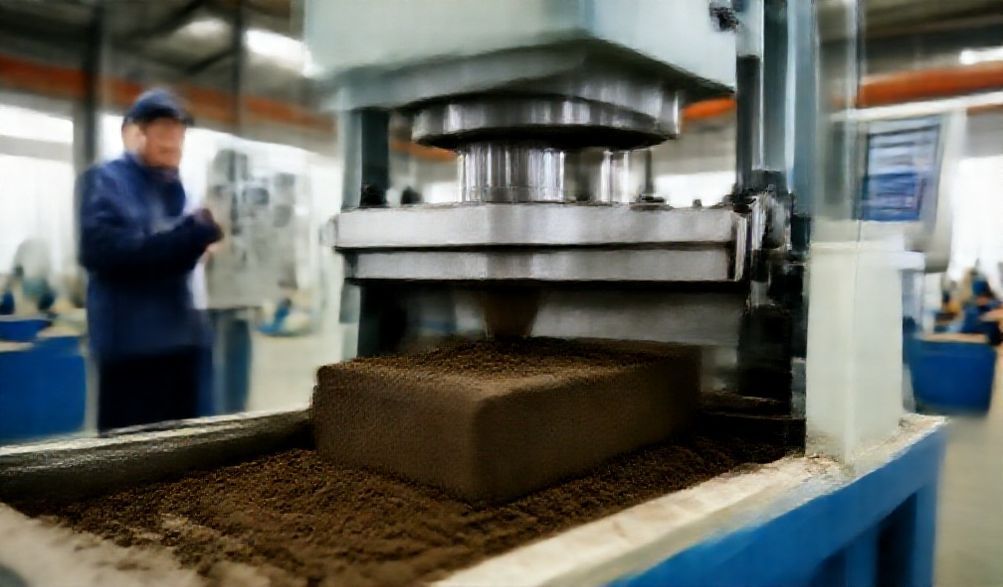
Ang Komprehensibong Gabay sa Pagpili ng Tagagawa ng Makina ng Mud Bricks sa Tsina
Panimula
Ang pandaigdigang larangan ng konstruksiyon ay nagbabago. Dahil sa tumataas na pangangailangan para sa mga materyales na pangkonstruksiyon na sustainable, abot-kaya, at lokal ang pinagmulan, ang mga compressed earth block (CEB)—na kadalasang tinatawag na modernong mud brick—ay sumasailalim sa muling pag-usbong. Ang mga matibay, thermally efficient, at eco-friendly na brick na ito ay nag-aalok ng isang nakakahimok na alternatibo sa mga fired clay o concrete block. Para sa mga tagabuo, developer, at social entrepreneur, ito ay isang malaking oportunidad. Gayunpaman, ang batong-panulukan ng anumang matagumpay na proyektong CEB ay hindi lamang ang lupa; ito ay ang makina na nagbabago nito.
Ang pangunahing hamon ay ang paghahanap ng isang makina ng paggawa ng mud brick na maaasahan, episyente, at nagbibigay ng tunay na balik sa puhunan. Ang paglalakbay sa pandaigdigang merkado ng mga supplier ng makinarya ay maaaring nakakatakot, puno ng teknikal na mga terminolohiya, iba't ibang pamantayan ng kalidad, at mga kumplikadong pangkalakalan.
Pasok ang China, ang walang duda at pinakamalakas na bansa sa pagmamanupaktura sa buong mundo. Sa loob ng mga dekada, ito ang naging sentro ng pandaigdigang industriya ng makinarya, umunlad bilang isang hub na bihasang naghahalo ng lawak, pagbabago sa teknolohiya, at pagiging cost-effective. Ang pagkuha ng iyong mud brick press mula sa China ay hindi lamang paghahanap ng makina; ito ay pag-access sa isang malawak na ecosystem ng ekspertisong pang-inhinyero na nakatuon sa mismong sining na ito.
Ang gabay na ito ay batay sa pagsusuri ng industriya, teknikal na pag-unawa, at praktikal na karunungan sa pagbili. Ang aming layunin ay gawing simple ang proseso at bigyan ka ng kaalaman upang makagawa ng isang maalam at tiwasang desisyon. Tuklasin natin ang mga nakakahimok na dahilan para kumuha ng mga produkto mula sa Tsina, idetalye ang mga hindi maikakait na katangian ng isang de-kalidad na makina, magbigay ng plano para sa pagsusuri ng mga tagagawa, at gabayan ka sa buong proseso ng pagbili. Sa huli, ikaw ay magiging handa upang makahanag hindi lamang ng isang supplier, kundi ng isang mapagkakatiwalaang pangmatagalang kasosyo para sa iyong proyekto sa konstruksyon.
Bakit Dapat Sourcing ang Iyong Mud Brick Machine mula sa China?
Ang pagpili kung saan kukunin ang iyong makinarya ang iyong unang pangunahing desisyon. Para sa mga makina ng paggawa ng mud brick, ang Tsina ay nag-aalok ng kombinasyon ng mga benepisyo na mahirap pantayan sa ibang lugar.
Walang Kapantay na Saklaw at Dalubhasaan sa Pagmamanupaktura
Ang kuwento ng industriya ng Tsina ay isang kuwento ng pagdadalubhasa at lalim.
* Mga Dekada ng Pundasyon:Ang pokus ng bansa sa mabibigat na makinarya at imprastraktura ng pagmamanupaktura ay sumasaklaw sa mga henerasyon, na lumilikha ng malalim na pool ng mga inhinyero, welder, at technician.
* Mga Ekosistemang Pang-industriya:Ang mga tagagawa ay kalimitang nagkukumpulan sa mga partikular na rehiyon (halimbawa, Shandong, Henan, Fujian), na nagpapalago ng matinding kompetisyon, mabilis na inobasyon, at lubos na espesyalisadong supply chain para sa mga komponente tulad ng hydraulic cylinders at control systems. Ang ekosistemang ito ay nangangahulugang ang iyong tagabuo ng makina ay may direktang access sa pinakamahuhusay na piyesa.
Kumpetitibong Pagpepresyo at Kahusayan sa Gastos
Ang sukat na ito ay direktang nagbibigay ng halaga para sa iyo.
* Mga Ekonomiya ng Eskala:Ang malaking dami ng produksyon ay nagbibigay-daan sa mga tagagawa sa Tsina na makakuha ng mga hilaw na materyales (tulad ng mataas na kalidad na bakal) sa mas mababang halaga at i-optimize ang mga linya ng produksyon para sa kahusayan.
* Direktang HalagaDirekta kang nakikipag-ugnayan sa pabrika, na inaalis ang maraming tagapamagitan. Nagreresulta ito sa mas kompetitibong presyo para sa isang makina na may katulad o mas mataas na mga espesipikasyon kumpara sa ibang mga rehiyon, na nagpapamaksima sa badyet ng iyong proyekto.
Pagsulong at Pagbabago sa Teknolohiya
Wala na ang mga panahon ng simpleng pangunahing imitasyon. Ang sektor ng makinarya ng Tsina ay nakatuon sa hinaharap.
* Pag-aampon at Pagpapabuti:Ang mga inhinyero ng Tsina ay hindi lamang tumanggap ng mga pandaigdigang teknolohiya kundi aktibong pinainam pa ang mga ito. Makikita ang mga advanced na PLC control system, enerhiya-sopistikadong haydrolikong bomba, at matatag na awtomasyon na nakapaloob sa mga makabagong makina.
* Magkakaibang Portpolio:Kung kailangan mo ng isang simpleng manual na pindutin para sa isang proyekto ng komunidad, isang semi-awtomatikong workhorse para sa isang maliit na negosyo, o isang ganap na awtomatikong linya ng produksyon na may robotic handling, ang mga tagagawa mula sa Tsina ay nag-aalok ng buong spectrum. Ang inobasyon ay umaabot sa mga mobile unit na maaaring direktang hilahin patungo sa isang konstruksyon site.
Mga Pangunahing Katangiang Dapat Hanapin sa Makina ng Paggawa ng Mud Bricks
Bukod sa bansang pinagmulan, ang mismong makina ay dapat tumugma sa iyong partikular na pangangailangan. Narito ang mga kritikal na detalye at kalidad ng pagkakagawa na dapat suriin.
Mga Pangunahing Espesipikasyon ng Makina
Ang mga parameter na ito ang tumutukoy sa pangunahing kakayahan ng makina.
* Kapasidad sa Produksiyon:Sukat sa mga ladrilyo bawat oras (halimbawa, 300-500 piraso/oras para sa isang karaniwang semi-awtomatikong makina). Iayon ito sa pangangailangan ng iyong proyekto, na nagpapahintulot para sa paglago.
* Sukat at Densidad ng BriksSiguraduhing kayang gawin ng makina ang sukat ng bloke na kailangan mo (karaniwang sukat ng CEB ay 290x140x90mm o 300x150x100mm). Ang densidad, na naaapektuhan ng presyon, ang nagtatakda ng panghuling lakas.
* Pinagmumulan ng KuryenteKasama sa mga opsyon ang de-kuryente (malinis, para sa mga nakatakdang lugar), diesel (malakas, para sa mga liblib na lugar), o mga hybrid na modelo. Ang lokal na pagkakaroon ng kuryente at mga gastos sa panggatong ang pangunahing mga salik sa pagpapasya.
* Puwersa ng Presyon:Ito ang puso ng makina. Sinusukat sa tonelada (halimbawa, 20-tonelada, 40-tonelada), ang mas mataas na presyon ay lumilikha ng mas siksik at mas matibas na mga ladrilyo na angkop para sa mga pader na nagdadala ng bigat. Huwag magkompromiso dito.
Kalidad ng Pagkagawa at Tibay ng mga Bahagi
Ang mga detalye sa papel ay walang halaga kung walang de-kalidad na pagkakagawa.
* Balangkas at Hulmahan ng Bakal:Ang pangunahing balangkas ay dapat gawin mula sa makapal, pinalakas na bakal na plato. Ang mga hulma ay dapat na tumpak na makina mula sa mataas na carbon o haluang metal na bakal para sa tibay at pare-parehong sukat ng ladrilyo.
* Mga Sistema ng Haydroliko at Elektrikal:Ang hydraulic pump, mga balbula, at mga silindro ang mga kalamnan ng makina. Ang mga tatak tulad ng Rexroth o Yuken ay nagpapahiwatig ng kalidad. Ang mga electrical panel ay dapat gumamit ng mga kilalang komponente (halimbawa, Siemens, Schneider) para sa pagiging maaasahan.
* Proteksyon Laban sa Korosyon:Maghanap ng sandblasting at de-kalidad na tapos ng pintura. Para sa mga lugar na malapit sa baybayin o mahalumigmig, magtanong tungkol sa mga espesyal na anti-korupsiyon na paggamot.
Kahusayan sa Pagpapatakbo at Kadalian sa Paggamit
A machine must be productive and manageable in the long run.
* Antas ng Automation: Semi-automatic machines (manual feeding, automatic compression/ejection) offer a great balance of output and cost. Full automation includes automated soil feeding and brick stacking.
* Maintenance Access: Design should allow easy access to the hydraulic system and wear parts for routine maintenance. Ask about the availability and cost of common spare parts (seals, wear plates).
* Safety Features: Emergency stop buttons, protective guards on moving parts, and pressure relief valves are non-negotiable for operator safety.
How to Identify a Reputable Chinese Manufacturer
With hundreds of suppliers online, separating the credible partners from the rest is crucial. This is where the principles of Karanasan, Kadalubhasaan, Awtoridad, at Pagkakatiwalaan (K-K-A-P) become your guiding framework.
Verifying Experience and Expertise (The “E” in E-E-A-T)
A manufacturer’s history is a strong predictor of future performance.
* Rekord sa Pagganap: Seek companies with a minimum of 5-10 years of focused experience in brick making machinery. This suggests stability and accumulated know-how.
* Portfolio Analysis: Examine their project gallery and client list. A diverse geographic footprint (projects in Africa, Southeast Asia, South America) demonstrates adaptability to different soils and climates.
* Technical Dialogue: Gauge the expertise of their sales engineers. Can they knowledgeably discuss soil stabilization, optimal moisture content, or pressure settings? Their ability to answer technical questions is a vital sign.
Establishing Authoritativeness and Trustworthiness
Credentials and transparent practices build confidence.
* International Certifications: Look for valid ISO 9001 (Quality Management) certification. For export to many markets, CE Marking (for machinery sold in Europe) indicates compliance with essential health and safety requirements.
* Genuine Proof: Request detailed case studies with contactable client references. Be wary of generic, stock-photo testimonials.
* After-Sales Policy: A trustworthy supplier will have a clear, written warranty (typically 12 months for parts), detailed manuals, and offer remote support via video call.
* The Crucial Step: Always request a live video demonstration of the exact machine model you’re considering, operating in their factory. This verifies the machine’s existence and function. For large orders, consider a third-party factory audit.
Red Flags to Avoid
- Too-Good-To-Be-True Pricing: An offer significantly lower than the market average usually signals inferior materials or hidden costs.
- Vague Communication: Inability to provide detailed technical drawings, a clear contract, or direct answers to specific questions.
- No Warranty or Sparse Terms: Ambiguity around what the warranty covers and for how long is a major risk.
- Reluctance to Share Information: Hesitance to provide client references, a real factory address, or a live video call should end the conversation.
The Procurement Process: From Inquiry to Delivery
A structured process minimizes risk and ensures clarity for both parties.
Initial Contact and Detailed Quotation
Your first communication sets the tone.
* Prepare a Comprehensive RFQ: Don’t just ask for a price. Provide:
* Desired brick size, shape, and target compressive strength.
* Estimated daily production requirement.
* Your local soil type (sending a sample later may be needed).
* Available power supply (voltage, phase).
* Preferred level of automation.
Negotiation, Contracts, and Payment Terms
Clarity here prevents disputes later.
* Payment Structure: A common and balanced term is 30% deposit, 70% balance before shipment via T/T (Bank Transfer). For larger orders, negotiate a milestone payment linked to production completion.
* The Contract is Key: The proforma invoice (PI) or sales contract must detail all agreed-upon specifications, warranty terms, delivery time, and Incoterms (e.g., FOB Shanghai – you manage shipping from the port; CIF Durban – they include cost and freight to your port).
Production, Inspection, and Shipping
Stay engaged during this phase.
* Production Updates: Request weekly photo or video updates of the machine’s assembly. This keeps the project on track.
* Pre-Shipment Inspection: For significant investments, hire a third-party inspection company (like SGS, BV, or Intertek) to check the machine at the factory against the agreed specifications before it’s crated.
* Logistics: Your freight forwarder (or the supplier’s agent) will handle sea freight, documentation, and customs clearance at your destination port. Ensure you understand all duties and taxes applicable in your country.
Maximizing Your Investment: Installation and Beyond
Your relationship with the supplier shouldn’t end at delivery.
Installation, Commissioning, and Training
Proper setup is critical for optimal performance.
* On-Site Technician: Budget for or negotiate having a factory technician travel to your site for installation, commissioning, and training. This is invaluable.
* Komprehensibong Pagsasanay: Ensure they train your operators not just on how to run the machine, but on routine maintenance, troubleshooting common issues, and safety protocols.
Spare Parts Strategy and Long-Term Maintenance
Proactivity ensures minimal downtime.
* Initial Spare Parts Kit: Purchase a recommended set of critical spare parts (seal kits, hydraulic hoses, wear plates) with your machine. Waiting for international shipping during a breakdown is costly.
* Maintenance Schedule: Follow the manufacturer’s prescribed schedule for checking hydraulic oil, tightening bolts, and cleaning sensors.
Building a Relationship with Your Supplier
Treat your reliable manufacturer as a partner. Open communication about your production results, challenges, and future plans can lead to better support, advice, and favorable terms for future equipment needs.
FAQ Section
Q1: What is the average price range for a mud brick machine from China?
Isalin ang teksto sa Filipino. I-output LAMANG ang isinalin na teksto. Prices vary dramatically based on automation and capacity. A manual press may start around $3,000 – $7,000, a robust semi-automatic machine $15,000 – $30,000, and a fully automatic production line can range from $50,000 to over $150,000. Always obtain a detailed quote based on your specific requirements.
Q2: Can Chinese machines work with the specific soil composition in my country?
Isalin ang teksto sa Filipino. I-output LAMANG ang isinalin na teksto. Absolutely. A reputable manufacturer will ask for your soil sample (approx. 10kg) to conduct lab tests. They can then advise on the optimal soil-sand-cement/lime mix and may adjust the machine’s pressure or mold design to ensure you produce high-quality bricks. This service is a key indicator of expertise.
Q3: How long does it typically take from order to delivery?
Isalin ang teksto sa Filipino. I-output LAMANG ang isinalin na teksto. Generally, allow 30 to 45 days for production after the deposit is received. Sea freight shipping then takes 30 to 60 days, depending on your destination port. The entire process from order to your site typically takes 3 to 4 months.
Q4: What is the standard warranty for these machines?
Isalin ang teksto sa Filipino. I-output LAMANG ang isinalin na teksto. A 12-month warranty on parts (excluding wear-and-tear items) is standard. Ensure the warranty document explicitly states what is covered, such as the hydraulic system, mainframe, and electrical components. Warranty on the hydraulic pump itself may have a separate, shorter term from its manufacturer.
Q5: Do manufacturers provide English manuals and remote support?
Isalin ang teksto sa Filipino. I-output LAMANG ang isinalin na teksto. Yes, established exporters targeting international markets should provide clear English operation and maintenance manuals, electrical diagrams, and parts lists. Remote support via WhatsApp, Zoom, or TeamViewer is now a standard and essential service for troubleshooting.
Konklusyon
Sourcing a mud bricks making machine from China is a strategic decision that leverages global manufacturing excellence for local, sustainable construction. The journey requires a focus on three pillars: understanding the essential machine features that guarantee quality bricks, conducting meticulous due diligence to find a manufacturer with proven Experience and Trustworthiness, and managing the procurement process with clear communication and verification.
The right Chinese manufacturer is more than a vendor; they become a technical partner in your venture’s success. Their support can be the difference between a machine that sits idle and one that becomes the productive heart of your project.
Start your journey with confidence. Begin by preparing your detailed project specification sheet. Then, initiate conversations with manufacturers who can immediately demonstrate the technical depth and transparent practices outlined in this guide. Ask the hard questions, request the live demonstrations, and trust the process. Your ideal partner is ready to help you build a more sustainable future, one brick at a time.
<