
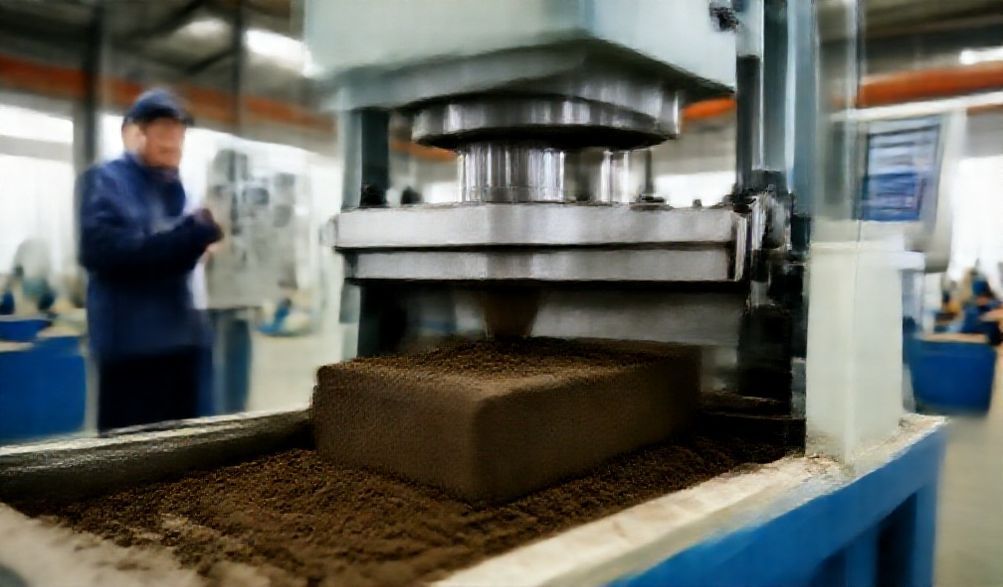
Panduan Utama untuk Memilih Produsen Mesin Pembuat Batu Bata Lumpur di China
Pengantar
Lanskap konstruksi global sedang berubah. Dengan meningkatnya permintaan akan bahan bangunan yang berkelanjutan, terjangkau, dan bersumber lokal, bata tanah padat (CEB)—sering disebut bata lumpur modern—sedang mengalami kebangkitan kembali. Bata yang tahan lama, efisien secara termal, dan ramah lingkungan ini menawarkan alternatif yang menarik dibandingkan bata tanah liat bakar atau bata beton. Bagi para pembangun, pengembang, dan pelaku usaha sosial, ini merupakan peluang yang signifikan. Namun, landasan utama dari setiap proyek CEB yang sukses bukan hanya tanahnya; melainkan mesin yang mengubahnya.
Tantangan kritisnya terletak pada pencarian mesin pembuat bata lumpur yang andal, efisien, dan memberikan pengembalian investasi yang nyata. Menavigasi pasar global pemasok mesin bisa menjadi hal yang menakutkan, dipenuhi dengan istilah teknis, standar kualitas yang bervariasi, dan kompleksitas logistik.
Masuklah ke Tiongkok, kekuatan manufaktur tak terbantahkan di dunia. Selama beberapa dekade, negara ini telah menjadi pusat global untuk mesin industri, berevolusi menjadi hub yang dengan ahli menggabungkan skala, inovasi teknologi, dan efektivitas biaya. Sumber daya mesin press bata lumpur Anda dari Tiongkok bukan hanya tentang menemukan mesin; ini tentang mengakses ekosistem luas keahlian teknik yang didedikasikan untuk keahlian ini.
Panduan ini dibangun berdasarkan analisis industri, pemahaman teknis, dan kebijaksanaan praktis dalam pengadaan. Tujuan kami adalah menjadikan proses ini mudah dipahami dan membekali Anda dengan pengetahuan untuk mengambil keputusan yang tepat dan penuh keyakinan. Kami akan mengeksplorasi alasan-alasan kuat untuk berbelanja dari Tiongkok, merinci fitur-fitur wajib dari mesin berkualitas, memberikan cetak biru untuk menyeleksi produsen, dan memandu Anda melalui seluruh perjalanan pengadaan. Di akhir panduan, Anda akan dibekali kemampuan untuk menemukan bukan hanya pemasok, tetapi mitra jangka panjang yang terpercaya untuk usaha konstruksi Anda.
Mengapa Memilih Sumber Mesin Batu Bata Lumpur dari China?
Memilih dari mana sumber mesin Anda adalah keputusan besar pertama Anda. Untuk mesin pembuat batu bata lumpur, China menawarkan kombinasi keunggulan yang sulit ditandingi di tempat lain.
Skala dan Keahlian Manufaktur yang Tak Tertandingi
中国的工业发展历程是一部专业化与深度化的史诗。
* Dekade-Dekade Fondasi:Fokus negara pada mesin berat dan infrastruktur manufaktur telah berlangsung selama beberapa generasi, menciptakan kumpulan bakat yang mendalam dari insinyur, tukang las, dan teknisi.
* Ekosistem Industri:Produsen sering terkonsentrasi di wilayah-wilayah tertentu (misalnya Shandong, Henan, Fujian), yang memicu persaingan ketat, inovasi cepat, dan rantai pasok yang sangat terspesialisasi untuk komponen seperti silinder hidrolik dan sistem kontrol. Ekosistem ini berarti pembuat mesin Anda memiliki akses langsung ke suku cadang terbaik.
Harga Kompetitif dan Efisiensi Biaya
Skala ini secara langsung diterjemahkan menjadi nilai bagi Anda.
* Skala Ekonomi:Volume produksi yang besar memungkinkan produsen China untuk memperoleh bahan baku (seperti baja berkualitas tinggi) dengan biaya lebih rendah dan mengoptimalkan lini produksi demi efisiensi.
* Nilai LangsungAnda sering berurusan langsung dengan pabrik, menghilangkan banyak perantara. Hal ini menghasilkan harga yang lebih kompetitif untuk mesin dengan spesifikasi serupa atau lebih unggul dibandingkan wilayah lain, sehingga memaksimalkan anggaran proyek Anda.
Kemajuan dan Inovasi Teknologi
Sudah berlalu masa imitasi dasar semata. Sektor mesin Tiongkok kini berorientasi ke depan.
* Adopsi dan Peningkatan:Insinyur Tiongkok tidak hanya mengadopsi teknologi global, tetapi juga secara aktif menyempurnakannya. Anda akan menemukan sistem kontrol PLC yang canggih, pompa hidrolik hemat energi, serta otomatisasi tangguh yang terintegrasi dalam mesin-mesin modern.
* Portofolio Beragam:Baik Anda membutuhkan mesin press manual sederhana untuk proyek komunitas, mesin semi-otomatis andalan untuk usaha kecil, atau lini produksi otomatis penuh dengan penanganan robotik, produsen Tiongkok menawarkan seluruh spektrum tersebut. Inovasi ini bahkan merambah ke unit bergerak yang dapat ditarik langsung ke lokasi konstruksi.
Fitur Utama yang Harus Dicari dalam Mesin Pembuat Batu Bata Tanah Liat
Di luar negara asal, mesin itu sendiri harus memenuhi kebutuhan spesifik Anda. Berikut adalah spesifikasi kritis dan kualitas konstruksi yang perlu diperiksa dengan teliti.
Spesifikasi Inti Mesin
Parameter-parameter ini menentukan kemampuan dasar mesin.
* Kapasitas Produksi:Diukur dalam jumlah batu bata per jam (misalnya, 300-500 buah/jam untuk mesin semi-otomatis standar). Sesuaikan dengan permintaan proyek Anda, dengan memberi ruang untuk pertumbuhan.
* Ukuran & Kepadatan Bata:Pastikan mesin dapat memproduksi ukuran blok yang Anda butuhkan (ukuran CEB yang umum adalah 290x140x90mm atau 300x150x100mm). Kepadatan, yang dipengaruhi oleh tekanan, menentukan kekuatan akhir.
* Sumber Daya:Opsi termasuk listrik (bersih, untuk lokasi tetap), diesel (kuat, untuk daerah terpencil), atau model hybrid. Ketersediaan listrik lokal dan biaya bahan bakar menjadi faktor penentu utama.
* Gaya Tekanan:Ini adalah jantung dari mesin. Diukur dalam ton (misalnya, 20 ton, 40 ton), tekanan yang lebih tinggi menghasilkan bata yang lebih padat dan lebih kuat, cocok untuk dinding penahan beban. Jangan berkompromi di sini.
Kualitas Bangunan dan Komponen Ketahanan
Spesifikasi di atas kertas tidak berarti banyak tanpa konstruksi yang berkualitas.
* Frame and Mold Steel: The main frame should be made from thick, reinforced steel plate. Molds must be precision-machined from high-carbon or alloy steel for longevity and consistent brick dimensions.
* Hydraulic and Electrical Systems: The hydraulic pump, valves, and cylinders are the machine’s muscles. Brands like Rexroth or Yuken indicate quality. Electrical panels should use reputable components (e.g., Siemens, Schneider) for reliability.
* Perlindungan Korosi: Look for sandblasting and high-quality paint finishes. For coastal or humid environments, inquire about special anti-corrosion treatments.
Efisiensi Operasional dan Kemudahan Penggunaan
A machine must be productive and manageable in the long run.
* Tingkat Otomasi: Semi-automatic machines (manual feeding, automatic compression/ejection) offer a great balance of output and cost. Full automation includes automated soil feeding and brick stacking.
* Maintenance Access: Design should allow easy access to the hydraulic system and wear parts for routine maintenance. Ask about the availability and cost of common spare parts (seals, wear plates).
* Safety Features: Emergency stop buttons, protective guards on moving parts, and pressure relief valves are non-negotiable for operator safety.
How to Identify a Reputable Chinese Manufacturer
With hundreds of suppliers online, separating the credible partners from the rest is crucial. This is where the principles of Pengalaman, Keahlian, Kewenangan, dan Kepercayaan (E-E-A-T) become your guiding framework.
Verifying Experience and Expertise (The “E” in E-E-A-T)
A manufacturer’s history is a strong predictor of future performance.
* Rekam Jejak: Seek companies with a minimum of 5-10 years of focused experience in brick making machinery. This suggests stability and accumulated know-how.
* Portfolio Analysis: Examine their project gallery and client list. A diverse geographic footprint (projects in Africa, Southeast Asia, South America) demonstrates adaptability to different soils and climates.
* Dialog Teknis: Gauge the expertise of their sales engineers. Can they knowledgeably discuss soil stabilization, optimal moisture content, or pressure settings? Their ability to answer technical questions is a vital sign.
Establishing Authoritativeness and Trustworthiness
Credentials and transparent practices build confidence.
* Sertifikasi Internasional: Look for valid ISO 9001 (Quality Management) certification. For export to many markets, Sertifikasi CE (for machinery sold in Europe) indicates compliance with essential health and safety requirements.
* Genuine Proof: Request detailed case studies with contactable client references. Be wary of generic, stock-photo testimonials.
* After-Sales Policy: A trustworthy supplier will have a clear, written warranty (typically 12 months for parts), detailed manuals, and offer remote support via video call.
* The Crucial Step: Always request a live video demonstration of the exact machine model you’re considering, operating in their factory. This verifies the machine’s existence and function. For large orders, consider a third-party factory audit.
Red Flags to Avoid
- Too-Good-To-Be-True Pricing: An offer significantly lower than the market average usually signals inferior materials or hidden costs.
- Vague Communication: Inability to provide detailed technical drawings, a clear contract, or direct answers to specific questions.
- No Warranty or Sparse Terms: Ambiguity around what the warranty covers and for how long is a major risk.
- Reluctance to Share Information: Hesitance to provide client references, a real factory address, or a live video call should end the conversation.
The Procurement Process: From Inquiry to Delivery
A structured process minimizes risk and ensures clarity for both parties.
Initial Contact and Detailed Quotation
Your first communication sets the tone.
* Prepare a Comprehensive RFQ: Don’t just ask for a price. Provide:
* Desired brick size, shape, and target compressive strength.
* Estimated daily production requirement.
* Your local soil type (sending a sample later may be needed).
* Available power supply (voltage, phase).
* Preferred level of automation.
Negotiation, Contracts, and Payment Terms
Clarity here prevents disputes later.
* Payment Structure: A common and balanced term is 30% deposit, 70% balance before shipment via T/T (Bank Transfer). For larger orders, negotiate a milestone payment linked to production completion.
* The Contract is Key: The proforma invoice (PI) or sales contract must detail all agreed-upon specifications, warranty terms, delivery time, and Incoterms (e.g., FOB Shanghai – you manage shipping from the port; CIF Durban – they include cost and freight to your port).
Production, Inspection, and Shipping
Stay engaged during this phase.
* Production Updates: Request weekly photo or video updates of the machine’s assembly. This keeps the project on track.
* Pre-Shipment Inspection: For significant investments, hire a third-party inspection company (like SGS, BV, or Intertek) to check the machine at the factory against the agreed specifications before it’s crated.
* Logistics: Your freight forwarder (or the supplier’s agent) will handle sea freight, documentation, and customs clearance at your destination port. Ensure you understand all duties and taxes applicable in your country.
Maximizing Your Investment: Installation and Beyond
Your relationship with the supplier shouldn’t end at delivery.
Installation, Commissioning, and Training
Proper setup is critical for optimal performance.
* On-Site Technician: Budget for or negotiate having a factory technician travel to your site for installation, commissioning, and training. This is invaluable.
* Pelatihan Komprehensif: Ensure they train your operators not just on how to run the machine, but on routine maintenance, troubleshooting common issues, and safety protocols.
Spare Parts Strategy and Long-Term Maintenance
Proactivity ensures minimal downtime.
* Initial Spare Parts Kit: Purchase a recommended set of critical spare parts (seal kits, hydraulic hoses, wear plates) with your machine. Waiting for international shipping during a breakdown is costly.
* Maintenance Schedule: Follow the manufacturer’s prescribed schedule for checking hydraulic oil, tightening bolts, and cleaning sensors.
Building a Relationship with Your Supplier
Treat your reliable manufacturer as a partner. Open communication about your production results, challenges, and future plans can lead to better support, advice, and favorable terms for future equipment needs.
Bagian FAQ
Q1: What is the average price range for a mud brick machine from China?
A: Prices vary dramatically based on automation and capacity. A manual press may start around $3,000 – $7,000, a robust semi-automatic machine $15,000 – $30,000, and a fully automatic production line can range from $50,000 to over $150,000. Always obtain a detailed quote based on your specific requirements.
Q2: Can Chinese machines work with the specific soil composition in my country?
A: Absolutely. A reputable manufacturer will ask for your soil sample (approx. 10kg) to conduct lab tests. They can then advise on the optimal soil-sand-cement/lime mix and may adjust the machine’s pressure or mold design to ensure you produce high-quality bricks. This service is a key indicator of expertise.
Q3: How long does it typically take from order to delivery?
A: Generally, allow 30 to 45 days for production after the deposit is received. Sea freight shipping then takes 30 to 60 days, depending on your destination port. The entire process from order to your site typically takes 3 to 4 months.
Q4: What is the standard warranty for these machines?
A: A 12-month warranty on parts (excluding wear-and-tear items) is standard. Ensure the warranty document explicitly states what is covered, such as the hydraulic system, mainframe, and electrical components. Warranty on the hydraulic pump itself may have a separate, shorter term from its manufacturer.
Q5: Do manufacturers provide English manuals and remote support?
A: Yes, established exporters targeting international markets should provide clear English operation and maintenance manuals, electrical diagrams, and parts lists. Remote support via WhatsApp, Zoom, or TeamViewer is now a standard and essential service for troubleshooting.
Kesimpulan
Sourcing a mud bricks making machine from China is a strategic decision that leverages global manufacturing excellence for local, sustainable construction. The journey requires a focus on three pillars: understanding the essential machine features that guarantee quality bricks, conducting meticulous due diligence to find a manufacturer with proven Experience and Trustworthiness, and managing the procurement process with clear communication and verification.
The right Chinese manufacturer is more than a vendor; they become a technical partner in your venture’s success. Their support can be the difference between a machine that sits idle and one that becomes the productive heart of your project.
Start your journey with confidence. Begin by preparing your detailed project specification sheet. Then, initiate conversations with manufacturers who can immediately demonstrate the technical depth and transparent practices outlined in this guide. Ask the hard questions, request the live demonstrations, and trust the process. Your ideal partner is ready to help you build a more sustainable future, one brick at a time.
<