
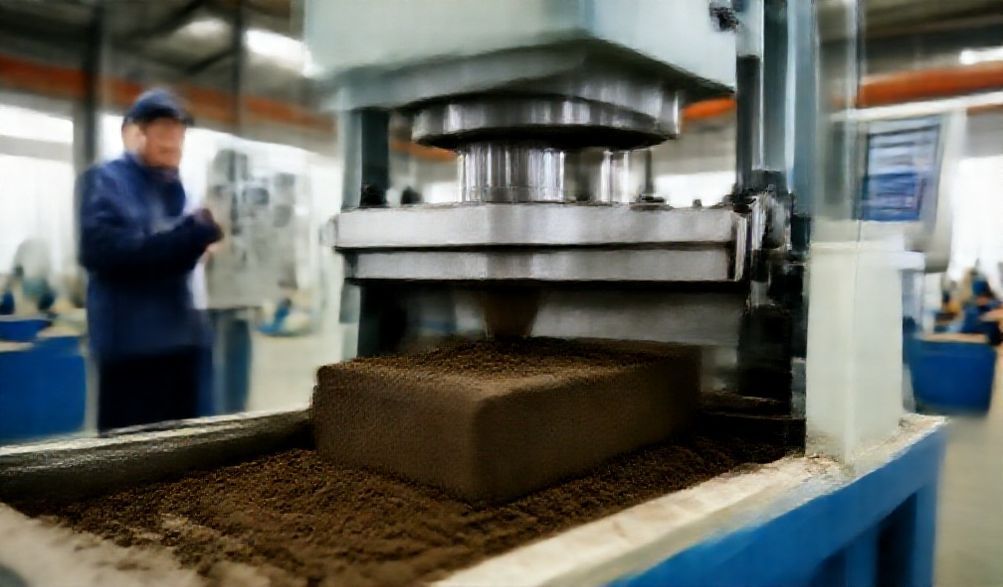
Die Ultieme Gids vir die Kies van 'n China Modderbaksteenvervaardigingsmasjienvervaardiger
Inleiding
Die globale konstruksielandskap is besig om te verander. Met 'n toenemende vraag na volhoubare, bekostigbare en plaaslik-verkrygde boumateriale, beleef saamgeperste grondblokke (CEB's)—dikwels moderne modderstene genoem—'n herlewing. Hierdie duursame, termies doeltreffende en omgewingsvriendelike stene bied 'n oortuigende alternatief vir gebakde klei- of betonblokke. Vir bouers, ontwikkelaars en sosiale entrepreneurs bied dit 'n beduidende geleentheid. Die hoeksteen van enige suksesvolle CEB-projek is egter nie net die grond nie; dit is die masjien wat dit omskep.
Die kritieke uitdaging lê in die verkryging van 'n moddersteenmasjien wat betroubaar, doeltreffend is en 'n ware opbrengs op belegging bied. Om die wêreldwye mark van masjienverskaffers te navigeer, kan ontmoedigend wees, gevul met tegniese jargon, wisselende gehalte standaarde en logistieke kompleksiteite.
Betreef China, die wêreld se onbetwiste vervaardigingsmag. Vir dekades was dit die globale middelpunt vir industriële masjinerie, en het dit ontwikkel tot 'n spilpunt wat skaal, tegnologiese innovasie en koste-effektiwiteit op 'n kundige wyse kombineer. Om jou moddersteenpers uit China te bekom, gaan nie net oor die vind van 'n masjien nie; dit gaan oor toegang tot 'n uitgestrekte ekosisteem van ingenieursvaardigheid wat aan hierdie spesifieke ambag toegewyd is.
Hierdie gids is gebaseer op bedryfsanalise, tegniese begrip en praktiese verkrygingswysheid. Ons doel is om die proses te ontraaisel en jou toe te rus met die kennis om 'n ingeligte, selfversekerde besluit te neem. Ons sal die oortuigende redes om uit China te verkry, ondersoek, die ononderhandelbare kenmerke van 'n gehalte masjien in detail bespreek, 'n bloudruk verskaf om vervaardigers te keur, en jou deur die hele verkrygingsreis lei. Teen die einde sal jy toegerus wees om nie net 'n verskaffer te vind nie, maar 'n betroubare langtermynvennoot vir jou bou-onderneming.
Hoekom Moet Jy Jou Moddersteenmasjien uit China Bevoorraad?
Om te besluit waar om jou masjinerie te bekom, is jou eerste groot besluit. Vir moddersteenmaakmasjiene bied China 'n kombinasie van voordele wat moeilik elders ewenaar kan word.
Ongeëwenaarde Vervaardigingsskaal en Kennis
China se industriële verhaal is een van spesialisering en diepte.
* Dekades van Fondasie:Die land se fokus op swaar masjinerie en vervaardigingsinfrastruktuur strek oor generasies heen, wat 'n diep talentpoel van ingenieurs, sweisers en tegnici skep.
* Industriële Ekosisteme:Vervaardigers is dikwels in spesifieke streke saamgegroepeer (bv. Shandong, Henan, Fujian), wat intense mededinging, vinnige innovasie en hoogs gespesialiseerde voorsieningskettings vir komponente soos hidrouliese silinders en beheerstelsels bevorder. Hierdie ekosisteem beteken dat jou masjienbouer direkte toegang tot die beste onderdele het.
Mededingende Prysbepaling en Koste-doeltreffendheid
Hierdie skaal vertaal direk na waarde vir jou.
* Skaalvoordele:Die massiewe produkcievolume stel Chinese vervaardigers in staat om grondstowwe (soos hoëgraadstaal) teen laer koste te bekom en produksielyne vir doeltreffendheid te optimaliseer.
* Direkte WaardeJy werk dikwels direk met die fabriek saam, wat verskeie middelmanne uitskakel. Dit lei tot 'n meer mededingende prys vir 'n masjien met soortgelyke of beter spesifikasies in vergelyking met ander streke, wat jou projek se begroting maksimeer.
Tegnologiese Vooruitgang en Innovasie
Verby is die dae van suiwer basiese nabootsings. Die Chinese masjinerie-sektor is vooruitskouend.
* Aanneming en Verbetering:Chinese ingenieurs het nie net globale tegnologieë aangeneem nie, maar het dit aktief verfyn. Jy sal gevorderde PLC-beheerstelsels, energie-doeltreffende hidrouliese pompe en robuuste outomatisering in moderne masjiene geïntegreer vind.
* Veelsydige Portefeulje:Of jy nou 'n eenvoudige handpers benodig vir 'n gemeenskapsprojek, 'n semi-outomatiese werkperd vir 'n klein onderneming, of 'n ten volle outomatiese produksielyn met robot-hantering, Chinese vervaardigers bied die volle spektrum. Die innovasie strek selfs tot mobiele eenhede wat direk na 'n konstruksieterrein gesleep kan word.
Kernkenmerke om na te soek in 'n Modderstene Maakmasjien
Buite die land van oorsprong moet die masjien self aan jou spesifieke behoeftes voldoen. Hier is die kritieke spesifikasies en bougehalte om te ondersoek.
Kern Masjien Spesifikasies
Hierdie parameters definieer die masjien se basiese vermoë.
* Produksiekapasiteit:Gemeet in stene per uur (bv., 300-500 stuks/h vir 'n standaard semi-outomatiese masjien). Belyn dit met jou projek se vraag, met ruimte vir groei.
* Baksteen Grootte & Digtheid:Maak seker dat die masjien die blokgrootte wat jy benodig kan vervaardig (algemene CEB-groottes is 290x140x90mm of 300x150x100mm). Digtheid, wat deur druk beïnvloed word, bepaal die finale sterkte.
* Kragbron:Opsies sluit in elektries (skoon, vir vaste terreine), diesel (kragtig, vir afgeleë gebiede), of hibriede modelle. Jou plaaslike kragbeskikbaarheid en brandstofkoste is sleutelbesluitfaktore.
* Druk Krag:Dit is die hart van die masjien. Gemeet in ton (bv., 20-ton, 40-ton), hoër druk skep digter, sterker stene geskik vir draende mure. Moenie hier inboet nie.
Bougehalte en Duurzaamheid Komponente
Spesifikasies op papier beteken min sonder gehalte konstruksie.
* Raam- en Vormstaal:Die hoofraam moet van dik, versterkte staalplaat gemaak word. Vorms moet presisiebewerk word uit hoëkoolstof- of legeringstaal vir lang lewe en konsekwente baksteenafmetings.
* Hidrouliese en Elektriese Stelsels:Die hidrouliese pomp, kleppe en silinders is die masjien se spiere. Handelsmerke soos Rexroth of Yuken dui op kwaliteit. Elektriese panele moet betroubare komponente gebruik (bv. Siemens, Schneider) vir betroubaarheid.
* Korrosiebeskerming:Soek na sandstraal- en hoëgehalte-verfafwerkings. Vir kus- of vogtige omgewings, vra oor spesiale anti-korrosiebehandelings.
Operasionele Doeltreffendheid en Gebruiksgemak
'n Masjien moet produktief en hanteerbaar wees oor die lang termyn.
* Outomatiseringsvlak:Half-automatiese masjiene (handvoeding, outomatiese kompressie/uitwerping) bied 'n goeie balans tussen uitset en koste. Volle outomatisering sluit outomatiese grondvoeding en baksteenstapeling in.
* Instandhoudingstoegang: Design should allow easy access to the hydraulic system and wear parts for routine maintenance. Ask about the availability and cost of common spare parts (seals, wear plates).
* Safety Features: Emergency stop buttons, protective guards on moving parts, and pressure relief valves are non-negotiable for operator safety.
How to Identify a Reputable Chinese Manufacturer
With hundreds of suppliers online, separating the credible partners from the rest is crucial. This is where the principles of Ervaring, Kundigheid, Gesaghebbendheid en Betrouwbaarheid (E-E-A-T) become your guiding framework.
Verifying Experience and Expertise (The “E” in E-E-A-T)
A manufacturer’s history is a strong predictor of future performance.
* Rekord: Seek companies with a minimum of 5-10 years of focused experience in brick making machinery. This suggests stability and accumulated know-how.
* Portfolio Analysis: Examine their project gallery and client list. A diverse geographic footprint (projects in Africa, Southeast Asia, South America) demonstrates adaptability to different soils and climates.
* Technical Dialogue: Gauge the expertise of their sales engineers. Can they knowledgeably discuss soil stabilization, optimal moisture content, or pressure settings? Their ability to answer technical questions is a vital sign.
Establishing Authoritativeness and Trustworthiness
Credentials and transparent practices build confidence.
* Internasionale Sertifisering: Look for valid ISO 9001 (Quality Management) certification. For export to many markets, CE-merking (for machinery sold in Europe) indicates compliance with essential health and safety requirements.
* Genuine Proof: Request detailed case studies with contactable client references. Be wary of generic, stock-photo testimonials.
* After-Sales Policy: A trustworthy supplier will have a clear, written warranty (typically 12 months for parts), detailed manuals, and offer remote support via video call.
* The Crucial Step: Always request a live video demonstration of the exact machine model you’re considering, operating in their factory. This verifies the machine’s existence and function. For large orders, consider a third-party factory audit.
Red Flags to Avoid
- Too-Good-To-Be-True Pricing: An offer significantly lower than the market average usually signals inferior materials or hidden costs.
- Vague Communication: Inability to provide detailed technical drawings, a clear contract, or direct answers to specific questions.
- No Warranty or Sparse Terms: Ambiguity around what the warranty covers and for how long is a major risk.
- Reluctance to Share Information: Hesitance to provide client references, a real factory address, or a live video call should end the conversation.
The Procurement Process: From Inquiry to Delivery
A structured process minimizes risk and ensures clarity for both parties.
Initial Contact and Detailed Quotation
Your first communication sets the tone.
* Prepare a Comprehensive RFQ: Don’t just ask for a price. Provide:
* Desired brick size, shape, and target compressive strength.
* Estimated daily production requirement.
* Your local soil type (sending a sample later may be needed).
* Available power supply (voltage, phase).
* Preferred level of automation.
Negotiation, Contracts, and Payment Terms
Clarity here prevents disputes later.
* Payment Structure: A common and balanced term is 30% deposit, 70% balance before shipment via T/T (Bank Transfer). For larger orders, negotiate a milestone payment linked to production completion.
* The Contract is Key: The proforma invoice (PI) or sales contract must detail all agreed-upon specifications, warranty terms, delivery time, and Incoterms (e.g., FOB Shanghai – you manage shipping from the port; CIF Durban – they include cost and freight to your port).
Production, Inspection, and Shipping
Stay engaged during this phase.
* Production Updates: Request weekly photo or video updates of the machine’s assembly. This keeps the project on track.
* Pre-Shipment Inspection: For significant investments, hire a third-party inspection company (like SGS, BV, or Intertek) to check the machine at the factory against the agreed specifications before it’s crated.
* Logistics: Your freight forwarder (or the supplier’s agent) will handle sea freight, documentation, and customs clearance at your destination port. Ensure you understand all duties and taxes applicable in your country.
Maximizing Your Investment: Installation and Beyond
Your relationship with the supplier shouldn’t end at delivery.
Installation, Commissioning, and Training
Proper setup is critical for optimal performance.
* On-Site Technician: Budget for or negotiate having a factory technician travel to your site for installation, commissioning, and training. This is invaluable.
* Omvattende Opleiding: Ensure they train your operators not just on how to run the machine, but on routine maintenance, troubleshooting common issues, and safety protocols.
Spare Parts Strategy and Long-Term Maintenance
Proactivity ensures minimal downtime.
* Initial Spare Parts Kit: Purchase a recommended set of critical spare parts (seal kits, hydraulic hoses, wear plates) with your machine. Waiting for international shipping during a breakdown is costly.
* Maintenance Schedule: Follow the manufacturer’s prescribed schedule for checking hydraulic oil, tightening bolts, and cleaning sensors.
Building a Relationship with Your Supplier
Treat your reliable manufacturer as a partner. Open communication about your production results, challenges, and future plans can lead to better support, advice, and favorable terms for future equipment needs.
FAQ Section
Q1: What is the average price range for a mud brick machine from China?
A: Prices vary dramatically based on automation and capacity. A manual press may start around $3,000 – $7,000, a robust semi-automatic machine $15,000 – $30,000, and a fully automatic production line can range from $50,000 to over $150,000. Always obtain a detailed quote based on your specific requirements.
Q2: Can Chinese machines work with the specific soil composition in my country?
A: Absolutely. A reputable manufacturer will ask for your soil sample (approx. 10kg) to conduct lab tests. They can then advise on the optimal soil-sand-cement/lime mix and may adjust the machine’s pressure or mold design to ensure you produce high-quality bricks. This service is a key indicator of expertise.
Q3: How long does it typically take from order to delivery?
A: Generally, allow 30 to 45 days for production after the deposit is received. Sea freight shipping then takes 30 to 60 days, depending on your destination port. The entire process from order to your site typically takes 3 to 4 months.
Q4: What is the standard warranty for these machines?
A: A 12-month warranty on parts (excluding wear-and-tear items) is standard. Ensure the warranty document explicitly states what is covered, such as the hydraulic system, mainframe, and electrical components. Warranty on the hydraulic pump itself may have a separate, shorter term from its manufacturer.
Q5: Do manufacturers provide English manuals and remote support?
A: Yes, established exporters targeting international markets should provide clear English operation and maintenance manuals, electrical diagrams, and parts lists. Remote support via WhatsApp, Zoom, or TeamViewer is now a standard and essential service for troubleshooting.
Conclusion
Sourcing a mud bricks making machine from China is a strategic decision that leverages global manufacturing excellence for local, sustainable construction. The journey requires a focus on three pillars: understanding the essential machine features that guarantee quality bricks, conducting meticulous due diligence to find a manufacturer with proven Experience and Trustworthiness, and managing the procurement process with clear communication and verification.
The right Chinese manufacturer is more than a vendor; they become a technical partner in your venture’s success. Their support can be the difference between a machine that sits idle and one that becomes the productive heart of your project.
Start your journey with confidence. Begin by preparing your detailed project specification sheet. Then, initiate conversations with manufacturers who can immediately demonstrate the technical depth and transparent practices outlined in this guide. Ask the hard questions, request the live demonstrations, and trust the process. Your ideal partner is ready to help you build a more sustainable future, one brick at a time.
<