
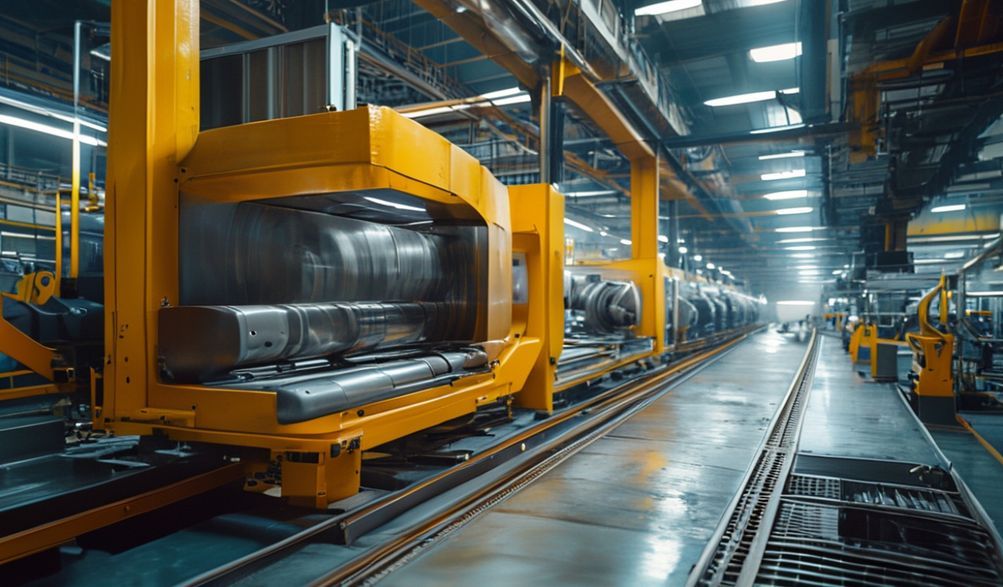
دليلك إلى مصنع آلات صناعة الطوب المجوف الرائد في الصين: داخل مصنع فودا لصناعة الطوب
مقدمة
يقوم المشهد الإنشائي العالمي على أساس من الكفاءة والمتانة وفعالية التكلفة. وفي صميم هذه الصناعة، يتربع الطوب الخرساني المجوف المتواضع لكنه الثوري - مادة حولت الجدران من كتل صلبة وثقيلة إلى مكونات خفيفة الوزن وعازلة ومتينة هيكلياً. إن تلبية الطلب المتصاعد على هذه البلوكات يتطلب أكثر من مجرد عمالة يدوية؛ فهو يحتاج إلى آلات مصممة بدقة هندسية قادرة على الإنتاج على نطاق واسع مع اتساق لا يتزعزع. بالنسبة لرواد الأعمال وشركات البناء والمستثمرين حول العالم، فإن البحث عن هذه الآلات غالباً ما يقود إلى سوق مهيمن واحد: الصين.
يقدم هذا المقال دليلاً موثوقًا للتنقل في ذلك السوق. سنتجاوز القوائم السطحية والعروض البيعية العامة لنقدم فحصًا مفصلاً وجديرًا بالثقة لأحد اللاعبين الرئيسيين:مصنع فودا لصناعة الطوبهدفنا ليس تقديم تأييد بسيط، بل تزويدك بإطار عمل احترافي للتقييم. سنقوم بتفكيك التكنولوجيا الأساسية، ونحدد معايير اختيار المصنع الحاسمة، ونطبق ذلك الإطار في تحليل محايد لشركة فودا. تستند الرؤى هنا إلى فهم مبادئ التصنيع، والمعايير الصناعية، والواقع العملي للشراء الدولي. نشجعك على استخدام هذه المعلومات كحجر أساس للفحص الدقيق الخاص بك.
ما هي آلة صنع البلوك المجوف؟ شرح التكنولوجيا الأساسية
لتقدير ما تقدمه مصنع مثل فودا، يجب أولاً فهم الآلية التي تقع في صميم عمله. آلة صنع البلوك المجوف هي قطعة متطورة من المعدات الصناعية المصممة لأتمتة إنتاج البلوك الخرساني ذي التجاويف المجوفة.
دور البلوكات المجوفة في البناء الحديث
لماذا أصبحت البلوكات المجوفة معيارًا عالميًا؟ مزاياها متعددة الجوانب:
* خفيف الوزن:يقلل الوزن المنخفض من الحمولة الميتة على هيكل المبنى، مما يتيح استخدام أساسات أخف وتكاليف نقل أقل.
* العزل الحراري والصوتي:تخلق الجيوب الهوائية داخل الكتل حواجز طبيعية ضد الحرارة والصوت.
* الكفاءة المادية:استخدام كمية أقل من الخرسانة لتغطية نفس المساحة يؤدي إلى توفير كبير في المواد.
* فعالية التكلفة:مزيج الاستخدام الأقل للمواد، والتشغيل الأسهل، وأوقات البناء الأسرع يخفض تكاليف المشروع الإجمالية.
كيف تعمل آلة صناعة الطوب الأوتوماتيكية
تختلف التصاميم، لكن العملية الأساسية للآلة الأوتوماتيكية تتبع هذه المراحل:
1. خلط:يتم خلط المواد الخام (الأسمنت، الرمل، الركام، رماد الفحم، الماء) بدقة في الخلاط.
2. التغذية:يتم نقل الخرسانة المخلوطة إلى قادوس الآلة.
3. صبيتم تغذية الخرسانة في صندوق القالب. يجمع بين الاهتزاز عالي التردد والضغط الهيدروليكي لضغط المادة، مما يطرد جيوب الهواء ويضمن إنتاج كتلة كثيفة وقوية.
4. إزالة القوالب والمعالجة:يتم إخراج الكتلة المُشكَّلة حديثًا على منصة نقالة أو حزام ناقل، ثم تدخل إلى غرفة معالجة (غالبًا بالبخار منخفض الضغط) لاكتساب القوة الأولية قبل التخزين والمعالجة النهائية بالهواء.
المكونات الرئيسية التي تحدد جودة الآلة تشملعفن(دقة وصلابة الفولاذ)،النظام الهيدروليكي(الموثوقية والضغط)، اللوحة التحكم (automation level and user interface), and the conveyor/pallet system.
أنواع الآلات: من المصانع شبه الآلية إلى المصانع الأوتوماتيكية بالكامل
- شبه آلي Require more manual intervention for feeding and block removal. Lower initial investment, suitable for small-scale startups or specific, low-volume products.
- أوتوماتيكي بالكامل: Integrated systems with automated material handling, pressing, and stacking. High output with minimal labor, ideal for medium to large-scale commercial production.
- آلات تصنيع الكتل المتنقلة: Smaller, often manual or semi-automatic machines that can be moved around a site. Output is low, but flexibility is high.
Key Factors When Choosing a China-Based Machinery Factory
Selecting a supplier is about more than just the price on a quote. It’s about partnering with a manufacturer that can ensure your long-term productivity. Here are the non-negotiable factors to evaluate.
الخبرة التصنيعية والقدرة التقنية
A factory’s true value lies in its engineering depth. Look for:
* A dedicated R&D team that iterates on designs.
* In-house mold manufacturing capability, which allows for customization and faster mold replacements.
* The ability to customize machine parameters (pressure, vibration) for your specific local raw materials.
Quality Control Processes and Material Standards
The durability of your machine hinges on the quality of its parts and assembly. Scrutinize:
* Steel Grade: The frame and mold should use high-grade, wear-resistant steel.
* المكونات الأساسية: Reputable brands for hydraulic pumps, valves, and PLC (Programmable Logic Controller) systems (e.g., Siemens, Schneider, Yuken) are a strong indicator of reliability.
* Assembly Precision: Welding should be clean and uniform; parts should align perfectly with minimal play.
Production Capacity and Supply Chain Stability
A factory’s scale impacts your project timeline.
* Can they handle your order volume without causing massive delays?
* Do they have stable relationships with component suppliers to avoid production halts?
* A well-established factory will have a smoother, more predictable production flow.
After-Sales Service: Installation, Training, and Technical Support
This is where many buyers face challenges. Essential service elements include:
* Clear, English-language documentation (manuals, electrical diagrams).
* Remote Support: Availability via WhatsApp, email, or video call for troubleshooting.
* سياسة قطع الغيار: A clear catalog and commitment to supplying wear-and-tear parts for years.
* Warranty Terms: Typically 12 months for core components, clearly stated in the contract.
Spotlight on FUDA Brick Making Factory: A Detailed Analysis
Let’s apply the framework above to a specific manufacturer commonly encountered by global buyers: the FUDA brick making factory. (Note: This analysis is based on typical profiles and industry positioning of such manufacturers for educational purposes.)
Company Overview and Market Position
FUDA is typically presented as an established manufacturer located within China’s major industrial machinery hubs, such as Shandong, Fujian, or Guangdong provinces. Such factories often have over a decade of operation and have built a reputation focused on the export market, particularly targeting Southeast Asia, Africa, the Middle East, and South America. They position themselves as offering a balance between robust performance and competitive pricing.
Product Range and Technical Specifications
A factory like FUDA would typically offer a range to cater to different market segments:
* Flagship Models: Fully automatic stationary machines with outputs ranging from 5,000 to 20,000+ blocks per 8-hour shift.
* Key Specs: Machines are often compatible with various raw material mixes, including cement, sand, crushed stone, and industrial waste like fly ash. They feature hydraulic systems with pressures from 21 MPa upwards and programmable PLC control panels.
* التخصيص: They usually offer a variety of standard mold sizes (e.g., 4″, 5″, 6″ hollow blocks) and the service to produce custom molds for unique block designs.
Strengths and Notable Features
Based on general industry profiles, their commonly promoted strengths include:
* بناء قوي: Emphasis on heavy-duty frames and durable components for long service life in demanding environments.
* كفاءة الطاقة: Designs that aim to reduce power consumption during the vibration and pressing cycles.
* التشغيل سهل الاستخدام: Control systems designed to be operable with moderate technical training.
Considerations for International Buyers
- Communication: Ensure there is a dedicated, technically proficient English-speaking contact.
- Incoterms: Negotiate clearly. FOB (التسليم على ظهر السفينة) is common, meaning you own the goods and are responsible for cost and risk once they’re loaded on the ship. التكلفة والتأمين والشحن (CIF) simplifies the process but gives you less control over shipping.
- Factory Inspection: A virtual live video tour is a minimum requirement. It verifies the factory’s existence, scale, and ongoing production activity.
The Procurement Process: From Inquiry to Delivery
Navigating the purchase process methodically is key to a successful outcome.
Step 1: Initial Inquiry and Technical Clarification
Provide a detailed project specification:
* Desired block type, size, and compressive strength.
* Target daily/weekly output.
* Details of your local raw materials (provide samples if possible).
* Available power supply (voltage, phase).
* Factory floor space and ceiling height.
Step 2: Quotation Analysis and Negotiation
Compare quotes line-by-line:
* Does the price include all components (e.g., mold, pallets, conveyor, control panel)?
* What services are included (installation guidance, training)?
* Clarify payment termsوwarranty details upfront.
Step 3: Factory Audit and Machine Inspection (Virtual or On-Site)
Your inspection checklist should include:
* View the workshop floor and assembly lines.
* See a machine of your model type under power (running if possible).
* Inspect the quality of welding, painting, and component brands.
* Ask to see their quality control and testing procedures.
Step 4: Shipping, Customs, and Installation Planning
- The factory should provide professional packing for ocean freight.
- They must supply all necessary export documents (Commercial Invoice, Packing List, Bill of Lading, Certificate of Origin).
- Plan for installation early. Identify a local technician or engineer who can oversee assembly, using the factory’s remote support.
Ensuring Value and Avoiding Common Pitfalls
A transparent approach helps mitigate the inherent risks of international trade.
Red Flags in Machinery Sourcing from China
- Unrealistically low prices compared to the market average.
- Vague or incomplete contracts that lack detailed specs and warranty terms.
- Pressure to make 100% payment upfront before production.
- Reluctance to provide a live video call from the factory floor.
- No technical documentation or only very basic manuals.
The Importance of a Prototype or Sample Batch
If your order is large enough, consider:
* Requesting a sample production run of your specific block design before full machine shipment.
* Having the factory send you block samples made from their machine using a simulative mix. Test these samples for strength and dimensions in your local lab.
Building a Successful Long-Term Partnership
View your supplier as a partner. Clear, respectful communication and a professional business relationship will pay dividends when you need technical support or wish to expand your production line in the future.
الأسئلة الشائعة (FAQ)
Q1: What is the typical price range for a FUDA hollow block making machine?
أ: There is no single “typical price.” Cost varies drastically based on automation level (semi vs. fully automatic), configuration (with or without mixer, conveyor, stacker), and output capacity. A basic semi-automatic machine may start around $15,000, while a large, fully automatic production line can exceed $100,000. Always request a detailed quote based on your specific technical requirements.
Q2: Does FUDA factory provide installation guidance overseas?
أ: Reputable manufacturers typically provide comprehensive installation manuals (with diagrams and photos), video guides, and ongoing remote support via video call. For an additional fee, most factories will also send their engineers to your site for installation and training. This service and its cost should be explicitly detailed in your purchase contract.
Q3: How do I verify the credibility of a factory like FUDA?
أ: Use this checklist:
1. Request their official business license.
2. Visit their owned official website (not just an Alibaba storefront).
3. Ask for 2-3 customer references in a region similar to yours and contact them.
4. Insist on a live, unscripted video tour of their production facility and a running machine.
5. Check for industry certifications or participation in international trade fairs.
Q4: What are the payment terms usually expected?
أ: A common and balanced structure is 30% T/T deposit to start production, 40% T/T payment before shipment after seeing photos/video of the finished machine, and 30% balance against a copy of the Bill of Lading. For larger orders, using a Letter of Credit (L/C) provides security for both buyer and seller.
Q5: Can the machine produce different block sizes and styles?
أ: Yes, this is a standard feature. Machines use interchangeable mold boxes. You can order multiple molds for different block types (hollow, solid, paving, interlocking). Discuss the cost and production lead time for additional molds during your initial inquiry.
خاتمة
Choosing the right hollow block making machine factory is a strategic decision that balances technical expertise, proven quality, reliable after-sales support, and transparent communication. As we’ve explored, a manufacturer like FUDA represents one of many options in China’s vast industrial landscape, each with its own profile and strengths.
The most critical step you can take is to apply a structured evaluation framework—exactly like the one outlined here—to every potential supplier. Let technical specifications, verifiable factory audits, and clear contractual terms guide your decision, not just the bottom-line price. Arm yourself with detailed project specs, reach out to multiple factories for comparison, and prioritize scheduling that crucial virtual or on-site factory inspection. Your due diligence today is the foundation of your production success tomorrow.
<