
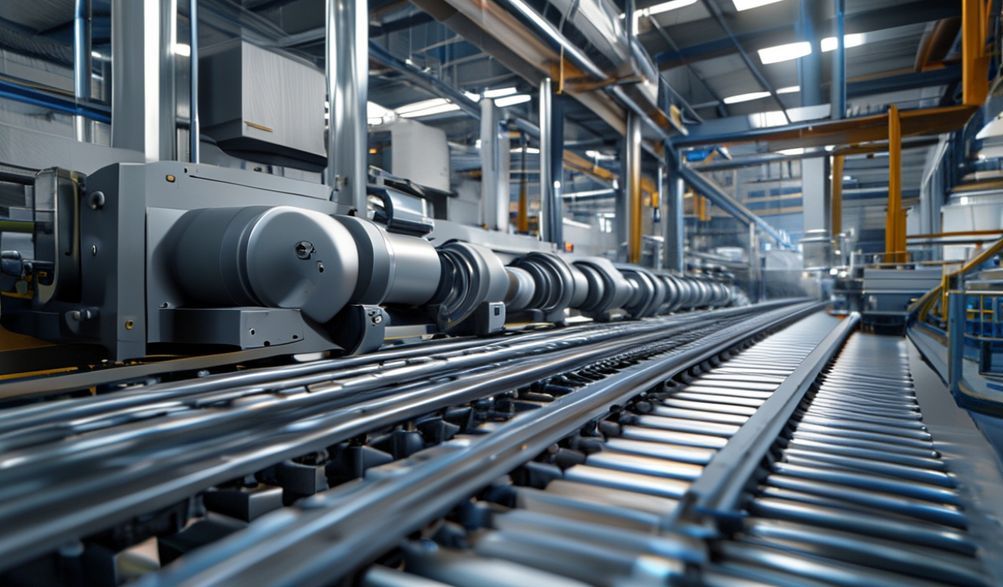
ফ্লাই অ্যাশ ইট মেশিনের চূড়ান্ত নির্দেশিকা এবং একটি ফুডা ব্লক তৈরির কারখানার সাথে অংশীদারিত্ব
ভূমিকা
বিশ্বব্যাপী নির্মাণ শিল্প একটি সবুজ বিপ্লবের মধ্য দিয়ে যাচ্ছে। আপনি কি জানেন যে পরিবেশবান্ধব নির্মাণ সামগ্রীর বাজার ২০৩০ সালের মধ্যে ১ ট্রিলিয়ন ডলার ছাড়িয়ে যাওয়ার সম্ভাবনা রয়েছে? এই পরিবর্তনের অগ্রভাগে রয়েছে ফ্লাই অ্যাশ ইট, যা একটি টেকসই বিকল্প হিসেবে শক্তি-নিবিড় ক্লে ইটকে দ্রুত প্রতিস্থাপন করছে। তবে, এই আধুনিক সমাধানে রূপান্তর একটি গুরুত্বপূর্ণ চ্যালেঞ্জ উপস্থাপন করে: নির্ভরযোগ্য, উচ্চ-কার্যক্ষম যন্ত্রপাতি উৎসের সন্ধান, যা কাঁচা শিল্প-উপজাতকে সামঞ্জস্যপূর্ণ ও লাভজনক বিল্ডিং ব্লকে পরিণত করতে পারে।
ঐতিহ্যবাহী ইটের ভাটাগুলো তাদের বিপুল কার্বন নিঃসরণ, উপরিভাগের মাটির ক্ষয় এবং অস্থির উৎপাদনের জন্য ক্রমবর্ধমানভাবে সমালোচনার মুখোমুখি হচ্ছে। উদ্যোক্তা এবং নির্মাণ প্রতিষ্ঠানগুলোর জন্য, এটি একটি দ্বৈত সংকট তৈরি করেছে: টেকসই অনুশীলন গ্রহণের প্রয়োজনীয়তা এবং স্বয়ংক্রিয় উৎপাদন প্রযুক্তিতে বিনিয়োগের জটিলতা। এর সমাধান নিহিত রয়েছে একটি শক্তিশালী সমন্বয়ে—উন্নত ফ্লাই অ্যাশ ইট তৈরির মেশিন এবং একজন বিশেষজ্ঞ প্রস্তুতকারকের সাথে অংশীদারিত্ব।
এই গাইডটি পরিচয় করিয়ে দেয়ফুডা ব্লক তৈরির কারখানাএই যাত্রায় একজন প্রধান অংশীদার হিসেবে। আমরা ফ্লাই অ্যাশ ইট প্রযুক্তির একটি নির্ভরযোগ্য, ধাপে ধাপে বিবরণ প্রদান করব, এর অত্যন্ত উপকারিতা থেকে শুরু করে মেশিন নির্বাচন এবং প্ল্যান্ট স্থাপনের জটিল বিবরণ পর্যন্ত। আমাদের লক্ষ্য হল আপনাকে এমন জ্ঞান দিয়ে সক্ষম করা যা প্রয়োজন একটি আত্মবিশ্বাসী, সুসচিন্তিত বিনিয়োগের জন্য, যা নির্মাণ করে কাঠামো এবং একটি টেকসই ভবিষ্যৎ উভয়ই।
শিল্প বিশ্লেষকদের দ্বারা সংকলিত অন্তর্দৃষ্টি, যাদের নির্মাণ যন্ত্রপাতি এবং টেকসই উৎপাদনে এক দশকেরও বেশি অভিজ্ঞতা রয়েছে।
কেন ফ্লাই অ্যাশ ইট? আধুনিক নির্মাণের জন্য টেকসই ও স্মার্ট পছন্দ
শতাব্দী প্রাচীন চর্চা থেকে সরে আসতে হলে প্রয়োজন জোরালো যুক্তি। ফ্লাই অ্যাশ ইট একটি জয়-জয় পরিস্থিতি উপহার দেয়, যা পরিবেশগত দায়িত্বশীলতার পাশাপাশি উৎকর্ষ প্রযুক্তিগত কর্মক্ষমতা নিশ্চিত করে।
পরিবেশগত সুবিধা: একটি সবুজ ভবিষ্যৎ গড়ে তোলা
ফ্লাই অ্যাশ ইটের পরিবেশগত যুক্তি শক্তিশালী এবং বেশ কয়েকটি গুরুত্বপূর্ণ সমস্যার সমাধান করে:
- বর্জ্য ব্যবহার:ফ্লাই অ্যাশ হল একটি সূক্ষ্ম গুঁড়া, যা কয়লা চালিত বিদ্যুৎ কেন্দ্রের একটি উপজাত। এটি ইটে ব্যবহার করে ল্যান্ডফিল ও অ্যাশ পন্ড থেকে লক্ষ লক্ষ টন উপাদান সরানো যায়, যা একটি উল্লেখযোগ্য শিল্প বর্জ্য সমস্যার সমাধান করে।
- কার্বন পদচিহ্ন হ্রাস:কাদার ইটের মতো নয়, যেগুলো কয়েক দিন ধরে ১০০০°C-এরও বেশি তাপমাত্রায় ভাটায় পোড়াতে হয়, ফ্লাই অ্যাশ ইট পরিবেষ্টিত তাপমাত্রায় বা বাষ্পের সাহায্যে নিরাময় করা হয়। এই প্রক্রিয়ায় বিপুল জীবাশ্ম জ্বালানির ব্যবহার এবং এর সংশ্লিষ্ট CO2 নিঃসরণ দূর হয়।
- সম্পদ সংরক্ষণ:কাদামাটির ইট তৈরি করলে উর্বর মাটি নষ্ট হয়ে যায়। ফ্লাই অ্যাশ ইটে কোনো কাদামাটির প্রয়োজন হয় না, যা কৃষিজমি সংরক্ষণ করে এবং উর্বর মাটির ক্ষয় রোধ করে।
উচ্চতর প্রযুক্তিগত ও অর্থনৈতিক সুবিধা
সবুজ হওয়ার পাশাপাশি, এই ইটগুলি আরও ভালোভাবে কাজ করার জন্য নকশা করা হয়েছে।
- উচ্চতর শক্তি ও স্থায়িত্ব:উচ্চ জলচাপে উৎপাদিত হওয়ায়, ফ্লাই অ্যাশ ইটগুলি উৎকৃষ্ট সংকোচন শক্তি অর্জন করে (প্রায়শই ৭০-১৫০ কেজি/বর্গসেমি), যা এগুলিকে বহুতল, ভারবহন কাঠামোর জন্য উপযুক্ত করে তোলে।
- মাত্রিক নির্ভুলতা:মেশিনে তৈরি ইটের আকার ও আকৃতি অভিন্ন। এর ফলে মর্টার কম লাগে (৩০% পর্যন্ত সাশ্রয় হয়), প্লাস্টার মসৃণ হয় এবং নির্মাণ কাজ দ্রুত সম্পন্ন হয়।
- তাপ নিরোধক:ফ্লাই অ্যাশের সূক্ষ্ম কণাগুলি কম তাপ পরিবাহিতা সহ একটি ঘন মাইক্রোস্ট্রাকচার তৈরি করে। এর ফলে ভবনগুলি গ্রীষ্মে শীতল এবং শীতকালে উষ্ণ থাকে, যা HVAC শক্তি খরচ হ্রাস করে।
- Long-Term Cost-Effectiveness: While the initial machine investment is a factor, savings accrue from cheaper raw materials (fly ash is often low-cost or free), lower labor costs due to automation, and reduced energy bills during production.
Understanding Fly Ash Bricks Machines: Types, Components, and Automation
The quality of your brick is directly tied to the machine that produces it. Understanding the technology is key to selecting the right equipment for your scale and goals.
কোর মেশিনের প্রকার: ম্যানুয়াল থেকে সম্পূর্ণ স্বয়ংক্রিয়
- Manual Fly Ash Brick Machines: These are entry-level, lever-operated machines ideal for micro-enterprises or community projects. They have low output (500-1000 bricks/day) and require significant manual labor for mixing, feeding, and brick removal.
- সেমি-অটোমেটিক মেশিন: This mid-range option introduces hydraulic power for compression and often includes a mechanical feeder. Output increases significantly (2,000-6,000 bricks/day) with better consistency, while still requiring manual pallet handling.
- Fully Automatic Fly Ash Brick Making Plants:এখানেইফুডা ব্লক তৈরির কারখানা excels. These are integrated production lines with automatic material batching, mixing, conveying, pressing, and stacking. They offer the highest output (8,000-30,000+ bricks/day), exceptional consistency, and minimal manual intervention, making them ideal for serious commercial ventures.
একটি নির্ভরযোগ্য ব্লক তৈরির মেশিনের মূল উপাদান
A machine is only as good as its parts. Look for these critical components:
- হাইড্রোলিক সিস্টেম: The heart of the machine. A robust, oil-cooled system with branded pumps and valves ensures consistent high pressure for dense, strong bricks and long-term reliability.
- Moulds and Dies: Made from high-grade, hardened steel to withstand constant abrasion. A reputable factory like FUDA will offer customizable moulds for producing solid blocks, hollow blocks, pavers, and interlocking bricks.
- Control Panel (PLC/Siemens): The brain of an automatic system. A Programmable Logic Controller (PLC), preferably from a brand like Siemens or Allen-Bradley, allows for precise control over pressure, cycle time, and sequences, ensuring repeatable quality.
- Conveyor Systems and Stackers: These automate the movement of raw material to the mixer and finished bricks to the curing area. They drastically reduce labor and physical strain while increasing overall line efficiency.
The Production Process: A Step-by-Step Breakdown
- Raw Material Proportioning: Fly ash (50-60%), sand/stone dust (30-40%), cement (8-12%), and water are accurately measured.
- মিশ্রণ: Materials are blended in a pan mixer or compulsory mixer to achieve a homogeneous, semi-dry consistency.
- সংকোচন এবং ছাঁচনির্মাণ The mix is fed into the machine’s chamber and subjected to intense hydraulic pressure (typically 150-200+ tons) within the mould.
- কিউরিং প্রক্রিয়া: Fresh bricks are stacked and cured. Natural curing takes 14-21 days. Steam curing in a chamber accelerates the process to 24 hours, freeing up space and speeding time-to-market.
Choosing the Right Partner: What to Look for in a FUDA Block Making Factory
Purchasing a brick making plant is a major capital investment. Your choice of manufacturer will impact your business for a decade or more. Here’s how to identify a true partner.
Hallmarks of a Reputable Machinery Manufacturer
- Proven Experience & Longevity: Look for a company with a verifiable track record of 10+ years. An established history indicates resilience and accumulated expertise.
- অভ্যন্তরীণ গবেষণা ও উন্নয়ন এবং প্রকৌশল: Avoid mere assemblers. A factory with its own engineering team can offer custom solutions, continuous improvements, and genuine innovation tailored to market needs.
- Quality of Materials and Build: Inspect the use of heavy-duty steel plates, welded frames, and branded components (hydraulics, PLCs, motors). The machine should feel substantial, not lightweight.
- মান অনুসরণ: Certifications like ISO (Quality Management) and CE (meeting EU health, safety, and environmental standards) are strong indicators of a systematic, quality-focused manufacturing process.
Beyond the Machine: The FUDA Factory’s Value-Added Services
The machine is just the beginning. A partner like FUDA provides critical services for your success:
- Comprehensive Technical Support: Guidance should start from plant layout planning and extend through installation and commissioning.
- Hands-On Operational Training: They should train your staff on machine operation, routine maintenance, and basic troubleshooting.
- Genuine Spare Parts & Service Network: Ensure ready availability of original spare parts and a responsive after-sales team for support, whether remote or on-site.
- Assistance with Plant Setup: Expert advice on shed design, foundation requirements, and curing yard organization can prevent costly mistakes.
Red Flags to Avoid When Selecting a Supplier
- Lack of Transparency: Unwillingness to disclose component brands, provide a detailed breakdown of the quotation, or show the actual factory floor.
- Ghost Factories: Companies with only a glossy website and no physical manufacturing facility you can visit or verify via video call.
- Weak Warranty and Service Terms: Vague warranties, no clear service level agreement (SLA), or promises that seem too good to be true.
Key Considerations Before Investing in Your Fly Ash Brick Plant
Success requires more than just a good machine. Thorough groundwork is essential.
Market and Feasibility Analysis
- Assess Local Demand: Research construction activity in your region. Engage with builders, contractors, and government housing projects to gauge demand for eco-friendly bricks.
- Secure Raw Material Supply: Establish a reliable, consistent source of good-quality fly ash (Class F or C) from a nearby thermal power plant. Test its properties for brick making.
Financial Planning and ROI
- Total Investment: Account for all costs: machine price, land, production shed, curing shed, raw material storage, electricity connection (often requiring a high-capacity transformer), and working capital.
- Profitability Calculation: Model your production cost per brick (raw materials, power, labor, depreciation) against the prevailing market sale price to understand your margins and break-even point.
- Government Subsidies: Many governments offer subsidies, tax breaks, or soft loans for eco-friendly manufacturing units. Investigate these schemes to improve your project’s financial viability.
Space, Power, and Manpower Requirements
- Land Area: A small automatic plant may require 5,000-10,000 sq. ft. for production, curing, and storage. Larger plants need significantly more.
- Power & Water: A standard automatic machine may require a 30-60 HP power connection and a consistent water source for mixing and curing.
- Manpower: A fully automatic plant might only need 4-6 skilled operators per shift for monitoring, maintenance, and handling, compared to dozens for manual production.
সচরাচর জিজ্ঞাসিত প্রশ্নাবলী (এফএকিউ)
Q1: What is the approximate cost of setting up a fly ash brick plant with a FUDA machine?
এ Costs vary significantly based on the level of automation and desired output capacity. A small semi-automatic setup might start around $25,000, while a high-capacity, fully automatic production line can range from $80,000 to $200,000 or more. The most accurate step is to share your production goals with FUDA’s technical team for a detailed, customized project report and quotation.
Q2: What is the daily production capacity of a standard automatic FUDA block making machine?
এ For a standard fully automatic model (like the FUDA-1080), the production capacity typically ranges from 8,000 to 12,000 bricks per 8-hour shift, depending on the block size and cycle time. Larger models are designed for capacities exceeding 20,000 bricks per shift.
Q3: How do I ensure the quality of fly ash for brick making?
এ Source fly ash directly from a reliable thermal power plant. Key quality parameters to check are Loss on Ignition (LOI) (should be below 5-6%), finenessএবংlime content. It is highly recommended to conduct small trial batches with your exact mix formula before full-scale production.
Q4: What kind of after-sales support can I expect from an established factory like FUDA?
এ You should expect a comprehensive package: installation supervision by an engineer, thorough training for your staff, a clear warranty on parts and workmanship (e.g., 1 year), access to remote troubleshooting via phone/video, and a protocol for dispatching service engineers if needed.
Q5: Are fly ash bricks as strong as traditional red bricks?
এ Yes, and often stronger. When produced correctly on quality machinery with the right mix design, fly ash bricks consistently achieve compressive strengths that meet or exceed those required for Class I (load-bearing) clay bricks, making them perfectly suitable for all major construction applications.
উপসংহার
The transition to fly ash brick manufacturing represents a strategic convergence of ecological responsibility and commercial opportunity. The advantages—from environmental conservation and superior material properties to long-term cost savings—are clear and compelling. However, the cornerstone of this venture is the machinery that brings it all to life.
Choosing robust, automated, and reliable equipment is not merely a purchase; it is the foundational investment in your plant’s productivity, product quality, and profitability. This decision underscores the critical importance of partnering with an authoritative, experienced, and trustworthy manufacturer. A ফুডা ব্লক তৈরির কারখানা embodies this partnership, offering not just a machine, but a pathway to sustainable business success backed by engineering expertise and enduring support.
Take the next step with confidence.
* Primary CTA: Request a Detailed Project Report and Customized Quote from FUDA’s Technical Team.
* Secondary CTA: Download our Free Checklist: 10 Essential Questions to Ask Your Block Machine Supplier.