
Panduan Utama Mesin Bata Fly Ash & Bermitra dengan Pabrik Pembuat Blok FUDA
Pengantar
Industri konstruksi global sedang mengalami revolusi hijau. Tahukah Anda bahwa pasar bahan bangunan ramah lingkungan diproyeksikan melampaui $1 triliun pada tahun 2030? Di garis depan pergeseran ini adalah bata fly ash, alternatif berkelanjutan yang dengan cepat menggantikan bata tanah liat yang boros energi. Namun, transisi ke solusi modern ini menghadirkan tantangan kritis: mencari mesin yang andal dan berkinerja tinggi yang dapat mengubah produk sampingan industri mentah menjadi balok bangunan yang konsisten dan menguntungkan.
Tungku bata tradisional semakin dikritik karena emisi karbonnya yang besar, pengurasan tanah lapisan atas, dan hasil produksi yang tidak konsisten. Bagi pengusaha dan perusahaan konstruksi, hal ini menciptakan dilema ganda: kebutuhan untuk menerapkan praktik berkelanjutan dan kompleksitas berinvestasi dalam teknologi produksi otomatis. Solusinya terletak pada kombinasi yang kuat—mesin pembuat bata fly ash canggih dan kemitraan dengan produsen ahli.
Panduan ini memperkenalkanPabrik pembuatan blok FUDAsebagai mitra utama dalam perjalanan ini. Kami akan memberikan gambaran otoritatif dan bertahap tentang teknologi bata fly ash, mulai dari manfaatnya yang tak terbantahkan hingga detail rumit pemilihan mesin dan penyiapan pabrik. Tujuan kami adalah membekali Anda dengan pengetahuan yang diperlukan untuk melakukan investasi yang percaya diri dan terinformasi, yang membangun baik struktur maupun masa depan berkelanjutan.
Wawasan yang disusun oleh analis industri dengan pengalaman lebih dari satu dekade di bidang mesin konstruksi dan manufaktur berkelanjutan.
Mengapa Bata Fly Ash? Pilihan Berkelanjutan dan Cerdas untuk Konstruksi Modern
Beralih dari praktik berabad-abad lamanya memerlukan alasan yang kuat. Bata fly ash menawarkan skenario saling menguntungkan, memberikan pengelolaan lingkungan bersama dengan kinerja teknis yang unggul.
Manfaat Lingkungan: Membangun Masa Depan yang Lebih Hijau
Kasus lingkungan untuk bata abu terbang sangat kuat dan mengatasi beberapa masalah kritis:
- Pemanfaatan Limbah:Abu terbang adalah bubuk halus, produk sampingan dari pembangkit listrik tenaga batu bara. Menggunakannya dalam batu bata mengalihkan jutaan ton material ini dari tempat pembuangan sampah dan kolam abu, menyelesaikan masalah limbah industri yang signifikan.
- Pengurangan Jejak Karbon:Berbeda dengan bata tanah liat yang memerlukan pembakaran dalam kiln pada suhu di atas 1000°C selama berhari-hari, bata fly ash diawetkan pada suhu ruang atau dengan uap. Proses ini menghilangkan konsumsi bahan bakar fosil yang besar dan emisi CO2 terkait.
- Konservasi Sumber Daya:Pembuatan batu bata tanah liat menghilangkan lapisan tanah subur. Batu bata abu terbang tidak memerlukan tanah liat, sehingga melestarikan lahan pertanian dan mencegah erosi lapisan tanah atas.
Keunggulan Teknis dan Ekonomi yang Unggul
Selain ramah lingkungan, bata-bata ini dirancang untuk berkinerja lebih baik:
- Kekuatan & Daya Tahan Lebih Tinggi:Diproduksi di bawah tekanan hidrolik tinggi, batu bata abu terbang mencapai kekuatan tekan yang sangat baik (seringkali 70-150 kg/cm²), sehingga cocok untuk konstruksi bertingkat dan penahan beban.
- Akurasi Dimensi:Batu bata buatan mesin memiliki ukuran dan bentuk yang seragam. Hal ini mengakibatkan penggunaan mortar yang lebih sedikit (menghemat hingga 30%), plesteran yang lebih halus, dan waktu konstruksi yang lebih cepat.
- Isolasi Termal:Partikel halus abu terbang menciptakan struktur mikro yang lebih padat dengan konduktivitas termal rendah. Bangunan tetap lebih sejuk di musim panas dan lebih hangat di musim dingin, mengurangi biaya energi HVAC.
- Efektivitas Biaya Jangka Panjang:Meskipun investasi awal mesin merupakan faktor, penghematan diperoleh dari bahan baku yang lebih murah (abu terbang seringkali berbiaya rendah atau gratis), biaya tenaga kerja yang lebih rendah karena otomatisasi, dan tagihan energi yang berkurang selama produksi.
Memahami Mesin Bata Fly Ash: Jenis, Komponen, dan Otomatisasi
Kualitas bata Anda secara langsung terkait dengan mesin yang memproduksinya. Memahami teknologinya adalah kunci untuk memilih peralatan yang tepat sesuai skala dan tujuan Anda.
Jenis Mesin Inti: Dari Manual hingga Sepenuhnya Otomatis
- Mesin Bata Abu Terbang Manual:Ini adalah mesin tingkat pemula yang dioperasikan dengan tuas, ideal untuk usaha mikro atau proyek komunitas. Mesin ini memiliki output rendah (500-1000 bata/hari) dan membutuhkan tenaga manual yang signifikan untuk pencampuran, pengisian, dan pengambilan bata.
- Mesin Semi-Otomatis:Opsi menengah ini memperkenalkan tenaga hidrolik untuk kompresi dan sering kali dilengkapi dengan pengumpan mekanis. Produksi meningkat secara signifikan (2.000-6.000 bata/hari) dengan konsistensi yang lebih baik, sementara masih memerlukan penanganan palet secara manual.
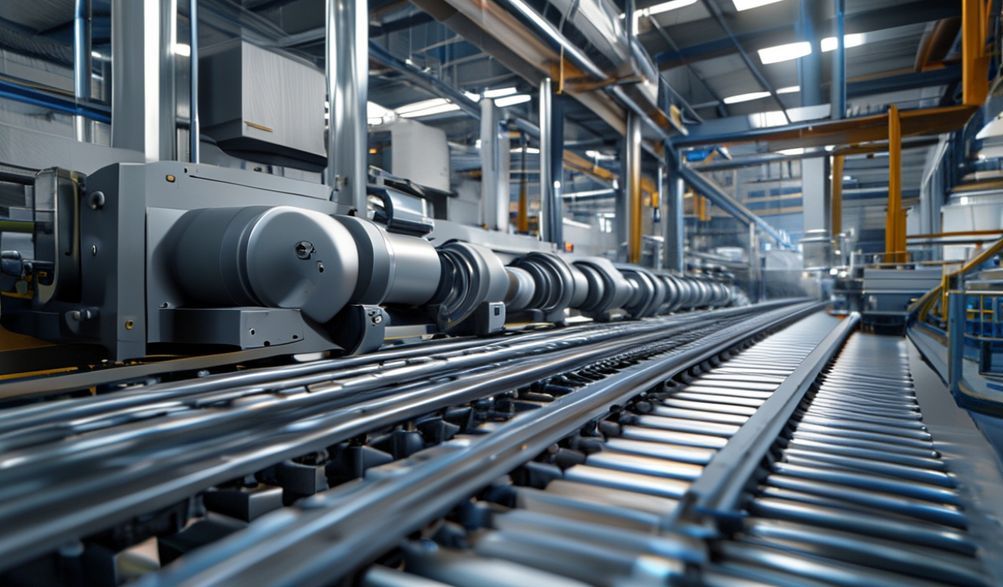
- Pabrik Pembuatan Batu Bata Abu Terbang Sepenuhnya Otomatis:Di sinilahPabrik pembuatan blok FUDAIni adalah lini produksi terintegrasi dengan penimbangan bahan otomatis, pencampuran, pengangkutan, penekanan, dan penumpukan. Mereka menawarkan output tertinggi (8.000-30.000+ bata/hari), konsistensi luar biasa, dan intervensi manual minimal, menjadikannya ideal untuk usaha komersial serius.
Komponen Utama Mesin Pembuat Blok yang Andal
Sebuah mesin hanya sebaik bagian-bagiannya. Carilah komponen-komponen kritis ini:
- Sistem Hidrolik: The heart of the machine. A robust, oil-cooled system with branded pumps and valves ensures consistent high pressure for dense, strong bricks and long-term reliability.
- Moulds and Dies: Made from high-grade, hardened steel to withstand constant abrasion. A reputable factory like FUDA will offer customizable moulds for producing solid blocks, hollow blocks, pavers, and interlocking bricks.
- Control Panel (PLC/Siemens): The brain of an automatic system. A Programmable Logic Controller (PLC), preferably from a brand like Siemens or Allen-Bradley, allows for precise control over pressure, cycle time, and sequences, ensuring repeatable quality.
- Conveyor Systems and Stackers: These automate the movement of raw material to the mixer and finished bricks to the curing area. They drastically reduce labor and physical strain while increasing overall line efficiency.
The Production Process: A Step-by-Step Breakdown
- Raw Material Proportioning: Fly ash (50-60%), sand/stone dust (30-40%), cement (8-12%), and water are accurately measured.
- Mencampur: Materials are blended in a pan mixer or compulsory mixer to achieve a homogeneous, semi-dry consistency.
- Kompresi dan Pencetakan: The mix is fed into the machine’s chamber and subjected to intense hydraulic pressure (typically 150-200+ tons) within the mould.
- Proses Penyembuhan: Fresh bricks are stacked and cured. Natural curing takes 14-21 days. Steam curing in a chamber accelerates the process to 24 hours, freeing up space and speeding time-to-market.
Choosing the Right Partner: What to Look for in a FUDA Block Making Factory
Purchasing a brick making plant is a major capital investment. Your choice of manufacturer will impact your business for a decade or more. Here’s how to identify a true partner.
Hallmarks of a Reputable Machinery Manufacturer
- Proven Experience & Longevity: Look for a company with a verifiable track record of 10+ years. An established history indicates resilience and accumulated expertise.
- Riset dan Pengembangan serta Teknik Internal: Avoid mere assemblers. A factory with its own engineering team can offer custom solutions, continuous improvements, and genuine innovation tailored to market needs.
- Quality of Materials and Build: Inspect the use of heavy-duty steel plates, welded frames, and branded components (hydraulics, PLCs, motors). The machine should feel substantial, not lightweight.
- Kepatuhan terhadap Standar: Certifications like ISO (Quality Management) and CE (meeting EU health, safety, and environmental standards) are strong indicators of a systematic, quality-focused manufacturing process.
Beyond the Machine: The FUDA Factory’s Value-Added Services
The machine is just the beginning. A partner like FUDA provides critical services for your success:
- Comprehensive Technical Support: Guidance should start from plant layout planning and extend through installation and commissioning.
- Hands-On Operational Training: They should train your staff on machine operation, routine maintenance, and basic troubleshooting.
- Genuine Spare Parts & Service Network: Ensure ready availability of original spare parts and a responsive after-sales team for support, whether remote or on-site.
- Assistance with Plant Setup: Expert advice on shed design, foundation requirements, and curing yard organization can prevent costly mistakes.
Red Flags to Avoid When Selecting a Supplier
- Lack of Transparency: Unwillingness to disclose component brands, provide a detailed breakdown of the quotation, or show the actual factory floor.
- Ghost Factories: Companies with only a glossy website and no physical manufacturing facility you can visit or verify via video call.
- Weak Warranty and Service Terms: Vague warranties, no clear service level agreement (SLA), or promises that seem too good to be true.
Key Considerations Before Investing in Your Fly Ash Brick Plant
Success requires more than just a good machine. Thorough groundwork is essential.
Market and Feasibility Analysis
- Assess Local Demand: Research construction activity in your region. Engage with builders, contractors, and government housing projects to gauge demand for eco-friendly bricks.
- Secure Raw Material Supply: Establish a reliable, consistent source of good-quality fly ash (Class F or C) from a nearby thermal power plant. Test its properties for brick making.
Financial Planning and ROI
- Total Investment: Account for all costs: machine price, land, production shed, curing shed, raw material storage, electricity connection (often requiring a high-capacity transformer), and working capital.
- Profitability Calculation: Model your production cost per brick (raw materials, power, labor, depreciation) against the prevailing market sale price to understand your margins and break-even point.
- Government Subsidies: Many governments offer subsidies, tax breaks, or soft loans for eco-friendly manufacturing units. Investigate these schemes to improve your project’s financial viability.
Space, Power, and Manpower Requirements
- Land Area: A small automatic plant may require 5,000-10,000 sq. ft. for production, curing, and storage. Larger plants need significantly more.
- Power & Water: A standard automatic machine may require a 30-60 HP power connection and a consistent water source for mixing and curing.
- Manpower: A fully automatic plant might only need 4-6 skilled operators per shift for monitoring, maintenance, and handling, compared to dozens for manual production.
Pertanyaan yang Sering Diajukan (FAQ)
Q1: What is the approximate cost of setting up a fly ash brick plant with a FUDA machine?
A: Costs vary significantly based on the level of automation and desired output capacity. A small semi-automatic setup might start around $25,000, while a high-capacity, fully automatic production line can range from $80,000 to $200,000 or more. The most accurate step is to share your production goals with FUDA’s technical team for a detailed, customized project report and quotation.
Q2: What is the daily production capacity of a standard automatic FUDA block making machine?
A: For a standard fully automatic model (like the FUDA-1080), the production capacity typically ranges from 8,000 to 12,000 bricks per 8-hour shift, depending on the block size and cycle time. Larger models are designed for capacities exceeding 20,000 bricks per shift.
Q3: How do I ensure the quality of fly ash for brick making?
A: Source fly ash directly from a reliable thermal power plant. Key quality parameters to check are Loss on Ignition (LOI) (should be below 5-6%), finenessdanlime content. It is highly recommended to conduct small trial batches with your exact mix formula before full-scale production.
Q4: What kind of after-sales support can I expect from an established factory like FUDA?
A: You should expect a comprehensive package: installation supervision by an engineer, thorough training for your staff, a clear warranty on parts and workmanship (e.g., 1 year), access to remote troubleshooting via phone/video, and a protocol for dispatching service engineers if needed.
Q5: Are fly ash bricks as strong as traditional red bricks?
A: Yes, and often stronger. When produced correctly on quality machinery with the right mix design, fly ash bricks consistently achieve compressive strengths that meet or exceed those required for Class I (load-bearing) clay bricks, making them perfectly suitable for all major construction applications.
Kesimpulan
The transition to fly ash brick manufacturing represents a strategic convergence of ecological responsibility and commercial opportunity. The advantages—from environmental conservation and superior material properties to long-term cost savings—are clear and compelling. However, the cornerstone of this venture is the machinery that brings it all to life.
Choosing robust, automated, and reliable equipment is not merely a purchase; it is the foundational investment in your plant’s productivity, product quality, and profitability. This decision underscores the critical importance of partnering with an authoritative, experienced, and trustworthy manufacturer. A Pabrik pembuatan blok FUDA embodies this partnership, offering not just a machine, but a pathway to sustainable business success backed by engineering expertise and enduring support.
Take the next step with confidence.
* Primary CTA: Request a Detailed Project Report and Customized Quote from FUDA’s Technical Team.
* Secondary CTA: Download our Free Checklist: 10 Essential Questions to Ask Your Block Machine Supplier.