
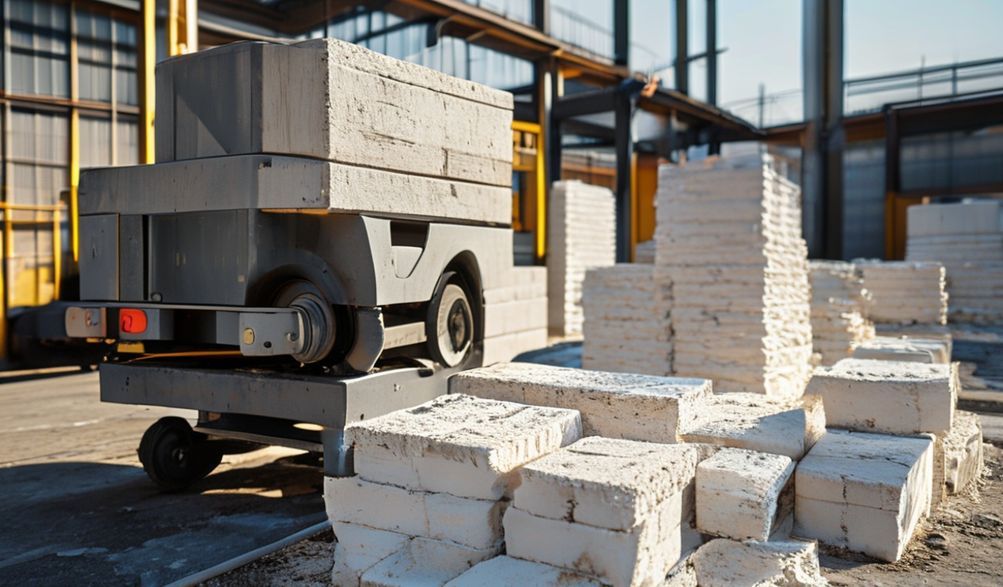
Lista de Precios de Máquinas para Bloques de Ladrillo 2026: Una Guía Completa para Compradores
Encontrar una máquina confiable y asequible para fabricar bloques de concreto es crucial para el presupuesto y el éxito de tu proyecto, pero navegar por la amplia gama de precios puede ser abrumador. Puedes ver una prensa manual por unos pocos miles de dólares y una planta completamente automática por más de cien mil, y preguntarte: ¿qué estoy...de verdad¿Por qué estás pagando?
Esta guía elimina la confusión. Compilada a partir de datos de la industria, especificaciones del fabricante y tendencias del mercado, esta lista de precios y guía de compra sirve como un recurso imparcial. Nuestro objetivo no es venderle una máquina específica, sino proporcionarle el conocimiento para que tome una decisión de compra informada y segura, basada en el valor, no solo en el precio más bajo.
Desglosaremos el espectro de costos por tipo de máquina, detallaremos los factores clave que determinan los precios y revelaremos los costos de propiedad, a menudo ocultos. Finalmente, proporcionaremos una lista de verificación para compradores inteligentes que garantice el mejor retorno de su inversión. Construyamos una base sólida para su decisión.
Comprensión de los Tipos de Máquinas para Bloques de Ladrillo y su Impacto en el Precio
El determinante más importante del precio de una máquina de bloques es su tipo y nivel de automatización. Elegir la categoría correcta para tu escala y objetivos es el primer paso para comprender su costo.
Máquinas Manuales para Hacer Bloques/Ladrillos
These are the most fundamental entry point into block production. Operated entirely by hand, they require manual feeding of raw concrete mix, manual compression (often via a lever), and manual removal of the finished block.
- Salida Típica y Caso de Uso: Ideal for very small-scale projects, remote locations with no power, or entrepreneurial startups testing the market. Output is low, typically 50 to 200 blocks per 8-hour day, and is heavily labor-dependent.
- General Price Range: $500 – $3,000. This range covers simple single-block molds to slightly larger, static multi-cavity machines.
Máquinas Semiautomáticas para Fabricar Bloques
This category offers the best balance for small to medium-sized businesses. These machines typically involve manual feeding of material but automate the critical processes of compaction (via vibration or hydraulic pressure) and mold stripping. Many are “egg-laying” type machines that produce blocks directly on the ground.
- Balance of Output and Cost: They significantly increase output while keeping capital costs and operational complexity manageable. Output can range from 200 to 1,500 blocks per hourdependiendo del modelo y la eficiencia de la tripulación.
- General Price Range: $3,000 – $25,000. The wide range accounts for differences in build quality, number of mold cavities, and the inclusion of features like a hydraulic system or a simple conveyor.
Máquinas Automáticas para Fabricar Bloques
These are industrial production lines designed for maximum output with minimal manual intervention. They integrate automatic material feeding, mixing (in some models), pressing, curing, and block stacking. Control is managed by programmable logic controllers (PLCs).
- For Large-Scale Commercial Projects: Used by established block yards, construction companies supplying major projects, and entrepreneurs aiming for high-volume market supply. Outputs can easily exceed 2,000 blocks per hour and go much higher.
- General Price Range: $25,000 – $150,000+. This is a significant investment. The “plus” is important; large, customized plants with robotic pallet handling and integrated curing systems can reach several hundred thousand dollars.
Detailed Block Brick Machine Price List & Specifications
To move from general ranges to actionable data, here’s a more detailed breakdown of what you can expect within each category. Prices are indicative in USD and can vary based on manufacturer, region, and specific configuration.
Entry-Level & Manual Machines Price Breakdown
- Example Models/Capacities: Basic single-cavity manual press (e.g., for solid blocks), or a static 3-cavity manual machine for hollow blocks.
- Rango de Precios: $800 – $2,500.
- Key Specs at This Price: Output of 50-150 blocks per day. Often made from standard-grade steel. Power requirement is usually zero (manual) or a small motor for a vibration table. Includes basic, standard molds.
Mid-Range & Semi-Automatic Models Price Breakdown
- Example Models/Capacities: A popular “egg-laying” machine with 4-6 mold cavities for producing hollow blocks or pavers directly on a concrete slab.
- Rango de Precios: $8,000 – $18,000.
- Key Specs & Features: Output of 400-800 blocks per hour. Includes a vibration motor system for compaction, a hydraulic unit for mold lifting, and sometimes a small conveyor for moving blocks. Build quality should involve reinforced steel frames and branded electrical components.
High-Capacity & Fully Automatic Plant Costs
- Example System Configurations: A stationary machine with automatic pallet feeder, multi-cavity mold (e.g., for 6-10 blocks per cycle), and automatic stacker. May include a built-in mixer and cement silo.
- Rango de Precios: $40,000 – $90,000 for a robust, entry-level automatic line.
- What the Price Includes: PLC touchscreen control panel, heavy-duty sistema hidráulico, steel pallet circulation system, and higher-grade, wear-resistant molds. Delivery often includes basic commissioning and training documentation.
Factores Clave Que Determinan el Precio de las Máquinas de Bloques
Why does one semi-automatic machine cost $10,000 and another $16,000? The devil is in these details.
Production Capacity & Output Speed
This is the most direct correlation. A machine rated for 1,000 blocks per hour will cost significantly more than one rated for 400 blocks per hour, even if they look similar. Higher speed requires more powerful motors, heavier-duty vibration systems, and more robust structural engineering to handle the stress.
Machine Automation Level & Technology
Every layer of automation adds cost:
* A basic relay-based control system is cheaper than a Controlador Lógico Programable (CLP).
* A simple mechanical vibration system is less expensive than a precise proportional hydraulic system.
* The addition of robotic pallet handlingoautomatic cube stackers can add tens of thousands to the price.
Build Quality & Material (Steel Grade, Components)
This is where initial savings can lead to long-term costs. A cheaper machine may use lower-grade, thinner steel that is prone to warping or fatigue under constant load. The reputation of core components matters:
* A machine using a recognized brand of hydraulic pump (e.g., Bosch Rexroth, Kawasaki) or electric motor (e.g., Siemens, WEG) will carry a premium over one with no-name parts. This premium buys reliability and easier access to spare parts.
Mold Type, Customization, & Versatility
- Moldes Estándar: A machine sold with a standard hollow block mold is the baseline price.
- Moldes Personalizados: Need a special interlocking brick, a unique paver design, or a specific block size? Custom-engineered molds can cost $1,000 to $5,000+ each.
- Versatilidad: Machines capable of quick mold changes to produce multiple block types (e.g., switching between hollow blocks, solid blocks, and curbstones) require more complex mold clamping systems and controls, increasing the base price.
After-Sales Support & Service Packages
The price isn’t just for the metal. It should include a service package. A supplier offering a comprehensive 2-year warranty, on-site installation and training, and a stock of local spare parts has factored those service costs into their price. A cheaper quote may offer only a 6-month warranty and no local support, transferring future risk and cost to you.
Beyond the Sticker Price: Calculating Total Cost of Ownership
The invoice price is just the beginning. A truly informed decision requires evaluating these operational and hidden costs.
Shipping, Logistics, and Installation Costs
This is critical for imported machinery. A $15,000 machine might incur $3,000 – $5,000 in sea freight, port charges, inland transportation, and customs duties. Always request a CIF (Costo, Seguro y Flete)oDDP (Delivered Duty Paid) quote to understand the true landed cost.
Raw Material (Concrete Mix) Costs & Compatibility
Not all machines work efficiently with all mixes. Some high-speed automatics require a specific aggregate size and cement ratio for optimal performance. Test your local sand, gravel, and cement with the machine’s specifications (or during a demo) to ensure you won’t face constant block breakage or machine jamming, which drives up material waste and downtime.
Operational Costs: Power Consumption & Labor
- Poder: A fully automatic plant with multiple high-power motors and hydraulic pumps will have a much higher electricity bill than a semi-automatic machine. Request the total connected load (in kW) for accurate calculations.
- Trabajo: A manual machine might need 4-6 people to match the output of one semi-automatic machine operated by 2-3 people. A fully automatic line might only need 1-2 operators. Factor in local labor costs over the machine’s lifespan.
Maintenance, Spare Parts, and Downtime
This is the ultimate value test. A cheaper, low-quality machine will have higher frequency of breakdowns, costly unplanned downtime, and may suffer from obsolete or hard-to-find spare parts. A higher-quality, more expensive machine should offer greater reliability, standard-brand parts, and lower long-term maintenance costs. Always budget 3-5% of the machine’s cost annually for maintenance and spare parts.
How to Get the Best Value: A Smart Buyer’s Checklist
Armed with knowledge, use this actionable checklist to navigate the purchasing process.
Define Your Project Needs Clearly
Answer these questions antes talking to suppliers:
* Output Goals: How many blocks do I need per day/month/year?
* Tipos de Bloques: What specific products will I sell (hollow block, solid block, paver, interlocking brick)?
* Available Space & Power: What is the size of my production area? What is my electrical supply (Voltage, Phase)?
* Presupuesto: What is my total investment budget, including shipping, installation, and initial raw materials?
Research and Compare Reputable Manufacturers
- Look for established companies with a verifiable track record (5-10+ years).
- Verify Credentials: Check for international certifications like CE (for the European market, indicates safety standards) or ISO 9001 (quality management systems).
- Request References: Ask for contact information for past clients in a similar region or business scale.
- Review Case Studies: Look for documented success stories on their website.
Request and Analyze a Detailed Quotation (Proforma Invoice)
A professional quote should be itemized and include:
* Machine model and detailed technical specifications.
* Itemized price list (machine, molds, optional equipment).
* Delivery Terms (Incoterms): e.g., FOB, CIF, DDP.
* Payment Terms: Deposit, progress payments, etc.
* Warranty Details: Duration, what’s covered, what’s excluded.
* Scope of Supply: Does it include installation, training, and initial spare parts?
The Importance of Asking for a Live Demo or Video Test
Never buy blind. Insist on seeing the machine run.
* Ideal Scenario: Visit the factory or a client’s site to see a live production run.
* Practical Alternative: Request a live video call where they operate the machine with a concrete mix similar to what you plan to use. Observe block quality, cycle time, and machine stability.
Negotiating Tips: What is (and Isn’t) Flexible
- Potentially Flexible: The package. You might negotiate an extended warrantylainclusion of a spare mold or critical spare parts (like vibration motors), or a discount on future mold purchases.
- Less Flexible: The base price of a standard model from a reputable brand. Their margin is often tighter than you think. Focus negotiation on added value and support, not just slashing the machine price, which may lead to corners being cut.
Frequently Asked Questions (FAQ) About Block Machine Prices
Q1: What is the cheapest block making machine available?
A: The absolute cheapest options are small, manual presses, which can start around $500-$800. However, it’s crucial to understand that this low cost comes with very limited output (often less than 100 blocks per day) and high labor intensity. For any serious venture, we advise focusing on value and productivity over the mere lowest initial price.
Q2: How much does a medium-scale automatic brick making machine cost?
A: For a true, medium-capacity fully automatic machine (producing 1,500-2,500 blocks per hour), you should budget between $45,000 and $75,000. This price range typically includes a PLC-controlled stationary machine with a pallet circulation system, suitable for a serious block-making business.
Q3: Are used block machines a good way to save money?
A: They can be, but caution is paramount. Potential savings of 30-50% off a new machine are possible. The risks include hidden wear and tear, outdated technology, lack of warranty, and difficulty sourcing obsolete parts. If considering used, insist on a thorough inspection by a qualified technician, review maintenance logs, and ensure technical support is available.
Q4: Does the price include installation and training?
A: This varies dramatically by supplier. Some manufacturers quote a bare “ex-works” machine price. Others include commissioning and training in the total package. This is one of the most critical points to clarify in your quotation and contract. Never assume it’s included.
Q5: How can I verify the quality of a machine before buying?
A: First, check for relevant certifications (CE, ISO). Second, if possible, visit a working installation to speak directly to an operator about performance and reliability. Finally, review the quality of the technical documentation (manuals, parts lists, electrical diagrams). Professional, detailed documentation often reflects a professional approach to manufacturing.
Conclusión
Navigating the block brick machine pricelist landscape reveals a clear truth: price is a spectrum defined by type, capacity, build quality, and long-term support. From a few thousand dollars for a manual starter machine to a six-figure investment for an automated plant, your choice must align with your specific production goals and business model.
Remember, the most cost-effective machine is not the one with the lowest initial price tag, but the one that reliably meets your output targets with minimal downtime and operational headaches over its entire lifespan. It’s an investment in your project’s foundation—literally and figuratively.
Use this guide as your reference document. Before you contact a single supplier, clarify your needs using the checklist provided. Then, approach the market with the confidence to ask the right questions and the insight to recognize true value.
<