
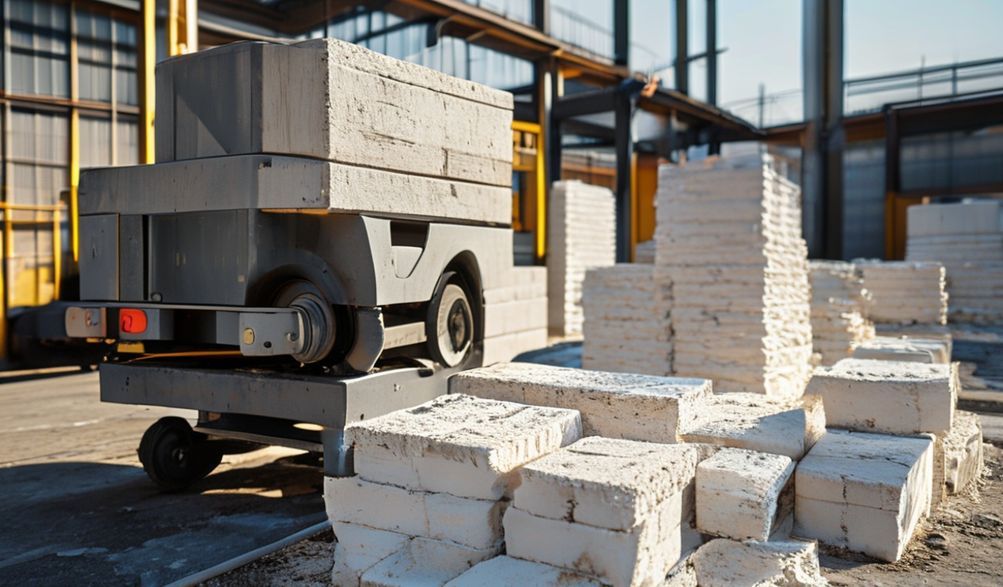
블록 벽돌 기계 가격표 2026: 완벽한 구매자 가이드
신뢰할 수 있고 합리적인 가격의 블록 벽돌 제작기를 찾는 것은 프로젝트 예산과 성공에 매우 중요하지만, 다양한 가격대를 살펴보는 것은 어려울 수 있습니다. 수동 프레스는 수천 달러에, 완전 자동화 공장은 십만 달러 이상에 판매되는 것을 보고, 도대체 어떤 기계가 필요한지 고민하게 될 것입니다.정말무엇을 지불하는 건가요?
이 가이드는 혼란을 정리해 드립니다. 업계 데이터, 제조사 스펙, 시장 동향을 종합한 이 가격표와 구매자 가이드는 편향되지 않은 정보원으로 기능합니다. 우리의 목표는 특정 기계를 판매하는 것이 아니라, 단순한 최저가가 아닌 가치를 바탕으로 정보에 근거한 확신에 찬 구매 결정을 내릴 수 있도록 지식을 제공하는 데 있습니다.
기계 유형별 비용 범위를 분석하고, 가격을 결정하는 주요 요소를 자세히 살펴보며, 소유 시 종종 간과되는 숨겨진 비용을 밝힐 것입니다. 마지막으로, 최상의 투자 수익을 보장하기 위한 현명한 구매자 체크리스트를 제공하겠습니다. 여러분의 결정을 위한 견고한 기초를 함께 마련해 보죠.
블록 벽돌 기계 유형 및 가격 영향 이해하기
블록 머신 가격의 가장 큰 결정 요인은 그 유형과 자동화 수준입니다. 당신의 규모와 목표에 맞는 적절한 카테고리를 선택하는 것이 비용을 이해하는 첫걸음입니다.
수동 블록/벽돌 제작 기계
이것들은 블록 생산에 있어 가장 기본적인 진입점입니다. 완전히 수작업으로 운영되며, 원료 콘크리트 믹스를 수동으로 투입하고, 레버를 통한 수동 압축, 완성된 블록의 수동 제거가 필요합니다.
- 일반적인 출력 및 사용 사례:저전력, 시장 테스트 중인 소규모 프로젝트나 원격지, 창업 초기 기업에 이상적입니다. 출력량은 낮으며, 일반적으로8시간당 50~200 블록또한, 이는 노동 집약적이기 때문에 많은 노동력을 필요로 한다.
- 일반 가격대: 500달러에서 3,000달러 사이입니다.此系列涵盖简单的单腔模具到稍大的固定多腔注塑机。
반자동 블록 제작 기계
이 카테고리는 중소기업에 최적의 균형을 제공합니다. 이러한 기계는 일반적으로 재료를 수동으로 투입하지만, 다짐(진동 또는 유압 압력 이용)과 몰드 탈형의 핵심 공정을 자동화합니다. 많은 기계가 블록을 지면에서 직접 생산하는 "계란 낳기" 방식입니다.
- 출력과 비용의 균형이들은 자본 비용과 운영 복잡성을 관리 가능한 수준으로 유지하면서 생산량을 크게 증가시킵니다. 생산량은시간당 200개에서 1,500개 블록모델과 승무원의 효율성에 따라 다릅니다.
- 일반 가격대: $3,000 – $25,000.빌드 품질, 금형 캐비티 수, 유압 시스템이나 간단한 컨베이어 같은 기능 포함 여부의 차이로 인해 다양한 가격대가 존재합니다.
완전 자동 블록 제작 기계
이들은 최소한의 수동 개입으로 최대 생산량을 위해 설계된 산업용 생산 라인입니다. 자동 재료 공급, 혼합(일부 모델), 압착, 양생, 블록 적층이 통합되어 있습니다. 제어는 프로그래밍 가능 로직 컨트롤러(PLC)로 관리됩니다.
- 대규모 상업 프로젝트의 경우 Used by established block yards, construction companies supplying major projects, and entrepreneurs aiming for high-volume market supply. Outputs can easily exceed 2,000 blocks per hour and go much higher.
- 일반 가격대: $25,000 – $150,000+. This is a significant investment. The “plus” is important; large, customized plants with robotic pallet handling and integrated curing systems can reach several hundred thousand dollars.
Detailed Block Brick Machine Price List & Specifications
To move from general ranges to actionable data, here’s a more detailed breakdown of what you can expect within each category. Prices are indicative in USD and can vary based on manufacturer, region, and specific configuration.
Entry-Level & Manual Machines Price Breakdown
- Example Models/Capacities: Basic single-cavity manual press (e.g., for solid blocks), or a static 3-cavity manual machine for hollow blocks.
- 가격 범위: $800 – $2,500.
- Key Specs at This Price: Output of 50-150 blocks per day. Often made from standard-grade steel. Power requirement is usually zero (manual) or a small motor for a vibration table. Includes basic, standard molds.
Mid-Range & Semi-Automatic Models Price Breakdown
- Example Models/Capacities: A popular “egg-laying” machine with 4-6 mold cavities for producing hollow blocks or pavers directly on a concrete slab.
- 가격 범위: $8,000 – $18,000.
- Key Specs & Features: Output of 400-800 blocks per hour. Includes a vibration motor system for compaction, a hydraulic unit for mold lifting, and sometimes a small conveyor for moving blocks. Build quality should involve reinforced steel frames and branded electrical components.
High-Capacity & Fully Automatic Plant Costs
- Example System Configurations: A stationary machine with automatic pallet feeder, multi-cavity mold (e.g., for 6-10 blocks per cycle), and automatic stacker. May include a built-in mixer and cement silo.
- 가격 범위: $40,000 – $90,000 for a robust, entry-level automatic line.
- What the Price Includes: PLC touchscreen control panel, heavy-duty 유압 시스템, steel pallet circulation system, and higher-grade, wear-resistant molds. Delivery often includes basic commissioning and training documentation.
Key Factors That Determine Block Machine Pricing
Why does one semi-automatic machine cost $10,000 and another $16,000? The devil is in these details.
Production Capacity & Output Speed
This is the most direct correlation. A machine rated for 1,000 blocks per hour will cost significantly more than one rated for 400 blocks per hour, even if they look similar. Higher speed requires more powerful motors, heavier-duty vibration systems, and more robust structural engineering to handle the stress.
Machine Automation Level & Technology
Every layer of automation adds cost:
* A basic relay-based control system is cheaper than a 프로그래머블 로직 컨트롤러 (PLC).
* A simple mechanical vibration system is less expensive than a precise proportional hydraulic system.
* The addition of robotic pallet handling또는automatic cube stackers can add tens of thousands to the price.
Build Quality & Material (Steel Grade, Components)
This is where initial savings can lead to long-term costs. A cheaper machine may use lower-grade, thinner steel that is prone to warping or fatigue under constant load. The reputation of core components matters:
* A machine using a recognized brand of 유압 펌프 (e.g., Bosch Rexroth, Kawasaki) or electric motor (e.g., Siemens, WEG) will carry a premium over one with no-name parts. This premium buys reliability and easier access to spare parts.
Mold Type, Customization, & Versatility
- 표준 몰드: A machine sold with a standard hollow block mold is the baseline price.
- 커스텀 몰드: Need a special interlocking brick, a unique paver design, or a specific block size? Custom-engineered molds can cost $1,000 to $5,000+ each.
- 다재다능함: Machines capable of quick mold changes to produce multiple block types (e.g., switching between hollow blocks, solid blocks, and curbstones) require more complex mold clamping systems and controls, increasing the base price.
After-Sales Support & Service Packages
The price isn’t just for the metal. It should include a service package. A supplier offering a comprehensive 2-year warranty, on-site installation and training, and a stock of local spare parts has factored those service costs into their price. A cheaper quote may offer only a 6-month warranty and no local support, transferring future risk and cost to you.
Beyond the Sticker Price: Calculating Total Cost of Ownership
The invoice price is just the beginning. A truly informed decision requires evaluating these operational and hidden costs.
Shipping, Logistics, and Installation Costs
This is critical for imported machinery. A $15,000 machine might incur $3,000 – $5,000 in sea freight, port charges, inland transportation, and customs duties. Always request a 비용, 보험, 운임 포함(CIF)또는DDP (Delivered Duty Paid) quote to understand the true landed cost.
Raw Material (Concrete Mix) Costs & Compatibility
Not all machines work efficiently with all mixes. Some high-speed automatics require a specific aggregate size and cement ratio for optimal performance. Test your local sand, gravel, and cement with the machine’s specifications (or during a demo) to ensure you won’t face constant block breakage or machine jamming, which drives up material waste and downtime.
Operational Costs: Power Consumption & Labor
- 힘 A fully automatic plant with multiple high-power motors and hydraulic pumps will have a much higher electricity bill than a semi-automatic machine. Request the total connected load (in kW) for accurate calculations.
- 노동 A manual machine might need 4-6 people to match the output of one semi-automatic machine operated by 2-3 people. A fully automatic line might only need 1-2 operators. Factor in local labor costs over the machine’s lifespan.
Maintenance, Spare Parts, and Downtime
This is the ultimate value test. A cheaper, low-quality machine will have higher frequency of breakdowns, costly unplanned downtime, and may suffer from obsolete or hard-to-find spare parts. A higher-quality, more expensive machine should offer greater reliability, standard-brand parts, and lower long-term maintenance costs. Always budget 3-5% of the machine’s cost annually for maintenance and spare parts.
How to Get the Best Value: A Smart Buyer’s Checklist
Armed with knowledge, use this actionable checklist to navigate the purchasing process.
Define Your Project Needs Clearly
Answer these questions 이전 talking to suppliers:
* Output Goals: How many blocks do I need per day/month/year?
* 블록 유형: What specific products will I sell (hollow block, solid block, paver, interlocking brick)?
* Available Space & Power: What is the size of my production area? What is my electrical supply (Voltage, Phase)?
* 예산 What is my total investment budget, including shipping, installation, and initial raw materials?
Research and Compare Reputable Manufacturers
- Look for established companies with a verifiable track record (5-10+ years).
- Verify Credentials: Check for international certifications like 씨이 (for the European market, indicates safety standards) or ISO 9001 (quality management systems).
- Request References: Ask for contact information for past clients in a similar region or business scale.
- Review Case Studies: Look for documented success stories on their website.
Request and Analyze a Detailed Quotation (Proforma Invoice)
A professional quote should be itemized and include:
* Machine model and detailed technical specifications.
* Itemized price list (machine, molds, optional equipment).
* Delivery Terms (Incoterms): e.g., FOB, CIF, DDP.
* Payment Terms: Deposit, progress payments, etc.
* Warranty Details: Duration, what’s covered, what’s excluded.
* Scope of Supply: Does it include installation, training, and initial spare parts?
The Importance of Asking for a Live Demo or Video Test
Never buy blind. Insist on seeing the machine run.
* Ideal Scenario: Visit the factory or a client’s site to see a live production run.
* Practical Alternative: Request a live video call where they operate the machine with a concrete mix similar to what you plan to use. Observe block quality, cycle time, and machine stability.
Negotiating Tips: What is (and Isn’t) Flexible
- Potentially Flexible: The package. You might negotiate an extended warranty더inclusion of a spare mold or critical spare parts (like vibration motors), or a discount on future mold purchases.
- Less Flexible: The base price of a standard model from a reputable brand. Their margin is often tighter than you think. Focus negotiation on added value and support, not just slashing the machine price, which may lead to corners being cut.
Frequently Asked Questions (FAQ) About Block Machine Prices
Q1: What is the cheapest block making machine available?
A: The absolute cheapest options are small, manual presses, which can start around $500-$800. However, it’s crucial to understand that this low cost comes with very limited output (often less than 100 blocks per day) and high labor intensity. For any serious venture, we advise focusing on value and productivity over the mere lowest initial price.
Q2: How much does a medium-scale automatic brick making machine cost?
A: For a true, medium-capacity fully automatic machine (producing 1,500-2,500 blocks per hour), you should budget between $45,000 and $75,000. This price range typically includes a PLC-controlled stationary machine with a pallet circulation system, suitable for a serious block-making business.
Q3: Are used block machines a good way to save money?
A: They can be, but caution is paramount. Potential savings of 30-50% off a new machine are possible. The risks include hidden wear and tear, outdated technology, lack of warranty, and difficulty sourcing obsolete parts. If considering used, insist on a thorough inspection by a qualified technician, review maintenance logs, and ensure technical support is available.
Q4: Does the price include installation and training?
A: This varies dramatically by supplier. Some manufacturers quote a bare “ex-works” machine price. Others include commissioning and training in the total package. This is one of the most critical points to clarify in your quotation and contract. Never assume it’s included.
Q5: How can I verify the quality of a machine before buying?
A: First, check for relevant certifications (CE, ISO). Second, if possible, visit a working installation to speak directly to an operator about performance and reliability. Finally, review the quality of the technical documentation (manuals, parts lists, electrical diagrams). Professional, detailed documentation often reflects a professional approach to manufacturing.
결론
Navigating the block brick machine pricelist landscape reveals a clear truth: price is a spectrum defined by type, capacity, build quality, and long-term support. From a few thousand dollars for a manual starter machine to a six-figure investment for an automated plant, your choice must align with your specific production goals and business model.
Remember, the most cost-effective machine is not the one with the lowest initial price tag, but the one that reliably meets your output targets with minimal downtime and operational headaches over its entire lifespan. It’s an investment in your project’s foundation—literally and figuratively.
Use this guide as your reference document. Before you contact a single supplier, clarify your needs using the checklist provided. Then, approach the market with the confidence to ask the right questions and the insight to recognize true value.
<