
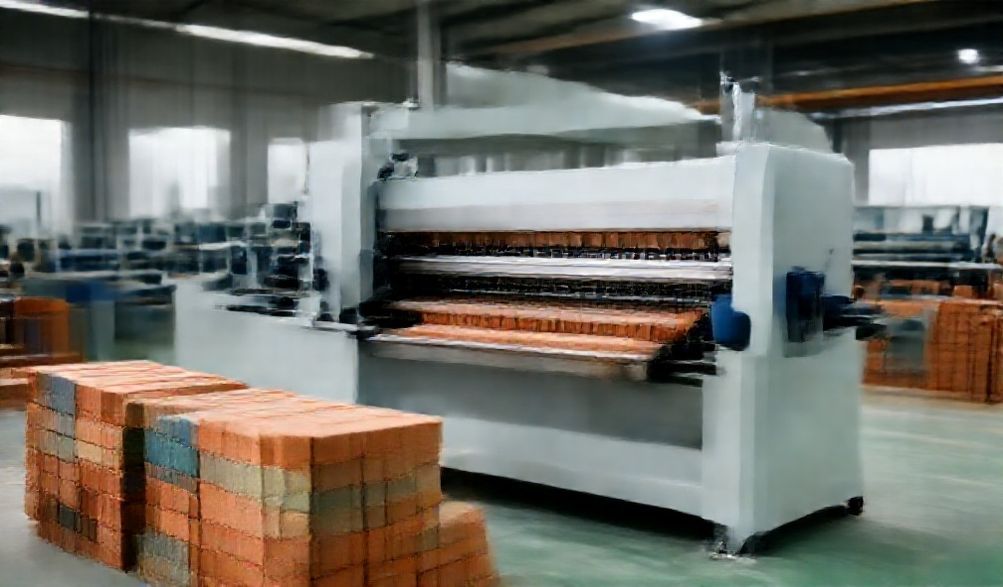
Tu Guía Definitiva para Encontrar un Proveedor Confiable de Máquinas Pequeñas para Hacer Ladrillos en China
Introducción
La industria de la construcción a nivel mundial prospera gracias a la eficiencia y la asequibilidad. Desde la construcción de viviendas en economías emergentes hasta el pavimentado de aceras en desarrollos suburbanos, la demanda de materiales de construcción confiables y rentables es universal. En el centro de esta demanda se encuentra una pieza crucial de equipo: la máquina pequeña para fabricar ladrillos. Y cuando se trata de abastecerse de esta maquinaria, un país domina el panorama manufacturero: China.
Sin embargo, para un comprador a miles de kilómetros de distancia, navegar por el vasto ecosistema industrial de China puede sentirse como una tarea abrumadora. El mercado está saturado de proveedores, las plataformas en línea enumeran miles de opciones, y las historias sobre variaciones en la calidad, fallas en la comunicación y pesadillas logísticas son comunes. ¿Cómo distinguir a los fabricantes reputados de los comerciantes oportunistas? ¿Cómo asegurarse de que está invirtiendo en una máquina que durará, y no solo en la que tenga el precio más bajo?
Esta guía es tu solución. Construida a partir de años de observación en la industria y experiencia técnica, este recurso definitivo proporciona un marco claro y accionable para evaluar y seleccionar al proveedor chino adecuado. Vamos más allá de la comparación básica de precios para enfocarnos en los pilares de una asociación exitosa:calidad sin concesiones, confiabilidad comprobada y valor total a largo plazo.Considera esto tu guía confiable para una decisión de compra segura.
¿Por qué obtener pequeñas máquinas para hacer ladrillos de China?
Optar por obtener su maquinaria de China no se trata simplemente de encontrar la opción más barata; es una decisión estratégica respaldada por ventajas globales tangibles. Comprender estos beneficios ayuda a enmarcar su búsqueda y establecer expectativas realistas sobre lo que el mercado puede ofrecer.
Rentabilidad y Precios Competitivos
La ventaja más evidente es el costo. Los fabricantes chinos se benefician de economías de escala sin igual, cadenas de suministro concentradas para materias primas como acero y componentes hidráulicos, y técnicas de producción avanzadas y eficientes.
- Esto se traduce en una inversión inicial significativamente menor para usted en comparación con abastecerse desde Europa o América del Norte.
- El Retorno de la Inversión (ROI) superior significa que tu negocio puede alcanzar la rentabilidad más rápido, un factor crítico para startups y pequeñas y medianas empresas.
- El mercado competitivo también significa que puedes encontrar una máquina que se ajuste a un presupuesto preciso, desde modelos manuales básicos hasta sistemas automatizados avanzados.
Escala y Variedad de Manufactura
El ecosistema manufacturero de China es vasto y especializado. No estás limitado a uno o dos tipos de máquinas.
- Ya sea que necesites una máquina paraladrillos de arcilla, concreto (cemento) o cenizas volantesLos proveedores chinos tienen modelos dedicados.
- El rango abarca desde lo simpleprensas manualespara proyectos comunitariosplantas de alta producción, completamente automáticaspara producción comercial.
- Puedes encontrarmodelos estacionariospara la configuración de fábrica ofabricantes de bloques móvilespara construcción en sitio, eliminando costos de transporte de materiales.
- Esta variedad garantiza que puedas encontrar equipo adaptado a la disponibilidad específica de tu materia prima, la escala de tu proyecto y las limitaciones de tu presupuesto.
Innovación y Tecnología en Evolución
El estereotipo de que la manufactura china se trata únicamente de copias baratas está desactualizado. Los principales proveedores están invirtiendo fuertemente en Investigación y Desarrollo.
- Las máquinas modernas cuentan conenergéticamente eficienteSistemas hidráulicos y de vibración.
- Hay un fuerte enfoque en mejorardurabilidada través de una mejor metalurgia y el uso de marcas de componentes reconocidas internacionalmente.
- Innovación enSistemas de control semiautomáticos y completamente automáticosha hecho que estas máquinas productivas sean más accesibles y fáciles de usar que nunca.
- Este compromiso con el progreso tecnológico significa que puedes acceder a tecnología avanzada y confiable a una fracción del costo tradicional.
Factores Críticos al Evaluar a un Proveedor (Más Allá del Precio)
Fijar tu mirada únicamente en la etiqueta de precio es la ruta más rápida hacia una mala inversión. Un proveedor confiable se define por un conjunto de otros factores, más críticos, que garantizan el rendimiento de la máquina y tu tranquilidad.
Experiencia y Conocimiento en Manufactura
Busca un proveedor con raíces profundas en la industria.
- A historial comprobado de más de 10 añoses un filtro inicial sólido. Indica estabilidad y conocimiento acumulado.
- Prefiera a proveedores que seanfabricantes reales(con su propia fábrica) sobre las empresas comerciales puras. Los fabricantes tienen control directo sobre la calidad y los cronogramas de producción.
- Pregunta sobre su...equipo interno de I+D e ingenieríaUn proveedor que diseña y mejora sus propias máquinas tiene más probabilidades de comprender y resolver desafíos técnicos.
Procesos de Control de Calidad y Certificaciones
Las certificaciones son tu primer punto de control objetivo. Señalan un compromiso con procesos estandarizados.
- ISO 9001:Indica un sistema de gestión de calidad certificado.
- Marcado CE:Muestra que la máquina cumple con los estándares de salud, seguridad y medio ambiente de la UE, una señal de un diseño robusto.
- Informes de Inspección de SGS u Otros Terceros:Proporcionar verificación independiente de la calidad de la máquina y el cumplimiento de las especificaciones.
- Abastecimiento de Componentes Críticos:Pregunta sobre las marcas utilizadas para las piezas clave. ¿Utilizan marcas de buena reputación?Sistemas hidráulicos (como Parker o Yuken), PLCs (como Siemens o Mitsubishi) y acero endurecido de alta calidad para moldes.Aquí es donde se construye la verdadera calidad.
Capacidad de Producción y Tiempos de Entrega
La capacidad de un proveedor debe coincidir con sus necesidades.
- Comunica claramente lo que necesitas.cantidad del pedido y fecha de entrega deseada.
- Un proveedor profesional ofrecerá una opción realista.programa de produccióny no prometer plazos de entrega imposiblemente rápidos solo para asegurar un pedido.
- Evalúa si tienen la capacidad para manejar posibles pedidos repetidos o más grandes en el futuro a medida que tu negocio crece.
Comunicación y Profesionalismo
La comunicación fluida es la base del comercio internacional. Evalúe esto desde el primer contacto.
- Capacidad de respuesta: Do they reply to emails or messages within a reasonable business timeframe?
- English Proficiency: Is their technical and sales staff able to communicate clearly about specifications, avoiding dangerous misunderstandings?
- Soporte Técnico: Can they answer detailed questions about machine operation, maintenance, and troubleshooting? Their pre-sales knowledge is a good indicator of their post-sales support capability.
A Step-by-Step Supplier Vetting Process
Arm yourself with a systematic approach. This process turns an overwhelming task into a manageable, evidence-based decision.
Stage 1: In-Depth Online Research & Shortlisting
- Using B2B Platforms (Alibaba, Made-in-China):
- Go beyond the glossy photos. Scrutinize the “Transaction History”y“Customer Reviews.” Look for detailed, photo-backed feedback from buyers in regions similar to yours.
- Check the supplier’s “Gold Supplier” status and years on the platform. Longer tenure generally correlates with reliability.
- Be wary of profiles with perfect 5-star ratings and few transactions—they may be manipulated.
- The Supplier’s Own Website:
- A professional, well-structured website with detailed technical documentation, company history, and clear contact information is a major trust signal.
- It shows investment in their brand and a channel for direct, platform-fee-free communication.
Stage 2: Direct Engagement and Technical Inquiry
Now, contact your shortlisted suppliers (3-5 is ideal). Your initial inquiry should be detailed to gauge their expertise.
- Preguntas Clave para Hacer:
- Can you provide a detailed specification sheet for [Model XYZ]?
- What customization options are available (e.g., mold changes, logo printing)?
- What is the exact warranty period and what does it cover? Is it for parts only, or includes labor?
- What after-sales support do you provide? (Manuals, video guides, remote assistance, on-site engineer dispatch?)
- Can you supply a list of spare parts I should keep in stock?
- Requesting Documentation: Ask for a formal, itemized quotation (Proforma Invoice), their company brochure, and copies of relevant quality certificates.
Stage 3: Due Diligence and Verification
This is the most crucial step to avoid scams and ensure quality.
- Verificación de Fábrica: Always request a live video tour of the factory via WhatsApp or Zoom. Ask to see the production floor, assembly line, quality testing, and their warehouse. This confirms they are a real manufacturer.
- Referencias de Clientes: Ask for contact information for 2-3 previous clients in your country or region. A confident supplier will provide these. Reach out and ask about their experience with machine performance and after-sales service.
- Payment Security: Utilize platform-based Trade Assurance programs (like Alibaba’s) whenever possible. They offer payment protection and mediation services. For larger orders, a Letter of Credit (LC) provides security for both parties.
Understanding Machine Types and Making the Right Choice
Matching the machine type to your project is essential for success. Here’s a breakdown of the common small brick making machines from China.
Small Manual & Semi-Automatic Brick Machines
- Ideal Para: Entrepreneurs, startups, community projects, low-volume production, and areas with low labor costs.
- Pros: Very low initial cost, simple operation and maintenance, low power consumption, easy to move.
- Contras: High labor intensity, lower output, consistency of bricks depends heavily on operator skill.
Máquinas Móviles para Fabricar Bloques
- Ideal Para: On-site construction projects (building houses, compounds), producing bricks directly where they are needed.
- Pros: Eliminates cost of transporting finished bricks, can use locally sourced soil/sand, highly versatile.
- Contras: Output is generally lower than stationary plants, requires a prepared, level site for operation.
Fully Automatic Small Brick Making Plants
- Ideal Para: Established businesses aiming for medium to high-volume production (e.g., 10,000+ bricks per day).
- Pros: Extremely high output with minimal labor (often just 1-3 operators), consistent and high-quality brick production, can integrate with mixers and stackers.
- Contras: Significant initial investment, requires stable power supply, more complex maintenance.
Key Technical Specifications to Compare
When reviewing quotes, compare these specs directly:
* Capacidad de Salida: Measured in bricks per hour (or per 8-hour shift). Ensure you compare the same brick size and type.
* Requisitos de Energía: Voltage (e.g., 380V/3 phase or 220V) and total power consumption (KW).
* Presión (Tonelaje): The molding pressure of the machine. Higher tonnage generally produces denser, stronger bricks.
* Nivel de Automatización: Manual, semi-auto (auto feeding or stacking), or full-auto (from mixing to stacking).
* Versatilidad del Molde: How quickly and cheaply can molds be changed to produce different brick types (solid, hollow, paving, etc.)?
Navigating Logistics, Payment, and After-Sales Support
The final hurdles before your machine arrives involve logistics, payment, and planning for long-term support.
Incoterms and Shipping Explained
- FOB (Franco a Bordo): You pay for the machine loaded on the ship at the Chinese port. You are responsible for and control the main shipping cost and freight forwarder. Offers more control and potential cost savings.
- CIF (Costo, Seguro y Flete): The supplier arranges and pays for shipping and insurance to a port in your country. Simpler for you, but you pay a premium and have less control over the shipping process.
- Advice: For first-time buyers, CIF can be simpler. For larger orders or repeat business, using your own freight forwarder under FOB terms is often more cost-effective and transparent.
Secure Payment Methods
- T/T (Telegraphic Transfer): A direct bank transfer. Common for deposits (e.g., 30% upfront) and balance payments. Fast but offers little buyer protection. Only use with verified, highly trusted suppliers.
- L/C (Letter of Credit): A bank-guaranteed payment. The bank pays the supplier once shipping documents are presented. Secure for both parties but involves bank fees and is more complex.
- Platform Trade Assurance: The recommended method for most transactions. You pay the platform, which releases funds to the supplier after you confirm satisfactory delivery.
The Non-Negotiable: After-Sales Service & Warranty
This is where great suppliers are separated from the rest.
- Garantía: A comprehensive warranty should be 12-24 months for core components (hydraulic system, electrical motors, PLC). Get the exact terms in writing on the contract.
- Support Materials: Ensure they provide clear English operation manuals, installation guides, electrical diagrams, and instructional videos.
- Refacciones: Clarify their policy. Do they keep a stock of common spare parts? What are the lead times for ordering replacements? Purchasing an initial spare parts kit (seals, filters, etc.) is highly advisable.
Frequently Asked Questions (FAQ)
Q1: What is the typical price range for a small brick making machine from China?
A: Prices vary dramatically based on type and automation. A small manual machine can start around $2,000 – $5,000, semi-automatic models range from $8,000 – $20,000, and fully automatic small plants can cost $25,000 to $60,000+. Always request a detailed quote based on your specific needs.
Q2: How can I verify the quality without visiting the factory in person?
A: A multi-step approach is key: 1) Insist on a live video factory tour, 2) Hire a third-party inspection company (like SGS, BV) for a pre-shipment inspection, and 3) Request a sample of bricks produced by the exact machine model you are considering.
Q3: What are the hidden costs I should budget for?
A: Beyond the machine price, budget for: International shipping and insurance, import duties and taxes in your country, agent/clearance fees, foundation preparation for the machine, electrical setup, and an initial inventory of essential spare parts.
Q4: Do suppliers provide installation and training?
A: Most provide detailed manuals and video guides for self-installation. For an additional cost, many reputable suppliers will dispatch a technical engineer to your site for installation, commissioning, and operator training. For complex automatic plants, this service is highly recommended.
Q5: How long is the standard warranty, and what does it usually cover?
A: A standard warranty is typically 1 year for the whole machine and 2 years for the core hydraulic system. It usually covers defects in material and workmanship under normal use, meaning they will supply replacement parts. It rarely covers labor for installation or repairs at your site, or damage from improper operation. Clarify all terms in your contract.
Conclusión
Finding the right China small brick making machine supplier is not a simple purchase; it’s a strategic partnership that forms the foundation of your business. By shifting focus from the lowest price to a balanced assessment of manufacturing expertise, verifiable quality, and robust after-sales support, you de-risk your investment.
Use this guide as your actionable checklist. Invest the time in thorough due diligence, prioritize clear and professional communication at every stage, and choose a partner whose actions demonstrate true Experiencia, Experticia, Autoridad y Confiabilidad (E-E-A-T).
The right machine, sourced from the right partner, is more than a piece of equipment—it’s a cornerstone asset that will drive productivity, profitability, and growth for your construction business for years to come.
<