
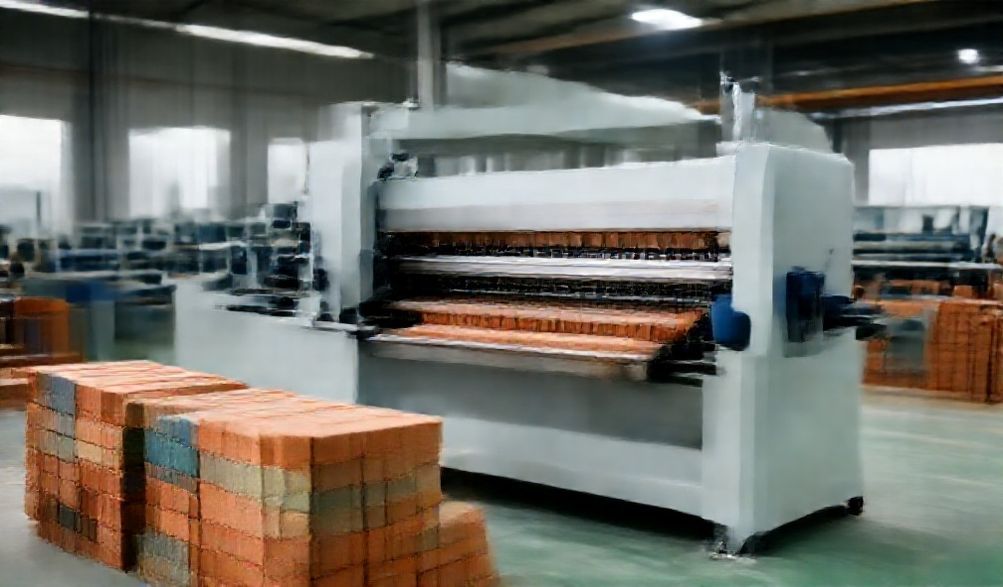
신뢰할 수 있는 중국 소형 벽돌 제조기 공급업체를 찾는 최종 가이드
소개
세계 건설 산업은 효율성과 경제성에 기반해 발전하고 있습니다. 신흥 경제국에서 주택을 건설하는 것부터 교외 개발 지역에 보도를 포장하는 데 이르기까지, 신뢰할 수 있고 비용 효율적인 건축 자재에 대한 수요는 보편적입니다. 이러한 수요의 중심에는 중요한 장비인 소형 벽돌 제조기가 자리 잡고 있습니다. 그리고 이 기계를 조달하는 데 있어 한 국가가 제조 환경을 지배하고 있는데, 바로 중국입니다.
그러나 수천 마일 떨어진 구매자에게 중국의 광활한 산업 생태계를 탐색하는 것은 어려운 작업처럼 느껴질 수 있습니다. 시장은 공급업체로 포화 상태이며, 온라인 플랫폼에는 수천 가지 옵션이 나열되어 있고, 품질 편차, 의사소통 단절, 물류 악몽에 대한 이야기는 흔합니다. 신뢰할 수 있는 제조업체와 일회성 무역업자를 어떻게 구분할 수 있을까요? 어떻게 해야 최저 표면 가격이 아닌 오래 지속될 기계에 투자하고 있다고 확신할 수 있을까요?
이 가이드는 여러분의 해결책이 될 것입니다. 수년간의 업계 관찰과 기술적 전문성을 바탕으로 한 이 확실한 자료는 적합한 중국 공급업체를 검증하고 선정하기 위한 명확하고 실행 가능한 프레임워크를 제공합니다. 우리는 단순한 가격 비교를 넘어 성공적인 파트너십의 기둥에 초점을 맞춥니다:타협 없는 품질, 검증된 신뢰성, 그리고 완전한 장기적 가치.이것을 확신에 찬 구매 결정을 위한 믿을 수 있는 로드맵으로 삼으세요.
중국에서 소형 벽돌 제조 기계를 구매하는 이유는 무엇인가요?
중국에서 기계를 조달하기로 선택하는 것은 단순히 가장 저렴한 옵션을 찾는 것이 아닙니다. 이는 전 세계적인 실질적 이점을 바탕으로 한 전략적 결정입니다. 이러한 혜택을 이해하면 조달 과정을 구체화하고 시장이 제공할 수 있는 것에 대한 현실적인 기대치를 설정하는 데 도움이 됩니다.
비용 효율성과 경쟁력 있는 가격 책정
가장 명백한 이점은 비용입니다. 중국 제조업체는 타의 추종을 불허하는 규모의 경제, 강철 및 유압 부품과 같은 원자재에 대한 집중된 공급망, 그리고 진보적이고 효율적인 생산 기술로 혜택을 보고 있습니다.
- 이는 유럽이나 북미에서 조달하는 것에 비해 귀하의 초기 투자 비용이 상당히 낮아짐을 의미합니다.
- 높은 투자 수익률(ROI)은 귀사의 사업이 더 빠르게 수익성을 달성할 수 있음을 의미하며, 이는 스타트업과 중소기업에게 매우 중요한 요소입니다.
- 경쟁 시장은 또한 기본적인 수동 모델부터 고급 자동화 시스템까지 정확한 예산에 맞는 기계를 찾을 수 있음을 의미합니다.
제조 규모와 다양성
중국의 제조업 생태계는 방대하고 전문적입니다. 하나나 두 가지 유형의 기계에 국한되지 않습니다.
- 기계가 필요하든점토, 콘크리트(시멘트), 또는 플라이 애시 벽돌중국 공급업체들은 전용 모델을 보유하고 있습니다.
- 범위는 단순한 것에서부터 시작됩니다.수동 프레스커뮤니티 프로젝트를 위해고출력, 완전 자동화된 공장상업적 생산을 위해.
- 찾을 수 있습니다정상 모델공장 초기화 또는모바일 블록 메이커현장 건설을 위해 자재 운송 비용을 제거합니다.
- 이러한 다양성은 귀하의 특정 원자재 가용성, 프로젝트 규모, 예산 제약에 맞춘 장비를 찾을 수 있도록 보장합니다.
혁신과 기술의 진화
중국 제조업이 단순히 값싼 모조품에 관한 것이라는 고정관념은 이제 구식입니다. 선도적인 공급업체들은 연구 개발에 막대한 투자를 하고 있습니다.
- 현대 기계는 다음과 같은 특징을 가지고 있습니다.에너지 효율적인유압 및 진동 시스템.
- 개선에 대한 강력한 초점이 있습니다.내구성더 나은 금속 공학과 국제적으로 인정받는 부품 브랜드의 사용을 통해.
- 혁신은반자동 및 완전 자동 제어 시스템이러한 생산적인 기계들을 이전보다 더 접근하기 쉽고 사용자 친화적으로 만들었습니다.
- 이러한 기술 발전에 대한 헌신은 전통적인 비용의 일부만으로도 진보적이고 신뢰할 수 있는 기술에 접근할 수 있음을 의미합니다.
공급업체 평가 시 고려해야 할 핵심 요소 (가격 외)
가격표만 바라보는 것은 가장 빠른 투자 실패로 이어지는 길입니다. 믿을 수 있는 공급업체는 기계의 성능과 안심을 보장하는 더 중요한 여러 요소들로 정의됩니다.
제조 전문성과 경험
해당 업계에서 오랜 기간 자리를 잡은 공급업체를 찾으세요.
- A 10년 이상의 검증된 실적강력한 초기 필터입니다. 이는 안정성과 축적된 지식을 나타냅니다.
- 공급업체 선호 시실제 제조업체자체 공장을 보유한 제조업체는 순수 무역 회사에 비해 품질과 생산 일정을 직접 통제할 수 있습니다.
- 그들의 상황에 대해 물어보세요.내부 연구개발 및 엔지니어링 팀자체 기계를 설계하고 개선하는 공급업체는 기술적 도전 과제를 더 잘 이해하고 해결할 가능성이 높습니다.
품질 관리 프로세스 및 인증
인증은 첫 번째 객관적인 검증 지점입니다. 이는 표준화된 절차에 대한 헌신을 나타냅니다.
- ISO 9001:인증된 품질 관리 시스템을 나타냅니다.
- CE 마킹:이 기계는 EU의 건강, 안전 및 환경 기준을 충족함으로써 견고한 설계를 나타냅니다.
- SGS or Other Third-Party Inspection Reports: Provide independent verification of machine quality and specification compliance.
- Critical Component Sourcing: Ask about the brands used for key parts. Do they use reputable hydraulic systems (like Parker or Yuken), PLCs (like Siemens or Mitsubishi), and high-grade, hardened steel for molds? This is where true quality is built.
Production Capacity and Lead Times
A supplier’s capability must match your needs.
- Clearly communicate your required order quantity and desired delivery date.
- A professional supplier will provide a realistic production schedule and not promise impossibly fast lead times just to secure an order.
- Assess if they have the capacity to handle potential future repeat or larger orders as your business grows.
의사소통과 전문성
Smooth communication is the bedrock of international trade. Evaluate this from the first contact.
- 반응성 Do they reply to emails or messages within a reasonable business timeframe?
- English Proficiency: Is their technical and sales staff able to communicate clearly about specifications, avoiding dangerous misunderstandings?
- 기술 지원 Can they answer detailed questions about machine operation, maintenance, and troubleshooting? Their pre-sales knowledge is a good indicator of their post-sales support capability.
A Step-by-Step Supplier Vetting Process
Arm yourself with a systematic approach. This process turns an overwhelming task into a manageable, evidence-based decision.
Stage 1: In-Depth Online Research & Shortlisting
- Using B2B Platforms (Alibaba, Made-in-China):
- Go beyond the glossy photos. Scrutinize the “Transaction History”그리고“Customer Reviews.” Look for detailed, photo-backed feedback from buyers in regions similar to yours.
- Check the supplier’s “Gold Supplier” status and years on the platform. Longer tenure generally correlates with reliability.
- Be wary of profiles with perfect 5-star ratings and few transactions—they may be manipulated.
- The Supplier’s Own Website:
- A professional, well-structured website with detailed technical documentation, company history, and clear contact information is a major trust signal.
- It shows investment in their brand and a channel for direct, platform-fee-free communication.
Stage 2: Direct Engagement and Technical Inquiry
Now, contact your shortlisted suppliers (3-5 is ideal). Your initial inquiry should be detailed to gauge their expertise.
- 질문할 핵심 사항:
- Can you provide a detailed specification sheet for [Model XYZ]?
- What customization options are available (e.g., mold changes, logo printing)?
- What is the exact warranty period and what does it cover? Is it for parts only, or includes labor?
- What after-sales support do you provide? (Manuals, video guides, remote assistance, on-site engineer dispatch?)
- Can you supply a list of spare parts I should keep in stock?
- Requesting Documentation: Ask for a formal, itemized quotation (Proforma Invoice), their company brochure, and copies of relevant quality certificates.
Stage 3: Due Diligence and Verification
This is the most crucial step to avoid scams and ensure quality.
- 공장 검증: Always request a live video tour of the factory via WhatsApp or Zoom. Ask to see the production floor, assembly line, quality testing, and their warehouse. This confirms they are a real manufacturer.
- Client References: Ask for contact information for 2-3 previous clients in your country or region. A confident supplier will provide these. Reach out and ask about their experience with machine performance and after-sales service.
- Payment Security: Utilize platform-based Trade Assurance programs (like Alibaba’s) whenever possible. They offer payment protection and mediation services. For larger orders, a Letter of Credit (LC) provides security for both parties.
Understanding Machine Types and Making the Right Choice
Matching the machine type to your project is essential for success. Here’s a breakdown of the common small brick making machines from China.
Small Manual & Semi-Automatic Brick Machines
- 이상적인 대상: Entrepreneurs, startups, community projects, low-volume production, and areas with low labor costs.
- 장점: Very low initial cost, simple operation and maintenance, low power consumption, easy to move.
- 단점: High labor intensity, lower output, consistency of bricks depends heavily on operator skill.
모바일 블록 제작 기계
- 이상적인 대상: On-site construction projects (building houses, compounds), producing bricks directly where they are needed.
- 장점: Eliminates cost of transporting finished bricks, can use locally sourced soil/sand, highly versatile.
- 단점: Output is generally lower than stationary plants, requires a prepared, level site for operation.
Fully Automatic Small Brick Making Plants
- 이상적인 대상: Established businesses aiming for medium to high-volume production (e.g., 10,000+ bricks per day).
- 장점: Extremely high output with minimal labor (often just 1-3 operators), consistent and high-quality brick production, can integrate with mixers and stackers.
- 단점: Significant initial investment, requires stable power supply, more complex maintenance.
Key Technical Specifications to Compare
When reviewing quotes, compare these specs directly:
* 출력 용량: Measured in bricks per hour (or per 8-hour shift). Ensure you compare the same brick size and type.
* 전력 요구 사항 Voltage (e.g., 380V/3 phase or 220V) and total power consumption (KW).
* 압력 (톤수): The molding pressure of the machine. Higher tonnage generally produces denser, stronger bricks.
* 자동화 수준: Manual, semi-auto (auto feeding or stacking), or full-auto (from mixing to stacking).
* 금형의 다용도성: How quickly and cheaply can molds be changed to produce different brick types (solid, hollow, paving, etc.)?
Navigating Logistics, Payment, and After-Sales Support
The final hurdles before your machine arrives involve logistics, payment, and planning for long-term support.
Incoterms and Shipping Explained
- FOB (본선 인도 조건): You pay for the machine loaded on the ship at the Chinese port. You are responsible for and control the main shipping cost and freight forwarder. Offers more control and potential cost savings.
- 비용, 보험 및 운임 포함(CIF): The supplier arranges and pays for shipping and insurance to a port in your country. Simpler for you, but you pay a premium and have less control over the shipping process.
- Advice: For first-time buyers, CIF can be simpler. For larger orders or repeat business, using your own freight forwarder under FOB terms is often more cost-effective and transparent.
Secure Payment Methods
- T/T (Telegraphic Transfer): A direct bank transfer. Common for deposits (e.g., 30% upfront) and balance payments. Fast but offers little buyer protection. Only use with verified, highly trusted suppliers.
- L/C (Letter of Credit): A bank-guaranteed payment. The bank pays the supplier once shipping documents are presented. Secure for both parties but involves bank fees and is more complex.
- Platform Trade Assurance: The recommended method for most transactions. You pay the platform, which releases funds to the supplier after you confirm satisfactory delivery.
The Non-Negotiable: After-Sales Service & Warranty
This is where great suppliers are separated from the rest.
- 보증: A comprehensive warranty should be 12-24 months for core components (hydraulic system, electrical motors, PLC). Get the exact terms in writing on the contract.
- Support Materials: Ensure they provide clear English operation manuals, installation guides, electrical diagrams, and instructional videos.
- 예비 부품: Clarify their policy. Do they keep a stock of common spare parts? What are the lead times for ordering replacements? Purchasing an initial spare parts kit (seals, filters, etc.) is highly advisable.
자주 묻는 질문 (FAQ)
Q1: What is the typical price range for a small brick making machine from China?
A: Prices vary dramatically based on type and automation. A small manual machine can start around $2,000 – $5,000, semi-automatic models range from $8,000 – $20,000, and fully automatic small plants can cost $25,000 to $60,000+. Always request a detailed quote based on your specific needs.
Q2: How can I verify the quality without visiting the factory in person?
A: A multi-step approach is key: 1) Insist on a live video factory tour, 2) Hire a third-party inspection company (like SGS, BV) for a pre-shipment inspection, and 3) Request a sample of bricks produced by the exact machine model you are considering.
Q3: What are the hidden costs I should budget for?
A: Beyond the machine price, budget for: International shipping and insurance, import duties and taxes in your country, agent/clearance fees, foundation preparation for the machine, electrical setup, and an initial inventory of essential spare parts.
Q4: Do suppliers provide installation and training?
A: Most provide detailed manuals and video guides for self-installation. For an additional cost, many reputable suppliers will dispatch a technical engineer to your site for installation, commissioning, and operator training. For complex automatic plants, this service is highly recommended.
Q5: How long is the standard warranty, and what does it usually cover?
A: A standard warranty is typically 1 year for the whole machine and 2 years for the core hydraulic system. It usually covers defects in material and workmanship under normal use, meaning they will supply replacement parts. It rarely covers labor for installation or repairs at your site, or damage from improper operation. Clarify all terms in your contract.
결론
Finding the right China small brick making machine supplier is not a simple purchase; it’s a strategic partnership that forms the foundation of your business. By shifting focus from the lowest price to a balanced assessment of manufacturing expertise, verifiable quality, and robust after-sales support, you de-risk your investment.
Use this guide as your actionable checklist. Invest the time in thorough due diligence, prioritize clear and professional communication at every stage, and choose a partner whose actions demonstrate true 경험, 전문성, 권위성, 신뢰성 (E-E-A-T).
The right machine, sourced from the right partner, is more than a piece of equipment—it’s a cornerstone asset that will drive productivity, profitability, and growth for your construction business for years to come.
<