
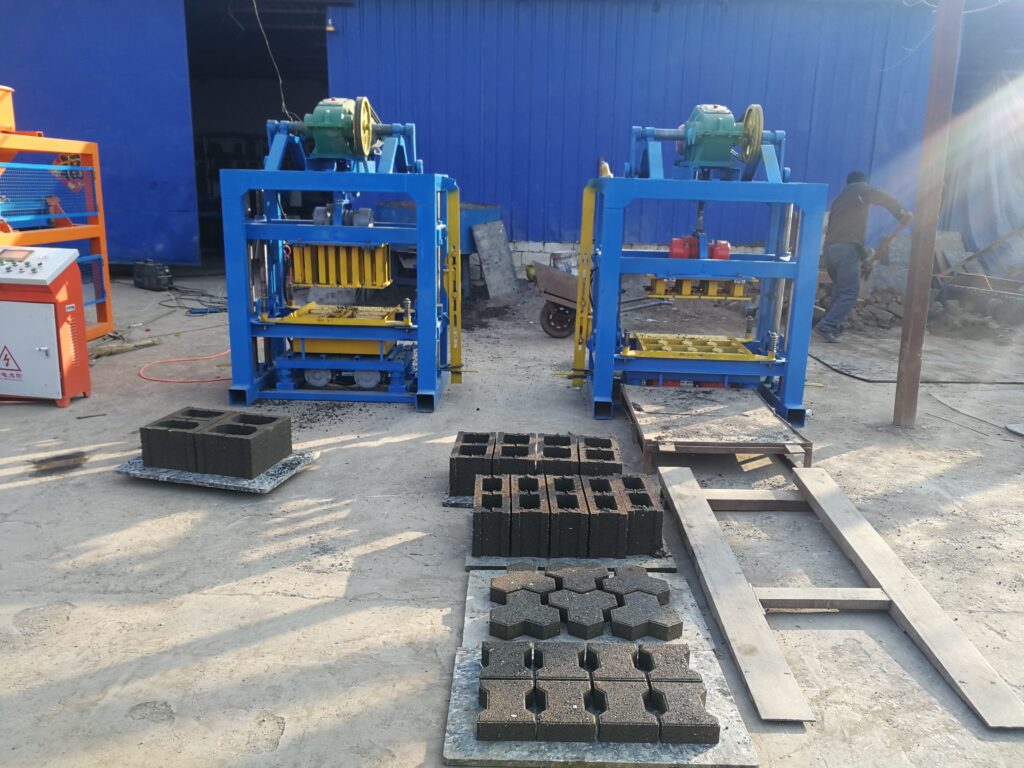
Introducción
En el competitivo ámbito del suministro de materiales de construcción, la adopción estratégica de la producción mecanizada de ladrillos representa un salto transformador para las empresas. Para los distribuidores, mayoristas y especialistas en adquisiciones, articular las múltiples ventajas de la maquinaria para fabricar ladrillos no es simplemente una táctica de ventas; es un componente fundamental para ofrecer una consultoría de valor agregado a los clientes.
I. Ventajas Fundamentales: Transformación Operativa y Económica
El principal impulso para invertir en maquinaria de ladrillos radica en su impacto directo y medible en las operaciones centrales y la viabilidad económica de un negocio.
A. Eficiencia de Producción y Escalabilidad Inigualables
La mecanización redefine fundamentalmente el potencial de producción.
- Aumento Exponencial de la Producción:Una sola máquina semiautomática puede producir en una hora lo que a un equipo de trabajadores manuales les podría tomar un día entero. Esta drástica compresión del tiempo de producción permite a las empresas cumplir pedidos más grandes, asumir múltiples proyectos de manera concurrente y escalar sus operaciones para satisfacer la demanda del mercado sin un aumento lineal en la mano de obra.
- Rendimiento Constante:A diferencia del trabajo manual, que está sujeto a la fatiga y la variabilidad, una máquina opera a un ritmo constante y calibrado. Esta previsibilidad permite una programación de producción precisa, plazos de entrega confiables para los clientes y una gestión eficiente del inventario, formando la columna vertebral de un negocio de suministro profesional.
- Vías de Escalabilidad:La maquinaria ofrece trayectorias de crecimiento claras. Un negocio puede comenzar con un modelo semiautomático y luego actualizar a líneas completamente automatizadas o agregar equipo auxiliar (mezcladoras automáticas, apiladoras). Esta escalabilidad modular protege la inversión inicial y permite que el gasto de capital se alinee con el crecimiento del negocio.
B. Reducción drástica en los costos de producción y mejora de la rentabilidad
El argumento económico para la mecanización es convincente, principalmente a través de la reconfiguración de las estructuras de costos.
- Optimización de Costos Laborales:Mientras que se necesitan técnicos calificados para la operación y mantenimiento de las máquinas, la fuerza laboral total requerida por cada mil unidades producidas se desploma. Esto transforma la mano de obra de un costo variable grande a uno más pequeño, más calificado y fijo, mejorando significativamente los márgenes brutos.
- Eficiencia de Materiales y Minimización de ResiduosLos sistemas de alimentación de precisión y compactación garantizan que cada unidad contenga la cantidad exacta y óptima de materia prima. Esto elimina el uso excesivo y los derrames comunes en los procesos manuales. Para las empresas que producen miles de unidades al día, esta precisión se traduce en ahorros directos sustanciales en cemento, agregados y otros insumos.
- Economías de Escala:El alto volumen de producción habilitado por la maquinaria reduce la carga de costos fijos (por ejemplo, administración, costos de instalaciones) por unidad producida. También fortalece el poder de compra de materias primas al por mayor, lo que reduce aún más el costo de los bienes vendidos (COGS) y mejora la competitividad en el precio.
C. Calidad Superior del Producto y Uniformidad
Esta es una ventaja crítica que eleva a un proveedor de ser un vendedor de productos básicos a un socio de confianza para contratistas y desarrolladores.
- Precisión y Consistencia DimensionalCada ladrillo o bloque producido es una réplica casi perfecta del anterior. Esta uniformidad es imposible de lograr de manera consistente a mano. Las dimensiones precisas (largo, ancho, alto) agilizan el proceso de colocación de ladrillos, reducen el uso de mortero y dan como resultado muros estructuralmente sólidos y estéticamente agradables.
- Propiedades Físicas Controladas:La presión hidráulica y la vibración se calibran con precisión para producir productos con resistencia a la compresión, densidad y tasas de absorción de agua especificadas. Esto permite a los productores cumplir o superar de manera consistente los estándares de construcción nacionales e internacionales, abriendo puertas a licitaciones gubernamentales y grandes proyectos comerciales con especificaciones técnicas estrictas.
- Enhanced Product Range and Versatility: With interchangeable molds, a single machine can produce a diverse portfolio: standard hollow blocks, solid bricks, paving stones, interlocking blocks, and decorative landscaping products. This versatility allows a producer to respond dynamically to market trends and customer requests without major capital reinvestment.
II. Strategic Business and Market Advantages
Beyond the factory floor, brick machinery confers significant strategic benefits that strengthen a business’s market position.
A. Supply Chain Control and Business Independence
Owning production capacity is a powerful strategic move.
- Mitigation of Supply Chain Volatility: Businesses are no longer at the mercy of third-party suppliers’ pricing, availability, or delivery schedules. This independence is invaluable in times of market scarcity or logistical disruptions, ensuring the business can continue to serve its own clients reliably.
- Control over Lead Times and Scheduling: In-house production allows for complete control over the manufacturing schedule. Urgent orders can be prioritized, and production can be planned around raw material deliveries and customer commitments, dramatically improving customer service levels.
- Brand Development and Proprietary Products: A company can develop its own branded line of blocks or specialize in unique, custom-designed products (e.g., specific textures, colors, or shapes). This moves competition away from price alone and towards value-added, branded differentiation.
B. Competitive Positioning and Market Responsiveness
Mechanization equips a business to compete effectively in a dynamic market.
- Competitive Pricing Power: Lower per-unit production costs allow a business to offer aggressive yet profitable pricing, capturing market share. Alternatively, it can maintain market-level pricing and enjoy superior profit margins.
- Ability to Handle Large-Scale Tenders: Public infrastructure projects, large housing developments, and commercial complexes require massive quantities of guaranteed, consistent-quality materials. Only machine-based production can reliably fulfill such contracts, making this a prerequisite for entering the high-volume project space.
- Rapid Response to Market Opportunities: The ability to quickly ramp up production or switch product lines allows a business to capitalize on emerging trends, such as a sudden demand for specific paving stones or eco-friendly blocks, before competitors reliant on external supply can react.
III. Societal and Environmental Impact Advantages
Modern brick machinery also aligns with broader global trends towards sustainability and social responsibility, which can be leveraged as a market advantage.
A. Environmental Sustainability and Resource Efficiency
- Utilization of Alternative Materials: Many machines can efficiently incorporate industrial by-products like fly ash, slag, or recycled construction and demolition waste into the production mix. This reduces the environmental footprint, minimizes landfill use, and can lower material costs.
- Energy-Efficient Production: Compared to traditional fired clay brick kilns, which are extremely energy-intensive, modern hydraulic pressing for concrete or stabilized earth blocks requires significantly less energy per unit, primarily for compaction and curing.
- Producción Localizada: Mobile or local stationary production reduces the carbon emissions associated with long-distance transportation of heavy building materials from centralized plants to dispersed construction sites.
B. Socio-Economic Contributions
- Entrepreneurship and Job Creation: While reducing unskilled labor, brick machinery fosters skilled employment in machine operation, maintenance, quality control, and business management. It empowers local entrepreneurs to build manufacturing businesses.
- Supporting Affordable Housing: The efficiency and cost-reduction benefits contribute to lowering the overall cost of construction, which is a critical factor in addressing the global need for affordable, quality housing.
- Dignified and Safer Working Conditions: Mechanization moves workers away from the repetitive strain injuries and dust exposure of manual molding and mixing into more supervisory, technical, and less physically taxing roles, improving workplace safety and job satisfaction.
Conclusión
The advantages of integrating brick making machinery into a construction materials business are profound and multi-layered. For the B2B professional, these benefits form a compelling narrative that speaks directly to the core aspirations of clients: greater profitability, operational control, market competitiveness, and sustainable growth.
The transition to mechanized production is not merely an equipment purchase; it is a strategic business decision that redefines a company’s capabilities. From the foundational gains in efficiency, cost reduction, and quality control to the strategic empowerment of supply chain independence and market agility, the machine becomes the engine of transformation. Furthermore, its role in promoting environmentally conscious production and socio-economic development adds a layer of value that resonates in today’s market.
Therefore, when advising distributors, dealers, and procurement teams, the conversation must elevate from technical specifications to a holistic discussion on business transformation. By comprehensively articulating this cascade of advantages—economic, strategic, and societal—you position yourself not just as a supplier of machinery, but as a pivotal partner in building your clients’ futures, one precise, profitable block at a time.
Frequently Asked Questions (FAQ)
Q1: We are a small contractor. Isn’t a brick machine an overinvestment for our scale?
A: Not necessarily. The market offers a range of machines, including smaller, mobile “egg-laying” models or compact semi-automatic units specifically designed for small to medium-sized enterprises (SMEs) and contractors. The key is a detailed ROI analysis. For a contractor regularly using blocks, the savings on purchased materials, combined with the ability to produce on-demand for your own projects and sell surplus to others, can lead to a rapid payback period and significantly improved project margins.
Q2: How does machine-made quality directly benefit our end-client, the builder or developer?
A: The benefits are direct and tangible for the builder:
- Construcción más rápida: Uniform blocks lay faster and with less adjustment.
- Reducción de Desperdicio de Material: Precise dimensions minimize cutting and reduce mortar waste.
- Predictable Structural Performance: Certified, consistent strength ensures the built structure meets engineering specifications.
- Superior Aesthetic Finish: Even walls and uniform joints enhance the final appearance of the building. This makes your product a productivity tool for the builder, not just a commodity.
Q3: Does adopting a brick making machine make our business more resilient to economic downturns?
A: Yes, it can enhance resilience in several ways. First, lower production costs provide a better margin buffer to withstand price pressures. Second, the ability to diversify your product line quickly allows you to pivot to market segments that may remain active (e.g., landscaping products during a housing slowdown). Third, control over your core supply insulates you from the financial instability of external suppliers.
Q4: Are the environmental benefits of using a brick machine a significant market differentiator?
A: Increasingly, yes. “Green” building practices are driven by regulations, certification systems (like LEED), and consumer demand. The ability to produce blocks with high recycled content, lower embodied energy, and through a localized supply chain is a powerful marketing tool. It can qualify projects for incentives and appeal to environmentally conscious developers, governments, and homeowners, creating a distinct competitive edge.
Q5: What is the single most underrated advantage of owning a brick machine?
A: Data and Process Control. Mechanized production generates data—output rates, block counts, downtime cycles. This allows for precise business planning, accurate job costing, and identification of inefficiencies. It transforms production from an artisanal activity into a managed, optimized industrial process, providing business intelligence that is crucial for strategic growth and continuous improvement.

