
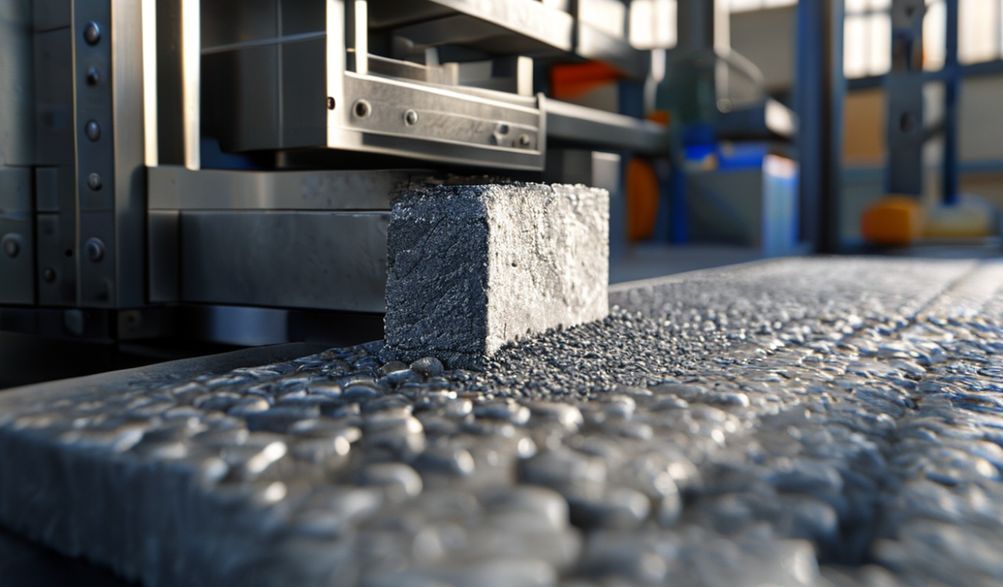
La Guía Definitiva de Máquinas para Fabricar Bloques de Entrelazado: Desde la Selección hasta la Operación
Introducción
El panorama global de la construcción está experimentando una revolución silenciosa. A medida que la demanda de soluciones de construcción asequibles, resilientes y sostenibles se dispara, la industria se está alejando de los métodos intensivos en recursos. En el centro de este cambio hay una innovación simple pero profunda: el bloque de enclavamiento. Estas unidades de construcción tipo Lego, que no requieren mortero, prometen una construcción más rápida, resistente y ecológica. Pero lo que realmente impulsa esta revolución es la máquina que las crea.
Este artículo es su guía definitiva y experta sobre la máquina para fabricar bloques de enclavamiento. Ya sea que sea un constructor que busca optimizar operaciones, un emprendedor que visualiza un negocio rentable o un gerente de proyecto encargado de entregar viviendas económicas, entender esta tecnología es crucial. Iremos más allá de los folletos de venta para ofrecer un manual integral que le permita tomar decisiones informadas, rentables y orientadas a la calidad, desde el primer pensamiento de compra hasta el ritmo diario de la producción.
Nuestra guía está construida sobre una base deExperiencia, Experticia, Autoridad y Confiabilidad (E-E-A-T)Sintetizamos los principios de la ingeniería mecánica, los estándares establecidos de la industria y el conocimiento práctico ganado con esfuerzo en el campo. Nuestro objetivo no es venderle una máquina, sino dotarlo del conocimiento para priorizar la seguridad, maximizar la eficiencia y garantizar el valor a largo plazo de su inversión. Comencemos.
¿Qué es una Máquina para Hacer Bloques de Entrelazado?
Una máquina para fabricar bloques de enclavamiento es un equipo especializado diseñado para producir bloques de concreto o de tierra estabilizada con crestas y ranuras integradas. Estas características geométricas precisas permiten que los bloques se enclaven entre sí vertical y horizontalmente sin necesidad de mortero húmedo, creando un sistema de muro estable y apilado en seco.
Función Principal y Principio de Funcionamiento
En esencia, la máquina es un sistema de compactación de alta presión. El proceso, ya sea hidráulico o mecánico, sigue una secuencia consistente:
- Lotes y Mezclado:Las materias primas (típicamente una mezcla húmeda de arena, árido, cemento y agua, o suelo estabilizado con un aglutinante) se preparan por separado.
- Alimentación:Esta mezcla se introduce en la tolva de la máquina.
- Medición y Moldeo:Una cantidad medida de material se deposita en un molde (o matriz) de ingeniería de precisión sobre una mesa vibratoria.
- Compactación:La etapa clave. Un ariete hidráulico o una palanca mecánica aplican una presión inmensa—a menudo medida en toneladas—sobre el material, mientras que una vibración simultánea elimina las bolsas de aire. Esta doble acción crea un bloque denso y de alta resistencia.
- Eyección:El bloque recién formado es empujado fuera del molde hacia una tarima o área de curado.
- Curado:Los bloques se apilan y se mantienen húmedos durante un período (generalmente de 7 a 28 días) para alcanzar su resistencia completa mediante la hidratación.
Componentes Clave y Sus Funciones
Comprender la anatomía de la máquina es clave para evaluar la calidad:
* Hopper:El punto de entrada para la mezcla de materia prima. Una tolva bien diseñada garantiza un flujo constante sin puentes o atascos.
* Molde/Matriz:El corazón de la máquina. Este componente de acero endurecido define la forma, el tamaño y el diseño de enclavamiento del bloque. Su precisión y durabilidad afectan directamente la calidad del bloque y la longevidad de la máquina.
* Sistema de Compresión:El músculo. En los sistemas hidráulicos, este consiste en un grupo de potencia, cilindros y válvulas. En los sistemas mecánicos, es un ensamble de palanca y leva. Proporciona la fuerza necesaria para la compactación.
* Mesa de Vibración:Impulsado por motores excéntricos robustos, somete al molde a vibraciones de alta frecuencia durante el llenado y la compresión, garantizando un bloque uniforme y libre de huecos.
* Panel de Control:El cerebro. En los modelos semiautomáticos y totalmente automáticos, aquí se aloja el PLC o los controles simples para gestionar la secuencia del ciclo, el tiempo de vibración y la presión.
El Producto Terminado: Tipos de Bloques de Entrelazado
La versatilidad radica en el molde. Al cambiarlo, una sola máquina puede producir un sistema de bloques para estructuras completas:
* Bloques de Camilla Estándar:El caballo de batalla para las carreras de pared recta.
* Corner Blocks: Designed for 90-degree turns at wall corners.
* Medios Bloques Used for closing gaps and maintaining the bond pattern.
* Header Blocks: For bonding wall intersections or capping.
* Adoquines: Thinner blocks with interlocking patterns for driveways, walkways, and patios.
Key Benefits of Using an Interlocking Block Machine
Adopting this technology isn’t just about buying equipment; it’s about upgrading your entire construction methodology.
Ventajas Económicas
- Drastically Reduced Mortar Use: Eliminating up to 80% of mortar from wall construction saves significantly on material and labor costs.
- Lower Skilled Labor Requirement: The simple dry-stacking process can be quickly taught, reducing dependence on highly skilled masons.
- Faster Construction Speed: Walls rise 3-5 times faster than conventional brick-and-mortar methods, shortening project timelines.
- On-Site Production Potential: Producing blocks directly at the project site slashes transportation costs and logistics headaches.
Construction and Performance Benefits
- High Structural Strength: Properly made interlocking blocks often exceed the compressive strength of standard hollow blocks, suitable for load-bearing walls.
- Inherent Durability: The high compaction creates a dense, weather-resistant block with excellent thermal mass.
- Superior Drainage & Flexibility: The dry-stacked joints allow for water drainage and slight movement, making structures more resilient in seismic zones.
- Diseño Flexible: Curved walls and complex architectural features are easier to achieve with the modular block system.
Environmental and Sustainability Impact
- Use of Local Materials: Machines can utilize on-site or locally sourced soil (when stabilized), reducing the carbon footprint of transportation.
- Reduced Cement Consumption: Soil-cement blocks or optimized concrete mixes can lower the high-emission cement content.
- Minimal Waste: Precise production and dry-stacking generate almost zero construction waste compared to cut bricks and mortar droppings.
How to Choose the Right Machine: A Buyer’s Checklist
Selecting a machine is a critical investment. This checklist, born from field experience, will guide you past marketing claims to practical reality.
Evaluando Sus Necesidades de Producción
Start with your business plan or project scope. Ask:
* What is my required daily output? (e.g., 500 blocks/day for a housing project vs. 5,000 for a commercial venture).
* What block types do I need? Ensure the supplier offers the complete mold system you require.
* What is my power source? A remote site might need a diesel-powered machine, while a factory setting favors electric.
Critical Machine Specifications to Compare
Do not make a decision without clarifying these:
* Capacidad de Producción y Tiempo de Ciclo: A “2,000 blocks per day” claim is meaningless without knowing the cycle time (e.g., 15 seconds per block) and accounting for operator breaks.
* Fuente de Energía: Electric (clean, consistent), Diesel (portable, powerful), or Manual (low-capacity, no power needed).
* Fuerza de Presión (Tonelaje): This is critical for block strength. For soil-cement blocks, 15-20 tons may suffice. For high-strength concrete blocks, 30+ tons is common. Higher tonnage generally correlates with higher block density and strength.
* Nivel de Automatización:
* Manual: Operator-dependent for all steps. Lowest cost, lowest output.
* Semiautomático: Operator feeds material, but compression and ejection are automated via a button. Best balance of cost, control, and output.
* Completamente Automático: Batching, feeding, compression, and stacking are automated. High output, requires more skill and investment.
Quality and Durability Factors
Look beyond the paint. Inspect:
* Grado de Acero: The mold and main frame should be made from high-quality, hardened steel. A poor-quality mold will wear quickly, ruining block precision.
* Componentes Hidráulicos: Reputable brand names (e.g., Bosch Rexroth, Parker) for pumps and valves indicate reliability and easier service.
* Motores de Vibración: They should be resilient and securely mounted. The difference between a smooth, consistent hum and a jarring rattle often lies here.
* Warranty & Support: A clear warranty (at least 1 year on major parts) and a commitment to providing spare parts are non-negotiable.
Supplier Evaluation for Trustworthiness
The machine is only as good as the company behind it.
* Verify Reputation: Search for independent reviews, not just testimonials on their site.
* Demand References: A trustworthy supplier will gladly connect you with past clients. Call them. Ask about machine performance, block quality, and after-sales support.
* Assess After-Sales Service: Do they offer installation supervision, operator training, and have a technical support hotline? Is there a local agent or distributor for spare parts?
Operational Best Practices and Safety Protocols
Owning the machine is step one. Operating it correctly and safely is where success is secured.
Site Preparation and Machine Setup
- Cimiento Install the machine on a perfectly level, reinforced concrete pad. This is crucial for alignment and to absorb vibration.
- Power & Space: Ensure stable, correctly rated power supply. Allow ample space for material storage, mixing, block curing, and safe movement around the machine.
The Production Process: Step-by-Step
- Diseño de Mezcla: Establish a consistent recipe. The mix should be damp, not wet or dry—it should hold its shape when squeezed.
- Alimentación de Materiales: Keep the hopper consistently fed to avoid air pockets in blocks.
- Cycle Initiation: Engage the machine. Listen for the steady rhythm of vibration and compression. A well-tuned machine has a predictable, solid sound.
- Block Handling: Carefully transfer green (fresh) blocks onto curing pallets. They are fragile until cured.
- Curado: Keep blocks under plastic sheeting or regularly spray them with water for at least 7 days to ensure proper strength development.
Essential Maintenance for Longevity
A simple schedule prevents catastrophic downtime:
* Diariamente Clean the machine thoroughly after use. Remove all concrete buildup from the mold, hopper, and table.
* Semanal Check and tighten all bolts and nuts, especially on the vibration table and mold assembly. Inspect hydraulic hoses for wear.
* Monthly: Check hydraulic fluid levels and condition. Inspect the mold liners for wear—rounded edges on the block’s interlocking features are a telltale sign it’s time for replacement.
Non-Negotiable Safety Guidelines
- Equipo de Protección Personal (EPP): Safety glasses, hearing protection, gloves, and steel-toe boots are mandatory.
- Lock-Out/Tag-Out: Always disconnect and lock the power source before performing any maintenance or clearing a jam.
- Safe Material Handling: Use proper lifting techniques for bags of cement and blocks. Keep the work area tidy to prevent trips and falls.
Financial Insights: Cost Analysis and ROI
A clear financial picture separates a thriving business from a costly mistake.
Breaking Down the Investment
The machine price is just the start. Budget for:
* Machine Cost & Shipping
* Installation & Foundation
* Initial Raw Material Inventory (cement, aggregate)
* Labor (operators, mixers)
* Utilities (power, water)
* A contingency fund for maintenance and spare parts (5-10% of machine cost annually).
Calculating Your Potential Return on Investment (ROI)
Use a simplified framework:
1. Calculate Cost Per Block: (Material Cost + Labor + Machine Depreciation + Overhead) / Number of Blocks.
2. Determine Local Selling Price: Research the market for finished interlocking blocks or the installed wall price per square meter.
3. Project Volume: Based on your machine’s realistic output and market demand.
4. Run the Numbers: (Selling Price – Cost Per Block) x Projected Volume = Gross Profit. Determine how long it takes for gross profit to cover the total initial investment.
Navigating Common Financial Pitfalls
- Underestimating Operating Costs: Maintenance, power, and labor are ongoing. Factor them in.
- Overestimating Demand & Output: Be conservative. Market saturation and machine downtime are real.
- Choosing on Price Alone: The cheapest machine often has the highest long-term cost in repairs, poor block quality, and low output.
FAQ Section
Q1: Can I use local soil in an interlocking block machine?
A: Yes, many machines are designed for stabilized earth blocks (SEBs). However, the soil must be tested (simple sieve and jar tests) and typically requires stabilization with 5-10% cement or lime to achieve structural strength. Not all soils are suitable.
Q2: What is the typical strength of blocks produced, and are they suitable for load-bearing walls?
A: With a proper mix (e.g., 1:8 cement-soil ratio) and adequate compaction, blocks can consistently achieve compressive strengths of 7 MPa (1000 psi) and above. This is more than sufficient for single-story and, with engineering, multi-story load-bearing walls in many international building codes. Always have your blocks tested and consult a structural engineer for specific projects.
Q3: How much technical skill is required to operate the machine?
A: For semi-automatic machines, a careful, trainable individual can become proficient in a few days. The skills focus on mix consistency, machine operation sequence, and basic troubleshooting. Fully automatic lines require more technical understanding of electronics and mechanics. A reputable supplier must provide hands-on training.
Q4: What are the most common maintenance issues?
A: The most frequent issues are wear on mold liners (a consumable part), leaks from hydraulic hose fittings or seals, and bolts loosening due to constant vibration. A disciplined preventive maintenance schedule, as outlined above, will mitigate 95% of major breakdowns.
Q5: How does the cost compare to traditional fired clay bricks or concrete blocks?
A: While the raw material cost per unit may be similar, the installed cost of an interlocking block wall is typically 20-40% lower. This is due to the dramatic reductions in mortar use, skilled labor, and construction time. The speed of construction itself has a significant financial value.
Conclusión
The interlocking blocks making machine is more than a piece of factory equipment; it’s a catalyst for change. It represents a tangible path toward more affordable, durable, and sustainable construction. However, its transformative potential is only unlocked through informed selection, meticulous operation, and sound business acumen.
Success hinges not on the purchase order, but on the due diligence that precedes it and the disciplined practices that follow. Use this guide as your foundational blueprint. Visit multiple suppliers, inspect their machines in person, speak to their existing clients, and start with a clear, modest project plan. By prioritizing knowledge, quality, and safety, you invest in more than a machine—you invest in a future of building smarter, stronger, and more sustainably for your community. The foundation for that future starts with the block you choose to make today.
<