
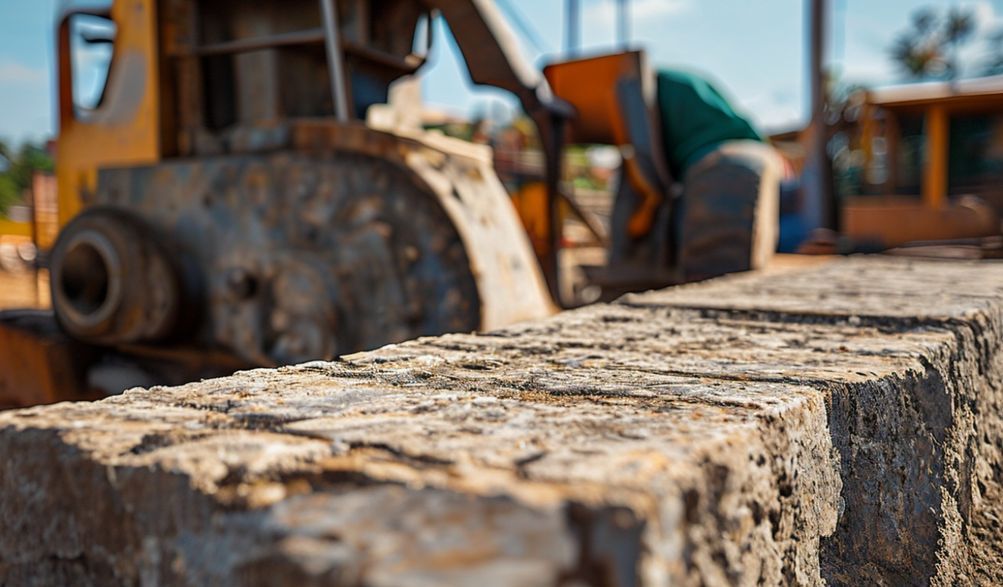
Su Guía Completa sobre la Máquina para Hacer Bloques de Concreto FUDA en Kenia
Introducción
El horizonte de Kenia se está transformando. Desde los bulliciosos complejos residenciales de Nairobi y Kitengela hasta los proyectos de infraestructura que conectan los principales condados, el sector de la construcción está en auge, con una tasa de crecimiento anual estimada de más del 6%. Pero este rápido crecimiento plantea una pregunta crucial: ¿cómo pueden los constructores, contratistas y emprendedores mantenerse al día con la creciente demanda de materiales de construcción de calidad, asequibles y confiables?
La respuesta a menudo se encuentra en los cimientos, literalmente. Para muchos, el método tradicional de producción manual de bloques presenta obstáculos significativos: calidad inconsistente de los bloques que conduce a debilidades estructurales, costos laborales que se disparan y una incapacidad para escalar la producción para cumplir con los plazos del proyecto. Estos desafíos no solo inflan los costos, sino que también comprometen la integridad y la velocidad del entorno construido de Kenia.
Aquí es donde entra en juego la innovación industrial. PresentamosFUDA Maquinariaun fabricante reconocido a nivel mundial cuyaMáquinas para hacer bloques de concreto.están diseñados para ofrecer una solución robusta, rentable y eficiente, adaptada al dinámico mercado keniano. Esta guía sirve como un recurso experto, imparcial y práctico. Analizaremos la oportunidad, la tecnología y los pasos cruciales para integrar exitosamente unMáquina para fabricar bloques de concreto en Kenia de la fábrica de ladrillos FUDA.en su negocio, ayudándole a tomar una decisión fundamentada en conocimiento y contexto local.
¿Por qué elegir una máquina para hacer bloques de concreto para su negocio en Kenia?
Invertir en una máquina para fabricar bloques es más que una compra; es un movimiento estratégico para blindar el futuro de tu negocio de construcción o manufactura. Veamos por qué.
La Oportunidad del Mercado de la Construcción en Kenia
La Visión 2030 de Kenia, junto con una población creciente y la urbanización, impulsa una demanda continua de viviendas, espacios comerciales e infraestructura pública. Los condados se están desarrollando, y la necesidad de bloques de construcción estandarizados y duraderos nunca ha sido mayor. Hay un claro cambio en el mercado, alejándose de los bloques irregulares producidos manualmente hacia bloques prensados a máquina que garantizan un tamaño, forma y resistencia a la compresión consistentes, factores clave para ingenieros y arquitectos que buscan cumplir con los códigos de construcción.
Ventajas Sobre los Métodos Manuales
- Consistencia y Calidad:Una máquina como la de FUDA aplica presión y vibración precisas. Esto resulta en bloques con dimensiones uniformes y alta densidad, lo que se traduce directamente en una mejor resistencia a la compresión (a menudo superior a 3,5 N/mm² para bloques estándar), resistencia al agua e integridad estructural general.
- Alta Producción:Mientras que un artesano habilidoso podría producir entre 300 y 500 bloques al día, una máquina semiautomática básica puede producir entre 2,000 y 5,000. Esta capacidad le permite abastecer de manera confiable grandes proyectos o múltiples clientes sin demora.
- Eficiencia Laboral y de Costos:Aunque hay un desembolso de capital inicial, reduces drásticamente la dependencia a largo plazo de grandes equipos de mano de obra manual. Uno o dos operadores pueden manejar una máquina semiautomática, lo que reduce drásticamente las facturas salariales recurrentes y minimiza los cuellos de botella en la producción.
- Reducción de Residuos:Los mecanismos de medición y mezcla precisos garantizan el uso óptimo de cemento, arena y agregados. Esta eficiencia material aumenta sus márgenes de beneficio y es más sostenible para el medio ambiente.
ROI para Emprendedores
For entrepreneurs, a block making machine is a direct revenue-generating asset. You can establish a block yard supplying:
* Local hardware stores and building material merchants.
* Individual homeowners and small-scale contractors.
* Large construction firms working on housing estates or commercial complexes.
The business model offers flexibility—you can focus solely on block production or integrate it with a broader construction service.
Introducing FUDA Machinery: Expertise in Block Making Technology
Navigating the world of machinery requires partnering with a manufacturer that stands on a foundation of reliability and innovation.
Perfil de la Empresa y Reputación Global
FUDA Machinery is not a trading company; it is an established fábrica with years of dedicated research, development, and manufacturing in concrete machinery. With a focus on robust engineering and technological advancement, FUDA holds relevant international certifications for quality and safety. Their machines are exported worldwide, proving their adaptability across diverse climates and operational conditions. This track record establishes FUDA’s authoritativeness and expertise as an original equipment manufacturer (OEM).
Why FUDA Machines Are Suited for Kenya
- Diseño Robusto: FUDA machines are built with heavy-duty steel plates, quality hydraulics, and powerful vibrators designed to withstand the rigors of continuous production, a non-negotiable for profitable operations.
- Product Adaptability: The Kenyan market uses various block types. FUDA machines, with interchangeable molds, can effortlessly produce:
- Standard Hollow Blocks (4”, 5”, 6”)
- Bloques Sólidos
- Interlocking Blocks (for dry-stack construction)
- Paving Stones and Kerbstones
- Designer blocks for landscaping
- Critical After-Sales Support: This is the cornerstone of confiabilidad. A machine is a long-term investment. Ensure your supplier in Kenya offers:
- On-ground technical support and troubleshooting.
- A ready inventory of genuine spare parts (seals, bearings, mold liners).
- Comprehensive operator and maintenance training.
- Power Flexibility: Understanding Kenya’s power landscape, FUDA offers models compatible with standard 3-phase industrial power. For areas with unreliable supply, many models can be efficiently run using a industrial-grade generator.
Key Features & Technical Specifications of FUDA Block Machines
Understanding the core technology helps you appreciate the value proposition.
Core Operational Features
- Sistema de Vibración: Utilizes high-frequency, vertically-mounted vibrators under high pressure. This dual-force action compacts the concrete mix thoroughly, removing air pockets and creating dense, strong blocks quickly.
- Sistema Hidráulico: A reliable, oil-cooled hydraulic system provides the immense, consistent pressure needed for compaction. It’s designed for stability and low maintenance.
- Automation Spectrum: FUDA offers a range to suit different budgets and production needs:
- Semiautomático: Operator loads mix and initiates cycle; machine handles compaction, molding, and ejection. Ideal for starting a business.
- Fully Automatic (Stationary): Includes automatic material feeding, mixing, conveying, and block stacking via a robotic palletizer. For high-volume production.
- Máquinas Móviles "Ponedoras de Huevos": Produce blocks directly on the ground, perfect for on-site production for large projects.
Popular Models for the Kenyan Market
Here’s a simplified comparison of common model types:
| Model Type | Blocks Per Cycle (Example: 4″ Hollow Block) | Estimated Daily Output (8 hrs) | Ideal For |
| :— | :— | :— | :— |
| Semiautomático | 3 – 6 blocks | 2,500 – 5,000 blocks | Startups, small block yards, contractors |
| Totalmente Automático | 8 – 12 blocks | 10,000 – 25,000+ blocks | Large block manufacturing plants, major suppliers |
| Mobile Egg-Layer | 3 – 4 blocks | 1,500 – 3,000 blocks | Road projects, remote site work, low-investment entry |
Note: Output varies based on block type, operator speed, and mix design.
Raw Material Requirements
FUDA machines are designed to work with locally available materials, keeping your input costs low.
* Cemento: Ordinary Portland Cement (OPC).
* Agregados: Well-graded quarry dust (stone dust), sand, and small crushed stone (¼” or 6mm).
* Mix Ratio: A common, strong mix is 1 part cement to 6-8 parts combined aggregate (e.g., a mix of sand and quarry dust). Water should be clean and added for a semi-dry, moldable consistency.
The Practical Guide: Setting Up Your FUDA Machine in Kenya
Proper setup is 50% of the success formula.
Site and Foundation Requirements
- Espacio: A minimum covered area of 10m x 15m for the machine, raw material storage, block curing, and finished product yard.
- Foundation: A level, reinforced concrete pad (typically 150mm-200mm thick) is mandatory to absorb machine vibrations and ensure stability.
- Utilities: Reliable 3-phase electrical connection (specifications depend on the model). Access to clean water for mixing.
Installation, Commissioning, and Operator Training
- Professional Installation: Never attempt a DIY setup. A reputable supplier will provide or supervise installation and commissioning—the critical process of testing all functions and producing the first batch of blocks.
- Entrenamiento Integral: Insist on hands-on training for your operators. They must understand:
- Safe startup and shutdown procedures.
- Daily operation and basic troubleshooting.
- Mold changing and machine adjustments.
Maintenance for Longevity
A simple routine prevents costly downtime:
* Daily: Clean the machine thoroughly after use. Check hydraulic oil levels and for leaks. Grease all moving points (bearings, guide rods).
* Weekly: Tighten all bolts and nuts. Inspect mold liners for wear.
* Monthly: Check and replace hydraulic filters if needed. Inspect electrical connections.
* Golden Rule: Always use genuine FUDA spare parts. Counterfeit parts can cause machine failure and void warranties.
Making the Investment: Costs, Suppliers, and Due Diligence in Kenya
This is where due diligence separates a successful investment from a costly mistake.
Understanding the Total Cost of Ownership
Look beyond the sticker price. Your total investment includes:
1. Machine Price: Varies by model and automation. As a general guide, semi-automatic models from reputable manufacturers can start from KES 1.2 million, with prices increasing for larger, automated systems.
2. Shipping, Insurance & Customs: Import duty, VAT, and clearing agent fees.
3. Instalación y Puesta en Marcha: Often included by good suppliers.
4. Initial Raw Material Stock: Cement and aggregates for your first production runs.
5. Operating Costs: Electricity, water, labor, and ongoing maintenance.
Finding a Reliable Supplier or Dealer in Kenya
This step is critical for your E-E-A-T (Confianza). Vet potential suppliers rigorously:
* ✅ Physical Presence: Do they have a workshop/showroom you can visit?
* ✅ Local References: Can they provide contacts of past clients in Kenya you can speak to?
* ✅ Parts Inventory: Do they stock a range of common spare parts locally?
* ✅ Technical Team: Do they employ trained technicians for service calls?
* ✅ Authorization: Are they an authorized FUDA partner or distributor? Request proof.
Key Questions to Ask Before You Buy
Arm yourself with this checklist:
1. What is the exact warranty period and what does it cover?
2. What is your typical response time for a service call in my region?
3. Can you provide training manuals in English or Swahili?
4. Do you offer a demonstration using local materials?
5. Can I get a detailed, written breakdown of all costs (CIF Mombasa, etc.)?
6. What is the expected lifespan of the core components (hydraulic pump, vibrators)?
Frequently Asked Questions (FAQ)
Q1: What is the average production capacity of a FUDA semi-automatic block making machine?
A: A typical FUDA semi-automatic model producing standard 4″ hollow blocks can produce between 2,500 to 5,000 blocks in an 8-hour shift, depending on the specific model and operator efficiency.
Q2: Can FUDA machines produce interlocking stabilised soil blocks (ISSBs) as well as concrete blocks?
A: Primarily designed for concrete, FUDA machines require a specific, stabilized soil mix and potentially different mold configurations for ISSBs. Consult directly with the factory or an experienced local dealer to confirm compatibility for soil-based blocks.
Q3: How long does it take to get spare parts for a FUDA machine in Kenya?
A: This depends entirely on your supplier. A reputable dealer with a local parts inventory can provide common items immediately. For specialized parts, lead times can range from 2-6 weeks from the factory. Always confirm parts availability before purchase.
Q4: What kind of after-sales service can I expect from a reputable dealer in Kenya?
A: You should expect initial installation and commissioning, basic operator training, a warranty period covering manufacturing defects, and access to technical support via phone or site visits. The best dealers offer scheduled maintenance check-ups.
Q5: What is the typical lead time from order to installation for a machine shipped to Kenya?
A: After order confirmation and payment, factor in approximately 4-8 weeks for production, sea freight to Mombasa, customs clearance, and inland transportation to your site, followed by installation.
Q6: Are there financing options available for purchasing a block making machine in Kenya?
A: Some machinery suppliers partner with local financial institutions to offer asset financing or leasing options. Additionally, businesses can explore loans from commercial banks or development finance institutions like the Kenya Industrial Estates (KIE).
Conclusión
Kenya’s construction revolution demands modern solutions. Embracing technology like the Máquina para hacer bloques de concreto FUDA presents a tangible path to building a more efficient, profitable, and quality-driven business—whether you are a contractor aiming for self-sufficiency or an entrepreneur launching a manufacturing venture.
We’ve explored the significant market opportunity, the robust engineering behind FUDA machines, the practicalities of setup, and the all-important due diligence required when choosing a supplier in Kenya. The key takeaway is that success hinges on three pillars: choosing the right machine for your needs, setting it up correctly, and partnering with a supplier whose after-sales support is as solid as the blocks you’ll produce.
Your Next Step: Armed with this knowledge, proactively contact shortlisted suppliers in Kenya. Request a detailed quotation, ask for a live demonstration using local materials, and rigorously verify their client references and service commitments. Investing in the right concrete block making machine from the FUDA brick making factory is a decisive step toward constructing not just buildings, but a sustainable and prosperous future for your business and for Kenya.
<