
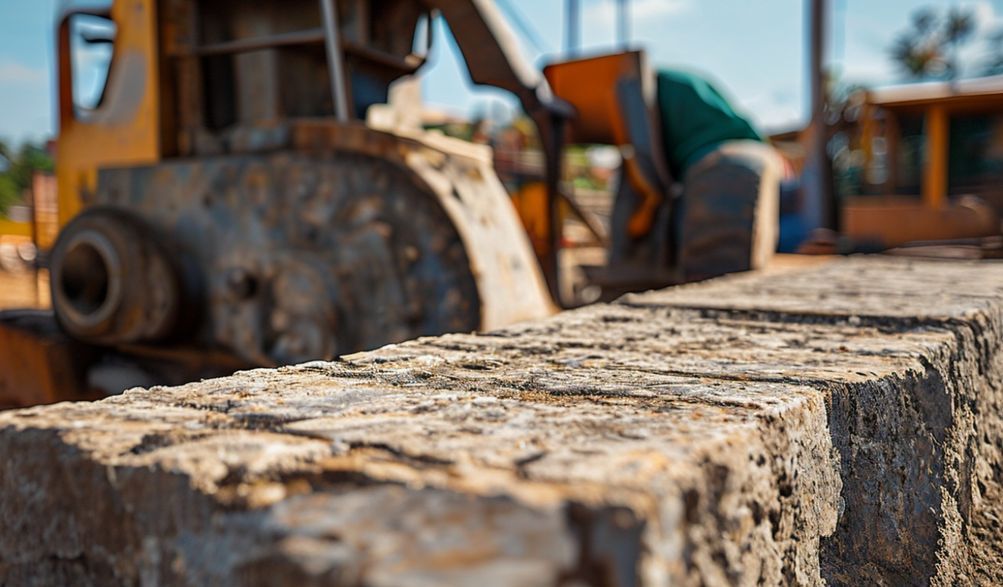
ຄູ່ມືສົມບູນຂອງທ່ານສໍາລັບເຄື່ອງຈັກເຮັດຄອນກຣີດ FUDA ໃນເຄັນຢາ
ການແນະນຳ
Kenya’s skyline is transforming. From the bustling residential estates of Nairobi and Kitengela to the infrastructure projects linking major counties, the construction sector is booming, with an estimated annual growth rate of over 6%. But this rapid growth brings a critical question to the fore: how can builders, contractors, and entrepreneurs keep up with the soaring demand for quality, affordable, and reliable building materials?
The answer often lies at the foundation—literally. For many, the traditional method of manual block production presents significant hurdles: inconsistent block quality leading to structural weaknesses, skyrocketing labor costs, and an inability to scale production to meet project deadlines. These challenges not only inflate costs but also compromise the integrity and speed of Kenya’s built environment.
ນີ້ແມ່ນບ່ອນທີ່ນະວັດຕະກໍາອຸດສາຫະກໍາເຂົ້າມາມີບົດບາດ. ກໍາລັງນໍາເຂົ້າສູ່ຟູດາ ເຄື່ອງຈັກຜູ້ຜະລິດທີ່ໄດ້ຮັບການຮັບຮູ້ທົ່ວໂລກເຄື່ອງຈັກຜະລິດຄອນກຣີດບລັອກ are engineered to provide a robust, cost-effective, and efficient solution tailored for the dynamic Kenyan market. This guide serves as an expert, unbiased, and practical resource. We will dissect the opportunity, the technology, and the crucial steps to successfully integrate a ເຄື່ອງຈັກຜະລິດຄອນກຣີດໃນເຄັນຢາ ຈາກໂຮງງານຜະລິດດິນຈີ່ FUDAເຂົ້າໄປໃນທຸລະກິດຂອງທ່ານ, ຊ່ວຍໃຫ້ທ່ານຕັດສິນໃຈໂດຍອີງໃສ່ຄວາມຮູ້ ແລະ ບໍລິບົດທ້ອງຖິ່ນ.
ເຫດຜົນທີ່ຄວນເລືອກເຄື່ອງຜະລິດຄອນກຣີດບລັອກສຳລັບທຸລະກິດໃນເຄັນຢາ?
ການລົງທຶນໃນເຄື່ອງຜະລິດບລັອກບໍ່ແມ່ນພຽງການຊື້ຂາຍທຳມະດາ; ມັນເປັນຍຸດທະສາດທີ່ຈະຮັບປະກັນອະນາຄົດຂອງທຸລະກິດກໍ່ສ້າງ ຫຼື ການຜະລິດຂອງທ່ານ. ມາເບິ່ງກັນວ່າເປັນຫຍັງ.
ຕະຫຼາດການກໍ່ສ້າງໃນເຄັນຢາມີໂອກາດທາງດ້ານການລົງທຶນ
Kenya’s Vision 2030, coupled with a growing population and urbanization, fuels continuous demand in housing, commercial spaces, and public infrastructure. Counties are developing, and the need for standardized, durable building blocks has never been higher. There is a clear market shift away from irregular, manually-produced blocks towards machine-pressed blocks that guarantee consistent size, shape, and compressive strength—key factors for engineers and architects seeking compliance with building codes.
ຂໍ້ໄດ້ປຽບເມື່ອທຽບກັບວິທີການດ້ວຍມື
- ສອດຄ່ອງ ແລະ ຄຸນນະພາບ: A machine like FUDA’s applies precise pressure and vibration. This results in blocks with uniform dimensions and high density, directly translating to better compressive strength (often exceeding 3.5 N/mm² for standard blocks), water resistance, and overall structural integrity.
- ຜົນຜະລິດສູງ While a skilled artisan might produce 300-500 blocks in a day, a basic semi-automatic machine can produce 2,000-5,000. This capacity allows you to reliably supply large projects or multiple clients without delay.
- Labor & Cost Efficiency: Although there’s an initial capital outlay, you drastically reduce long-term reliance on large manual labor teams. One or two operators can run a semi-automatic machine, slashing recurring wage bills and minimizing production bottlenecks.
- Waste Reduction: Precise measurement and mixing mechanisms ensure optimal use of cement, sand, and aggregate. This material efficiency boosts your profit margins and is more environmentally sustainable.
ROI for Entrepreneurs
For entrepreneurs, a block making machine is a direct revenue-generating asset. You can establish a block yard supplying:
* Local hardware stores and building material merchants.
* Individual homeowners and small-scale contractors.
* Large construction firms working on housing estates or commercial complexes.
The business model offers flexibility—you can focus solely on block production or integrate it with a broader construction service.
Introducing FUDA Machinery: Expertise in Block Making Technology
Navigating the world of machinery requires partnering with a manufacturer that stands on a foundation of reliability and innovation.
Company Profile & Global Reputation
FUDA Machinery is not a trading company; it is an established ບໍລິສັດ with years of dedicated research, development, and manufacturing in concrete machinery. With a focus on robust engineering and technological advancement, FUDA holds relevant international certifications for quality and safety. Their machines are exported worldwide, proving their adaptability across diverse climates and operational conditions. This track record establishes FUDA’s authoritativeness and expertise as an original equipment manufacturer (OEM).
Why FUDA Machines Are Suited for Kenya
- Robust Design: FUDA machines are built with heavy-duty steel plates, quality hydraulics, and powerful vibrators designed to withstand the rigors of continuous production, a non-negotiable for profitable operations.
- Product Adaptability: The Kenyan market uses various block types. FUDA machines, with interchangeable molds, can effortlessly produce:
- Standard Hollow Blocks (4”, 5”, 6”)
- Solid Blocks
- Interlocking Blocks (for dry-stack construction)
- Paving Stones and Kerbstones
- Designer blocks for landscaping
- Critical After-Sales Support: This is the cornerstone of ຄວາມເຊື່ອຖືໄດ້. A machine is a long-term investment. Ensure your supplier in Kenya offers:
- On-ground technical support and troubleshooting.
- A ready inventory of genuine spare parts (seals, bearings, mold liners).
- Comprehensive operator and maintenance training.
- Power Flexibility: Understanding Kenya’s power landscape, FUDA offers models compatible with standard 3-phase industrial power. For areas with unreliable supply, many models can be efficiently run using a industrial-grade generator.
Key Features & Technical Specifications of FUDA Block Machines
Understanding the core technology helps you appreciate the value proposition.
Core Operational Features
- ລະບົບການສັ່ນສະເທືອນ: Utilizes high-frequency, vertically-mounted vibrators under high pressure. This dual-force action compacts the concrete mix thoroughly, removing air pockets and creating dense, strong blocks quickly.
- ລະບົບນ້ຳມັນເຄື່ອງ: A reliable, oil-cooled hydraulic system provides the immense, consistent pressure needed for compaction. It’s designed for stability and low maintenance.
- Automation Spectrum: FUDA offers a range to suit different budgets and production needs:
- ກົງກັນຂ້າມ: Operator loads mix and initiates cycle; machine handles compaction, molding, and ejection. Ideal for starting a business.
- Fully Automatic (Stationary): Includes automatic material feeding, mixing, conveying, and block stacking via a robotic palletizer. For high-volume production.
- Mobile “Egg-Laying” Machines: Produce blocks directly on the ground, perfect for on-site production for large projects.
Popular Models for the Kenyan Market
Here’s a simplified comparison of common model types:
| Model Type | Blocks Per Cycle (Example: 4″ Hollow Block) | Estimated Daily Output (8 hrs) | Ideal For |
| :— | :— | :— | :— |
| Semi-Automatic | 3 – 6 blocks | 2,500 – 5,000 blocks | Startups, small block yards, contractors |
| Fully Automatic | 8 – 12 blocks | 10,000 – 25,000+ blocks | Large block manufacturing plants, major suppliers |
| Mobile Egg-Layer | 3 – 4 blocks | 1,500 – 3,000 blocks | Road projects, remote site work, low-investment entry |
Note: Output varies based on block type, operator speed, and mix design.
Raw Material Requirements
FUDA machines are designed to work with locally available materials, keeping your input costs low.
* ຊີມັງ Ordinary Portland Cement (OPC).
* ວັດສະດຸກໍ່ສ້າງທີ່ເປັນກ້ອນ Well-graded quarry dust (stone dust), sand, and small crushed stone (¼” or 6mm).
* Mix Ratio: A common, strong mix is 1 part cement to 6-8 parts combined aggregate (e.g., a mix of sand and quarry dust). Water should be clean and added for a semi-dry, moldable consistency.
The Practical Guide: Setting Up Your FUDA Machine in Kenya
Proper setup is 50% of the success formula.
Site and Foundation Requirements
- Space: A minimum covered area of 10m x 15m for the machine, raw material storage, block curing, and finished product yard.
- Foundation: A level, reinforced concrete pad (typically 150mm-200mm thick) is mandatory to absorb machine vibrations and ensure stability.
- Utilities: Reliable 3-phase electrical connection (specifications depend on the model). Access to clean water for mixing.
Installation, Commissioning, and Operator Training
- Professional Installation: Never attempt a DIY setup. A reputable supplier will provide or supervise installation and commissioning—the critical process of testing all functions and producing the first batch of blocks.
- Comprehensive Training: Insist on hands-on training for your operators. They must understand:
- Safe startup and shutdown procedures.
- Daily operation and basic troubleshooting.
- Mold changing and machine adjustments.
Maintenance for Longevity
A simple routine prevents costly downtime:
* Daily: Clean the machine thoroughly after use. Check hydraulic oil levels and for leaks. Grease all moving points (bearings, guide rods).
* Weekly: Tighten all bolts and nuts. Inspect mold liners for wear.
* Monthly: Check and replace hydraulic filters if needed. Inspect electrical connections.
* Golden Rule: Always use genuine FUDA spare parts. Counterfeit parts can cause machine failure and void warranties.
Making the Investment: Costs, Suppliers, and Due Diligence in Kenya
This is where due diligence separates a successful investment from a costly mistake.
Understanding the Total Cost of Ownership
Look beyond the sticker price. Your total investment includes:
1. Machine Price: Varies by model and automation. As a general guide, semi-automatic models from reputable manufacturers can start from KES 1.2 million, with prices increasing for larger, automated systems.
2. Shipping, Insurance & Customs: Import duty, VAT, and clearing agent fees.
3. Installation & Commissioning: Often included by good suppliers.
4. Initial Raw Material Stock: Cement and aggregates for your first production runs.
5. ຄ່າໃຊ້ຈ່າຍດໍາເນີນງານ: Electricity, water, labor, and ongoing maintenance.
Finding a Reliable Supplier or Dealer in Kenya
This step is critical for your E-E-A-T (Trustworthiness). Vet potential suppliers rigorously:
* ✅ Physical Presence: Do they have a workshop/showroom you can visit?
* ✅ Local References: Can they provide contacts of past clients in Kenya you can speak to?
* ✅ Parts Inventory: Do they stock a range of common spare parts locally?
* ✅ Technical Team: Do they employ trained technicians for service calls?
* ✅ Authorization: Are they an authorized FUDA partner or distributor? Request proof.
Key Questions to Ask Before You Buy
Arm yourself with this checklist:
1. What is the exact warranty period and what does it cover?
2. What is your typical response time for a service call in my region?
3. Can you provide training manuals in English or Swahili?
4. Do you offer a demonstration using local materials?
5. Can I get a detailed, written breakdown of all costs (CIF Mombasa, etc.)?
6. What is the expected lifespan of the core components (hydraulic pump, vibrators)?
Frequently Asked Questions (FAQ)
Q1: What is the average production capacity of a FUDA semi-automatic block making machine?
A: A typical FUDA semi-automatic model producing standard 4″ hollow blocks can produce between 2,500 to 5,000 blocks in an 8-hour shift, depending on the specific model and operator efficiency.
Q2: Can FUDA machines produce interlocking stabilised soil blocks (ISSBs) as well as concrete blocks?
A: Primarily designed for concrete, FUDA machines require a specific, stabilized soil mix and potentially different mold configurations for ISSBs. Consult directly with the factory or an experienced local dealer to confirm compatibility for soil-based blocks.
Q3: How long does it take to get spare parts for a FUDA machine in Kenya?
A: This depends entirely on your supplier. A reputable dealer with a local parts inventory can provide common items immediately. For specialized parts, lead times can range from 2-6 weeks from the factory. Always confirm parts availability before purchase.
Q4: What kind of after-sales service can I expect from a reputable dealer in Kenya?
A: You should expect initial installation and commissioning, basic operator training, a warranty period covering manufacturing defects, and access to technical support via phone or site visits. The best dealers offer scheduled maintenance check-ups.
Q5: What is the typical lead time from order to installation for a machine shipped to Kenya?
A: After order confirmation and payment, factor in approximately 4-8 weeks for production, sea freight to Mombasa, customs clearance, and inland transportation to your site, followed by installation.
Q6: Are there financing options available for purchasing a block making machine in Kenya?
A: Some machinery suppliers partner with local financial institutions to offer asset financing or leasing options. Additionally, businesses can explore loans from commercial banks or development finance institutions like the Kenya Industrial Estates (KIE).
ສະຫຼຸບ
Kenya’s construction revolution demands modern solutions. Embracing technology like the ຈັກຜະລິດຄອນກຣີດບລັອກ FUDA presents a tangible path to building a more efficient, profitable, and quality-driven business—whether you are a contractor aiming for self-sufficiency or an entrepreneur launching a manufacturing venture.
We’ve explored the significant market opportunity, the robust engineering behind FUDA machines, the practicalities of setup, and the all-important due diligence required when choosing a supplier in Kenya. The key takeaway is that success hinges on three pillars: choosing the right machine for your needs, setting it up correctly, and partnering with a supplier whose after-sales support is as solid as the blocks you’ll produce.
Your Next Step: Armed with this knowledge, proactively contact shortlisted suppliers in Kenya. Request a detailed quotation, ask for a live demonstration using local materials, and rigorously verify their client references and service commitments. Investing in the right concrete block making machine from the FUDA brick making factory is a decisive step toward constructing not just buildings, but a sustainable and prosperous future for your business and for Kenya.
<