
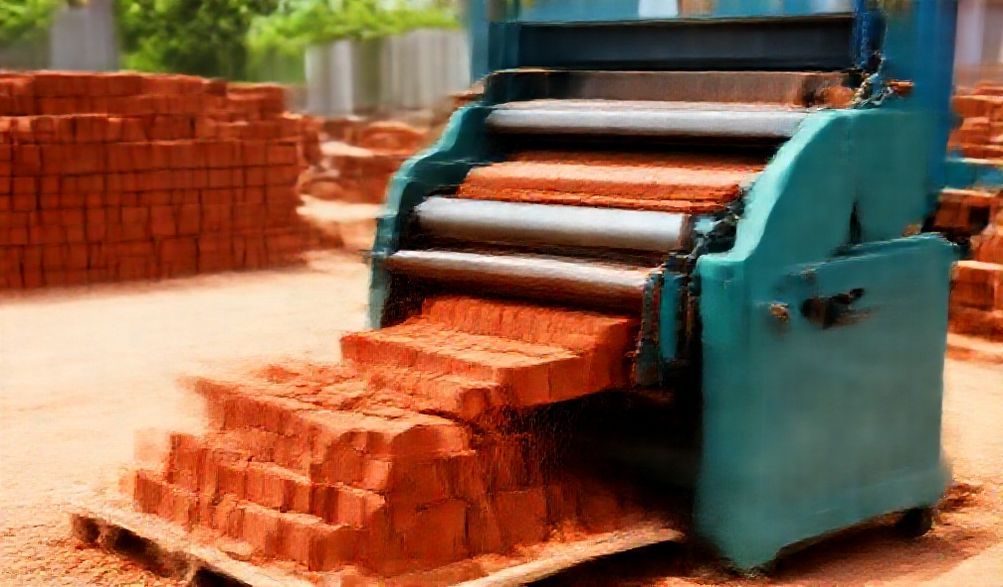
Prix des Machines à Fabriquer des Briques en Argile en Andhra Pradesh 2026 : Un Guide Complet pour l'Acheteur
Introduction
Le paysage urbain de l'Andhra Pradesh est en pleine mutation. De la région capitale ambitieuse d'Amaravati aux ports animés de Visakhapatnam en passant par les centres spirituels de Tirupati, un boom de la construction est en cours. À la base même de cette croissance se trouve un élément modeste mais essentiel : la brique. Pendant des décennies, l'industrie a reposé sur un travail manuel éreintant, mais la tendance est en train de s'inverser. Aujourd'hui, des entrepreneurs visionnaires et des entreprises établies se tournent vers la mécanisation pour garantir efficacité, régularité et, en fin de compte, une rentabilité accrue.
Cependant, pénétrer dans l'univers des machines à fabriquer des briques peut être intimidant. Une simple recherche pour unePrix de la machine à fabriquer des briques en argile en Andhra Pradeshrévèle une gamme déroutante – de quelques lakhs à plusieurs crores. Cette variance n'est pas arbitraire ; elle reflète la capacité, l'automatisation et la qualité. En tant que propriétaire d'entreprise à Guntur, Krishna ou Anantapur, comment démêler le vrai du faux et faire un investissement qui stimule votre croissance, plutôt que de l'entraver ?
Ce guide complet est votre solution. Forts de plusieurs années d'expérience directe dans le secteur des machines de construction à travers l'Inde du Sud, nous vous offrons une analyse transparente et détaillée du marché. Nous vous donnerons les connaissances nécessaires pour naviguer les prix, comprendre le coût réel de possession et choisir une machine qui correspond parfaitement à vos objectifs de production et aux dynamiques uniques du marché de l'Andhra Pradesh. Considérez ceci comme votre feuille de route fiable pour un investissement plus avisé.
Facteurs influençant les prix des machines de fabrication de briques en terre cuite en AP
Le prix d'une machine à fabriquer des briques n'est pas un chiffre aléatoire. Il résulte de plusieurs facteurs clés. Comprendre ceux-ci vous aidera à décrypter les devis et à comparer les options efficacement.
Type de Machine & Niveau d'Automatisation
C'est le principal facteur de coût. Le spectre va de l'intervention purement manuelle aux usines entièrement automatisées.
* Machines manuelles :Nécessite un effort humain important pour le mélange, l'alimentation et le moulage. Coût initial le plus bas, mais coût de main-d'œuvre à long terme le plus élevé et qualité de production variable.
* Machines semi-automatiques :Trouver un équilibre. Ils mécanisent les processus critiques de pressage et de moulage, souvent avec des systèmes hydrauliques, tout en nécessitant un chargement manuel ou un retrait des briques. Cela offre un excellent mélange d'accessibilité financière, d'amélioration de la production et de régularité.
* Plantes entièrement automatiques :Ce sont des lignes de production complètes. Elles intègrent l'alimentation automatisée des matériaux, le convoyage, le pressage, l'empilage et parfois même le palettisation. Le prix reflète la réduction spectaculaire de la main-d'œuvre et l'énorme production uniforme.
Capacité de production (briques par heure)
Votre production cible détermine directement le prix. Les machines sont généralement classées en fonction de leur capacité de production horaire.
* Petite échelle (500-1500 BPH) :Idéal pour les entrepreneurs locaux, les micro-entreprises, ou pour compléter une production manuelle existante. Répond à la demande spécifique d'un village ou d'une ville.
* Moyenne échelle (1500-5000 BPH) :Le point idéal pour développer des briqueteries et des petites et moyennes entreprises (PME) visant à approvisionner plusieurs projets ou distributeurs à l'échelle d'un district.
* Grande échelle (plus de 5000 BPH) :Conçu pour les briqueteries industrielles qui approvisionnent les grandes entreprises de construction, les projets gouvernementaux ou opèrent à travers plusieurs régions. Il s'agit d'investissements substantiels.
Principales Spécifications Techniques
Le diable se cache dans les détails. Deux machines de capacité similaire peuvent avoir des prix différents selon leur construction.
* Puissance du moteur (CV/kW) :Un moteur plus puissant peut traiter de l'argile plus résistante et garantir un fonctionnement régulier, mais il augmentera le prix d'achat et vos coûts d'électricité continus—une considération essentielle compte tenu des tarifs industriels de l'électricité en Andhra Pradesh.
* Type de Moule & Personnalisation :Les moules standard pour briques pleines sont courants. Si vous avez besoin de produire des blocs creux, des pavés ou des briques de design, des moules personnalisés ou supplémentaires augmentent le coût. La polyvalence a un prix.
* Qualité de construction et matériaux :La qualité de l'acier utilisé dans la structure, la fiabilité des vérins hydrauliques et la robustesse des armoires électriques déterminent la durabilité. Une machine construite avec des composants supérieurs aura un prix initial plus élevé, mais des coûts de maintenance sur sa durée de vie plus faibles.
Marque et Lieu de Fabrication
La réputation et l'origine de la marque jouent un rôle significatif dans la fixation des prix et la valeur.
* Machines fabriquées en Inde :Les marques disposant d'une solide base de production en Inde offrent souvent des prix compétitifs et, surtout, un accès plus facile aux pièces détachées et aux réseaux de service en Andhra Pradesh.
* Marques Importées :Les machines de certains fabricants européens ou chinois peuvent offrir des avantages technologiques spécifiques ou des prix compétitifs. Cependant, il est essentiel de prendre en compte les délais plus longs pour les pièces de rechange, les éventuels problèmes de compatibilité et la disponibilité d'une expertise technique locale pour les réparations.
Dynamiques du Marché Local en Andhra Pradesh
L'"Andhra Pradesh" dans votre requête de recherche est important. Les facteurs locaux influencent le coût final à l'arrivée.
* Supplier Proximity: Sourcing from a dealer or manufacturer in Hyderabad, Chennai, or within AP itself can reduce transportation and logistics costs significantly compared to a machine shipped from North India.
* District-wise Demand: Industrial activity in districts like Guntur (agricultural infrastructure), Krishna (urban development), or Anantapur (mining-related construction) can create localized demand, subtly affecting availability and dealer pricing strategies.
Detailed Price Breakdown by Machine Type (2026 Estimates)
Note: The following price ranges are indicative estimates for 2026 based on current market trends and inflation. Prices are subject to change based on raw material costs and technological advancements. Always request detailed, current quotations from suppliers.
Manual & Hand-Operated Machines
- Gamme de prix : ₹75,000 – ₹2,50,000
- Idéal pour : Micro-enterprises, individual masons, or very low-volume production for personal use.
- Avantages : Very low capital investment, simple operation, minimal maintenance.
- Inconvénients : Extremely labor-intensive, low and inconsistent output, physical strain on workers, not suitable for commercial profitability.
Semi-Automatic Clay Brick Machines
- Gamme de prix : ₹3,00,000 – ₹12,00,000
- Idéal pour : This is the most popular and practical category for small to medium businesses (SMBs) and entrepreneurs in Andhra Pradesh starting or scaling a brick-making unit.
- Caractéristiques : Typically include a hydraulic press system, a fixed or mobile mold, and may have a simple conveyor for brick ejection. They offer a substantial leap in daily output (often 8,000-25,000 bricks per day) with a manageable workforce of 5-8 people.
Usines de fabrication de briques entièrement automatiques
- Gamme de prix : ₹15,00,000 – ₹75,00,000 and above
- Idéal pour : Large-scale brick field owners, industrial units, and businesses aiming for high-volume production with minimal manual intervention.
- Caractéristiques : These are integrated systems. The price includes automatic material feeders, conveyor belts, high-pressure hydraulic presses, programmable logic controller (PLC) systems, and sometimes automatic stackers or palletizers. Output can exceed 50,000 bricks per day with a lean crew.
Beyond the Sticker Price: Calculating Your Total Investment
The machine’s purchase price is just the first chapter. A smart buyer budgets for the total cost of ownership.
Installation & Commissioning Costs
Don’t overlook the cost of foundation work, electrical connection upgrades (to handle the motor load), and the technician’s travel and stay for installation and training. This can typically add 3-7% to your project cost.
Cost of Auxiliary Equipment
A brick-making machine rarely works alone. To create a functional unit, you may need:
* Unclay crusheroupugmill mixer to prepare raw material.
* Conveyors for moving raw clay and green bricks.
* Untractor or trolley for material handling.
Budget an additional ₹2-10 lakhs for this auxiliary equipment, depending on your level of automation.
Operating Costs in Andhra Pradesh
Your monthly expenses will determine profitability.
* Electricity: Calculate based on the motor’s kW rating and Andhra Pradesh’s industrial electricity tariff.
* Travail : Factor in local wage rates for machine operators, helpers, and yard workers.
* Raw Material: The cost and logistics of sourcing quality clay from nearby deposits.
Maintenance & Spare Parts Budget
Set aside 2-5% of the machine’s cost annually for routine maintenance and spare parts (like hydraulic seals, mold liners, electrical components). A machine with local service support in AP is invaluable here, minimizing downtime.
How to Find Reliable Suppliers in Andhra Pradesh
Choosing the right supplier is as important as choosing the right machine.
Researching Local Dealers & Direct Manufacturers
Start with online directories and trade associations, but go beyond. Prioritize suppliers with a physical workshop or office in South India. Always insist on visiting a working installation to see the machine in action and speak to the current owner.
Key Questions to Ask Before Buying
- What is the warranty period and what does it cover?
- Do you have a service engineer based in or frequently visiting Andhra Pradesh?
- Can you provide training for my operators at my site?
- May I have contact details for 2-3 of your past clients in Tamil Nadu, Karnataka, or AP?
- What is the guaranteed delivery time for critical spare parts?
The Importance of After-Sales Service
In the machinery business, downtime is lost money. A supplier who offers prompt, local technical support is often a better choice than one offering a slightly cheaper machine but no reliable service network. This support is your long-term insurance policy.
Maximizing Your ROI: Tips for Brick Machine Owners in AP
Sourcing Quality Raw Material Locally
Your brick’s quality starts with the clay. Test the plasticity and composition of local soil. Building good relationships with local landowners or clay pit operators can ensure a consistent, cost-effective supply.
Optimizing Production for Local Demand
Understand regional preferences. While standard red clay bricks are universally used, some areas may have higher demand for hollow blocks (for reduced load and thermal insulation) or pavers for urban development. Adapting your product mix can increase sales.
Government Schemes & Subsidies
Explore financial support. Both the Central Government’s MSME schemes and Andhra Pradesh’s state industrial policies may offer capital subsidies, interest subventions on loans, or tax benefits for setting up manufacturing units. Consult with a local Chartered Accountant or the District Industries Centre (DIC).
FAQ Section
Q1: What is the cheapest clay brick making machine available for Andhra Pradesh?
A1: Basic manual fly-ash or clay brick presses can start as low as ₹75,000. However, it’s critical to evaluate not just the purchase price but the long-term operational cost in terms of labor, output speed, and product consistency. For any commercial venture, a semi-automatic machine usually offers a much faster return on investment.
Q2: Are Chinese brick making machines a good option for AP?
A2: Chinese machines can be very competitively priced. The key is rigorous vetting. Ensure the supplier has a proven track record, offers a comprehensive warranty, and—most importantly—guarantees the availability of spare parts in India through a local partner. Often, an Indian-made machine with robust local after-sales service provides better long-term value and less operational risk.
Q3: Can I get a loan to buy a brick machine in Andhra Pradesh?
A3: Yes, absolutely. Most nationalized banks (SBI, Canara Bank) and private banks offer term loans for machinery purchase under their MSME or business enterprise categories. You will need a detailed project report (DPR), proof of identity/address, and likely some collateral. A strong DPR that includes market analysis for your region in AP strengthens your application.
Q4: How much space do I need to set up a small brick making unit in AP?
A4: For a semi-automatic machine with space for raw material storage, the machine shed, and a drying yard for green bricks, a minimum plot of 10,000 to 15,000 square feet is recommended. Crucially, you must verify the zoning regulations (industrial vs. agricultural land) with your local municipal or panchayat authorities before investing in land.
Q5: What is the average payback period for this investment in the current AP market?
A5: With efficient management, good clay sourcing, and steady demand, a well-run semi-automatic brick-making unit in Andhra Pradesh can typically achieve a payback period of 1.5 to 3 years. This depends heavily on factors like your machine’s capacity, the selling price of bricks in your district, and your operational efficiency.
Conclusion
Navigating the Prix de la machine à fabriquer des briques en argile en Andhra Pradesh landscape reveals a clear truth: cost is a direct reflection of capability. Your investment can range from under one lakh rupees for basic manual tools to over seventy-five lakhs for a fully automated plant. The “right” price is the one that corresponds to a machine which meets your specific production targets, fits your budget for both purchase and operation, and comes with the promise of reliable after-sales support within the state.
Remember, the most economical machine is not the cheapest to buy, but the one that offers the lowest total cost of ownership and the highest return over its lifespan. We hope this guide serves as a solid framework for your research and decision-making process.
Ready to take the next step? Our team, with deep roots in South India’s machinery sector, is here to help. Use the insights from this guide to define your needs, and then contact us for a personalized consultation or a detailed quotation tailored to your project in Andhra Pradesh. Let’s build the foundation of your success, brick by brick.
<