L'Évolution du Paysage de la Fabrication de Briques : Naviguer vers le Virage des Matériaux de Construction Écologiques
Les forces motrices derrière la transition verte
1.1. Pressions réglementaires et de certification
Les gouvernements et les organismes internationaux mettent en œuvre des codes de construction rigoureux et des normes environnementales de plus en plus strictes. Les réglementations visant les émissions de carbone, la consommation d'énergie dans la fabrication et l'utilisation de contenu recyclé deviennent monnaie courante. De plus, les systèmes de certification de bâtiments durables, tels que LEED, BREEAM et d'autres, attribuent des points pour l'utilisation de matériaux durables, y compris des briques à faible énergie intrinsèque, à haute teneur en recyclé, ou celles qui contribuent à des enveloppes de bâtiment écoénergétiques. Pour les professionnels de l'approvisionnement, spécifier des matériaux qui aident les projets à obtenir ces certifications constitue un service à valeur ajoutée essentiel. Les fabricants sont ainsi contraints d'adapter leur production pour répondre à ces exigences codifiées, car le non-respect peut entraîner leur exclusion des projets majeurs.
1.2. Demande du marché et sensibilisation environnementale
La demande des utilisateurs finaux, qu'il s'agisse de promoteurs commerciaux ou de propriétaires résidentiels, constitue un puissant moteur de marché. Une part croissante de consommateurs accorde la priorité à la durabilité et est prête à investir dans des bâtiments à l'empreinte environnementale réduite. Cette prise de conscience se traduit directement par des spécifications que les entrepreneurs et les architectes doivent respecter, lesquelles se répercutent ensuite tout au long de la chaîne d'approvisionnement, des distributeurs aux producteurs. La brique, en tant qu'élément visible et substantiel d'une structure, est de plus en plus scrutée pour ses qualités écologiques. Cette poussée menée par les consommateurs encourage les fabricants à différencier leurs produits sur la base d'attributs de durabilité, créant ainsi de nouvelles opportunités de marketing et de vente pour les distributeurs.
1.3. Incitations Économiques et Analyse du Coût du Cycle de Vie
Le surcoût initial souvent associé à certains matériaux écologiques est compensé par une analyse plus large des coûts totaux sur le cycle de vie. Les briques durables, notamment celles offrant des propriétés d'isolation supérieures, contribuent à des économies d'énergie significatives tout au long de la vie opérationnelle d'un bâtiment. De plus, les gains d'efficacité dans la fabrication—tels qu'une réduction de la consommation d'énergie ou d'eau—peuvent diminuer les coûts de production avec le temps. Pour les distributeurs, comprendre et communiquer cette proposition de valeur à long terme, au-delà du simple prix unitaire, est essentiel pour justifier les investissements dans les produits de briques de nouvelle génération.
Transformations dans les processus de production de briques
2.1. Innovation dans l'approvisionnement en matières premières
La quête de la durabilité commence dans la carrière d'argile et le four. La fabrication traditionnelle de briques est gourmande en ressources, reposant fortement sur l'argile vierge et le schiste.
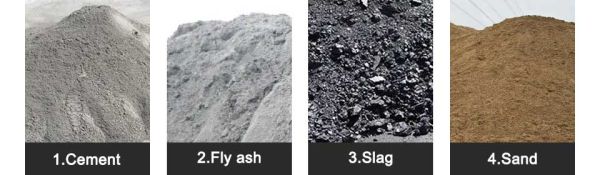
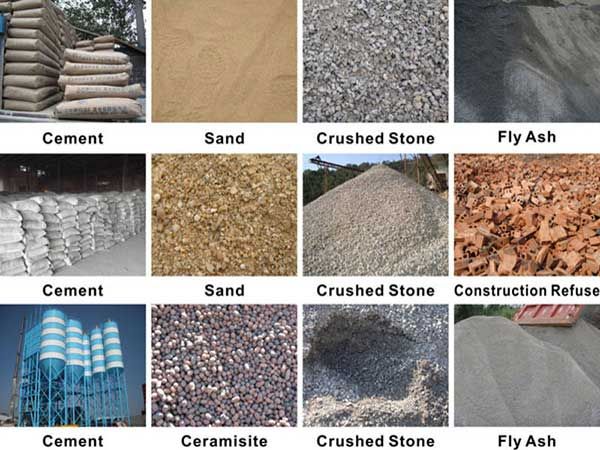
- Utilisation de matériaux recyclés et alternatifs :Les producteurs intègrent de plus en plus de déchets post-industriels et post-consommation dans leurs mélanges. Cela inclut des matériaux comme les cendres volantes (un sous-produit de la combustion du charbon), le verre recyclé, le sable de fonderie, et même les boues d'épuration traitées. Ces ajouts peuvent réduire le besoin en argile vierge, valoriser les déchets et, parfois, améliorer les propriétés de la brique, comme sa résistance après cuisson ou sa variation de couleur.
- Pratiques d'extraction durable :Même pour l'argile vierge, l'approvisionnement responsable gagne en importance. Cela implique des plans de restauration des sols, une minimisation du retrait de la terre végétale et la garantie de la protection de la biodiversité autour des sites d'extraction.
2.2. Energy Efficiency and Emission Reduction in Firing
The firing process in kilns is the most energy-intensive and polluting stage of brick production, traditionally relying on fossil fuels.
- Kiln Technology Advancements: Modern tunnel kilns are being optimized for better heat recovery and circulation, drastically reducing fuel consumption. Some innovators are exploring hybrid firing systems and even fully electric kilns powered by renewable energy.
- Alternative Fuels: The substitution of coal and natural gas with biomass or biogas is a growing area of exploration. While technical challenges exist regarding consistent heat quality and emissions, successful implementation can dramatically lower the carbon footprint of fired bricks.
- Carbon Capture and Utilization (CCU): Experimental technologies are looking at capturing CO2 emissions from kiln stacks and either storing them or utilizing them in other industrial processes, pushing toward the concept of “carbon-neutral” or even “carbon-negative” bricks.
2.3. Water Conservation and Waste Management
Brick production is a significant consumer of water, primarily in the mixing and shaping stages.
- Closed-Loop Water Systems: Leading plants are implementing systems to recycle and reuse process water, dramatically reducing freshwater withdrawal and mitigating contaminated runoff.
- Zero-Waste Ambitions: The industry is moving toward models where production waste—such as unfired scrap, broken bricks, and kiln dust—is systematically recycled back into the production line. This not only minimizes landfill use but also improves raw material yield.
Emerging Categories of Sustainable Brick Products
3.1. High-Performance and Insulating Bricks
Beyond the production process, the brick itself is being re-engineered for operational sustainability.
- Improved Thermal Performance: Innovations like internal micro-porosity, special additives, and unique firing techniques are creating bricks with significantly lower thermal conductivity. These products enable builders to meet stringent energy codes without adding external insulation layers, simplifying construction and improving moisture management.
- Structural-Insulation Hybrids: Some manufacturers are developing larger-format bricks with intricate internal geometries that provide both structural support and high insulation values, effectively combining multiple building functions into a single, mortar-less unit.
3.2. Bio-Based and Non-Fired Alternatives
While not replacing traditional fired clay bricks, these alternatives are expanding the definition of “brick” in the green building material space and capturing specific market segments.
- Blocs de terre comprimée (BTC) These are bricks made from damp soil compressed under high pressure and stabilized with a small amount of cement or lime, then cured naturally or with low heat. They have a very low embodied energy and utilize locally sourced soil.
- Bricks with Bio-Aggregates: Research is ongoing into integrating organic, renewable materials like hemp, straw, or mycelium (fungal roots) as aggregates within a mineral matrix, creating lightweight, insulating building blocks.
Implications for the Supply Chain: Distributors, Dealers, and Procurement
4.1. Evolving Product Knowledge and Specification
The role of the distributor is shifting from mere logistics to that of a technical consultant. Sales teams must now be well-versed in the environmental specifications of their brick inventory: recycled content percentages, embodied carbon data (often provided via Environmental Product Declarations or EPDs), contribution to building energy efficiency, and suitability for various green certification systems. This knowledge is crucial for supporting architects, builders, and procurement officers.
4.2. Inventory Management and Market Segmentation
The brick product line is diversifying. Distributors must strategically manage inventory to include both traditional high-demand products and newer sustainable lines. This may involve segmenting the market, identifying early-adopter architects and builders, and creating targeted marketing campaigns around the benefits of specific green brick products. Understanding regional regulatory landscapes is also vital for stocking compliant materials.
4.3. Value Proposition and Client Relationships
In a competitive market, the ability to provide a comprehensive sustainable materials solution is a powerful differentiator. Procurement professionals are under pressure to deliver on corporate sustainability goals. Distributors who can reliably supply certified, low-impact bricks and provide the necessary documentation become indispensable partners. This builds stronger, stickier client relationships based on shared values and compliance assurance.
Conclusion
The impact of green building materials on brick production is profound and irreversible. It is catalyzing a renaissance of innovation in a centuries-old industry, pushing manufacturers to clean up their processes and reimagine their products. For those in the distribution and procurement chain, this shift represents both a challenge and a significant opportunity. The challenge lies in adapting to new technical specifications, managing a more complex product portfolio, and educating the market. The opportunity, however, is far greater: to position oneself as a leader in the sustainable construction movement, to add substantive value to client projects, and to future-proof a business in an era where environmental performance is inextricably linked to commercial success. The brick is being reborn—not just as a building block, but as a building block for a greener future. Those who understand and embrace this transformation will be the ones laying the strongest foundation for growth.
FAQ (Frequently Asked Questions)
Q1: Are “green” bricks as durable and strong as traditional bricks?
A: Absolutely. In many cases, sustainable bricks meet or exceed the ASTM or equivalent standards for compressive strength, water absorption, and freeze-thaw durability that govern traditional bricks. Innovations often enhance performance; for example, some high-insulation bricks offer superior strength-to-weight ratios. Always request technical data sheets and test reports to verify performance claims.
Q2: Do sustainable bricks cost more? What is the ROI?
A: There can be a modest initial cost premium due to advanced manufacturing processes or materials. However, the return on investment (ROI) is evaluated on a total project basis. Savings arise from: 1) Reduced insulation needs for high-performance bricks, 2) Lower lifetime energy costs for the building, 3) Potential tax incentives or certification benefits, and 4) Future-proofing against tightening regulations. Distributors should focus on this holistic value story.
Q3: How can we verify the environmental claims of a brick manufacturer?
A: Look for independent, third-party verifications. The most important document is an Environmental Product Declaration (EPD), which transparently details the product’s lifecycle environmental impact. Also, check for certifications related to recycled content, energy-saving manufacturing, or contributions to green building rating systems like LEED.
Q4: Is the supply of these innovative bricks reliable and consistent?
A: As demand grows, production scalability is improving. Leading manufacturers are investing heavily in new production lines dedicated to sustainable products. While some niche or highly innovative products may have longer lead times, mainstream green brick lines are becoming steadily more available. Building strong partnerships with forward-thinking manufacturers is key for distributors to ensure reliable supply.
Q5: How do we effectively market these products to builders who are resistant to change?
A: Focus on tangible benefits beyond “being green.” Emphasize installation efficiencies (e.g., larger formats, single-layer construction), compliance with new energy codes, and appeal to eco-conscious end-clients as a selling point for their projects. Offering samples, case studies, and on-site technical support can also help overcome resistance by demonstrating practicality and performance.