Brick Manufacturing (Ngành sản xuất gạch) đang thay đổi: Định hướng chuyển dịch sang vật liệu xây dựng xanh
Động lực thúc đẩy quá trình chuyển đổi xanh
1.1. Áp lực về quy định và chứng nhận
各政府及国际组织正日益推行严格的建筑规范与环境标准。针对碳排放、制造业能耗及再生材料使用比例的法规正逐步普及。此外,LEED(能源与环境设计先锋)、BREEAM(英国建筑研究院环境评估法)等绿色建筑认证体系,会对使用低隐含能、高再生含量或提升建筑围护结构能效的可持续建材(如砖材)的项目给予评分。对采购专业人士而言,指定符合认证要求的材料是一项关键增值服务。制造商因此被迫调整生产工艺以满足这些规范要求,因为不合规可能导致被重大建设项目拒之门外。
1.2. Nhu cầu thị trường và Nhận thức về môi trường
从商业开发商到住宅业主,终端用户的需求是强大的市场驱动力。越来越多的消费者重视可持续性,并愿意投资于环境足迹更小的建筑。这种意识直接转化为承包商和建筑师必须遵循的规格要求,进而通过供应链传导至分销商和生产商。作为建筑中可见且重要的组成部分,砖块的材料环保资质受到越来越严格的审视。这种由消费者主导的推动力,促使制造商根据可持续性属性来实现产品差异化,为经销商开辟了全新的营销与销售渠道。
1.3. Khuyến khích kinh tế và Chi phí vòng đời
初始成本溢价(通常与某些环保材料相关)正通过更全面的生命周期成本分析得以平衡。可持续砖块,尤其是具备卓越隔热性能的类型,能在建筑运营期内大幅节省能源。此外,制造过程中的效率提升(如减少能耗或用水)可逐步降低生产成本。对分销商而言,理解并传达这种超越简单单价的长期价值主张,是证明投资新一代砖块产品合理性的关键。
Những Thay Đổi Trong Quy Trình Sản Xuất Gạch
2.1. Đổi mới trong việc tìm kiếm nguồn nguyên liệu thô
Hành trình tìm kiếm sự bền vững bắt đầu từ hố đất sét và lò nung. Sản xuất gạch truyền thống tiêu tốn nhiều tài nguyên, phụ thuộc nặng nề vào đất sét và đá phiến tự nhiên.
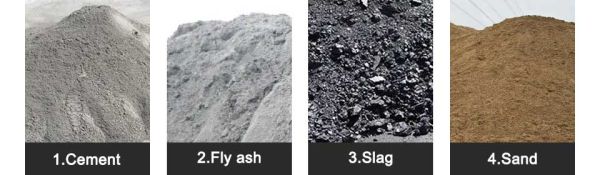
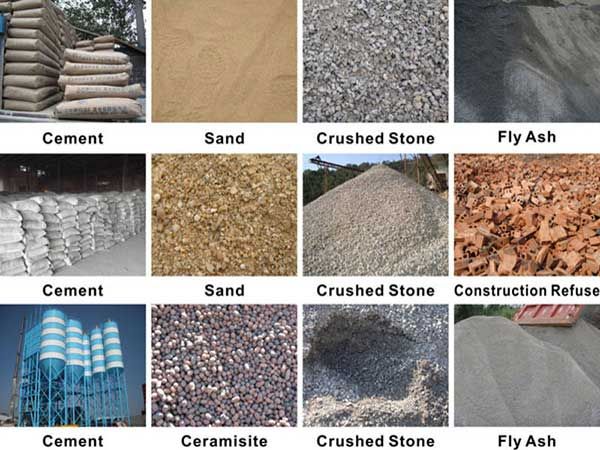
- Sử Dụng Vật Liệu Tái Chế và Thay ThếCác nhà sản xuất ngày càng đưa chất thải sau công nghiệp và sau tiêu dùng vào hỗn hợp của họ. Điều này bao gồm các vật liệu như tro bay (sản phẩm phụ từ quá trình đốt than), thủy tinh tái chế, cát đúc khuôn, và thậm chí cả bùn thải đã qua xử lý. Những chất bổ sung này có thể giảm nhu cầu về đất sét nguyên sinh, tận dụng chất thải, và đôi khi cải thiện các đặc tính của gạch, chẳng hạn như độ bền nung hoặc sự biến đổi màu sắc.
- Các Thực Hành Khai Thác Bền Vững:Ngay cả đối với đất sét nguyên chất, việc tìm nguồn cung có trách nhiệm cũng đang được chú trọng hơn. Điều này bao gồm các kế hoạch phục hồi đất, giảm thiểu việc loại bỏ lớp đất mặt và đảm bảo bảo vệ đa dạng sinh học xung quanh các khu vực khai thác.
2.2. Energy Efficiency and Emission Reduction in Firing
The firing process in kilns is the most energy-intensive and polluting stage of brick production, traditionally relying on fossil fuels.
- Kiln Technology Advancements: Modern tunnel kilns are being optimized for better heat recovery and circulation, drastically reducing fuel consumption. Some innovators are exploring hybrid firing systems and even fully electric kilns powered by renewable energy.
- Alternative Fuels: The substitution of coal and natural gas with biomass or biogas is a growing area of exploration. While technical challenges exist regarding consistent heat quality and emissions, successful implementation can dramatically lower the carbon footprint of fired bricks.
- Carbon Capture and Utilization (CCU): Experimental technologies are looking at capturing CO2 emissions from kiln stacks and either storing them or utilizing them in other industrial processes, pushing toward the concept of “carbon-neutral” or even “carbon-negative” bricks.
2.3. Water Conservation and Waste Management
Brick production is a significant consumer of water, primarily in the mixing and shaping stages.
- Closed-Loop Water Systems: Leading plants are implementing systems to recycle and reuse process water, dramatically reducing freshwater withdrawal and mitigating contaminated runoff.
- Zero-Waste Ambitions: The industry is moving toward models where production waste—such as unfired scrap, broken bricks, and kiln dust—is systematically recycled back into the production line. This not only minimizes landfill use but also improves raw material yield.
Emerging Categories of Sustainable Brick Products
3.1. High-Performance and Insulating Bricks
Beyond the production process, the brick itself is being re-engineered for operational sustainability.
- Improved Thermal Performance: Innovations like internal micro-porosity, special additives, and unique firing techniques are creating bricks with significantly lower thermal conductivity. These products enable builders to meet stringent energy codes without adding external insulation layers, simplifying construction and improving moisture management.
- Structural-Insulation Hybrids: Some manufacturers are developing larger-format bricks with intricate internal geometries that provide both structural support and high insulation values, effectively combining multiple building functions into a single, mortar-less unit.
3.2. Bio-Based and Non-Fired Alternatives
While not replacing traditional fired clay bricks, these alternatives are expanding the definition of “brick” in the green building material space and capturing specific market segments.
- Gạch nén đất (CEBs): These are bricks made from damp soil compressed under high pressure and stabilized with a small amount of cement or lime, then cured naturally or with low heat. They have a very low embodied energy and utilize locally sourced soil.
- Bricks with Bio-Aggregates: Research is ongoing into integrating organic, renewable materials like hemp, straw, or mycelium (fungal roots) as aggregates within a mineral matrix, creating lightweight, insulating building blocks.
Implications for the Supply Chain: Distributors, Dealers, and Procurement
4.1. Evolving Product Knowledge and Specification
The role of the distributor is shifting from mere logistics to that of a technical consultant. Sales teams must now be well-versed in the environmental specifications of their brick inventory: recycled content percentages, embodied carbon data (often provided via Environmental Product Declarations or EPDs), contribution to building energy efficiency, and suitability for various green certification systems. This knowledge is crucial for supporting architects, builders, and procurement officers.
4.2. Inventory Management and Market Segmentation
The brick product line is diversifying. Distributors must strategically manage inventory to include both traditional high-demand products and newer sustainable lines. This may involve segmenting the market, identifying early-adopter architects and builders, and creating targeted marketing campaigns around the benefits of specific green brick products. Understanding regional regulatory landscapes is also vital for stocking compliant materials.
4.3. Value Proposition and Client Relationships
In a competitive market, the ability to provide a comprehensive sustainable materials solution is a powerful differentiator. Procurement professionals are under pressure to deliver on corporate sustainability goals. Distributors who can reliably supply certified, low-impact bricks and provide the necessary documentation become indispensable partners. This builds stronger, stickier client relationships based on shared values and compliance assurance.
Conclusion
The impact of green building materials on brick production is profound and irreversible. It is catalyzing a renaissance of innovation in a centuries-old industry, pushing manufacturers to clean up their processes and reimagine their products. For those in the distribution and procurement chain, this shift represents both a challenge and a significant opportunity. The challenge lies in adapting to new technical specifications, managing a more complex product portfolio, and educating the market. The opportunity, however, is far greater: to position oneself as a leader in the sustainable construction movement, to add substantive value to client projects, and to future-proof a business in an era where environmental performance is inextricably linked to commercial success. The brick is being reborn—not just as a building block, but as a building block for a greener future. Those who understand and embrace this transformation will be the ones laying the strongest foundation for growth.
FAQ (Frequently Asked Questions)
Q1: Are “green” bricks as durable and strong as traditional bricks?
A: Absolutely. In many cases, sustainable bricks meet or exceed the ASTM or equivalent standards for compressive strength, water absorption, and freeze-thaw durability that govern traditional bricks. Innovations often enhance performance; for example, some high-insulation bricks offer superior strength-to-weight ratios. Always request technical data sheets and test reports to verify performance claims.
Q2: Do sustainable bricks cost more? What is the ROI?
A: There can be a modest initial cost premium due to advanced manufacturing processes or materials. However, the return on investment (ROI) is evaluated on a total project basis. Savings arise from: 1) Reduced insulation needs for high-performance bricks, 2) Lower lifetime energy costs for the building, 3) Potential tax incentives or certification benefits, and 4) Future-proofing against tightening regulations. Distributors should focus on this holistic value story.
Q3: How can we verify the environmental claims of a brick manufacturer?
A: Look for independent, third-party verifications. The most important document is an Environmental Product Declaration (EPD), which transparently details the product’s lifecycle environmental impact. Also, check for certifications related to recycled content, energy-saving manufacturing, or contributions to green building rating systems like LEED.
Q4: Is the supply of these innovative bricks reliable and consistent?
A: As demand grows, production scalability is improving. Leading manufacturers are investing heavily in new production lines dedicated to sustainable products. While some niche or highly innovative products may have longer lead times, mainstream green brick lines are becoming steadily more available. Building strong partnerships with forward-thinking manufacturers is key for distributors to ensure reliable supply.
Q5: How do we effectively market these products to builders who are resistant to change?
A: Focus on tangible benefits beyond “being green.” Emphasize installation efficiencies (e.g., larger formats, single-layer construction), compliance with new energy codes, and appeal to eco-conscious end-clients as a selling point for their projects. Offering samples, case studies, and on-site technical support can also help overcome resistance by demonstrating practicality and performance.