
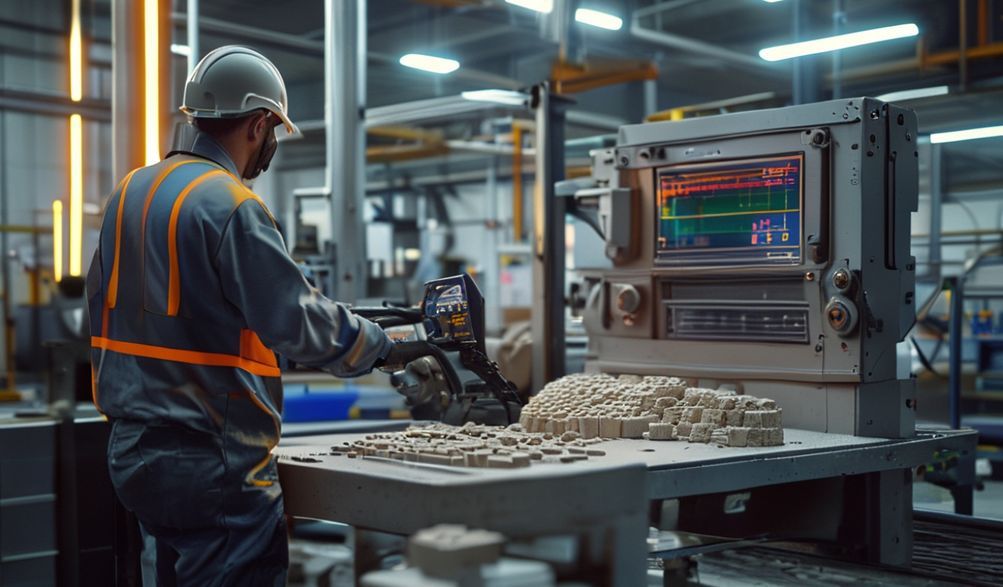
Your Ultimate Guide to Finding Reliable Block Bricks Making Machine Suppliers
Introduction
The global construction industry is projected to reach a staggering $15.2 trillion by 2030, driven by urbanization and infrastructure development. At the very foundation of this growth—quite literally—are the bricks and blocks used to build our world. For contractors, builders, and entrepreneurs, the quality, cost, and availability of these materials are paramount. This is where the right block bricks making machine becomes not just a purchase, but a pivotal business investment.
Yet, navigating the market for this essential equipment is fraught with challenges. How do you distinguish a trustworthy partner from a fly-by-night operation? The variance in machine quality, the maze of technical specifications, the hidden costs of poor after-sales support, and the sheer risk of dealing with an unreliable supplier can turn a promising venture into a costly nightmare.
This guide is your comprehensive solution. Built on industry expertise, technical knowledge, and a commitment to trustworthy advice (embodying the principles of E-E-A-T—Experience, Expertise, Authoritativeness, and Trustworthiness), it will equip you with a clear, actionable framework. By the end, you will know exactly how to evaluate, select, and partner with the right block bricks making machine supplier for your specific needs, ensuring productivity, profitability, and peace of mind.
Comprendre vos besoins avant de rechercher
Jumping straight into supplier listings is the most common—and costly—mistake. True expertise in procurement begins with introspection. Defining your precise requirements is the non-negotiable first step that will save you time, money, and frustration down the line.
Project Scope & Output Requirements
Your machine must be an engine for your business goals, not a constraint.
- Assessing Production Volume: Be brutally realistic. Calculate your average daily or weekly block requirement based on confirmed projects and a realistic growth forecast. A machine running at 120% capacity will wear out quickly, while one at 30% capacity is a poor return on investment. Consider both your current needs and a 2-3 year horizon.
- Determining Block Types: Not all machines are created equal. List the specific products you need:
- Blocs Pleins et Creux :Pour les murs porteurs.
- Pavés en brique :Pour l'aménagement paysager et les aménagements extérieurs.
- Blocs à Tenons et Mortaises : For retaining walls and construction without mortar.
- Formes Spécialisées : Curved blocks, chimney blocks, etc. Your product mix directly influences the required mold configurations and machine versatility.
Spécifications Clés des Machines à Considérer
This is where technical expertise matters. Understanding these terms empowers you to have informed discussions with suppliers.
- Niveau d'automatisation :
- Manuel : Lowest cost, highest labor intensity. Suitable for very small-scale or start-up projects.
- Semi-Automatique : A balance of cost and output. Operator loads materials, but the pressing and ejection are automated.
- Entièrement Automatique : High-output, consistent quality machines with automated material feeding, pressing, curing, and stacking. Requires higher investment but offers the best long-term cost-per-block for medium to large operations.
- Type d'opération :
- Static/Stationary: High-production machines fixed in a factory setting.
- Mobile : Mounted on a trailer, ideal for producing blocks directly on a construction site, eliminating transport costs.
- Critical Technical Specs:
- Temps de cycle : The time to produce one cycle of blocks. Lower is faster.
- Pression (Tonnage) : Determines block density and strength. Higher tonnage (e.g., 1,500 kN) produces stronger, high-quality blocks suitable for load-bearing applications.
- Taille de la palette : Dictates the block format and quantity per cycle.
- Puissance du moteur : Impacts energy consumption and overall machine capability.
Budgeting Beyond the Sticker Price
The machine’s price tag is just the entry fee. Smart buyers plan for the Coût Total de Possession (CTP).
- Investissement initial : The machine’s base cost.
- Installation & Foundation: Costs for preparing your site, which can be significant for large stationary models.
- Formation : Will operators be trained effectively? Is this included?
- Maintenance & Pièces de Rechange : What is the expected annual maintenance cost? How available and affordable are wear parts like molds, mixer blades, and hydraulic seals?
- Consommation d'énergie : A more efficient machine may have a higher upfront cost but significantly lower operating expenses over 5 years.
How to Identify and Evaluate Potential Suppliers
With a clear needs document in hand, you can now systematically evaluate the market. This framework transforms a subjective decision into an objective analysis.
Sourcing Channels: Where to Look
- Industry Trade Shows & Exhibitions: Events like bauma (Germany), BAUMA CONEXPO AFRICAouThe Big 5 (Dubai) are unparalleled. You can see machines in operation, talk directly to engineers, and assess build quality firsthand.
- Reputable B2B Marketplaces: Platforms like Alibaba and Made-in-China offer vast choice. Use with caution. They are excellent for discovering suppliers but are not a substitute for rigorous due diligence. Filter for “Verified Suppliers” or “Trade Assurance” members as a starting point.
- Professional Associations & Directories: Industry bodies often have member directories of vetted companies.
- Peer Recommendations & Case Studies: Nothing beats a referral from a trusted colleague in a similar business. Actively seek out and review detailed case studies on supplier websites.
The 5-Pillar Supplier Evaluation Framework
Apply this checklist to every serious contender.
Pillar 1: Manufacturing Expertise & Experience
* How long has the company been manufacturing these specific machines?
* Do they specialize in block making machines, or is it a side business?
* Evidence of in-house Research & Development (R&D) and engineering teams indicates a commitment to innovation and problem-solving.
Pillar 2: Product Quality & Technology
* Certifications :CherchezISO (quality management), CE (safety for the European market), and other relevant international standards. These are indicators of a systematic manufacturing process.
* Qualité des composants Ask about the brands of core components: hydraulic systems (e.g., Bosch Rexroth, Yuken), PLCs (e.g., Siemens, Mitsubishi), and electrical parts. The grade of steel used in the frame and molds is critical.
* Innovation : Are their machines energy-efficient? Do they offer smart features like touch-screen controls or production data tracking?
Pillar 3: After-Sales Support & Service Network
* Garantie : What is covered (parts, labor)? For how long (12-24 months is standard)? What are the terms?
* Support: Is technical support available via phone, email, or remote desktop? What are the response time guarantees?
* Pièces de rechange : Is there a readily available inventory of spare parts? What is the typical delivery time for a critical part?
* Training & Installation: Do they provide comprehensive operator manuals, on-site training, and installation supervision? This is often a key differentiator.
Pillar 4: Commercial Terms & Transparency
* A professional supplier provides a clear, detailed Quotation (Proforma Invoice) breaking down costs: machine price, spare parts, shipping (FOB, CIF, etc.), insurance, and installation.
* They should be upfront about payment terms (e.g., 30% deposit, 70% before shipment) and delivery timelines.
* They willingly provide client references and invite you to visit their factory (or offer a live video tour).
Pillar 5: Reputation & Client Testimonials
* Go beyond the testimonials on their website. Search for the company name + “reviews” or “complaints” online.
* If they provide references, actually contact them. Ask about machine performance, reliability, and the quality of after-sales service.
Navigating Global vs. Local Suppliers
The choice isn’t always clear-cut. Each option has distinct advantages that may align differently with your priorities.
Advantages of Established International Suppliers
- Technology & Standards: Often at the forefront of innovation with rigorously tested, standardized manufacturing processes.
- Brand Reputation & Documentation: Strong global brands invest heavily in reputation, offering comprehensive, well-translated operation and maintenance manuals.
- Valeur de revente : Equipment from a recognized international brand often holds a higher resale value.
Benefits of Working with Reputable Local/Regional Suppliers
- Logistics & Cost: Dramatically lower shipping costs, faster delivery, and no complex import customs procedures.
- Communication & Responsiveness: No language barriers or major time zone differences. Service calls can be arranged within days, not weeks.
- Local Market Understanding: They may have machines optimized for locally available raw materials (e.g., specific fly ash or aggregate types).
Hybrid Approach: The Best of Both Worlds?
Often, the ideal scenario is an international manufacturer with a strong local dealership or subsidiary office. This gives you access to global technology backed by local spare parts inventory, technicians, and responsive support. Always inquire if a foreign supplier has a local agent in your country.
Red Flags and How to Avoid Costly Mistakes
Protecting your investment requires vigilance. Here are critical warning signs and the due diligence steps to counter them.
Common Warning Signs of Unreliable Suppliers
- Vague Communication: Inability or unwillingness to provide detailed technical specifications or clear answers to your questions.
- Too-Good-To-Be-True Pricing: A quote significantly (20%+) below market rates almost always indicates inferior materials, copied designs, or hidden costs.
- Ghost Factories: No verifiable physical factory address, refusal to provide a live video tour of their production facility, or only showing stock photos.
- Payment Pressure: Demanding 100% payment upfront or using high-pressure sales tactics.
Essential Due Diligence Steps
- Conduct a Virtual Factory Audit: Insist on a live video call (WhatsApp, Zoom) where they walk you through their workshop, show active assembly lines, and demonstrate their quality control process.
- Verify Certificates: Request copies of ISO, CE, or other certificates. You can often verify the authenticity of an ISO certificate online with the issuing body’s number.
- Check Regional References: Ask for 2-3 clients in your region or a region with similar conditions. Contact them and ask specific questions about downtime, part availability, and supplier responsiveness.
The Procurement Process: From Inquiry to Installation
Managing this process methodically minimizes risk and sets the stage for a successful partnership.
Step 1: Crafting a Detailed Request for Quotation (RFQ)
Your RFQ is your needs document. Include: required output, block types, preferred automation level, key specifications, and request for full commercial terms (Incoterms, payment, warranty).
Step 2: Technical & Commercial Negotiation
Use the 5-Pillar Framework to compare quotes. Negotiate not just on price, but on warranty extension, inclusion of spare part kits, or training. Ensure all agreed changes are documented.
Step 3: Finalizing the Contract & Payment Terms
A formal contract is essential. Key clauses must cover:
* Scope of Supply: A detailed list of every item included.
* Garantie : Exact terms, inclusions, and exclusions.
* Penalties for Delay: Liquidated damages for missing the delivery date.
* Payment Schedule: Linked to milestones (e.g., 30% on order, 60% on pre-shipment photos, 10% after successful commissioning).
Step 4: Pre-Shipment Inspection & Logistics
Hire a third-party inspection agency or plan your own visit to inspect the machine before it is crated. Verify all components and functions. Confirm shipping details and insurance coverage.
Step 5: Installation, Commissioning, and Training
Plan for the supplier’s engineer to supervise installation and conduct commissioning. Ensure your operators receive hands-on training. Only sign the final acceptance certificate after the machine runs successfully for a trial period producing to-specification blocks.
FAQ Section
Q1: What is the average price range for a block making machine?
A: Prices vary extremely widely. A small manual machine can start from a few thousand dollars, while a high-output, fully automatic production line can cost several hundred thousand dollars. Focus on the cost-per-block over the machine’s lifespan rather than just the initial price. The cheapest machine often becomes the most expensive due to downtime and repair costs.
Q2: How important is after-sales service when choosing a supplier?
A: It is arguably the most critical factor. A machine is a long-term asset. A breakdown is inevitable—it’s a matter of when, not si. A supplier with excellent after-sales service will get you back running in days. A poor one can leave you with an expensive paperweight for months, crippling your business.
Q3: Can I visit the factory before placing an order?
A: It is highly recommended. For local suppliers, insist on a visit. For overseas suppliers, a live, interactive video tour is a non-negotiable minimum. A reputable supplier is proud of their facility and will be transparent.
Q4: What are the most trusted brands in the industry?
A: Instead of a list that can quickly become outdated, we advise a proactive approach. Research winners of industry awards at major trade shows, read equipment reviews in trade magazines like International ConstructionouWorld Cement, and ask experienced peers in your network. Then, apply the 5-Pillar Framework to any brand you consider.
Q5: What’s the typical lead time for delivery?
A: Lead time depends on machine complexity, customization, and the supplier’s order backlog. For a standard model, expect 30-60 days for manufacturing plus shipping time (which can be 15-45 days by sea). Always get a written commitment for a Firm Delivery Date in your contract, not an estimate.
Conclusion
Selecting a block bricks making machine supplier is fundamentally about choosing a long-term partner for your business’s productivity and profitability. It is a decision that reverberates through your projects, your balance sheet, and your reputation for years to come.
You are now empowered. By first meticulously defining your own needs, then applying the rigorous 5-Pillar Supplier Evaluation Framework, conducting thorough due diligence, and managing the procurement process with care, you move from a position of uncertainty to one of informed confidence.
Remember, the time and effort invested in finding the right partner is not an expense—it is a foundational investment in the stability, efficiency, and growth of your construction or manufacturing venture.
Call to Action: Use the evaluation framework in this guide as a practical checklist for your next supplier interaction. Have you faced challenges or found success in sourcing machinery? Share your experiences or questions in the comments below to help build a community of knowledgeable professionals.
<