
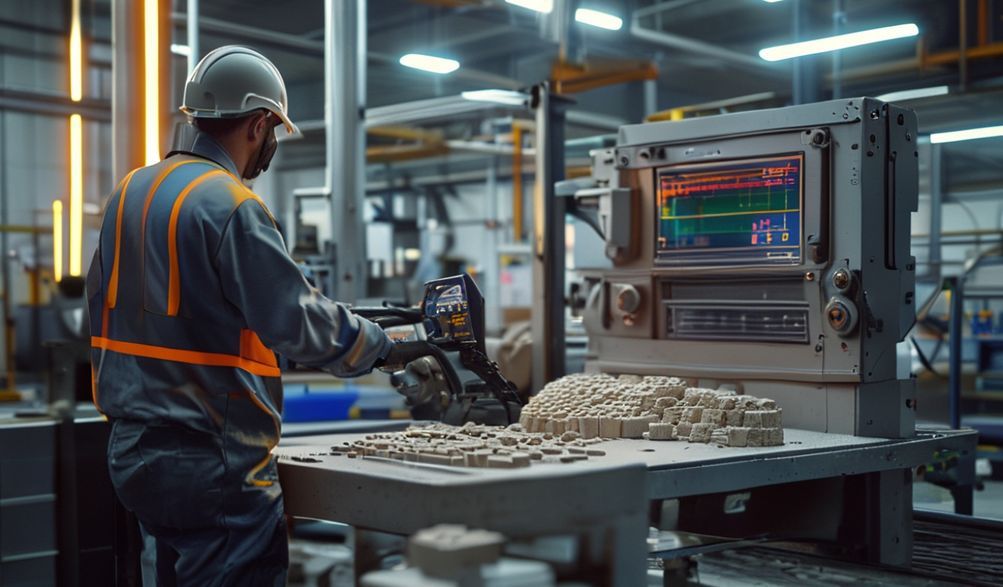
Ultima Tua Ductor ad Fideles Machinarum Laterum Faciendarum Suppeditatores Inveniendos
Introductio
Industria aedificatoria globalis ad XV.2 trilliones dollariorum usque ad annum MMXXX pertingere praevidetur, urbanizatione et progressione infrastructurae impulsa. In ipso fundamento huius incrementi—vere et proprie—sunt lateres et structurae quibus mundus noster aedificatur. Pro redemptoribus, aedificatoribus, et negotiatoribus, qualitas, sumptus, et copia horum materiarum summae momenti sunt. Hic machina apta ad lateres formandos non modo empito, sed potius investitura negotialis crucialis fit.
Tamen, per mercatum huius instrumenti necessarii plenus est difficultatibus. Quomodo fidelem socium ab operatione fugaci discernis? Varietas in qualitate machinae, labyrinthus specificationum technicarum, occulti sumptus sustentationis post venditionem malae, et ipsum periculum cum suppeditatore infideli agendi, conatum promittentem in somnium sumptuosum vertere possunt.
Hic dux tuum plenum consilium est. In peritia industriae, scientia technica, et fide consilii fidi fundatus (principia praebens).E-E-A-TExperientia, Peritia, Auctoritas, et Fides, tibi perspicuum et agibile compagem instruent. Ad finem ventus, prorsus scies quomodo aestimes, eligas, et cum apto consociare.Lateres machinae fabricae suppeditatorad necessitates tuas peculiares, efficacitatem, lucrum, et tranquillitatem animi praestans.
Cognoscere Tuas Necessitates Antequam Quaeris
Recte in tabulas venditorum desilire est frequentissimus et sumptuosissimus error. Vera peritia in parandis rebus ab introspectu incipit. Praecisa tua postulata definire est primus gradus inexorabilis, qui tempus, pecuniam, molestiamque tibi in posterum conservabit.
Proiecti Ambitus et Postulata Effectuum
Machina tua debet esse machina propositis negotii tui, non impedimentum.
- Voluminis Productionis Aestimatio:Cogita crudeliter veritatem. Computa quot frusta cotidie vel hebdomadatim opus sint secundum confirmata incepta et verisimilem incrementi praevisionem. Machina quae ad centum et viginti pro cento facultatis operatur cito deteretur, dum ea quae ad triginta pro cento facultatis operatur inutilis pecuniae impensae est. Respice et necessitates praesentes et prospectum duorum vel trium annorum.
- Genus Luminum Determinare:Non omnes machinae aequales creantur. Enumera specifica producta quae tibi opus sunt:
- Lateres Pleni et Cavi:Pro parietibus structuralibus.
- Lateres sternendiAd ornandum et firmandum locum.
- Interclusi Lateres:Ad muros retinendos et structuras sine caemento.
- Formae Propriae:Cochleata latera, caminorum latera, etc. Mixtura tua productorum directe affigit formas formarum requisitas et versatilitatem machinae.
Clavis Machinae Specificationes Ad Considerandum
Hic peritia technica valet. Haec vocabula cognoscere te potestatem dat ut cum mercatoribus docte colloquaris.
- Automationis Gradus:
- Manuale:Minimus sumptus, maxima laboris intensio. Aptum pro minimis vel initiis inceptis.
- Semi-Automaticus:Libra sumptus et operis. Operator onera materias, sed pressura et ejectio automatice fiunt.
- Omnino Automata:Machinae altae efficaciae, constantis qualitatis, cum automatizato materiae alimentatione, pressione, curatione, et cumulatione. Maiora impendia requirunt, sed optimam diuturnam sumptum-per-massam pro mediis et magnis operationibus praebent.
- Genus Operationis:
- Staticus/StationariusMachinae altae productionis in officina constitutae.
- Mobile:In vehiculo impositum, aptum ad latera directe in opere aedificandi producenda, sumptus vecturae tollens.
- Specificationes Technicae Criticae:
- Tempus Cycli:Tempus ad unum cyclum caudicum producendum. Inferius celerius est.
- Pressio (Tonnagium):Densitatem et firmitatem lateris definit. Tonnage maior (exempli gratia, mille quingentis kilonewtonibus) latera firmiora et qualitatis superioris gignit, quae onera sustinere apta sunt.
- Mensura Palearis:Formatum stipitis et numerum per cyclum praescribit.
- Vis Motrix:Impetum energiae consumptionis et facultatem machinae totius afficit.
Praeter Pretium Notatum Praevidere
Machinae pretium solum introitus est. Emptores prudentes proSumma Possessionis Impendii (SPI).
- Investitio Initialis:Basis pretium machinae.
- Instalatio et Fundamentum:Impendia ad situm tuum praeparandum, quae pro magnis exemplaribus stantibus notabilia esse possunt.
- Exercitatio.An operatoribus efficaciter instituentur? Hocne comprehenditur?
- Sustentatio & Partes SubsidiaeQuid est annuus impendium sustentationis exspectatum? Quam promptae et comparabiles sunt partes detritae ut formae, mixtorium laminae, et signacula hydraulica?
- Energiae Consumptio:Machina efficacior pretium initiale maius habere potest, sed sumptus operandi per quinque annos multo minores.
Quomodo Potentes Suppeditatores Cognoscere et Aestimare
Cum documento necessitatum claro in manu, nunc methodice mercatum aestimare potes. Hoc compage consilium subiectivum in analysin obiectivam convertit.
Fontes Comparandi: Ubi Quaerendi Sint
- Industriae Mercaturae Spectacula & Exhibitiones:Eventa sicutBauma (Germania), BAUMA CONEXPO AFRICAautMagni Quinque (Dubai)Incomparabilia sunt. Machinas in opere videre potes, cum mechanicis directe colloqui, et fabricae qualitatem ipse aestimare.
- Reputable B2B Marketplaces: Platforms like Alibaba and Made-in-China offer vast choice. Use with caution. They are excellent for discovering suppliers but are not a substitute for rigorous due diligence. Filter for “Verified Suppliers” or “Trade Assurance” members as a starting point.
- Professional Associations & Directories: Industry bodies often have member directories of vetted companies.
- Peer Recommendations & Case Studies: Nothing beats a referral from a trusted colleague in a similar business. Actively seek out and review detailed case studies on supplier websites.
The 5-Pillar Supplier Evaluation Framework
Apply this checklist to every serious contender.
Pillar 1: Manufacturing Expertise & Experience
* How long has the company been manufacturing these specific machines?
* Do they specialize in block making machines, or is it a side business?
* Evidence of in-house Research & Development (R&D) and engineering teams indicates a commitment to innovation and problem-solving.
Pillar 2: Product Quality & Technology
* Certificationes:QuaereISO (quality management), CE (safety for the European market), and other relevant international standards. These are indicators of a systematic manufacturing process.
* Qualitas Partium Ask about the brands of core components: hydraulic systems (e.g., Bosch Rexroth, Yuken), PLCs (e.g., Siemens, Mitsubishi), and electrical parts. The grade of steel used in the frame and molds is critical.
* Innovatio: Are their machines energy-efficient? Do they offer smart features like touch-screen controls or production data tracking?
Pillar 3: After-Sales Support & Service Network
* Cautio: What is covered (parts, labor)? For how long (12-24 months is standard)? What are the terms?
* Support: Is technical support available via phone, email, or remote desktop? What are the response time guarantees?
* Partes Suppetiales: Is there a readily available inventory of spare parts? What is the typical delivery time for a critical part?
* Disciplina & Installatio: Do they provide comprehensive operator manuals, on-site training, and installation supervision? This is often a key differentiator.
Pillar 4: Commercial Terms & Transparency
* A professional supplier provides a clear, detailed Quotation (Proforma Invoice) breaking down costs: machine price, spare parts, shipping (FOB, CIF, etc.), insurance, and installation.
* They should be upfront about payment terms (e.g., 30% deposit, 70% before shipment) and delivery timelines.
* They willingly provide client references and invite you to visit their factory (or offer a live video tour).
Pillar 5: Reputation & Client Testimonials
* Go beyond the testimonials on their website. Search for the company name + “reviews” or “complaints” online.
* If they provide references, actually contact them. Ask about machine performance, reliability, and the quality of after-sales service.
Navigating Global vs. Local Suppliers
The choice isn’t always clear-cut. Each option has distinct advantages that may align differently with your priorities.
Advantages of Established International Suppliers
- Technology & Standards: Often at the forefront of innovation with rigorously tested, standardized manufacturing processes.
- Brand Reputation & Documentation: Strong global brands invest heavily in reputation, offering comprehensive, well-translated operation and maintenance manuals.
- Pretium Resale Equipment from a recognized international brand often holds a higher resale value.
Benefits of Working with Reputable Local/Regional Suppliers
- Logistics & Cost: Dramatically lower shipping costs, faster delivery, and no complex import customs procedures.
- Communication & Responsiveness: No language barriers or major time zone differences. Service calls can be arranged within days, not weeks.
- Local Market Understanding: They may have machines optimized for locally available raw materials (e.g., specific fly ash or aggregate types).
Hybrid Approach: The Best of Both Worlds?
Often, the ideal scenario is an international manufacturer with a strong local dealership or subsidiary office. This gives you access to global technology backed by local spare parts inventory, technicians, and responsive support. Always inquire if a foreign supplier has a local agent in your country.
Red Flags and How to Avoid Costly Mistakes
Protecting your investment requires vigilance. Here are critical warning signs and the due diligence steps to counter them.
Common Warning Signs of Unreliable Suppliers
- Vague Communication: Inability or unwillingness to provide detailed technical specifications or clear answers to your questions.
- Too-Good-To-Be-True Pricing: A quote significantly (20%+) below market rates almost always indicates inferior materials, copied designs, or hidden costs.
- Ghost Factories: No verifiable physical factory address, refusal to provide a live video tour of their production facility, or only showing stock photos.
- Payment Pressure: Demanding 100% payment upfront or using high-pressure sales tactics.
Essential Due Diligence Steps
- Conduct a Virtual Factory Audit: Insist on a live video call (WhatsApp, Zoom) where they walk you through their workshop, show active assembly lines, and demonstrate their quality control process.
- Verify Certificates: Request copies of ISO, CE, or other certificates. You can often verify the authenticity of an ISO certificate online with the issuing body’s number.
- Check Regional References: Ask for 2-3 clients in your region or a region with similar conditions. Contact them and ask specific questions about downtime, part availability, and supplier responsiveness.
The Procurement Process: From Inquiry to Installation
Managing this process methodically minimizes risk and sets the stage for a successful partnership.
Step 1: Crafting a Detailed Request for Quotation (RFQ)
Your RFQ is your needs document. Include: required output, block types, preferred automation level, key specifications, and request for full commercial terms (Incoterms, payment, warranty).
Step 2: Technical & Commercial Negotiation
Use the 5-Pillar Framework to compare quotes. Negotiate not just on price, but on warranty extension, inclusion of spare part kits, or training. Ensure all agreed changes are documented.
Step 3: Finalizing the Contract & Payment Terms
A formal contract is essential. Key clauses must cover:
* Scope of Supply: A detailed list of every item included.
* Cautio: Exact terms, inclusions, and exclusions.
* Penalties for Delay: Liquidated damages for missing the delivery date.
* Payment Schedule: Linked to milestones (e.g., 30% on order, 60% on pre-shipment photos, 10% after successful commissioning).
Step 4: Pre-Shipment Inspection & Logistics
Hire a third-party inspection agency or plan your own visit to inspect the machine before it is crated. Verify all components and functions. Confirm shipping details and insurance coverage.
Step 5: Installation, Commissioning, and Training
Plan for the supplier’s engineer to supervise installation and conduct commissioning. Ensure your operators receive hands-on training. Only sign the final acceptance certificate after the machine runs successfully for a trial period producing to-specification blocks.
FAQ Sectio
Q1: What is the average price range for a block making machine?
A: Prices vary extremely widely. A small manual machine can start from a few thousand dollars, while a high-output, fully automatic production line can cost several hundred thousand dollars. Focus on the cost-per-block over the machine’s lifespan rather than just the initial price. The cheapest machine often becomes the most expensive due to downtime and repair costs.
Q2: How important is after-sales service when choosing a supplier?
A: It is arguably the most critical factor. A machine is a long-term asset. A breakdown is inevitable—it’s a matter of when, not si. A supplier with excellent after-sales service will get you back running in days. A poor one can leave you with an expensive paperweight for months, crippling your business.
Q3: Can I visit the factory before placing an order?
A: It is highly recommended. For local suppliers, insist on a visit. For overseas suppliers, a live, interactive video tour is a non-negotiable minimum. A reputable supplier is proud of their facility and will be transparent.
Q4: What are the most trusted brands in the industry?
A: Instead of a list that can quickly become outdated, we advise a proactive approach. Research winners of industry awards at major trade shows, read equipment reviews in trade magazines like International ConstructionautWorld Cement, and ask experienced peers in your network. Then, apply the 5-Pillar Framework to any brand you consider.
Q5: What’s the typical lead time for delivery?
A: Lead time depends on machine complexity, customization, and the supplier’s order backlog. For a standard model, expect 30-60 days for manufacturing plus shipping time (which can be 15-45 days by sea). Always get a written commitment for a Firm Delivery Date in your contract, not an estimate.
Conclusio.
Selecting a Lateres machinae fabricae suppeditator is fundamentally about choosing a long-term partner for your business’s productivity and profitability. It is a decision that reverberates through your projects, your balance sheet, and your reputation for years to come.
You are now empowered. By first meticulously defining your own needs, then applying the rigorous 5-Pillar Supplier Evaluation Framework, conducting thorough due diligence, and managing the procurement process with care, you move from a position of uncertainty to one of informed confidence.
Remember, the time and effort invested in finding the right partner is not an expense—it is a foundational investment in the stability, efficiency, and growth of your construction or manufacturing venture.
Call to Action: Use the evaluation framework in this guide as a practical checklist for your next supplier interaction. Have you faced challenges or found success in sourcing machinery? Share your experiences or questions in the comments below to help build a community of knowledgeable professionals.
<